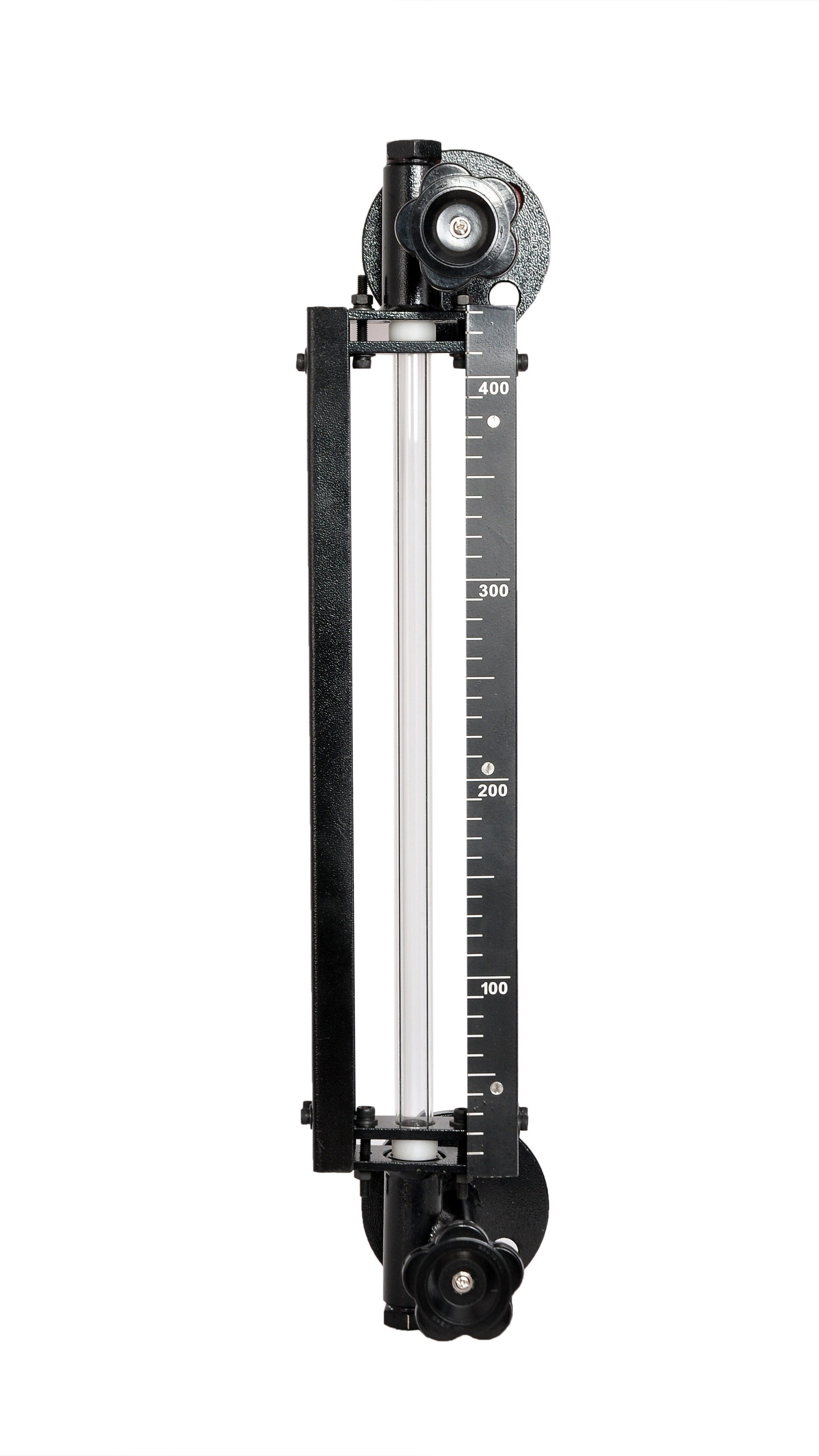
The right instrument depends on whether you need a local reading, a remote process value, an inventory estimate or an independent overfill alarm. By matching the tank, liquid and required signal to the measurement principle, you can reject unsuitable technologies before installation and specify the remaining option accurately.
Key takeaways
- Choose an indicator for local viewing and a sensor for detection or remote measurement.
- Match the technology to tank pressure, temperature, fluid properties and required accuracy.
- Reject instruments that cannot handle your process conditions, access limits or hazardous-area classification.
- Specify output, alarm logic, materials, connection size and calibration requirements before purchase.
What does each level instrument actually provide?
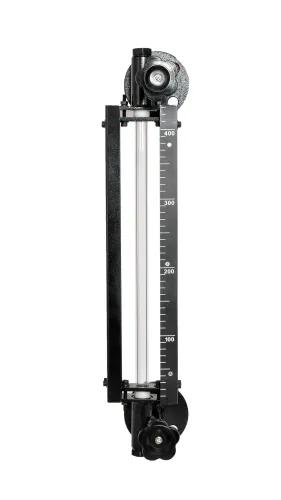
Choose tank level monitoring instruments by the output you need before comparing brands. A level indicator gives a reading at the tank: a tubular glass indicator or float-and-board arrangement suits an operator who can inspect the vessel locally. A level sensor detects a process condition or measurement.
A level transmitter converts continuous level into 4–20 mA, 0–10 V, RS-485 or RS-232 for a PLC, SCADA system, display or control loop. A level switch changes state at fixed points through a relay, transistor or contact output.
| Instrument | Output | Suitable result |
|---|---|---|
| Level indicator | Local visual reading | Sight-glass check at the tank |
| Level transmitter | Continuous analogue or digital signal | Remote level, trend, inventory or control |
| Level switch | Fixed-point contact or transistor state | Pump interlock, low-low shutdown or high-high alarm |
| Level sensor | Detected process condition or measurement | Input to a transmitter or control device |
A switch cannot provide reliable inventory values between its trip points. Tank volume also requires a strapping table or calibrated vessel map; displayed level percentage is not automatically usable-volume percentage.
Specify the required result in plain terms, then define the signal, response time, normal operating range and failure action. Use an independent high-high device when the risk assessment requires a separate overfill protection layer, and proof-test it while managing bypasses. A transmitter’s display does not prove that its output is suitable for a safety function.
Which technology matches the tank and the measurement job?
Choose tank level monitoring instruments by matching the tank conditions, geometry and measurement job—not by choosing the newest technology. Use continuous measurement for remote monitoring, control loops and inventory; use a local indicator for a person standing at the tank.
| Technology | Choose it when | Check or reject it when |
|---|---|---|
| Non-contact radar level | Vapour, pressure, temperature variation or foam makes sound propagation unreliable | Check the antenna beam and blocking distance against the roof, nozzle, ladder, coil and agitator |
| Guided-wave radar | The vessel is narrow, obstructed or requires interface measurement | Mount the probe without contact with structures; reject it if the product will bridge or coat the probe |
| Ultrasonic level | The tank offers a clear acoustic path, suitable roof position and configured dead zone | Vapour, condensation, heavy foam, turbulence or sound-absorbing material can weaken or falsify the echo |
| Hydrostatic level or differential pressure | Liquid density is stable and diaphragm position, tank height and pressure reference are known | Density changes invalidate calibration; closed tanks need vapour-pressure compensation |
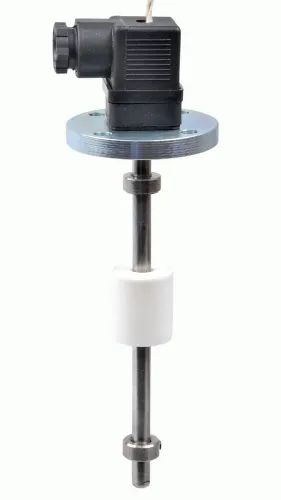
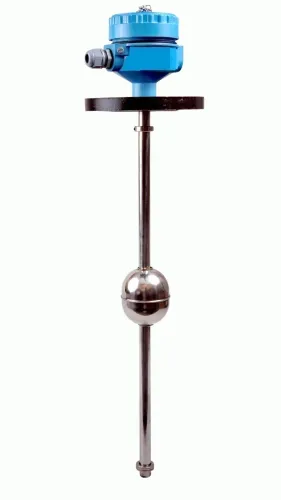
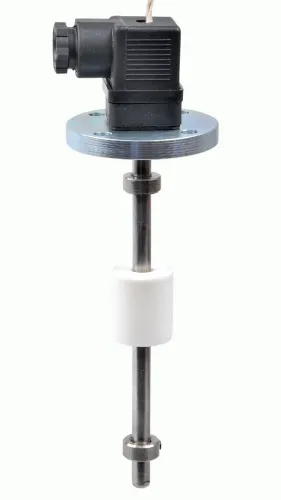
| Float transmitter | The liquid is clean and geometry is simple | Control turbulence, sludge, wax, suspended solids and guide-tube friction |
| Glass or float-and-board | You need low-cost local checking | Do not use it for unattended remote control |
| Fuel-specific instrument | A vehicle or generator tank matches its probe length, supply voltage, output and installation requirements | Reject mismatched fuel-system hardware |
For inventory tracking, add a level-to-volume strapping table. A displayed percentage is not a percentage of usable volume in a horizontal cylinder, sphere or dished vessel.
When should you reject an apparently suitable instrument?
Reject an apparently suitable tank level monitoring instrument when its physics or installation cannot represent the condition you need. Reject an ultrasonic level transmitter if vapour-space sound speed changes, foam creates a false surface, condensation covers the transducer, an agitator interrupts the path, or the roof leaves no clear mounting position.
Specify whether you need the foam top, liquid beneath the foam, or an alarm on either condition.
1. Reject a hydrostatic level transmitter when density changes with temperature, concentration or product blending unless the system compensates for density. In a closed tank, account for vapour pressure with a suitable reference connection: wet leg, dry leg or remote seal. Because ΔP = ρgh, pressure head is not a direct level reading.
2. Reject a float level transmitter when the float can snag on coils, mixers or sediment, the opening restricts installation, or sludge and wax add weight and friction. Inspect guide tubes, pivots, pulleys and seals for wear.
3. Before ordering, confirm probe length, mounting connection and measuring span. Leave clearance from the bottom, roof, heating coils, mixers and sediment layer; verify whether the probe is factory-cut, adjustable or supplied only in fixed lengths. For capacitance, require stable dielectric behaviour and account for coating, emulsions and composition changes.
For displacers, verify density, chamber connections and mechanical freedom.
How do you design reliable alarms and hazardous-area measurement?
1. Begin with a continuous transmitter when you need inventory, trending or a control-loop input. Then assess a separate level switch for high-high overfill protection and low-low shutdown; a point switch cannot measure inventory between its trip points.
2. Select the switch for the actual liquid and trip point. Vibrating-fork devices can be affected by coating and changing density; RF-admittance and capacitance depend on dielectric behaviour and coating compensation; conductive switches require sufficient conductivity; optical switches can be obscured; floats need freedom from sticky deposits and moving liquid.
Specify the product, foam, agitation, temperature, pressure and expected build-up before choosing.
3. Treat the alarm as a procedure, not just hardware. Define its fail-safe state, proof-test method, test interval and bypass authorisation, including how operators record and remove a bypass. A high-high switch left bypassed or never tested provides no overfill protection.
If you claim SIL performance, request the safety manual, failure-rate data, diagnostic coverage, voting arrangement and proof-test assumptions, then assess the complete sensor, logic solver and final-element architecture.
4. For hazardous-area level measurement, check the transmitter, probe, cable glands, barriers or isolators, power supply and wiring as one installation. An intrinsically safe device cannot compensate for incompatible wiring.
For interface service, confirm phase order, density or dielectric contrast, interface range, mixing and emulsion thickness; a broad emulsion band can make signal processing define the reported boundary rather than a sharp physical interface.
What should you put in the purchase and installation specification?
Your level measurement specification should turn the tank, process and safety need into a checkable purchase and installation record. Include:
- The tank drawing, internal obstructions, roof and nozzle dimensions, and the antenna beam path; check agitators, ladders, heating coils and the radar blocking distance.
- Liquid name, density range, viscosity, temperature, pressure, foam, vapour, solids, coating tendency and hazardous-area classification.
- Normal, minimum and maximum levels; required accuracy, measuring span, dead zone, alarm points, response time and display requirement.
- Output: relay, 4–20 mA, pulse, HART, RS-485 or another digital protocol.
- Mounting thread or flange, wetted materials, enclosure rating, cable entry, probe length, grounding and access for removal.
| Requirement | Specify | Why it matters |
|---|---|---|
| Inventory | Continuous tank level transmitter, calibrated strapping table and display | A percentage reading is not a reliable volume calculation in a non-linear tank |
| Control | tank level sensor output, update rate and damping | Excessive damping delays pump or valve response |
| Protection | Independent point switch, trip level and reset logic | A continuous transmitter is not automatically an overfill safeguard |
Ask how the instrument behaves on echo loss, broken wire, power failure and sensor fault. For interface measurement, document phase order, interface range, density or dielectric contrast, mixing and emulsion width. State whether foam means the foam top, liquid beneath it or an alarm.
Filpro Sensors Pvt Ltd can be included in the comparison when you need industrial instruments for indicating, sensing, transmitting or controlling level; compare its proposed device against the drawing, process conditions, signal architecture and independent alarm requirement.
Related products
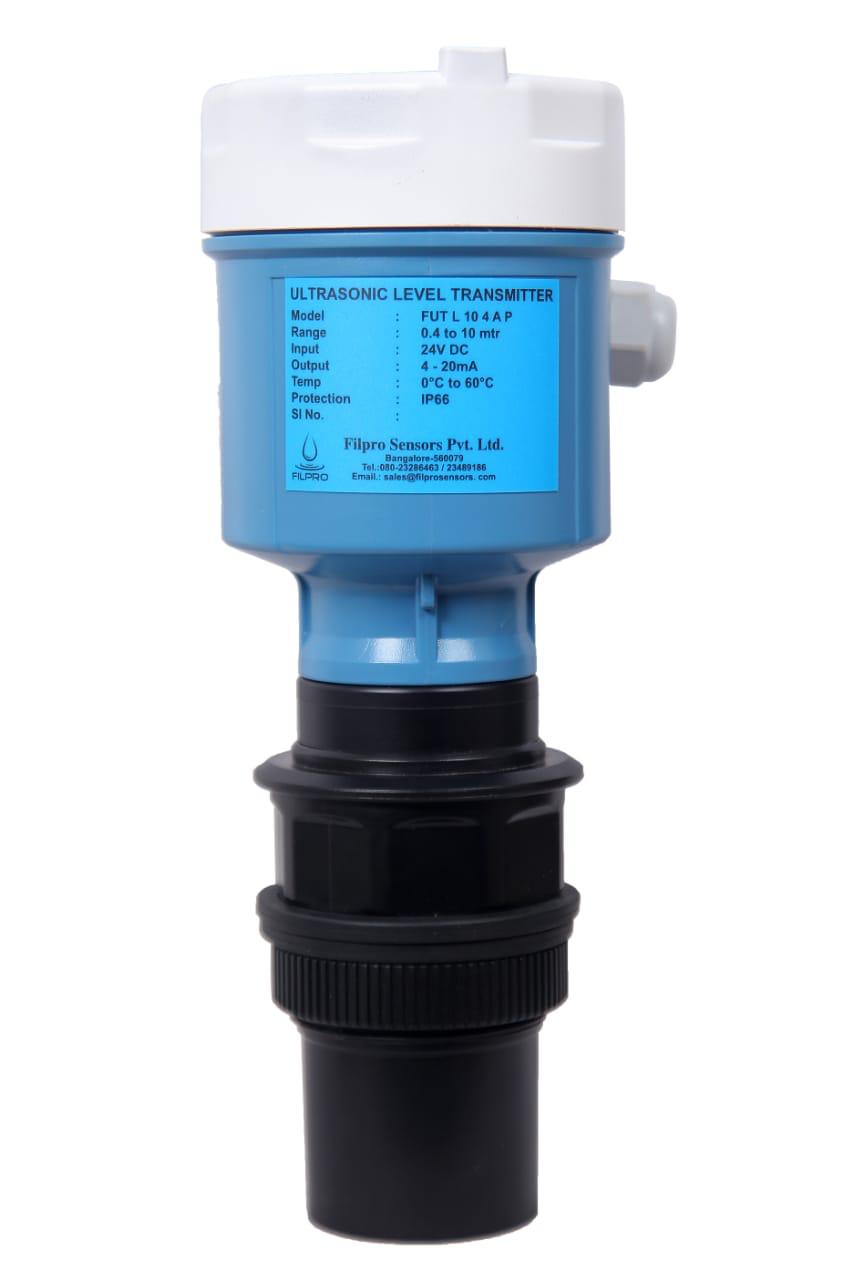 | Level Transmitter Ultrasonic Level Sensor is a non-contact ultrasonic continuous level measurement product based on sound technology. View product → |
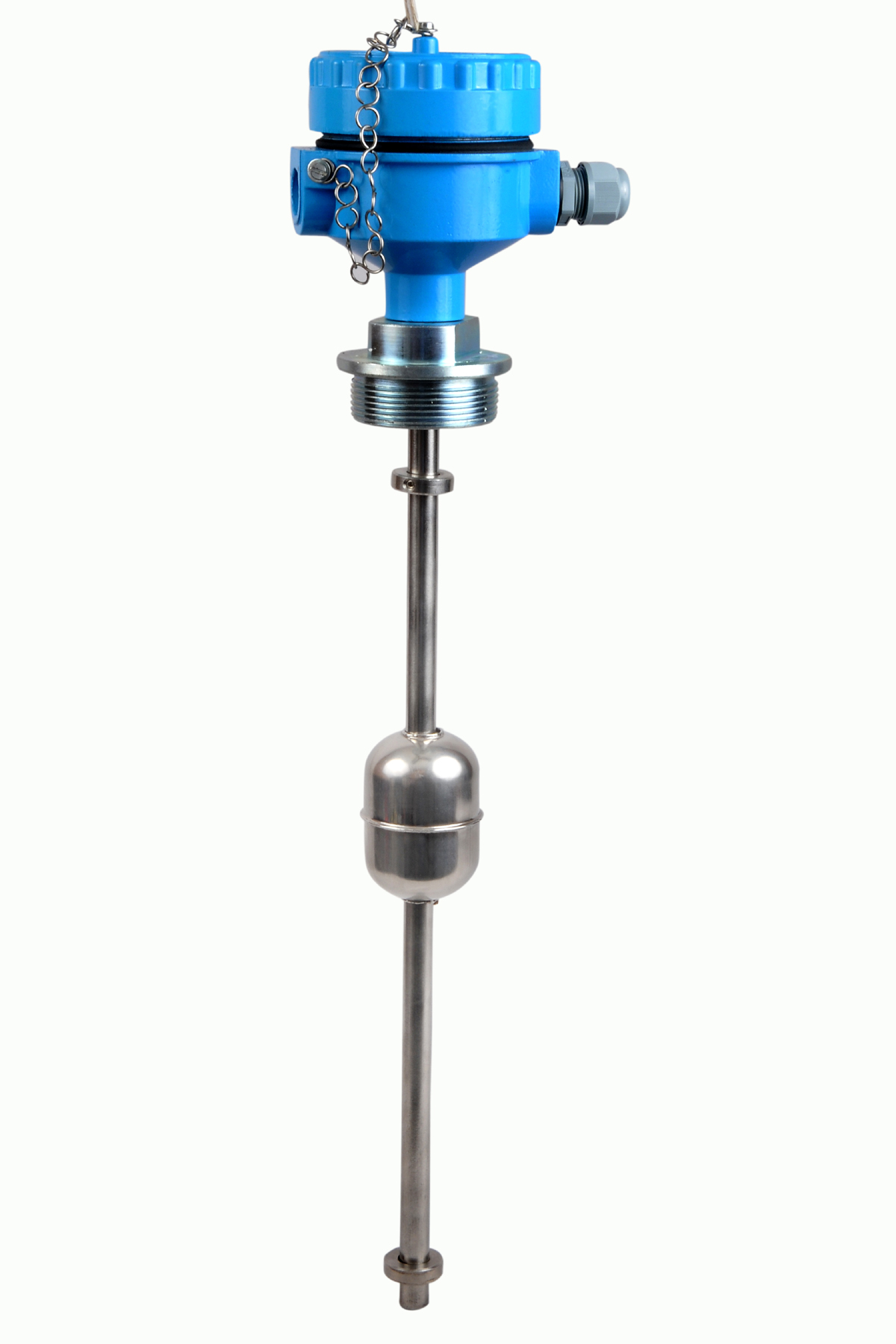 | Level Transmitter Float Level Transmitters Are Ideal For Continuous Level Monitoring In Water, Diesel, Chemical And Oils For Accurate Level Measurement. View product → |
Frequently asked questions
What does each tank level instrument actually provide?
A local indicator shows level at the vessel, while a sensor provides detection, measurement or a remote signal for control systems.
Which level technology matches my tank and measurement job?
Choose based on whether you need local indication, point-level detection, continuous measurement, remote transmission or automatic control, then check pressure, temperature and fluid properties.
When should you reject an apparently suitable level instrument?
Reject it when its range, materials, process rating, installation access, accuracy or output does not match the tank and measurement duty.
How should you design reliable alarms and hazardous-area measurement?
Define alarm setpoints, response actions, fail-safe behaviour and proof testing, then match the instrument and installation to the site hazardous-area classification.
What belongs in a tank level instrument purchase specification?
State the tank dimensions, fluid, operating conditions, measurement range, accuracy, output, alarm requirements, process connection, materials, approvals and installation details.
Related products
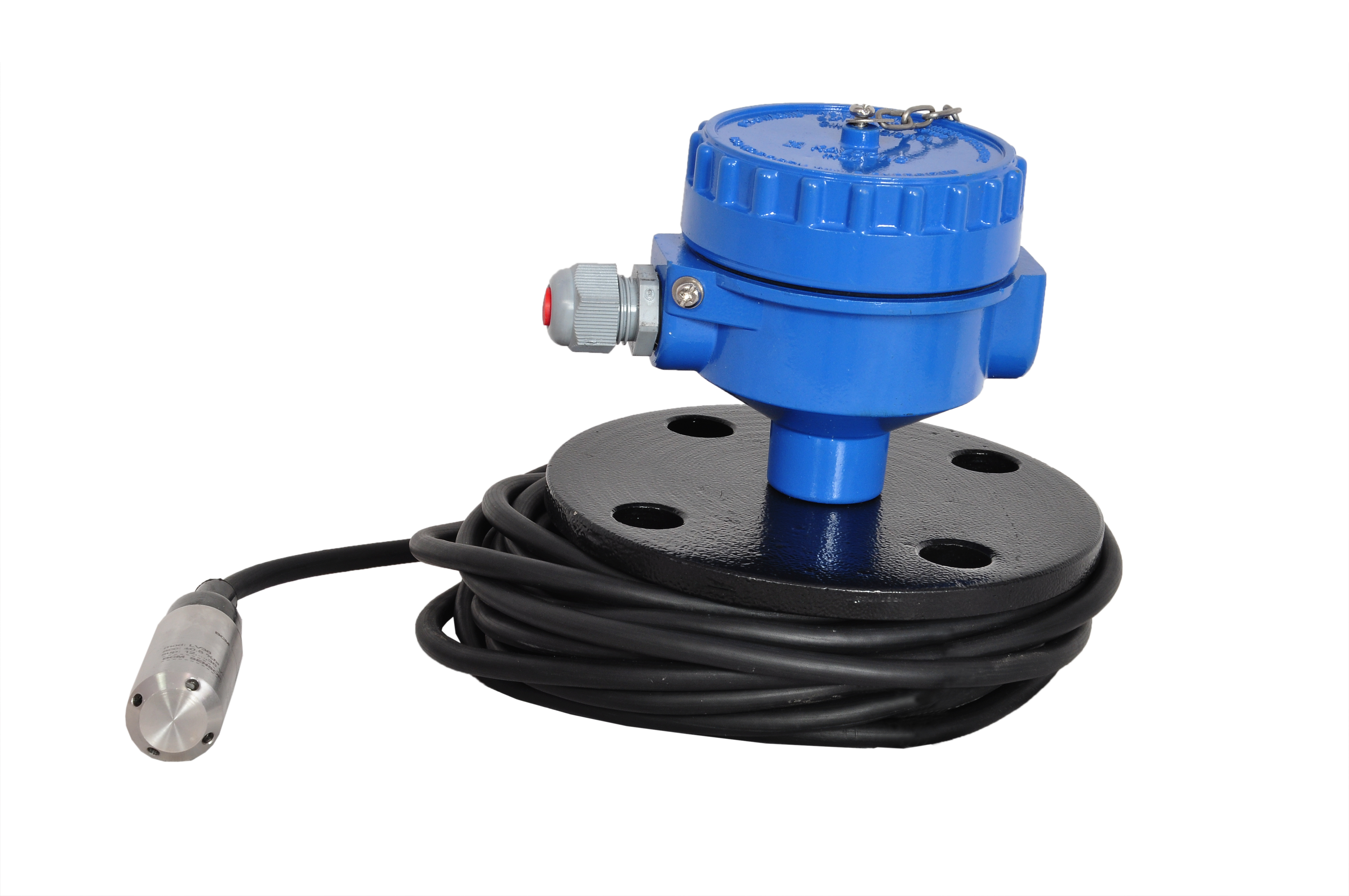 | Level Transmitter Hydrostatic liquid level transducers and transmitters with flush diaphragm is designed fora wide variety of level measurement applications. View product → |
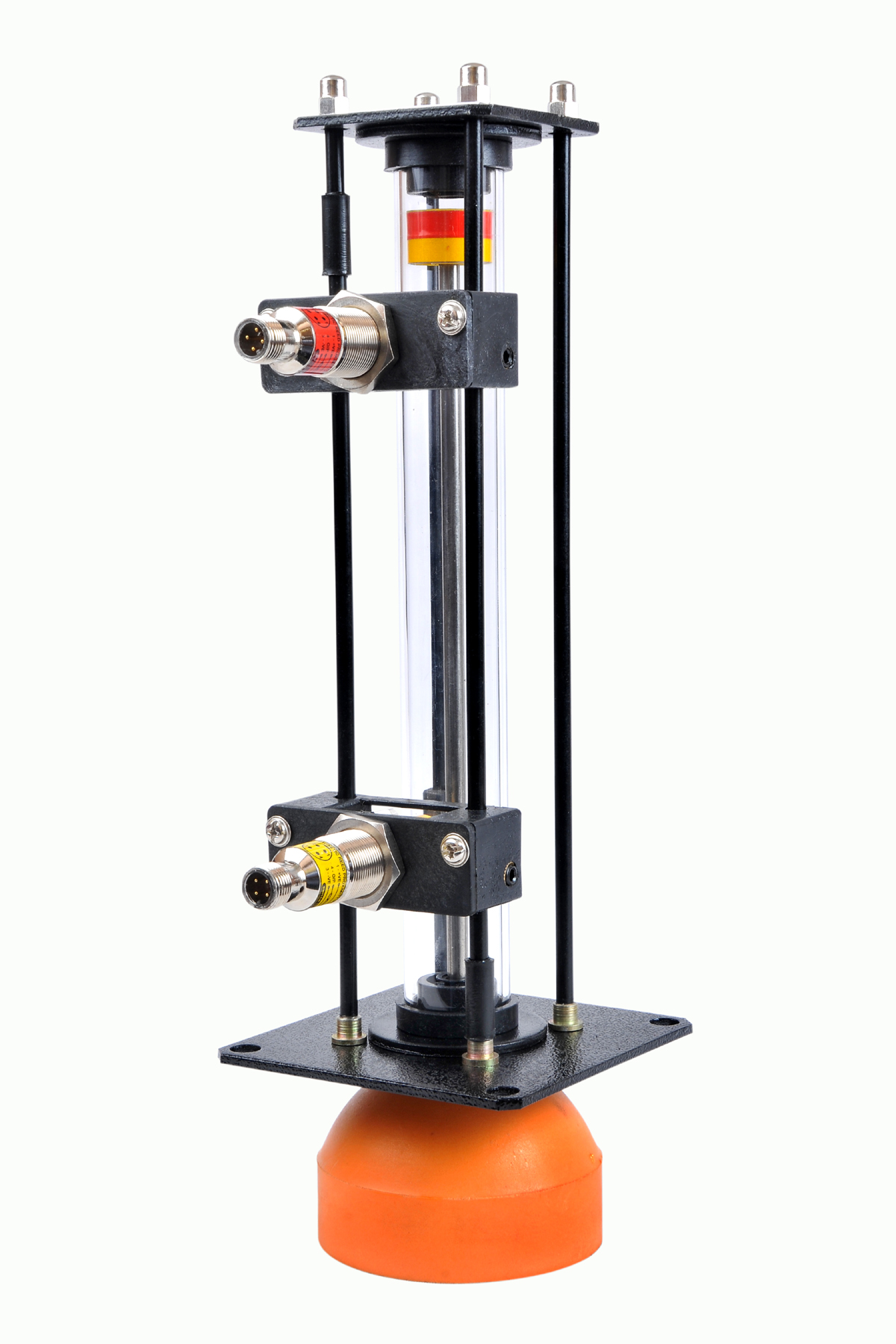 | Level Gauge Oil Level Indicator is designed to indicate the coolant and hydraulic oil level inside the tank with a visual indicator above the tank. View product → |
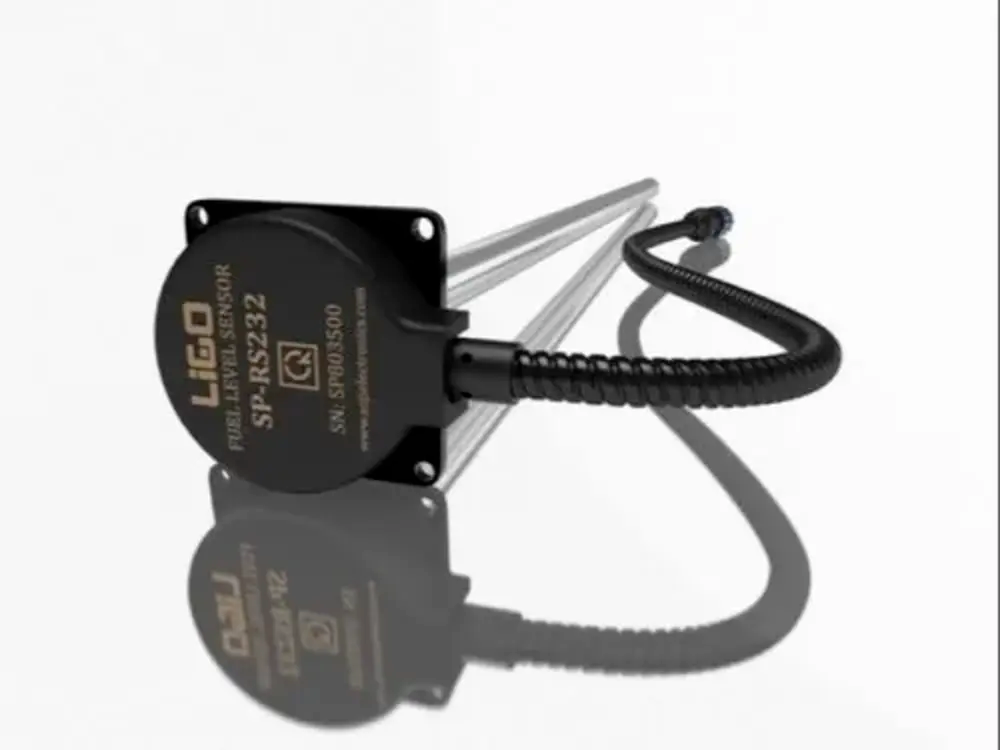 | Level Sensor Ligo fuel sensor for monitoring Diesel and Petrol level in vehicle fuel tanks and DG sets. View product → |
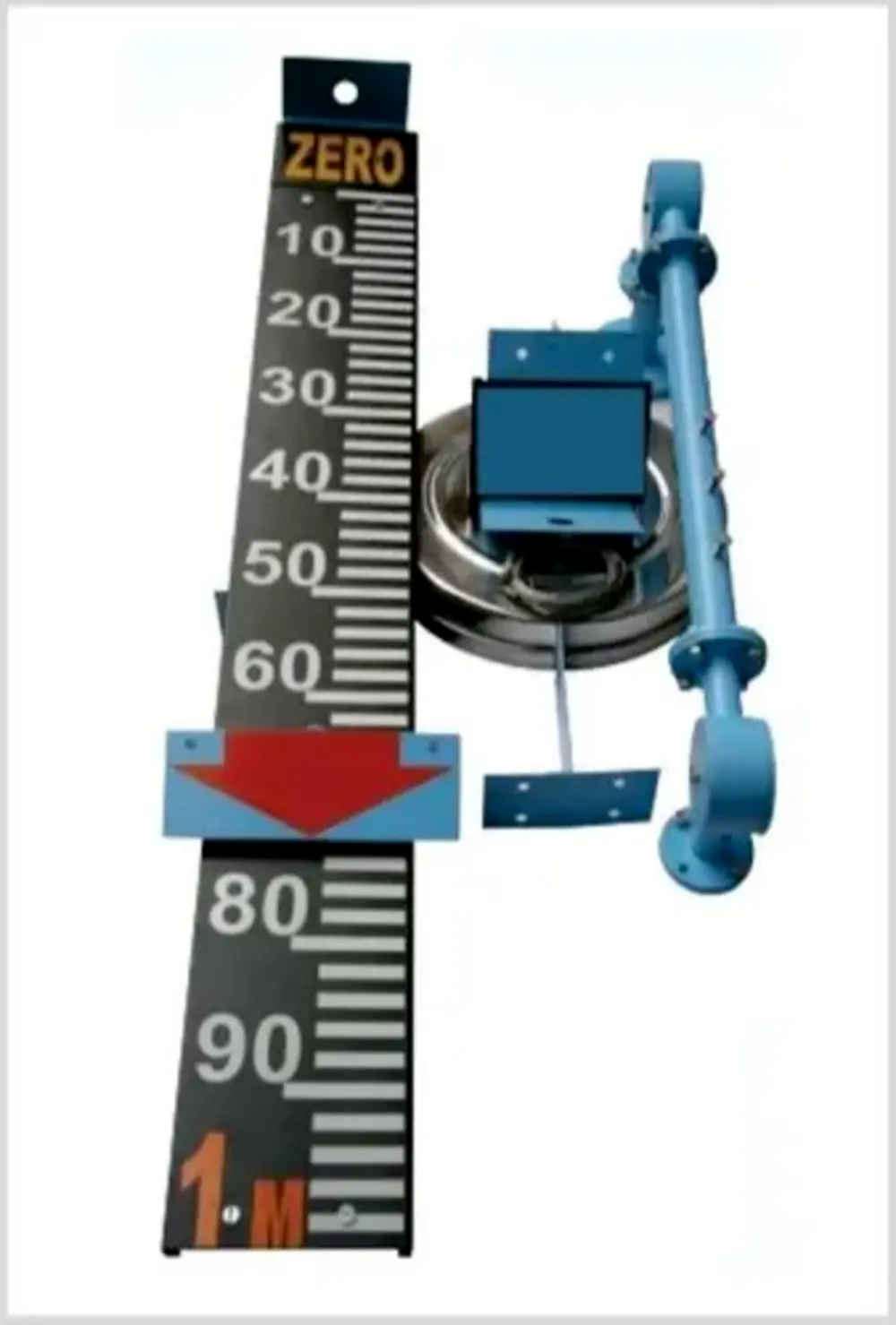 | Level Indicator The Float & Board Level Indicators consists of a float connected to a pointerthrough a rope via a set of pulleys. View product → |