Water, acids and salt solutions can complete an electrical sensing circuit, while oils, fuels and solvents cannot; viscosity adds a separate risk by slowing floats, coating probes and distorting pressure readings. By matching conductivity, dielectric behaviour, viscosity, buildup and required measurement type to the sensor technology, you can narrow the choice to a reliable continuous transmitter or point-level switch.
Key takeaways
- Use electrode probes for conductive liquids when you need point-level alarms.
- Choose capacitance sensors for non-conductive liquids, but account for coating and dielectric changes.
- Use guided radar or non-contact radar when viscosity makes floats and probes unreliable.
- Verify conductivity, viscosity, temperature, tank material and required measurement range before choosing.
Start with the liquid: conductive, non-conductive or both
Conductive liquids—water, wastewater, acids, alkalis and salt solutions—carry current between an electrode and a reference electrode or tank wall. A level sensor for conductive liquids based on this principle is usually a point-level device for pump protection, high-level alarms or overfill shutdown, not continuous measurement.
Oils, fuels, solvents and other hydrocarbons are non-conductive, so a level sensor for non conductive liquids must use capacitance, RF admittance, radar, guided-wave radar or ultrasound instead of a simple probe.
Capacitance sensing detects the changing electrical field around a probe as the liquid replaces air. The liquid’s dielectric constant, the probe, and the tank wall or reference electrode determine the measured capacitance; a low-dielectric hydrocarbon gives less margin than water.
- Ask for the liquid’s dielectric constant across its operating temperature range and its conductivity in microsiemens per centimetre before approving a capacitance sensor.
- Check composition, moisture and temperature changes because each can shift the apparent level.
- Treat probe coating as a measurement fault: buildup adds capacitance and can create a false high-level signal.
- Specify AC excitation for conductive probes; steady DC encourages electrolysis, electrode polarization and corrosion.
| Option | Main limitation | Choose it when |
|---|---|---|
| Ultrasonic | Foam, vapour, condensation, agitation and irregular surfaces weaken the echo | The viscous liquid has a stable acoustic surface and non-contact measurement matters |
| Radar or guided-wave radar | Higher installation and configuration demands | Vapour, foam or changing temperature makes ultrasound unreliable |
| Hydrostatic | A 10% density change creates about a 10% level error; viscous solids can plug taps | Density stays fixed and pressure connections remain clear |
How capacitance detects level—and when the reading shifts
Capacitance detects level from the change in electrical capacitance around a probe. The probe and a tank wall or reference electrode form a capacitor; when liquid replaces air, the dielectric constant changes and the instrument interprets that change as level. A larger difference between the liquid’s dielectric constant and air gives more measurement margin.
Collect these details before choosing a capacitance instrument:
- Measure or obtain the liquid’s dielectric constant at its operating temperature. Ask the supplier for the instrument’s minimum dielectric constant and sensitivity; many hydrocarbons provide less margin than water.
- Record conductivity in siemens per metre, or the units used on the liquid test report, across the expected composition and temperature range. This determines whether a conductive liquid level sensor based on electrode conductivity is an alternative, and whether a level sensor for non conductive liquids needs capacitance, RF-admittance, radar or another method.
- Document temperature, water content, concentration, additives and batch variation. Composition, moisture and temperature changes alter the dielectric response and can shift the apparent level.
- Describe viscosity, coating tendency, foam, agitation and vapour. A coating on the probe adds capacitance and can create a false high-level indication; heavy, changing deposits can exceed compensation.
- Provide tank material, grounding, probe length, mounting nozzle, reference electrode or tank-wall path, and the required measuring range. A poor return path or unsuitable geometry can make a good instrument read inconsistently.
If several discrete heights are required, compare a capacitance transmitter with separate point switches before specifying one continuous device.
Why viscosity changes the behaviour of floats, probes and switches
Viscosity slows a float’s response and increases drag against its guide tube or chamber. A rising level can therefore move the liquid before the float moves, while a falling level can leave the float suspended in a coating. Density changes add error when a displacer depends on buoyancy.
Expect these failure patterns:
- Syrup and molasses cling to a float, stem or chamber wall, causing delayed movement and a false low or high reading.
- Resin can cure on a probe or switch, permanently changing its wetting behaviour and creating a false level signal.
- Grease coats mechanical linkages and narrow openings, so a switch may remain actuated after the level falls.
- Sludge settles around a float or plugs a stilling chamber, preventing the instrument from seeing the actual surface.
- Heavy oil increases mechanical drag and can form a thick film that masks level changes.
Choose a level sensor for viscous liquids with no immersed moving parts when continuous measurement matters. Non-contact radar avoids float drag and is largely unaffected by viscosity, but antenna buildup, foam and false echoes from tank internals still require checking.
Ultrasonic measurement can work when the surface returns a stable acoustic echo; vapor, condensation, agitation and an irregular surface can defeat it.
A conductive liquid level sensor suits discrete control only when the product makes reliable electrical contact. Use AC excitation rather than steady DC, which promotes electrode polarization, electrolysis and corrosion. Sticky coatings can bridge probes or insulate them, so inspect probe buildup during maintenance.
Choose the measurement method for a viscous process
Choose the measurement method for a viscous process by deciding whether you need continuous measurement or alarm points, then matching the sensor to coating, density, foam and agitation.
| Option | Choose when | Expect failure mode |
|---|---|---|
| Float or displacer | You need a simple buoyancy-based reading and the liquid level changes slowly | Viscosity creates drag; buildup, density changes, chamber plugging or worn linkages make the reading lag or stick |
| Capacitance | You need a level sensor for conductive liquids or a level sensor for non conductive liquids, and the product’s electrical properties are stable | Coating changes the probe’s apparent capacitance and causes drift, false level or loss of calibration |
| Hydrostatic | The tank is vented and liquid density remains stable | A density change appears as a level change; plugged impulse lines and pressure bubbles create error |
| Ultrasonic | You need non-contact measurement and the surface gives a strong, stable acoustic echo | Foam, vapor, condensation, temperature gradients or an absorbent, irregular surface weakens or scatters the echo |
| Radar | You need continuous measurement in a sticky liquid without immersed moving parts | Antenna buildup, heavy foam, false echoes from nozzles or internals, and a poorly defined surface corrupt the reading |
| Guided-wave radar | You need a guided signal through vapor or a confined tank, with a probe that the product can tolerate | Coating, bridging or a thick deposit attenuates the signal and shifts the apparent interface |
| Point-level switch | You need a high, low or overfill alarm at a defined height | Viscosity, coating, crystallisation or entrained solids can hold a float or damp a vibrating fork in the alarm state |
For several conductive set points, probes are economical. For a coating-prone non-conductive product, radar with independent high-high protection usually reduces maintenance points.
Turn the comparison into a specification you can verify
Before ordering, turn the comparison into a written, application-specific specification and ask the supplier to confirm every value.
1. State whether you need continuous measurement or a point alarm. A conductive electrode level sensor for conductive liquids normally detects a high or low point; it does not inherently provide a continuous reading.
2. Provide conductivity at the actual operating temperature, liquid concentration, pH and chemical composition. Ask whether the probe uses AC excitation, which limits electrolysis and electrode polarization, and specify the wetted electrode material.
3. Give viscosity in mPa·s at the minimum, normal and maximum temperatures, plus density, solids content and aeration. For a level sensor for viscous liquids, require the supplier’s maximum viscosity, response time and coating limit in writing.
4. Confirm process temperature, pressure, tank material, nozzle size, insertion length, cleaning method and whether the liquid level changes rapidly.
5. If the proposal uses a fork, float or displacer, ask for application limits covering viscosity, density, buildup and chamber plugging. For ultrasonic equipment, request evidence of a stable echo with the actual foam, vapour, condensation and agitation.
6. Ask for a compatibility statement covering the probe, seal, diaphragm and process connection.
If you compare a proposal from Filpro Sensors Pvt Ltd, require the quotation to identify whether its recommended instrument is continuous or point-level, and to list the tested liquid conditions behind that choice.
Related products
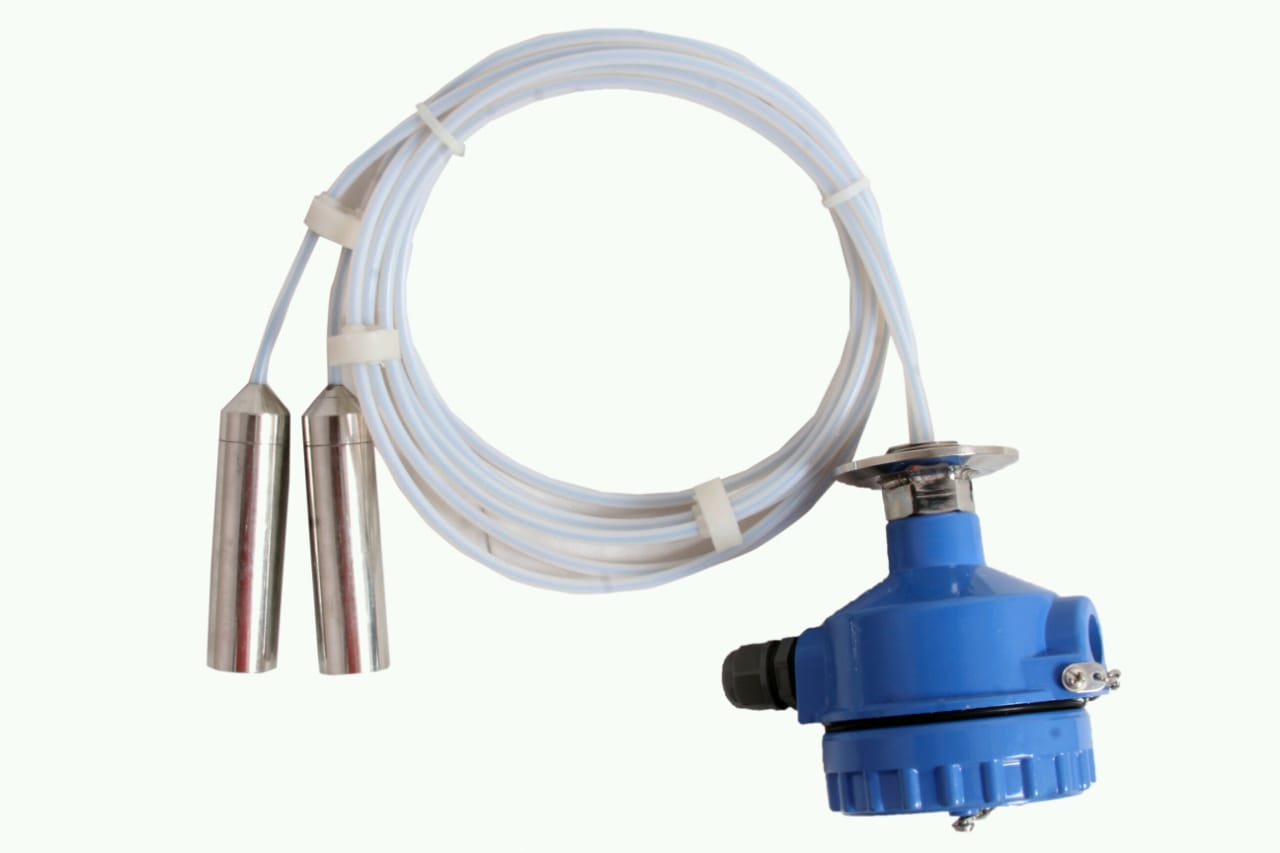 | Level Transmitter can be used for conductive as well as non conductive liquids. View product → |
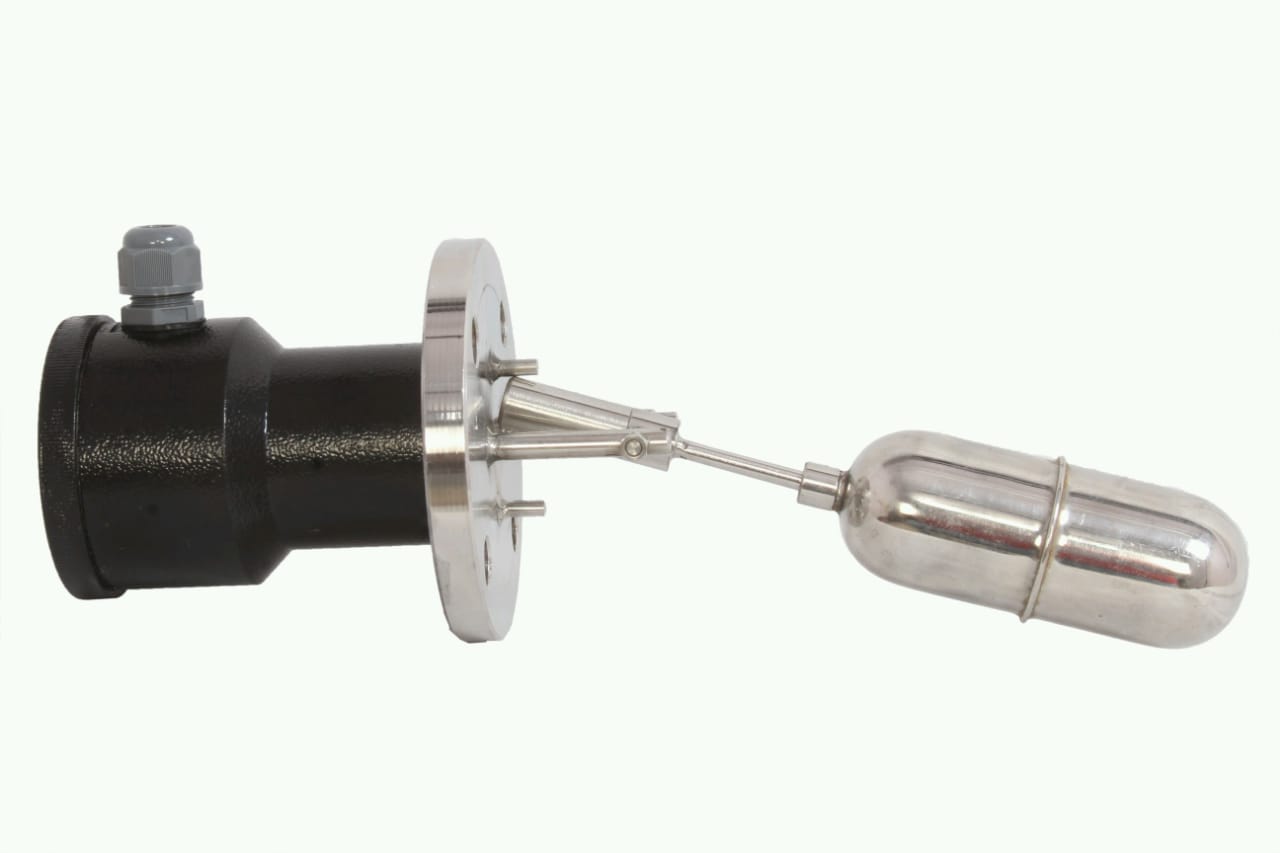 | Level Switch Filpro offers most reliable, cost effective Side Mounted Level Switch for point level sensing. View product → |
Frequently asked questions
What is the best level sensor for conductive liquids?
An electrode-based conductive liquid level sensor suits water, wastewater, acids, alkalis and salt solutions for point-level alarms, pump protection and overfill shutdown.
When should you use a level sensor for non-conductive liquids?
Use a capacitance level sensor for non-conductive liquids when you can account for dielectric constant, probe coating, tank material and changes in product composition.
How does viscosity affect level sensors?
Viscous liquids can slow or obstruct floats, coat probes and switches, and delay movement, so guided radar, non-contact radar or a carefully selected displacer may provide more dependable measurement.
What details should you verify before selecting a level sensor for viscous liquids?
Confirm the liquid’s viscosity range, temperature, conductivity, dielectric behaviour, tank geometry, coating tendency, required point or continuous measurement and process connection.
Related products
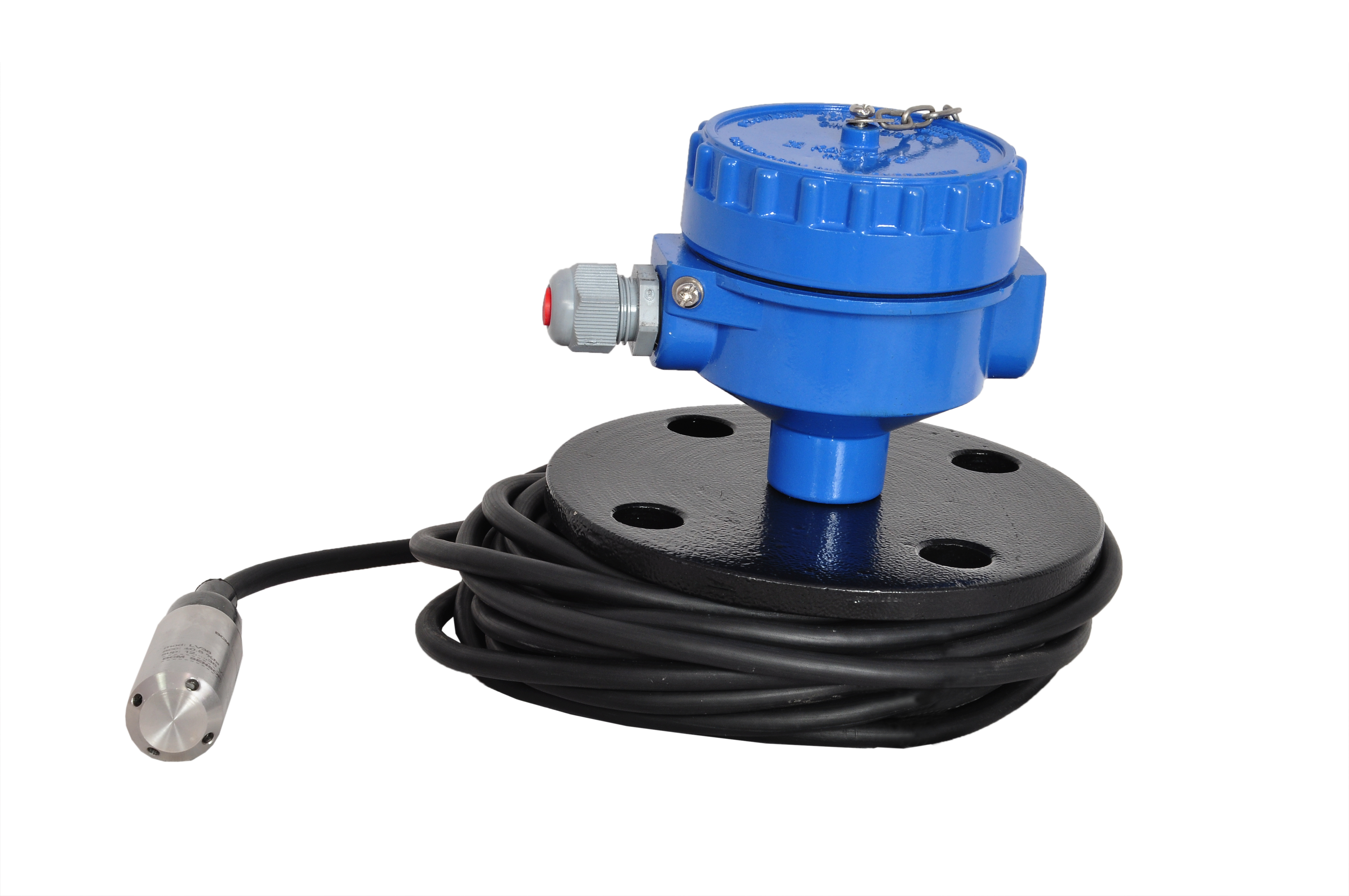 | Level Transmitter Hydrostatic liquid level transducers and transmitters with flush diaphragm is designed fora wide variety of level measurement applications. View product → |
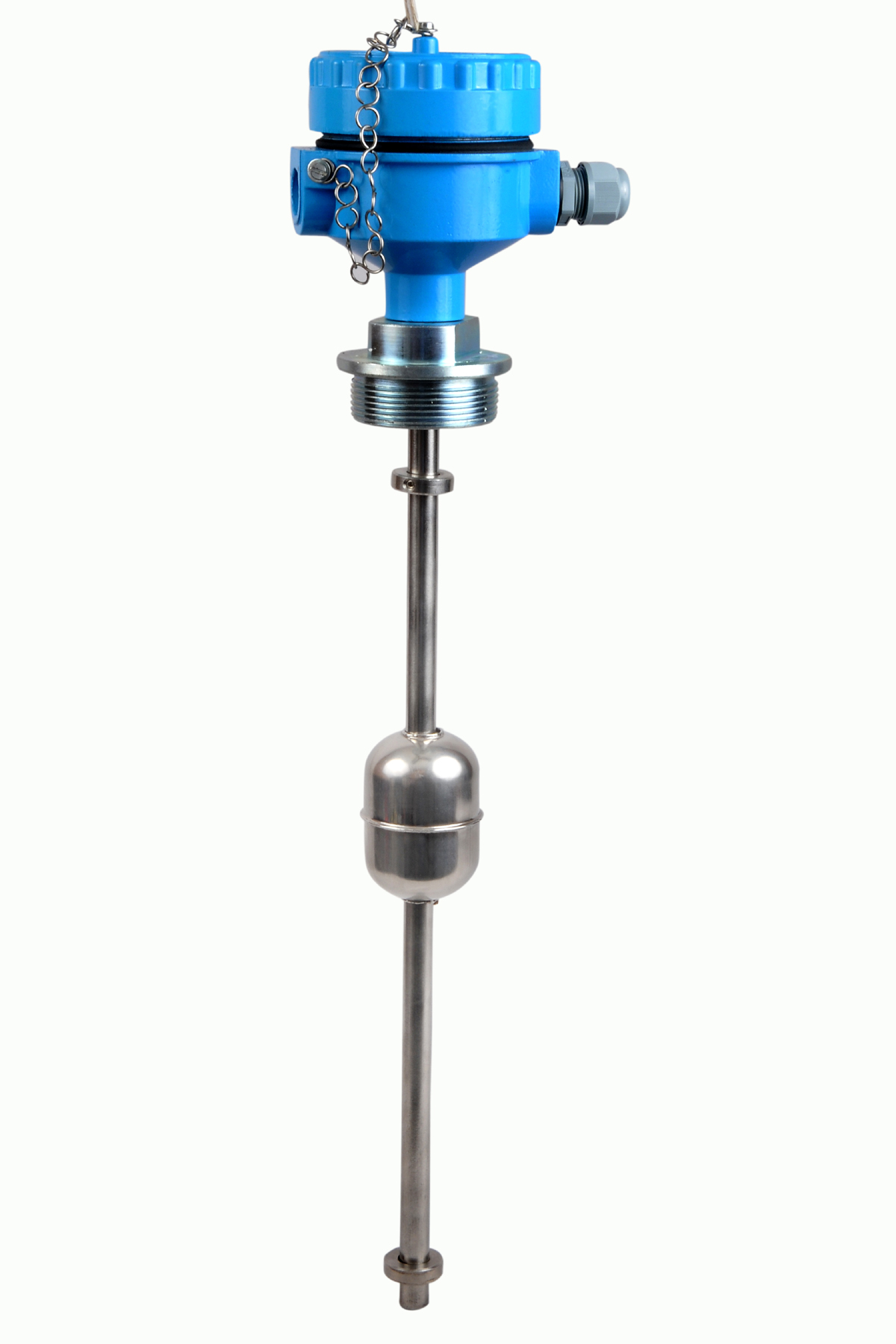 | Level Transmitter Float Level Transmitters Are Ideal For Continuous Level Monitoring In Water, Diesel, Chemical And Oils For Accurate Level Measurement. View product → |
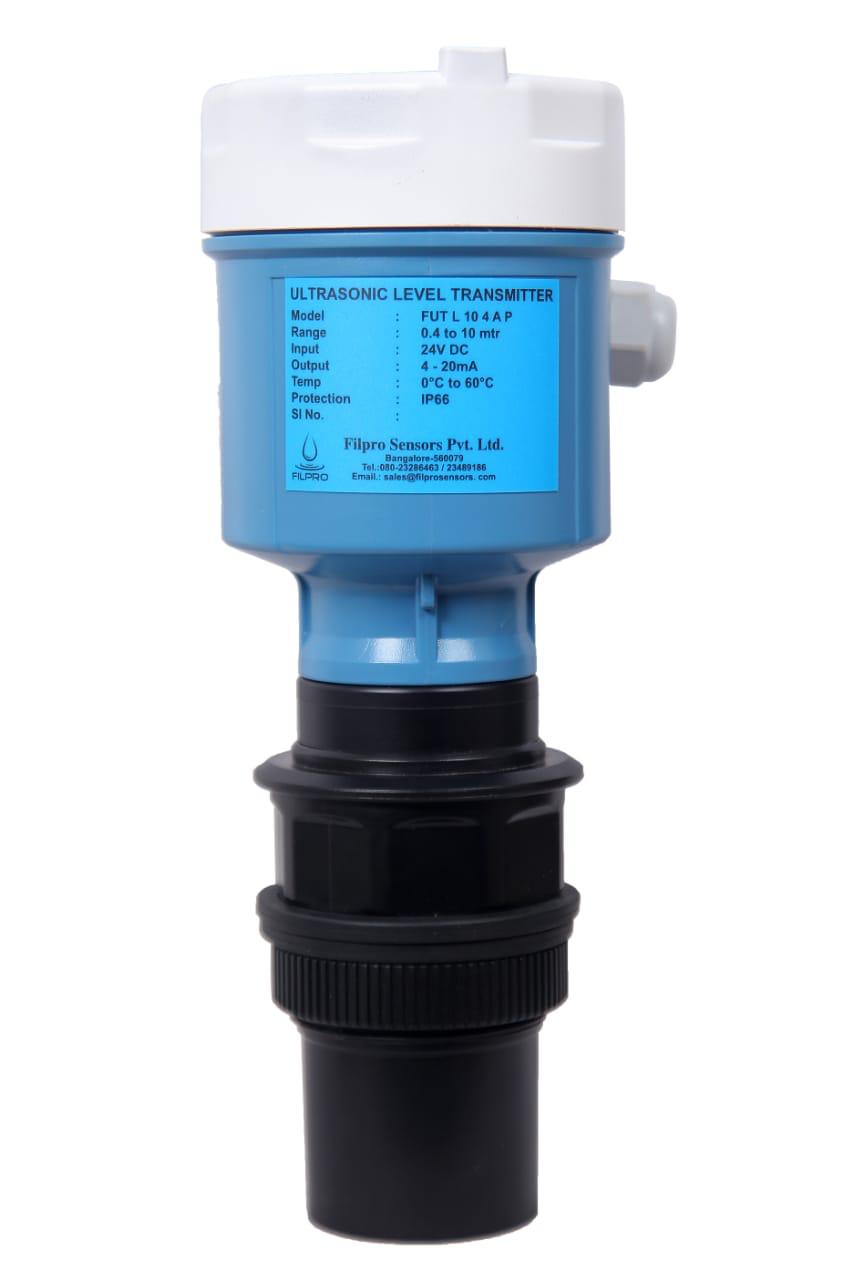 | Level Transmitter Ultrasonic Level Sensor is a non-contact ultrasonic continuous level measurement product based on sound technology. View product → |
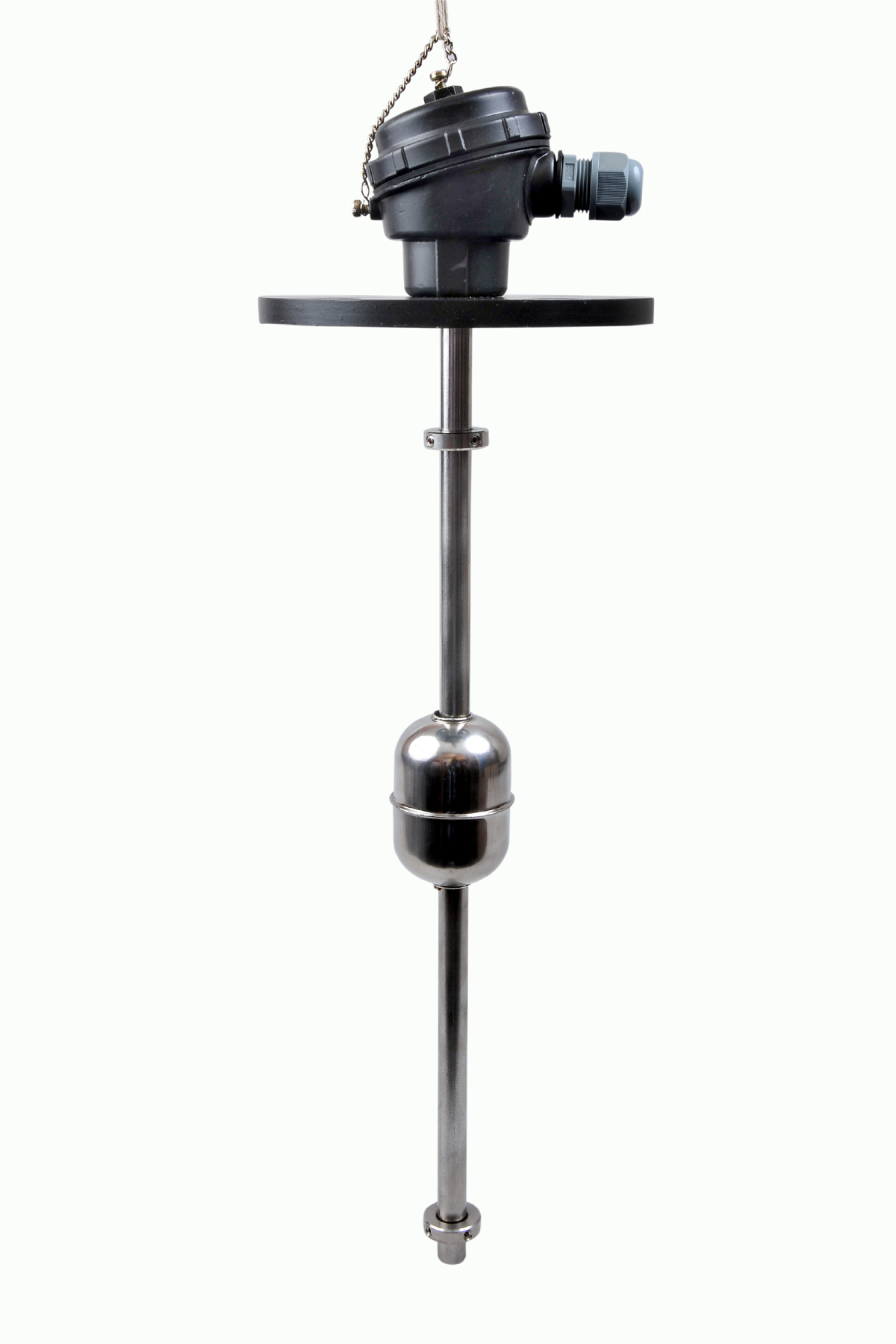 | Level Switch The Magnetic Level Switch consists of the non-abrasive float carrying permanent magnet and non-ferrous stem carrying one. View product → |