Start with the tank’s height, pressure, liquid condition and control purpose—not with the transmitter technology. By the end, you will be able to define the measuring range, compare float, hydrostatic, ultrasonic, radar and capacitance options, and specify the installation details that prevent false readings and premature failure.
Key takeaways
- Choose a 4–20 mA transmitter for continuous level and pump control.
- Check liquid properties, tank geometry and obstructions before selecting technology.
- Specify the measuring range from the true reference point, not the tank shell.
- Select wastewater-compatible materials and plan for foam, solids and buildup.
Define the measurement before comparing transmitter types
Before choosing a level transmitter for water tanks, decide whether you need a continuous level value or only a point-level alarm. A side-mounted level switch changes state at one or more fixed points; it cannot replace a 4–20 mA transmitter when you need live level for display, pump control or inventory.
Record these facts:
- Tank maximum height, normal operating band, desired accuracy, liquid temperature, density, pressure, mounting location and process connection.
- Intended zero datum, usable liquid volume, lowest pump-protection level and high-high overflow level.
- Tank geometry: vertical cylinder, underground tank, narrow chamber or dished vessel.
- Internal pipes, ladders, heating coils and agitators.
- For drinking-water storage, wetted materials and potable-water documentation.
| Requirement | Measurement | Suitable device |
|---|---|---|
| Continuous level | Live value across the tank range | 4–20 mA level transmitter |
| Point alarm | Fixed state at a set level | Side-mounted level switch |
For an open, vented tank, hydrostatic measurement uses h = P/(ρg); 1 m of fresh water at 4 °C produces about 9.806 kPa. Set the range from maximum liquid head, including the high-high condition, not the normal band alone.
A pressurised tank normally needs differential pressure, because a gauge transmitter interprets vapor pressure as false level.
The installation can be wrong even when the transmitter meets its accuracy specification. Check for a low sensing point, dished bottom, inlet jet, obstructed beam, disturbed float or unrepresentative pump-control zone. For a vented submersible unit, protect the vented cable and hydrophobic filter from blockage and condensation.
This data sheet is the starting point for every later comparison.
Match the technology to the liquid and tank geometry
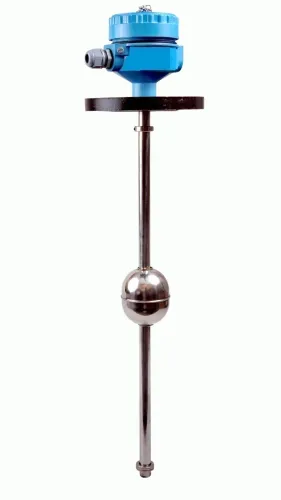
For a level transmitter for water tanks, match the principle to the liquid, surface behaviour and tank geometry. Clean water and relatively calm rainwater suit a float transmitter when the float has room to travel and its guide cannot snag. Treated water also suits hydrostatic, ultrasonic or radar measurement after checking installation conditions.
| Option | Best fit | Main limitation |
|---|---|---|
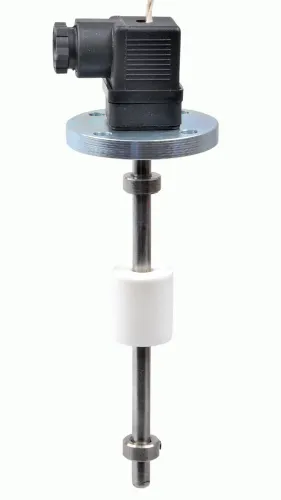
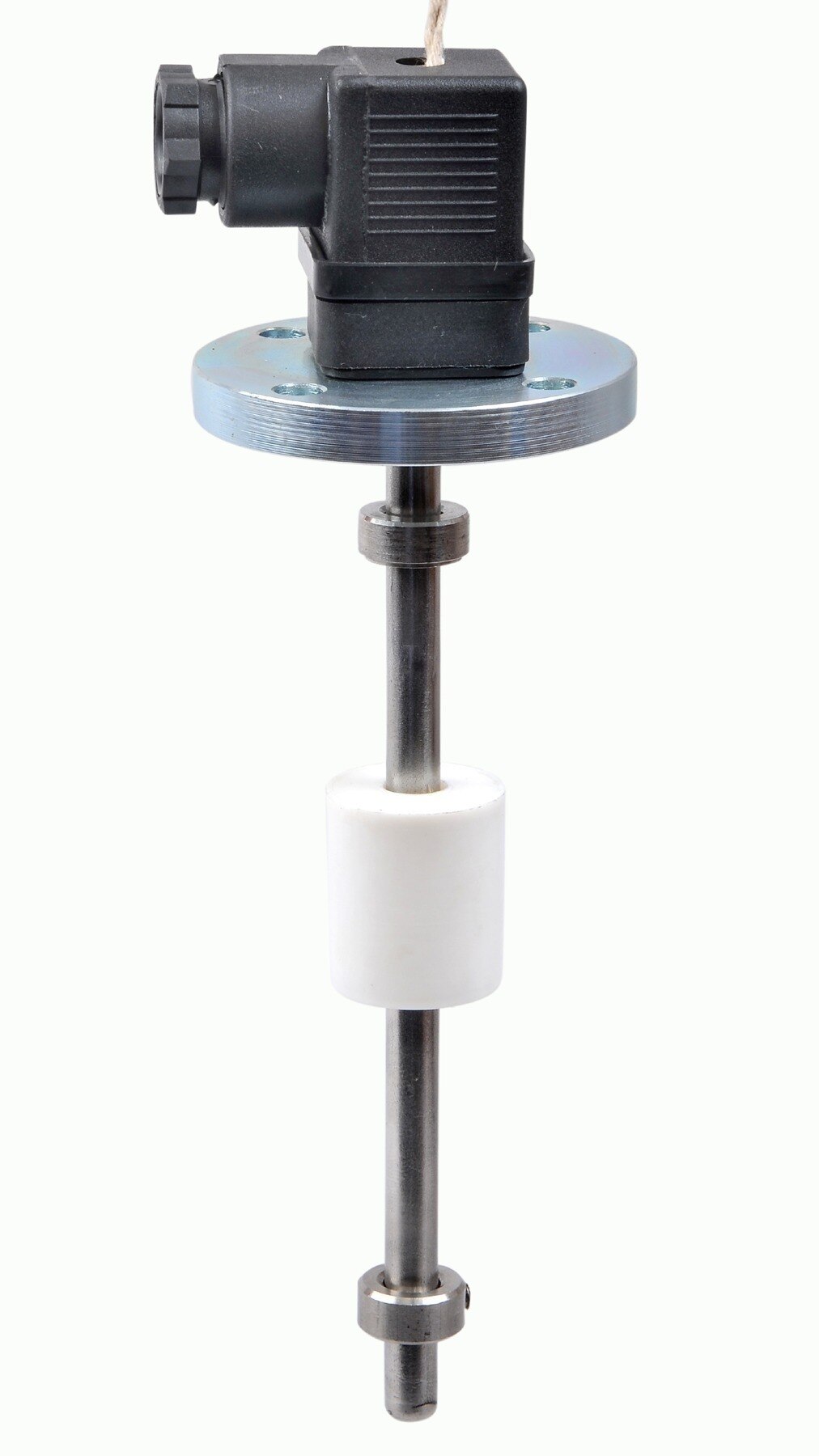
| Float | Clean, calm water in tanks with accessible guides | Turbulence, fouling or a restricted guide can jam the float |
| Hydrostatic | Open, vented tanks containing water of known density | Install the sensor at the correct lowest measuring point; changing density creates level error |
| Ultrasonic | Open tanks where non-contact measurement is useful | Keep a clear acoustic path, sufficient distance below the dead zone, and avoid inlet jets, mixers, foam and strong vapour gradients |
| Radar | Closed tanks, vapour, temperature variation and difficult surfaces | Check foam, condensation, obstructions and multiple echoes |
| Capacitance | Liquids with stable dielectric properties | Coating on the probe or changing composition shifts the reading |
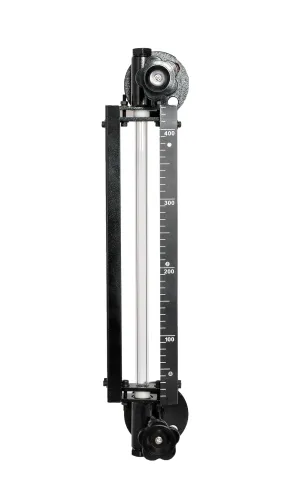
Borewell water needs a solids and sediment check before you choose a float, stilling well or submersible sensor. A stilling well calms turbulence for float, ultrasonic or radar instruments, but wastewater solids and grease can collect inside it; provide large, representative connections and a cleaning method.
For a level transmitter for wastewater tanks, select for surface foam, floating matter and solids rather than accuracy alone. A bubbler keeps hardware out of corrosive liquid, but lost purge air, a blocked tube, condensate or unstable airflow can create level error.
Set the range, reference point and signal correctly
1. Set the measuring range from the maximum liquid head at the sensing point, including the high-high level or overfill trip. Do not size it only around the normal operating band: repeated overrange can saturate the output or stress the diaphragm. Keep measuring range, accuracy, repeatability, overpressure rating and proof pressure as separate specifications.
2. Define the zero reference in writing. State whether 0% is the tank bottom, transmitter diaphragm, radar reference plane or another process datum. Subtract the sensor dead zone, unusable bottom volume and any section below a pump intake that cannot represent the controlled level. Then leave enough overfill margin inside the configured span.
3. For an open tank, calculate hydrostatic level with h = P/(ρg). One metre of fresh water at 4 °C produces about 9.806 kPa, but calibrate for the actual density and maximum head.
A gauge transmitter suits an open tank; a closed or pressurised tank normally needs differential pressure, with the high side on the liquid and the low side on the vapour space. A gauge unit there can read vapour pressure as false level.
4. Specify the signal and installation together. For an industrial level transmitter for water tanks, 4–20 mA with HART is usually more robust than voltage output over long cable runs. Calculate cable resistance, startup voltage, 24 V supply margin, barriers and surge protection together.
Confirm the flange, threaded or sanitary connection, insertion length, mounting position and enclosure location before ordering.
Choose differently when the tank contains wastewater
Choose a level transmitter for wastewater tanks around the fouling problem, not accuracy alone. Ragging, grease, grit, biological growth and settled sludge can block a small pressure port or coat a diaphragm before the electronics fail. Compare the sensing arrangement with your actual solids load and cleaning method.
| Option | Main exposure | When it fits |
|---|---|---|
| Flush diaphragm | Fouling reaches the sensing face but is easier to wash away | Sludge, grease or fibrous solids require regular cleaning |
| Protective cage | Shields the diaphragm from impact and large debris | Tanks with ragging, grit or floating material |
| Remote diaphragm seal | Moves the transmitter away from corrosive or dirty process connections | Aggressive chemicals or difficult access |
| Bubbler | Keeps the transmitter out of the liquid; the purge-tube tip contacts wastewater | Corrosive service, provided air supply and tube cleaning are reliable |
| Non-contact radar | Avoids submerged fouling and sound-speed errors | Foam, vapour or temperature gradients make ultrasonic measurement unreliable |
Hydrostatic measurement becomes a poor fit when the diaphragm plugs, density changes substantially, pressure surges occur, the sensor cannot reach the lowest measuring point, or a submerged cable could be damaged.
A vented submersible model also needs an open vent path: a blocked hydrophobic filter, condensation in the vent tube or submerged cable end creates a drifting zero.
Radar still needs protection from heavy foam, floating mats, antenna condensation and false echoes. If you use a stilling chamber, provide cleaning access and large, representative connections; trapped sludge can make its level differ from the tank. Check the diaphragm alloy, elastomers, cable jacket and process connection against hydrogen sulfide, chlorides and caustic wash.
IP68 alone proves none of those chemical, burial or pressure capabilities.
Turn the selection into a safe procurement specification
A safe quotation for a level transmitter for water tanks starts with a drawing, not a model number. Ask for the sensing point, zero and span, dead zone, beam clearance, connection size, cable route and access for cleaning.
- Request the exact accuracy basis, density range, temperature range, measuring range, overpressure rating and proof pressure.
- Request output behaviour on power loss, sensor fault, blocked path and configured overrange; also record ingress-test conditions and every wetted part, including elastomers, diaphragm, cable jacket and process connection.
- For a level transmitter for wastewater tanks, demand chemical-compatibility evidence for the liquid and cleaning chemicals. IP66 or IP68 describes specified ingress tests, not resistance to hydrogen sulfide, permanent burial or cleaning agents.
- Add independent high-high and low-low switches, or an independently certified level device where the risk assessment requires it. Do not use one continuous transmitter as the sole overflow or dry-run safeguard.
- Give suppliers such as Filpro Sensors Pvt Ltd the completed tank data sheet and ask which model-specific options fit its boundaries, rather than accepting an unqualified menu of outputs and materials.
| Application | Evidence to verify | Common wrong assumption |
|---|---|---|
| Potable water | NSF/ANSI/CAN 61 materials and health-effects listing | NSF/ANSI/CAN 60 covers treatment chemicals, not transmitter accuracy or automatic NSF 61 compliance |
| Wastewater | Compatibility data for wastewater and cleaning chemicals | IP68 is a chemical certificate |
| Commissioning | Known measured level, configured range, loop value, alarm setpoints and maintenance interval | A factory accuracy figure proves the installed measurement is correct |
Related products
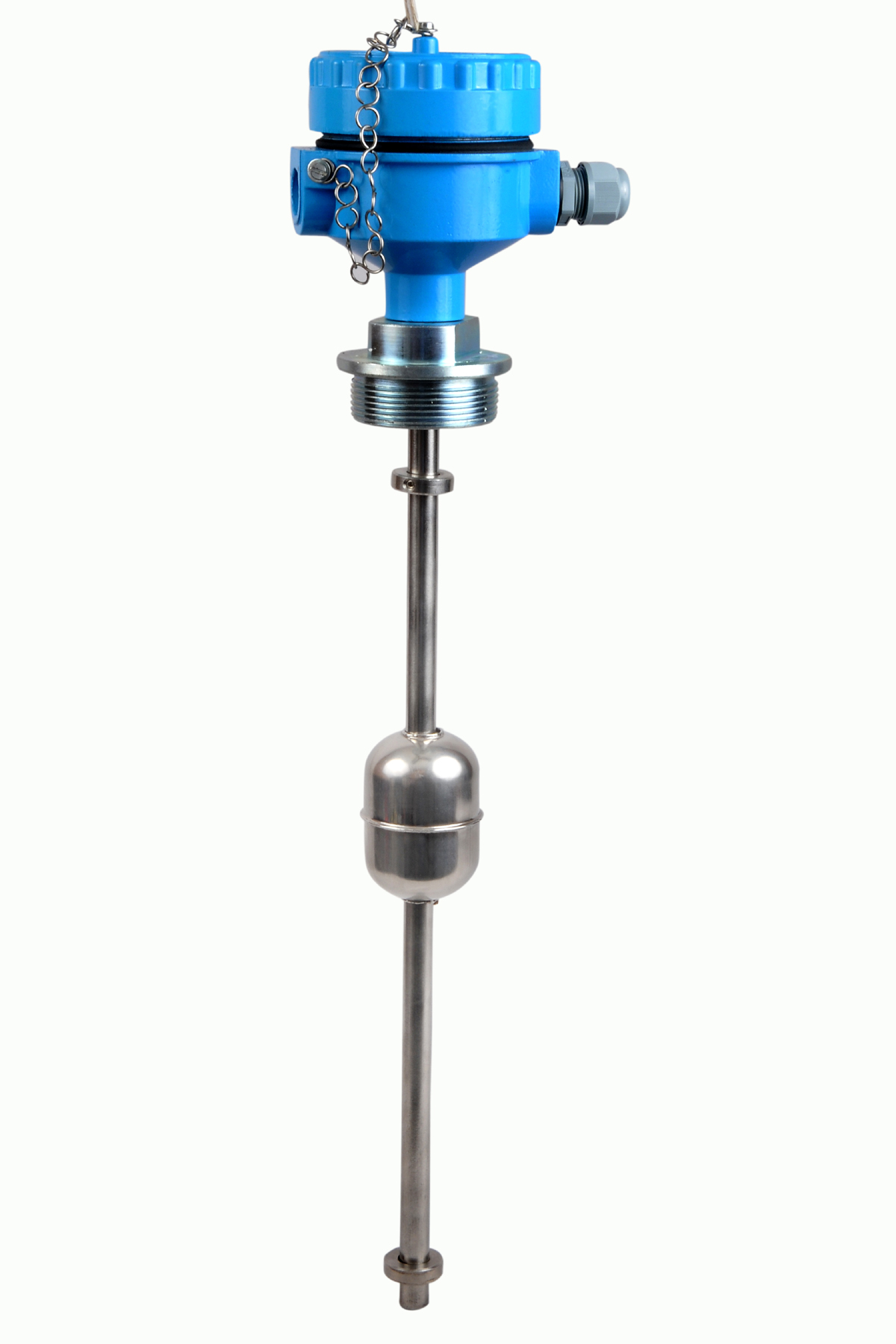 | Level Transmitter Float Level Transmitters Are Ideal For Continuous Level Monitoring In Water, Diesel, Chemical And Oils For Accurate Level Measurement. View product → |
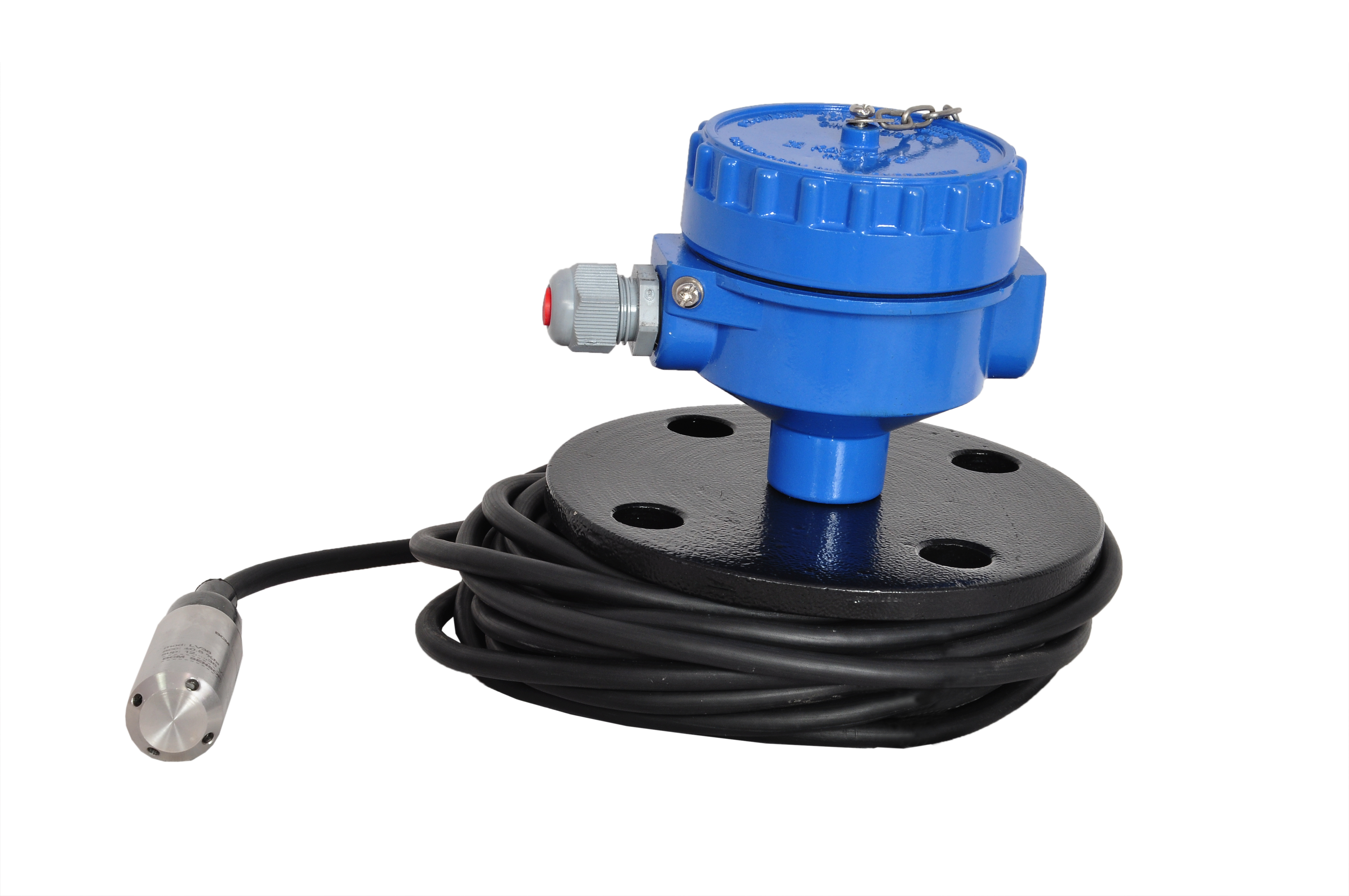 | Level Transmitter Hydrostatic liquid level transducers and transmitters with flush diaphragm is designed fora wide variety of level measurement applications. View product → |
Frequently asked questions
Do I need a level transmitter or a level switch for a water tank?
Use a transmitter when you need continuous level data for display, inventory or pump control. Use a level switch for one or more fixed-point alarms.
Which level transmitter technology suits a water tank?
Match the technology to water quality, tank geometry, mounting position, vapour, foam, turbulence and internal obstructions.
How should I specify the range and signal?
State the lowest and highest measurable levels, the reference point, the process connection, and the required output such as 4–20 mA.
What changes when choosing a level transmitter for wastewater tanks?
Account for suspended solids, grease, foam, corrosive gases, buildup and cleaning access. Confirm wetted materials and installation details.
Related products
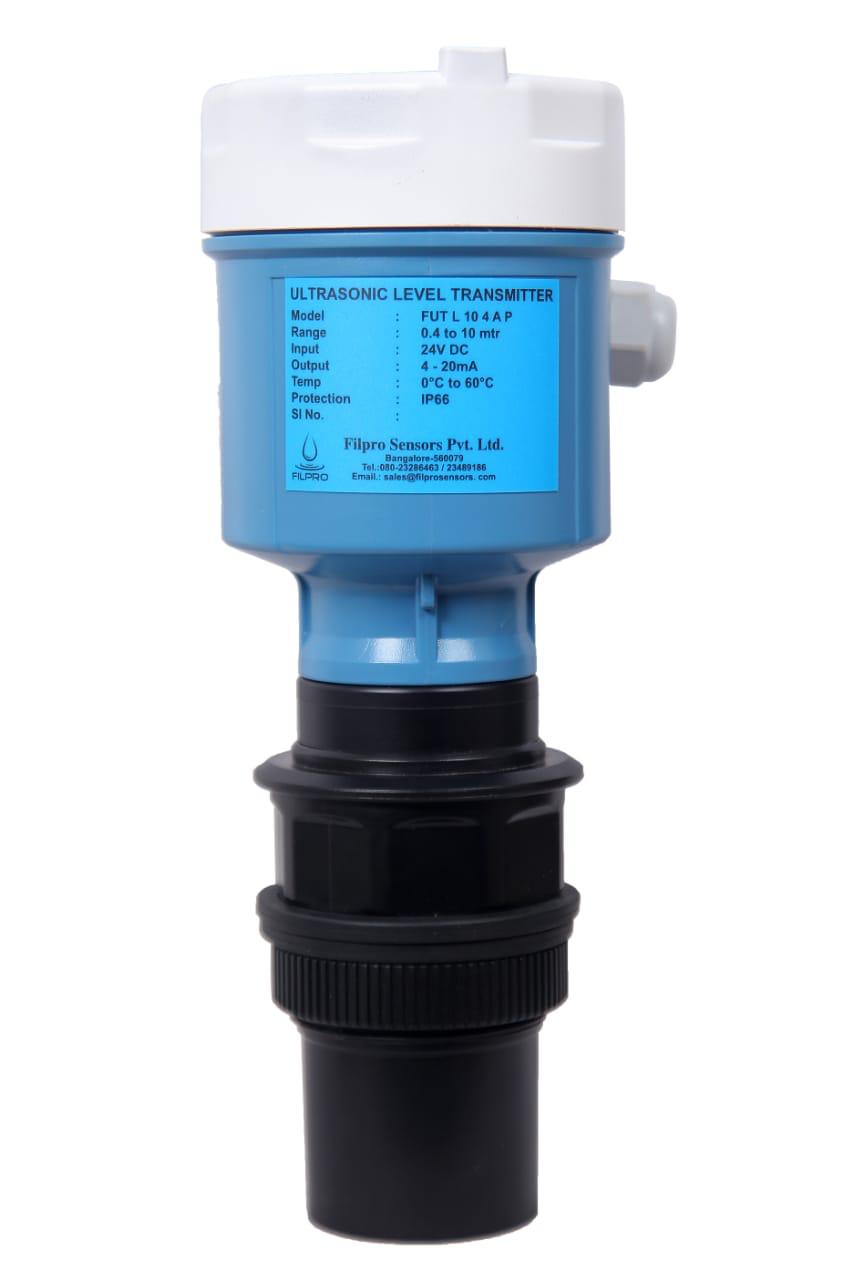 | Level Transmitter Ultrasonic Level Sensor is a non-contact ultrasonic continuous level measurement product based on sound technology. View product → |
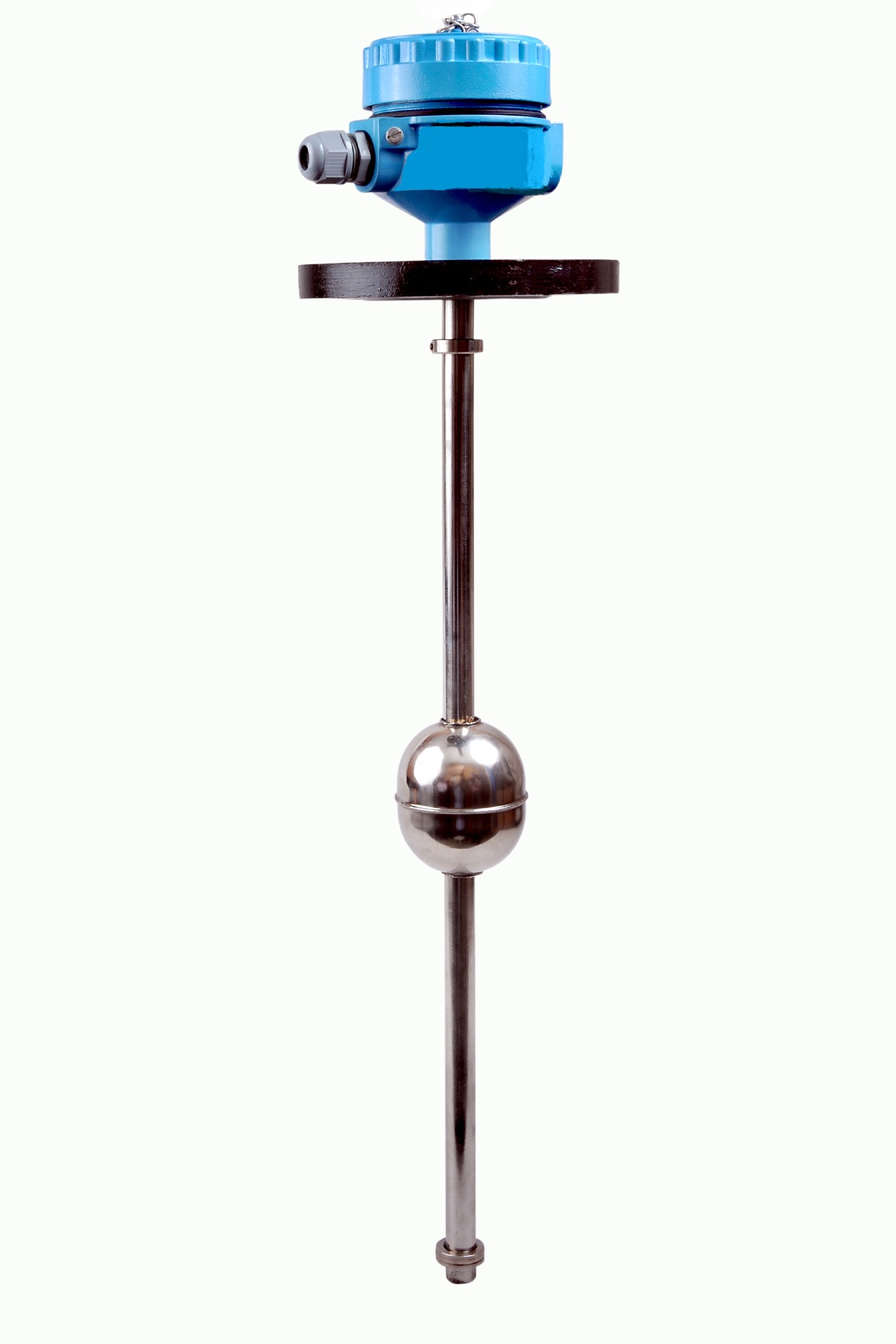 | Level Sensor Atex approved Float Level Transmitter : Over All Length: 300mm to 5000mm Input: 16V DC to 30V DC Output: 4-20mA / 0-10V DC Resolution: 5mm / 10mm... View product → |
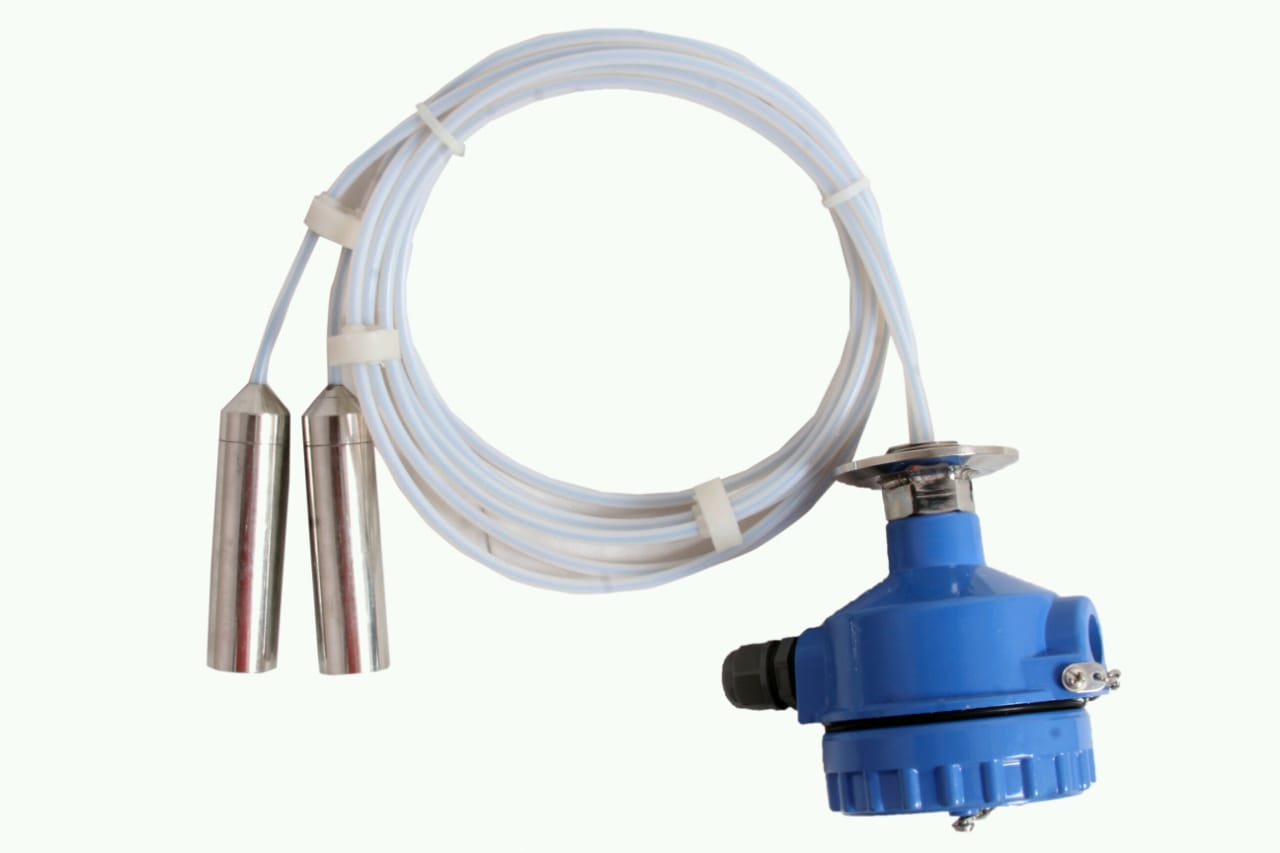 | Level Transmitter can be used for conductive as well as non conductive liquids. View product → |
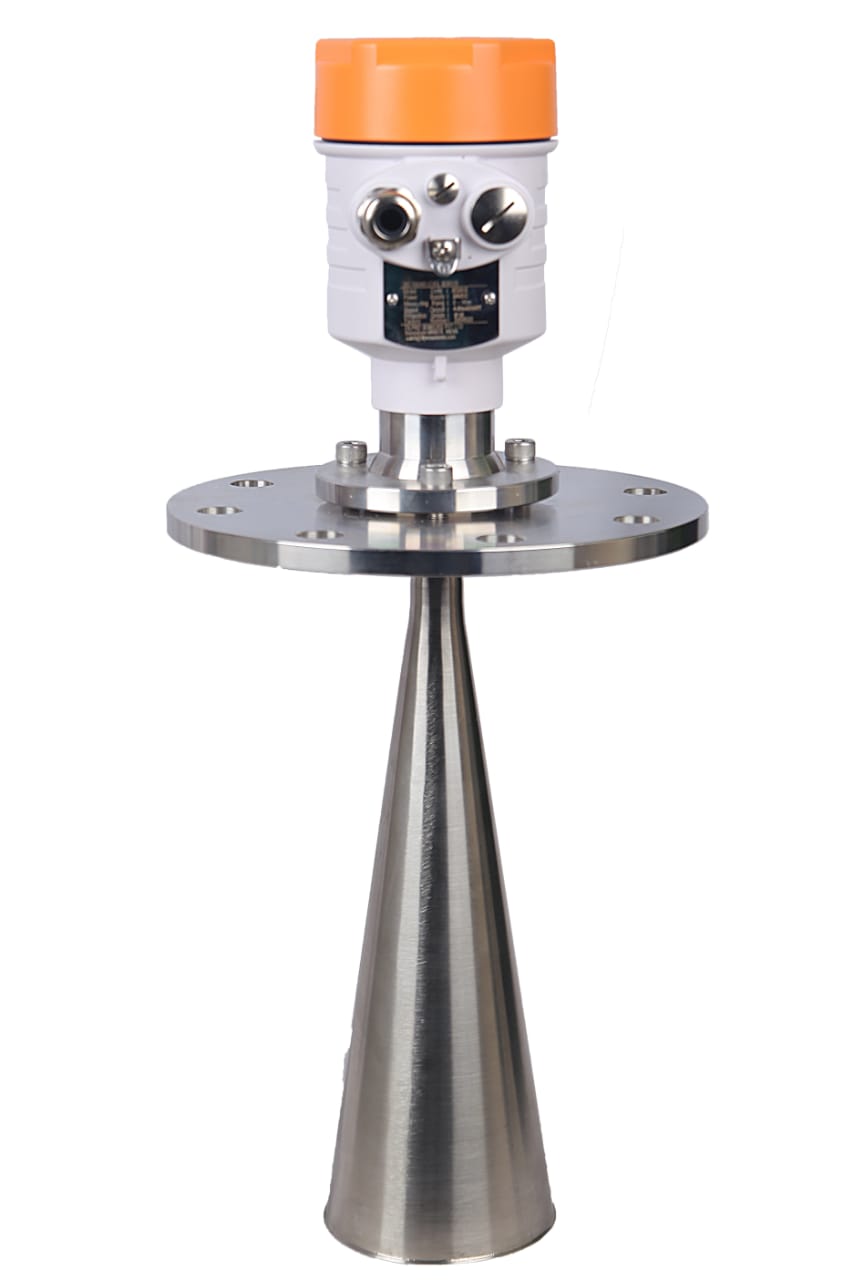 | Level Transmitter FILPRO offers professional Radar Level Transmitter. Our radar level transmitter uses radar to continuously measure non-contact liquid level, the... View product → |