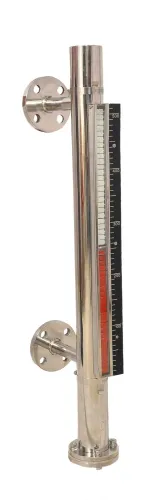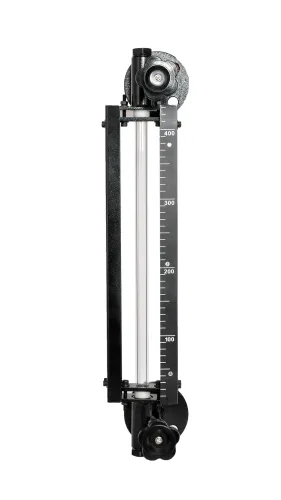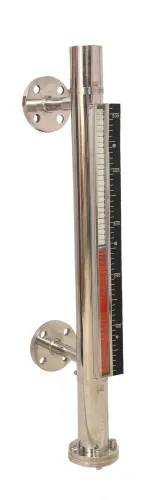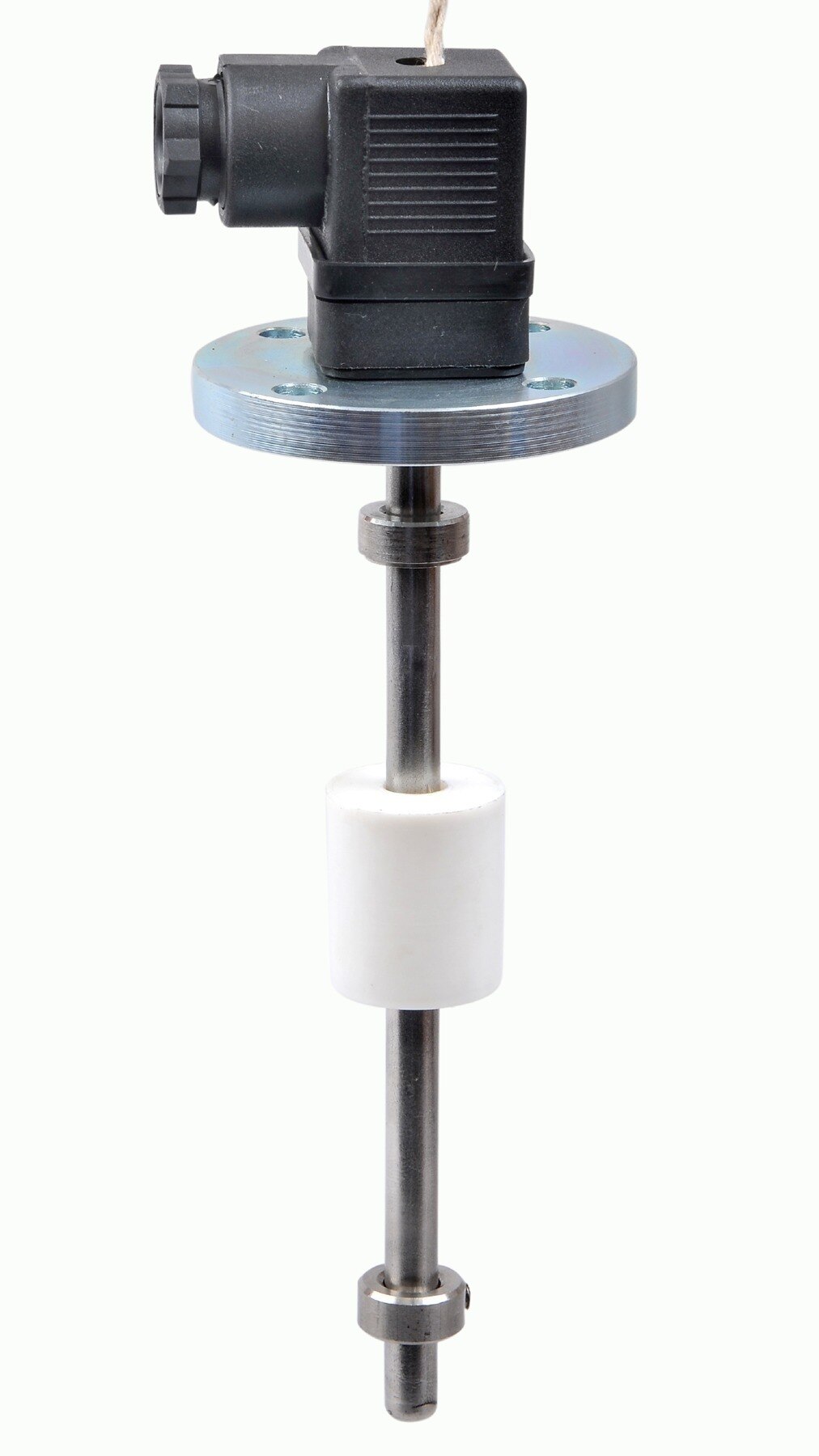
A liquid at 180°C can be within a probe’s process rating while the transmitter electronics overheat through the nozzle, flange or tank wall. You will be able to define the complete thermal and pressure envelope, compare radar, capacitance, hydrostatic, float and ultrasonic measurement, and reject proposals that ignore vapour, density, materials or installation heat paths.
Key takeaways
- Define temperature at the sensor, process connection, electronics, and mounting point.
- Record vapour, foam, pressure, chemistry, range, and temperature during normal and upset conditions.
- Compare radar, ultrasonic, guided wave, differential pressure, and magnetostrictive technologies against the process.
- Verify wetted materials, seals, installation clearances, calibration records, and performance evidence.
Define high-temperature service by the whole measurement assembly
High-temperature service has no universal cutoff; it begins when the actual process heat, heat-transfer path, or radiant load approaches the limits of the measurement assembly. A high temperature level transmitter must be selected from the complete operating envelope, not from liquid temperature alone.
The rating to trust is the lowest limit in the complete assembly: wetted sensor or antenna, diaphragm seal, fill fluid, capillary, gasket, flange or thread, pressure rating, enclosure, and electronics. Compare the ratings this way:
| Rating | What it limits | What to verify |
|---|---|---|
| Process temperature rating | Heat at the probe, antenna, or diaphragm | Normal, maximum, startup, shutdown, cleaning, and short excursions |
| Ambient temperature rating | Heat at the electronics housing | Tank-neck temperature, insulation, heat tracing, radiant heat, and enclosure conditions |
| Assembly rating | The weakest component at the stated temperature and pressure | Seal materials, fill fluid, capillary, weld, gasket, and process connection |
| Temperature derating | Reduced allowable performance as temperature rises | Accuracy, pressure capability, response, and remote-mount limits |
A transmitter may survive a hot process only when electronics are remote-mounted or thermally isolated. Check nozzle length, orientation, shielding, purge arrangements, and the actual heat path; insulation or tracing can raise housing temperature, while radiant heat can bypass the process connection.
For differential-pressure instruments, also verify liquid density across the temperature range, because hydrostatic head is not geometric level.
Build the operating envelope before comparing technologies
Before comparing technologies, record the operating envelope, not just the normal liquid temperature. Capture minimum and maximum level, maximum operating temperature, startup temperature, shutdown temperature, short-duration excursions, cleaning cycles, agitation, foaming, vapour loading, tank pressure, pressure transients, and any loss or change in reference-leg conditions.
| Condition | Record | Why it changes selection |
|---|---|---|
| Process and vessel | Liquid density across the temperature range, vapour pressure, tank pressure, and pressure at startup and shutdown | A differential-pressure transmitter measures hydrostatic head; changing density creates a geometric-level error, while flashing can destabilise readings or shift a diaphragm |
| Installation | Flange or thread rating, process connection, gasket, diaphragm seal, fill fluid, capillary, probe metallurgy, insulation, and feedthrough construction | The complete wetted assembly—not the transmitter body alone—must tolerate the temperature-pressure combination |
| Heat path | Mounting-neck temperature, electronics ambient temperature, enclosure rating, and distance or thermal isolation between process and electronics | A hot process rating does not prove that the electronics can survive the surrounding temperature |
| Process state | Foam height, vapour loading, agitation, minimum level, and cleaning temperature and duration | These conditions can obscure echoes, alter head pressure, or create conditions absent from a steady-state test |
Check the maximum credible temperature against vapour pressure, not only the normal operating point. For guided-wave radar, verify the probe-to-electronics temperature path; inserting a probe into a hot vessel is not automatically a high-temperature replacement for non-contact radar. Select the rating of every component that touches the process or carries its pressure.
Compare level technologies in a hot tank
Hot liquid and vapour affect each technology differently: radar level measurement usually handles a hot vapour space better than ultrasonic level measurement, while wetted devices face direct thermal and chemical stress.
| Option | Behaviour in a hot tank | Main check |
|---|---|---|
| Non-contact radar | Measures through the vapour space without touching the liquid. Hot vapour, condensation, antenna buildup and absorption can weaken or distort the echo. | Check antenna material, process seal, flange rating, vapour composition and condensation risk. |
| Capacitance level transmitter | The probe remains exposed to liquid temperature, and the liquid’s dielectric constant changes as temperature changes. Coating can create a false level. | Confirm calibration across the temperature range and verify coating resistance. |
| Hydrostatic level transmitter | Measures pressure head, not geometric level. Thermal density changes create a level error when the transmitter assumes constant density. | Use density data across operating temperatures, or accept pressure head as the controlled variable. |
| Float | Provides a direct mechanical indication but suffers from expansion, viscosity changes, guide friction and deposits. | Check float and guide materials, clearances, pressure rating and movement at operating temperature. |
| Ultrasonic level measurement | Sound speed varies with vapour temperature, while convection, turbulence and vapour absorption reduce echo reliability. | Verify the actual vapour composition and temperature profile; compensation alone is not proof of suitability. |
Guided-wave radar is not automatically a safer hot-service substitute for non-contact radar: its probe, feedthrough and electronics-to-probe heat path set the limit. For any choice, compare the manufacturer’s complete assembly rating, not just the sensing principle.
Match the technology to vapour, foam, pressure and chemistry
Choose a high temperature level transmitter by asking what the vapour, foam, pressure and chemistry do to the measurement—not by choosing the highest temperature number on a datasheet. Use this comparison:
| Option | What it handles well | When it applies |
|---|---|---|
| Non-contact radar | Hot or corrosive liquid without a wetted probe | Choose it for clean separation from the process, but check antenna material, condensation, coating, vapour absorption, seal and flange rating. |
| Guided-wave radar | A defined measurement path through vapour space | Choose it when foam or turbulence makes surface detection difficult, only after checking probe metallurgy, insulation, feedthrough, pressure and the electronics-to-probe heat path. |
| Capacitance | Conductive or non-conductive liquids in a fixed probe geometry | Choose it when the dielectric constant is stable and coating is controlled; foam, buildup and changing chemistry can create a false level. |
| Hydrostatic with remote diaphragm seal | Pressure-head measurement in hot, plugging service | Choose it when density is known across the temperature range. Treat it as head, not true geometric level, if density changes. |
| Direct DP or impulse lines | Simple pressure-head measurement | Use it only when hot liquid stays single-phase; flashing at taps or seals causes unstable readings and diaphragm damage. |
A remote diaphragm seal protects the transmitter but adds fill-fluid expansion, unequal-capillary, zero-shift and response-delay errors. For any high temperature level transmitter, check process temperature, pressure, electronics ambient, enclosure and derating together. Ask Filpro Sensors Pvt Ltd to document those limits for the complete installed assembly, not only the sensor body.
Related products
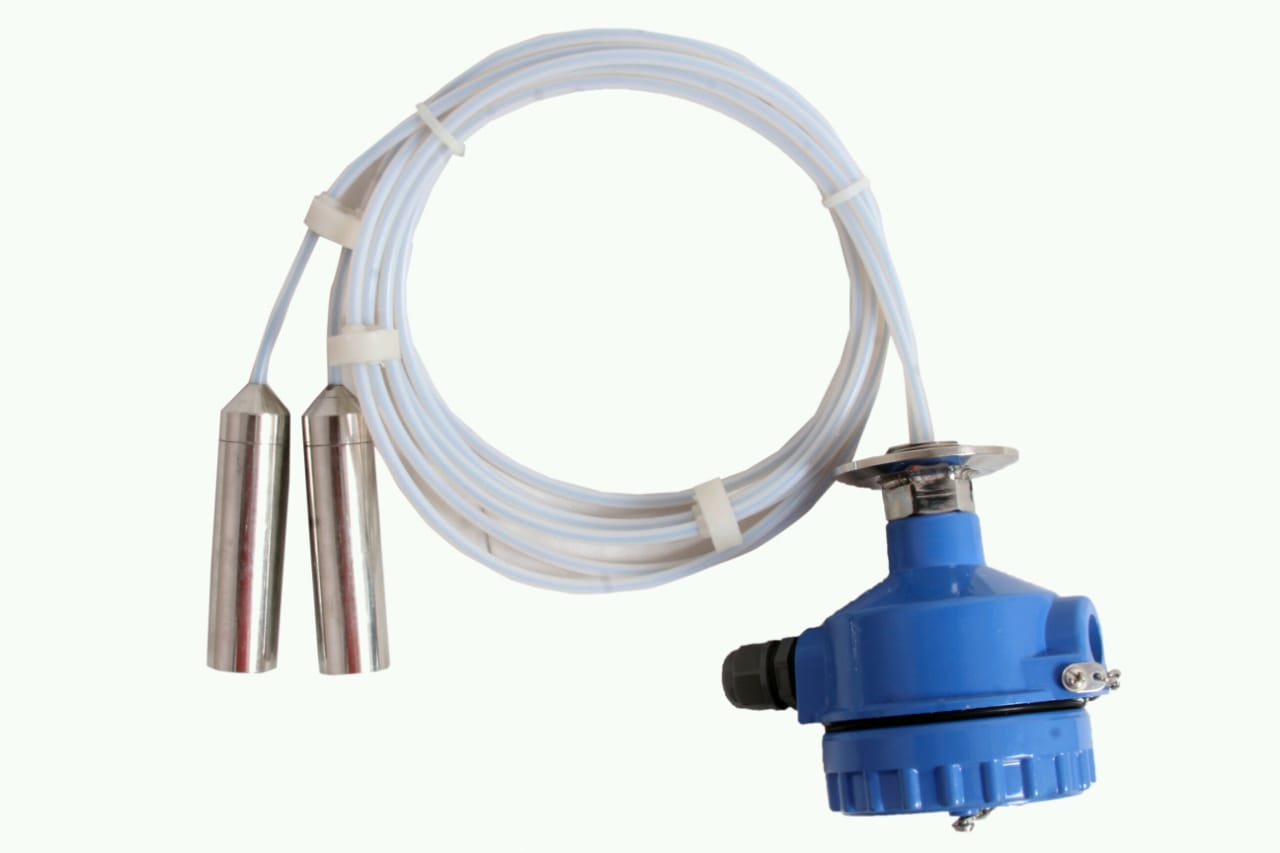 | Level Transmitter can be used for conductive as well as non conductive liquids. View product → |
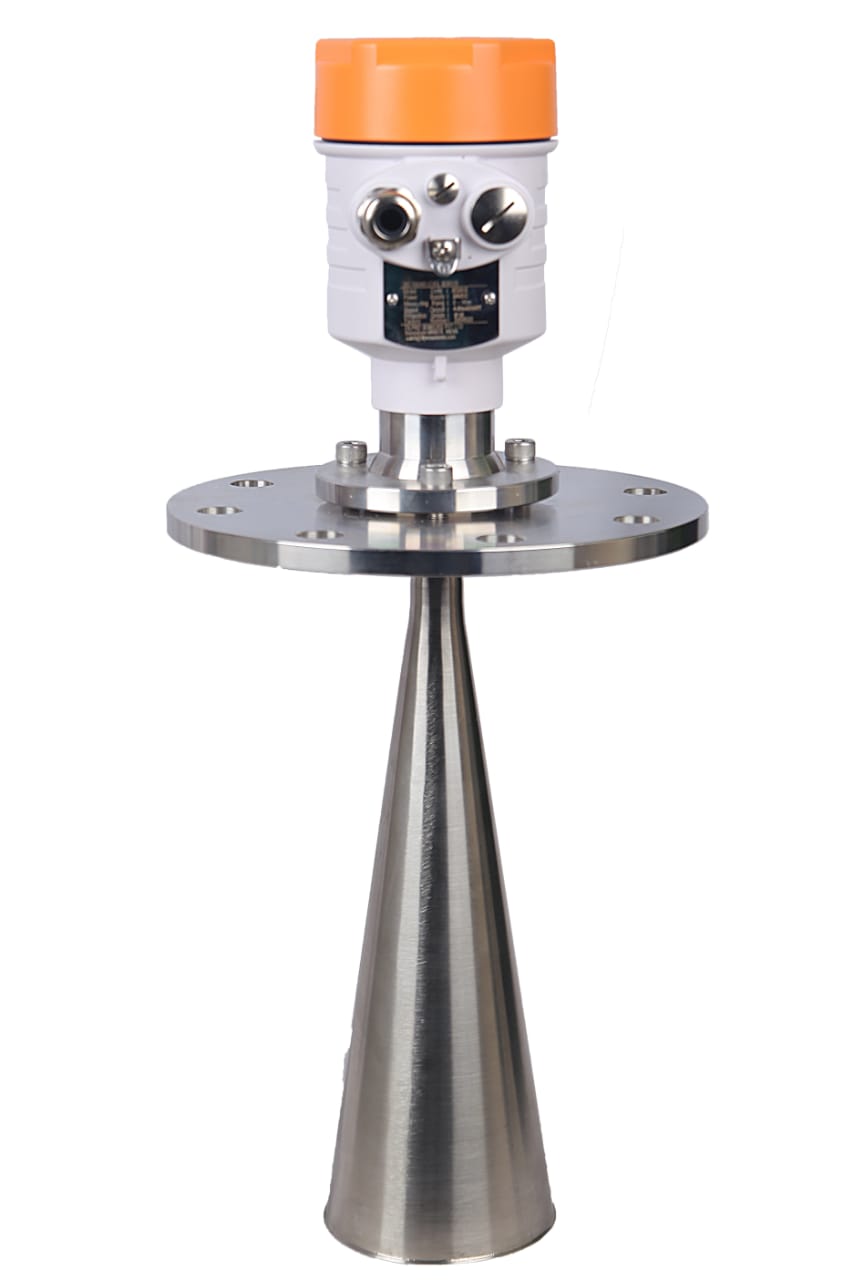 | Level Transmitter FILPRO offers professional Radar Level Transmitter. Our radar level transmitter uses radar to continuously measure non-contact liquid level, the... View product → |
Check materials, installation details and proof of performance
Before approving a high-temperature level transmitter, verify the complete assembly, installation and measurement loop—not only the transmitter body. Require evidence that the selected configuration will survive the specified temperature, pressure, chemistry and heat-transfer path.
1. Check the datasheet for maximum process temperature, electronics ambient limit, temperature derating, enclosure rating, process connection, flange rating and pressure rating. Confirm the wetted materials against the actual hot chemistry, including chlorides, caustic, acids, dissolved gases and cleaning agents.
For diaphragm seals, verify the diaphragm, fill fluid, capillary, weld, gasket and flange as one temperature-pressure assembly.
2. Review the installation drawing for nozzle length, transmitter orientation, insulation, heat tracing, radiant-heat shielding, purge arrangements and the distance to remote electronics. Confirm that the antenna or probe, process seal and gasket remain within rating; condensation, buildup and vapour absorption can defeat a non-contact measurement even when the electronics stay cool.
3. Commission the installed loop at operating conditions. Compare the indicated level with an independent reference, confirm the output across the measurement range, and test alarms, trips, fault handling and loss-of-signal behaviour. Record the as-left configuration, test result and proof-test interval.
If the signal supports a safety instrumented function, evaluate the sensor, seal or impulse system, logic solver, final element, diagnostics, proof-test interval and installation against the required SIL under IEC 61508 and IEC 61511. A standalone SIL label does not prove that the complete loop achieves it.
Frequently asked questions
What defines high-temperature service for a level transmitter?
High-temperature service is defined by the complete measurement assembly: process heat, heat transfer through the connection, electronics temperature, and radiant load—not liquid temperature alone.
What operating conditions should you record before choosing a transmitter?
Record minimum and maximum liquid temperature, vapour temperature, pressure, level range, foam, agitation, chemistry, density, and normal and upset conditions.
Which level technologies can be used in a hot tank?
Compare radar, ultrasonic, guided wave radar, differential pressure, and magnetostrictive technologies against the tank temperature, vapour, pressure, foam, installation, and chemistry.
What should you verify before installing a high-temperature level transmitter?
Check wetted materials, seals, process connections, thermal isolation, mounting clearances, temperature ratings, calibration records, and documented performance under comparable conditions.