Start with the job the measurement must perform, then match the instrument to the liquid, tank geometry, process conditions and consequences of error. By the end, you will have a practical shortlist and the technical information needed to request a comparable quotation.
Key takeaways
- Define whether you need indication, alarms, control, inventory or remote monitoring.
- Match the sensing method to liquid properties, tank geometry and operating conditions.
- Size the range for actual vessel height, density changes and safe measurement limits.
- Require process connections, materials, safety details and interface data in every quotation.
What must the gauge actually do?
Choose an industrial tank level gauge based on the decision it must support: local visual indication, continuous measurement, a high- or low-level alarm, automatic pump control, inventory tracking, or remote industrial tank level monitoring.
A nearby operator may need only a direct reading; a control system needs a defined signal, power supply, logic and fault response.
| Option | Output and purpose | When it applies |
|---|---|---|
| Reflex or transparent sight glass; magnetic indicator | Local visual level indication | An operator needs a direct reading at the tank |
| Continuous transmitter | Level signal for a PLC, SCADA system, display, data logger or control loop | You need recording, trending, remote reading, alarming or pump control |
| Point level switch | Discrete high-high or low-low trip | You need an independent alarm or overfill protection function |
A sight glass is not a complete industrial tank level monitoring system. Check glass compatibility, pressure and temperature ratings, isolation valves, guards, drain and vent arrangements, and the consequence of breakage or plugging. Specify measuring range, reference datum, allowable error, update time, output protocol, alarm setpoints, diagnostics, hazardous-area approval, materials, connection and calibration method.
For inventory, define whether the result must be millimetres, percentage, litres or mass. A horizontal, dished or irregular tank needs a strapping table or configured volume map; level alone does not establish volume. Request the total error budget, including density, temperature, installation, scaling and geometry.
For severe overfill consequences, use a separate high-high switch or safety-instrumented function with independent sensing, logic, final element, power, wiring and maintenance.
Which sensing technology fits the liquid and tank?
Choose sensing technology by liquid properties and tank conditions, not capacity alone. An industrial level gauge for tanks must match pressure, temperature, density, viscosity, conductivity, dielectric constant, vapour, foam, solids, corrosiveness and geometry. A formulation change can make the existing industrial level indicator for tanks unreliable.
| Option | What it means | When it applies |
|---|---|---|
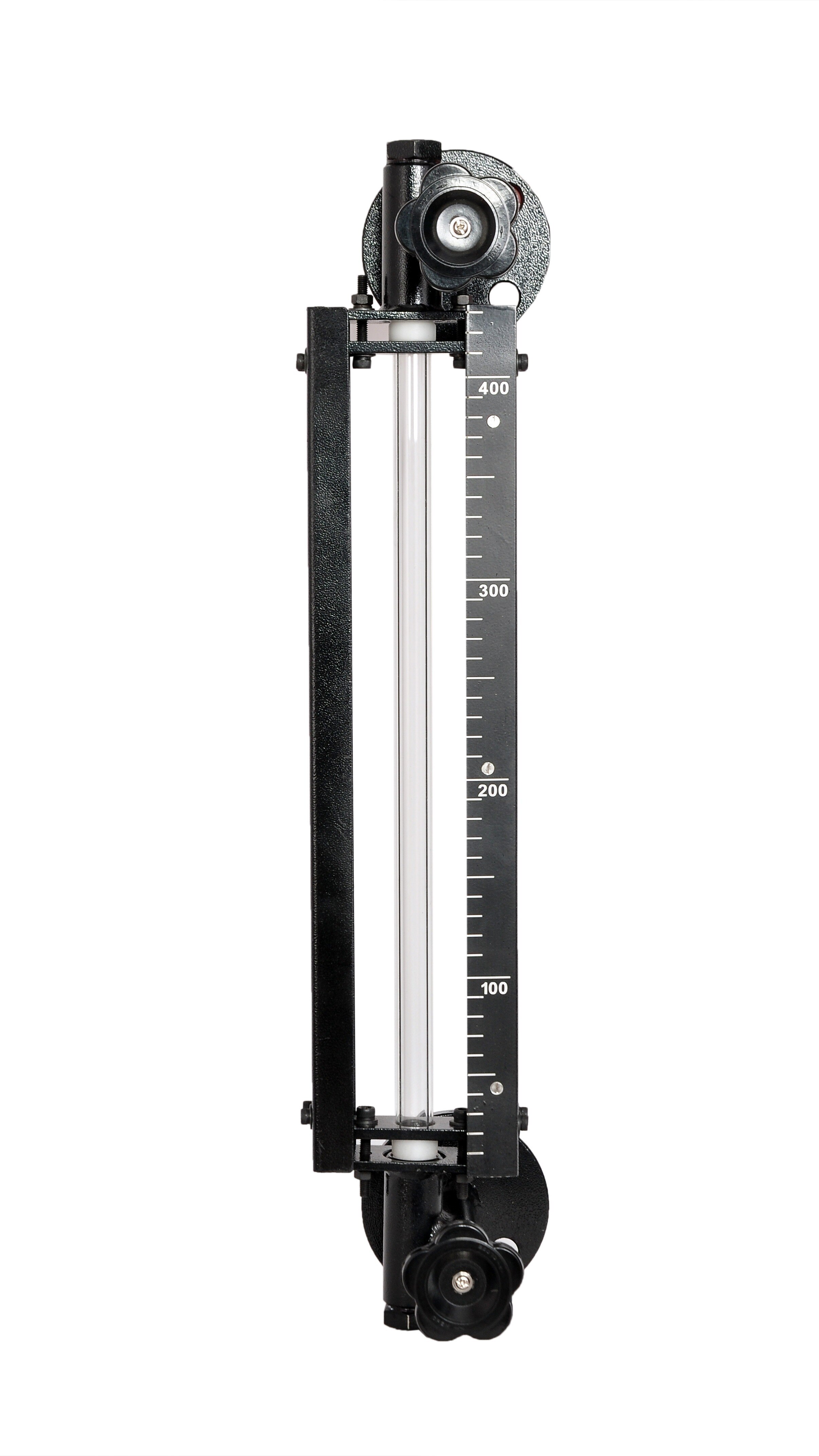
| Glass tube or sight glass | Direct local indication; inspect pressure-temperature rating, isolation valves, guard, drain, vent, visibility, plugging and glass-breakage consequences. | Use for visual verification when local access is safe and the liquid will not rapidly foul the glass. |
| Magnetic level gauge | A float in a bypass chamber drives a passive visible display. Select the float for actual density, viscosity, pressure, temperature and corrosion conditions. | Use when you need a clear local reading without power; confirm bypass connections and chamber geometry. |
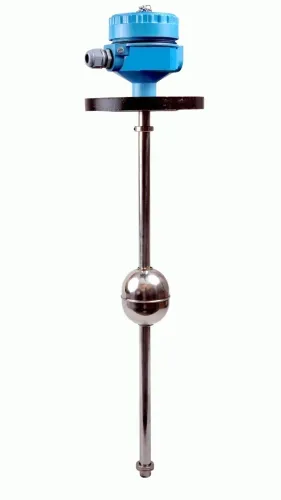
| Float-and-board or float transmitter | External mechanical indication suits simple tanks; a transmitter adds continuous output but needs unobstructed float travel and correct mounting. | Use where internal fittings will not restrict the float. |
| Hydrostatic transmitter | Measures liquid head and works best with stable density. Remote diaphragm seals suit viscous, corrosive or hygienic fluids. | Use when density is predictable; capillaries add temperature-related zero shift and response lag. |
| Radar or ultrasonic | Radar is stronger through vapour, pressure and temperature variation. Check radar for foam, condensation, agitators, coils, false echoes and nozzle position; ultrasonic depends on gas temperature, composition, vapour, foam and turbulence. | Use radar for demanding industrial tank level measurement. |
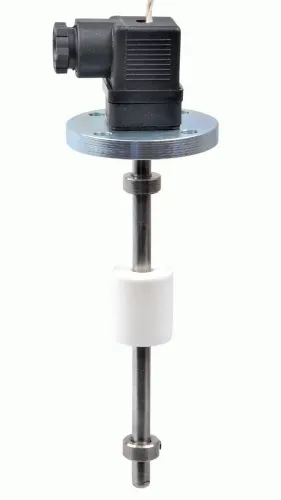
| Guided-wave radar or point switch | Guided-wave radar suits interfaces or stilling wells, but buildup, bridging, probe contact and clearance matter. Point switches provide discrete alarms or pump protection. | Choose by the alarm or control function, not continuous indication alone. |
How do you size the measuring range and account for density?
Size the range from the tank datum, not from tank capacity. Record the usable minimum and maximum levels, nozzle elevation, tank height, dead zones, connection dimensions and required alarm setpoints before choosing a scale or transmitter range.
Collect these values:
- Measuring span: highest required level minus lowest required level.
- Usable span: measuring span less the instrument’s upper and lower blocking distances.
- Remaining scale length after allowing for float travel, connection dimensions, calibration margins and readable graduation spacing.
- Calibration points at zero or reference level, normal operating level, alarm points, and upper and lower range values.
For hydrostatic industrial tank level measurement, level comes from ΔP = ρgh. A transmitter calibrated for water will misread diesel, oil or chemicals; a 10% density change produces about a 10% level error at the same pressure difference without compensation.
Give the supplier the normal and extreme density range, concentration and temperature, then request density compensation or a stated operating-density limit.
| Calibration basis | Use it when | Risk if mismatched |
|---|---|---|
| Water | The liquid density remains equivalent to water | Level error from density difference |
| Process liquid | Composition and density are controlled | Recalibration after formulation changes |
| Certified pressure reference | Traceable pressure calibration is required | Incorrect reference shifts every reading |
For inventory, provide a strapping table or configured volume map. A flange-referenced reading does not automatically equal percentage full, litres or remaining capacity.
Request the complete error budget for the industrial tank level measurement system, including density uncertainty, temperature effects, installation, scaling and calibration reference. A headline accuracy figure alone cannot predict the installed result.
What process, material and safety conditions must be specified?
Specify the actual service before choosing an industrial tank level gauge. SS 304, SS 316, SS 316L, glass, titanium, a gasket or a float is not a compatibility decision by itself. Record the chemical identity, concentration, contaminants, cleaning agent, operating temperature range, pressure, vacuum and vapour pressure.
Capture these service details:
- Viscosity, conductivity, solids content, crystallisation, foam and agitation
- Corrosion mechanism, including pitting, stress corrosion, erosion and chemical attack
- Density range and any formulation change that could alter float, probe or hydrostatic performance
Ask the supplier to confirm compatibility at the worst combination of concentration and temperature. The review must include gaskets, seals, floats, probes, diaphragms and window materials, not only the chamber or instrument body.
Treat a glass gauge as a risk decision. High pressure, high temperature, toxic or flammable liquid, vibration, poor visibility, opaque or crystallising product, or a need for remote readings requires documented suitability. Ask about isolation valves, guards, drain and vent arrangements, breakage response and inspection access.
| Decision area | Specify or verify | Failure if overlooked |
|---|---|---|
| Material compatibility | Chemical, concentration, temperature and every wetted part | Leakage, swelling, corrosion or a seized float |
| Hazardous area | Instrument, antenna or probe, glands, barriers, isolators, junction boxes and enclosure; area, gas or dust group, temperature class and intrinsic-safety parameters | An incorrectly installed industrial level indicator for tanks |
| Overfill protection | Independent sensor, logic, final element, power, wiring and maintenance; IEC 61511 proof-test interval, diagnostics, architecture and common-cause assumptions | A “SIL capable” gauge that does not establish the required safety function |
What should you require in the quotation and control-system interface?
Send a complete data sheet with the quotation request. Include tank height and shape, minimum and maximum levels, reference datum, nozzle size and location, process connection, pressure and vacuum, liquid temperature, density range, viscosity, vapour space, foam, solids, agitation, corrosion and hazardous-area classification. State required accuracy.
1. Specify the interface: local scale, 4–20 mA, pulse, relay, HART, fieldbus or another protocol. Add supply voltage, update time, display requirement, alarm setpoints, diagnostics and the PLC or SCADA scaling.
2. Require the supplier to document dead zones, beam or probe clearance, calibration procedure, test points, maintenance access, spare parts and failure response. State whether a fault must drive the signal upscale, downscale, hold the last value or activate a separate alarm.
3. Request installation drawings and a total error budget. It should account for calibration reference, tank geometry, density, temperature, output scaling and installation effects—not just the transmitter’s headline accuracy.
Filpro Sensors Pvt Ltd can help turn tank and liquid data into a documented specification; use that discussion to challenge assumptions, not replace independent process and safety review. Before ordering, confirm measuring span, materials, approvals, connection dimensions, alarm independence, volume-conversion method and commissioning checks in writing.
This makes an industrial tank level monitoring project verifiable and ensures the industrial tank level measurement system—or its local industrial tank level indicator—behaves predictably when the process or instrument fails.
Related products
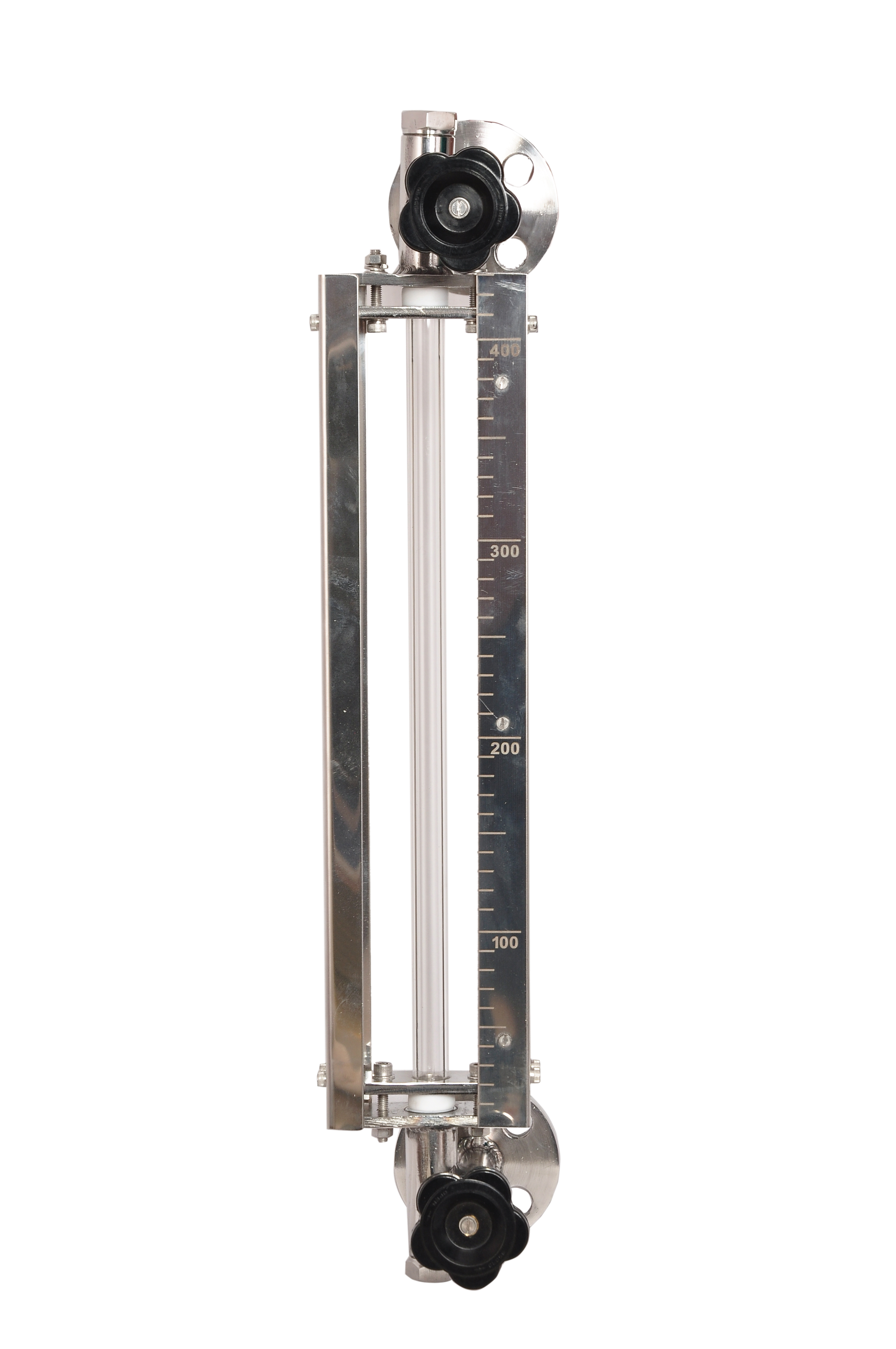 | Level Gauge Tubular Glass Level Indicator is used for visual level indication of liquid in storage and process tanks. View product → |
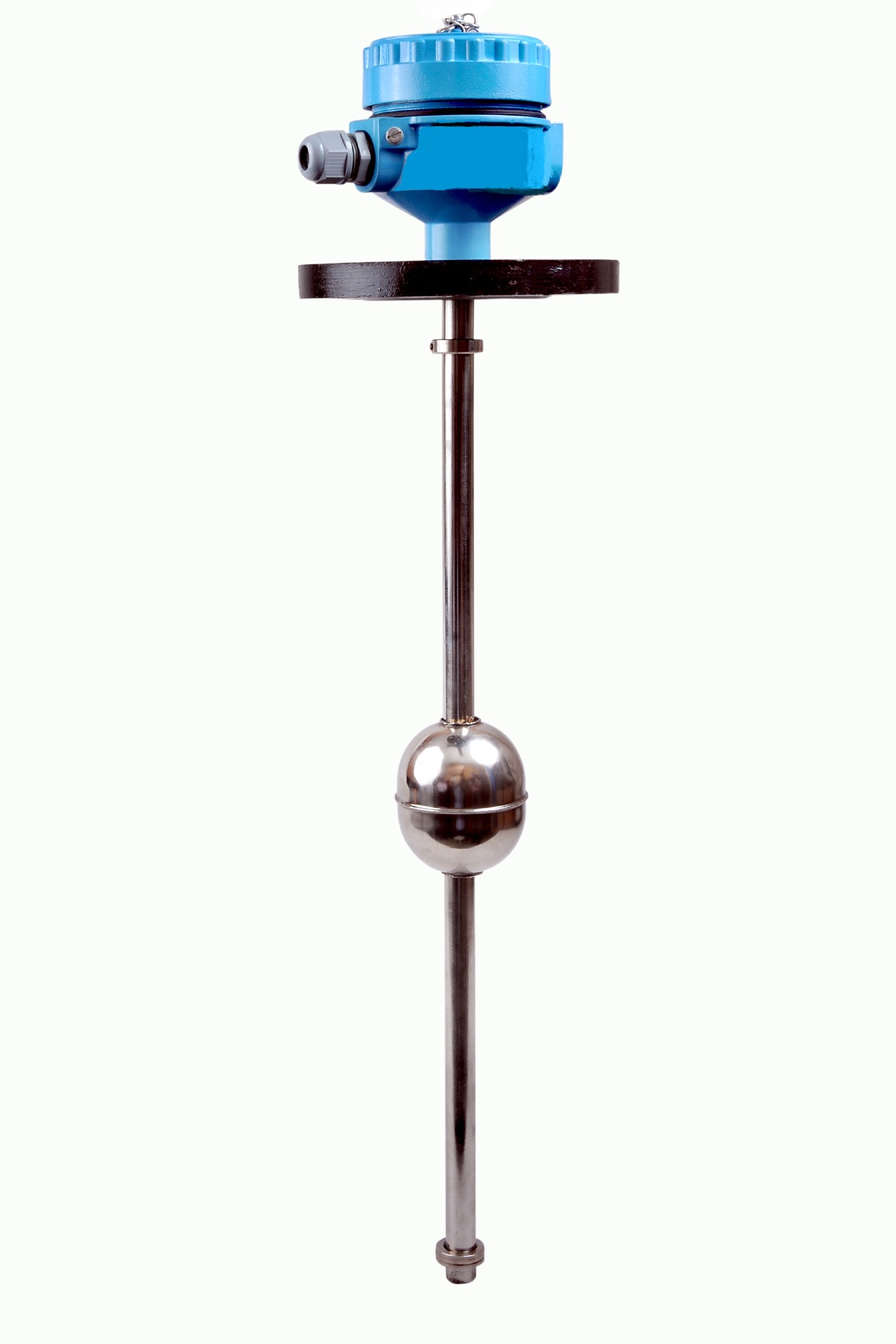 | Level Sensor Atex approved Float Level Transmitter : Over All Length: 300mm to 5000mm Input: 16V DC to 30V DC Output: 4-20mA / 0-10V DC Resolution: 5mm / 10mm... View product → |
Frequently asked questions
What must an industrial tank level gauge do?
Define whether you need local indication, continuous measurement, high- or low-level alarms, pump control, inventory tracking or remote monitoring.
How do you choose sensing technology for a tank?
Match the technology to the liquid’s properties, tank geometry, agitation, vapour, foam, temperature, pressure and installation constraints.
How do you size the measuring range?
Set the range around the actual minimum and maximum level, then account for vessel geometry, density effects and required measurement margins.
What process and safety details must you specify?
Specify liquid composition, temperature, pressure, tank material, connection size, wetted materials, hazardous-area classification and required protection.
What should an industrial tank level gauge quotation include?
Require the measurement range, accuracy, output signal, alarm functions, power supply, process connection, materials, drawings, certificates and control-system interface.
Related products
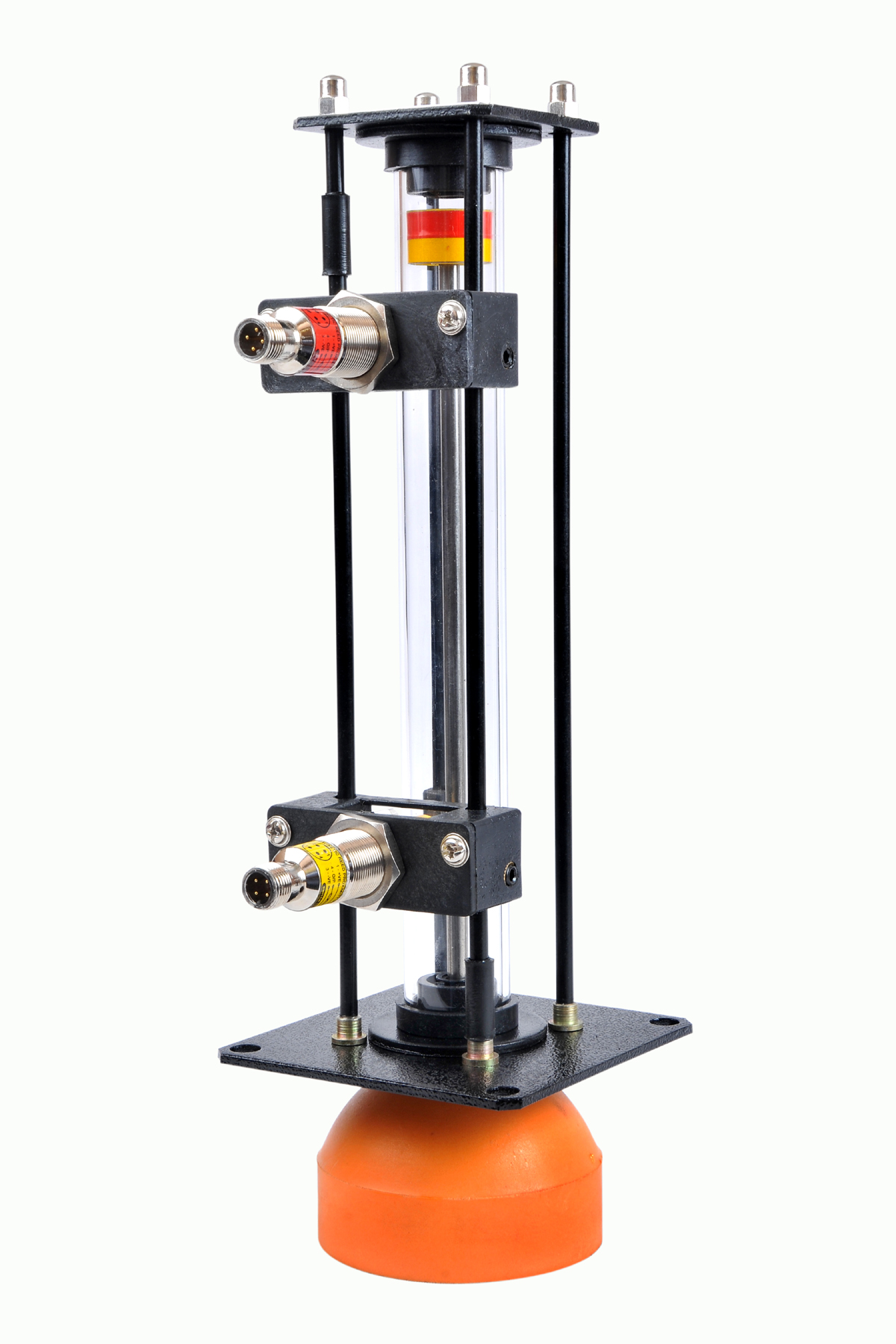 | Level Gauge Oil Level Indicator is designed to indicate the coolant and hydraulic oil level inside the tank with a visual indicator above the tank. View product → |
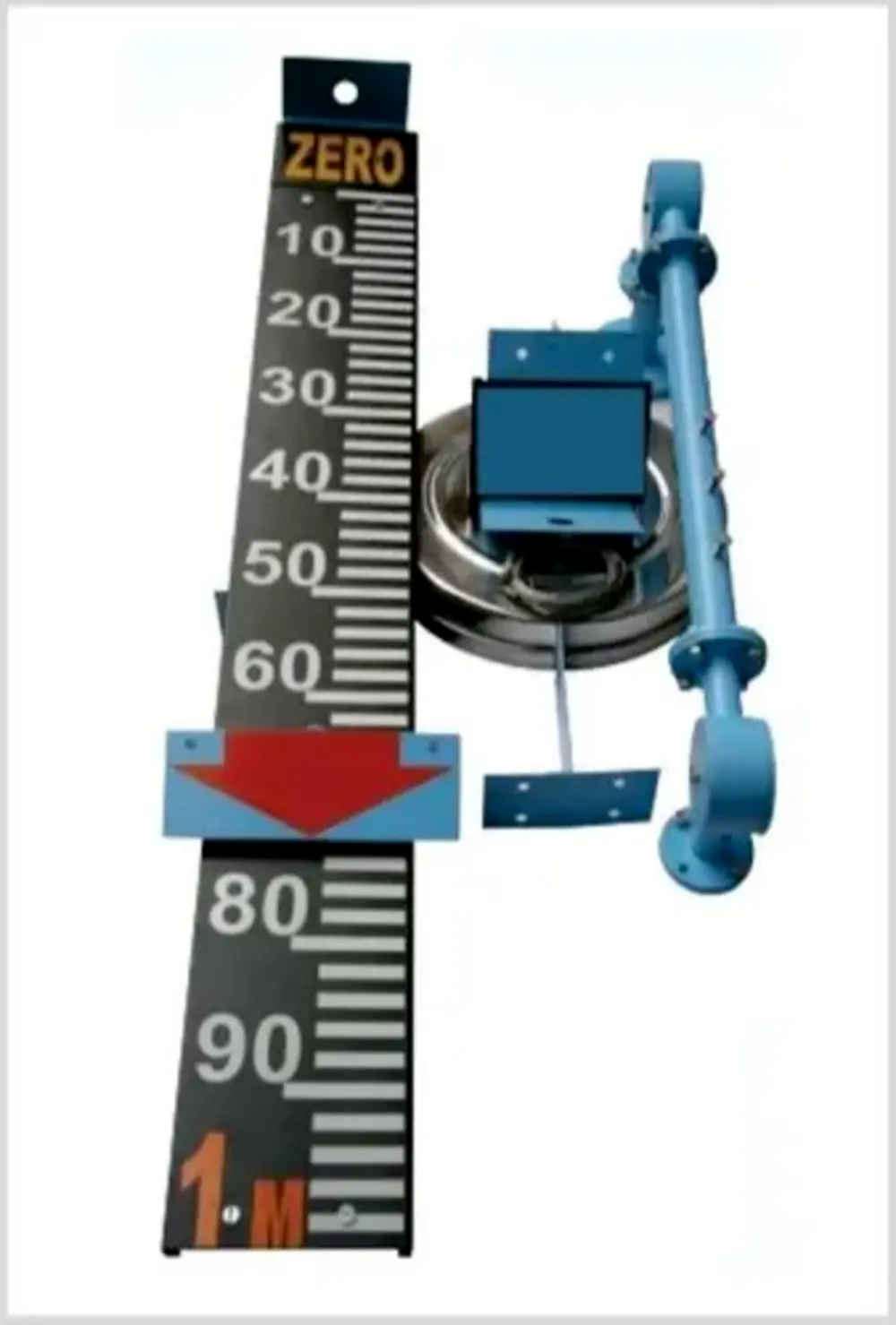 | Level Indicator The Float & Board Level Indicators consists of a float connected to a pointerthrough a rope via a set of pulleys. View product → |
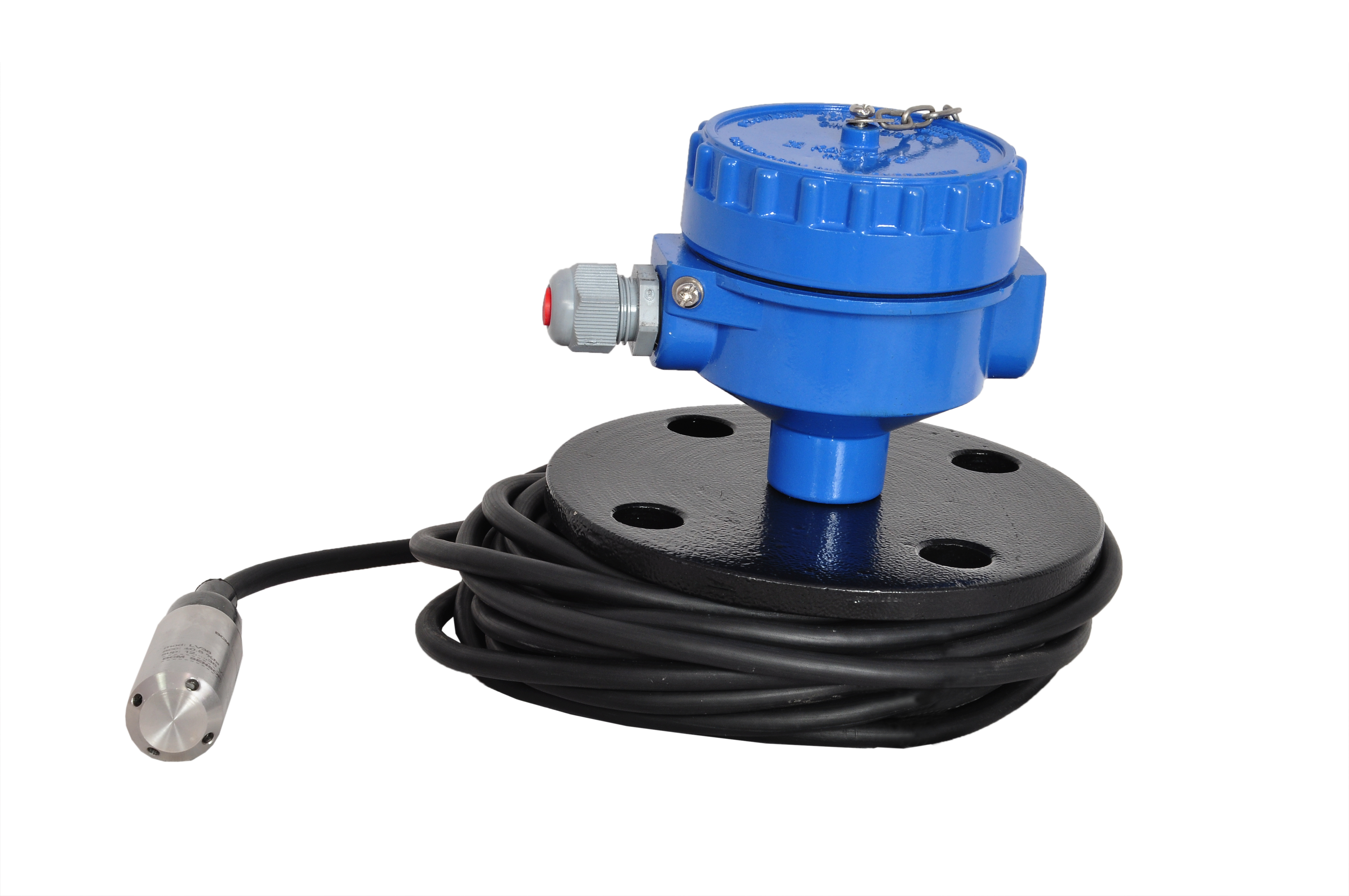 | Level Transmitter Hydrostatic liquid level transducers and transmitters with flush diaphragm is designed fora wide variety of level measurement applications. View product → |
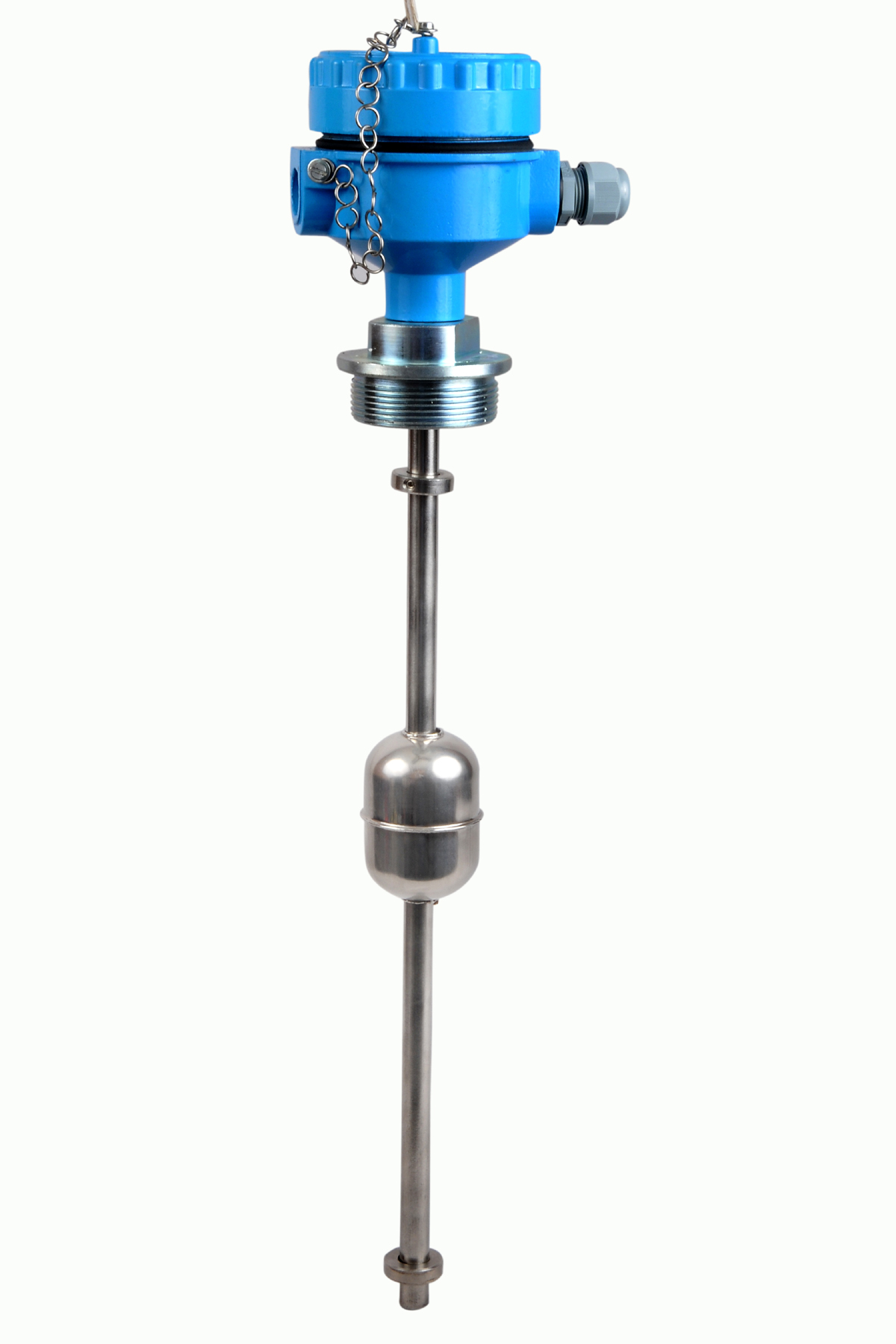 | Level Transmitter Float Level Transmitters Are Ideal For Continuous Level Monitoring In Water, Diesel, Chemical And Oils For Accurate Level Measurement. View product → |