A glass tube gauge can suit a vented rainwater tank, but heavy seasonal inflow, sediment, algae, impact exposure and rapid level changes expose weaknesses that a clean process-water installation may not. By checking the tank pressure, connection layout, water condition, protection, maintenance access and need for remote control, you can decide whether it belongs on the tank, alongside another instrument, or nowhere on the system.
Key takeaways
- Use a glass tube gauge on atmospheric or lightly pressurised tanks with accessible side connections.
- Specify a rigid guard, isolation valves, drain point and compatible wetted materials.
- Flush sediment and control algae before trusting readings after long seasonal storage.
- Combine a local glass gauge with a sensor when remote alarms or continuous logging matter.
When is a glass tube gauge suitable for a Bengaluru monsoon tank?
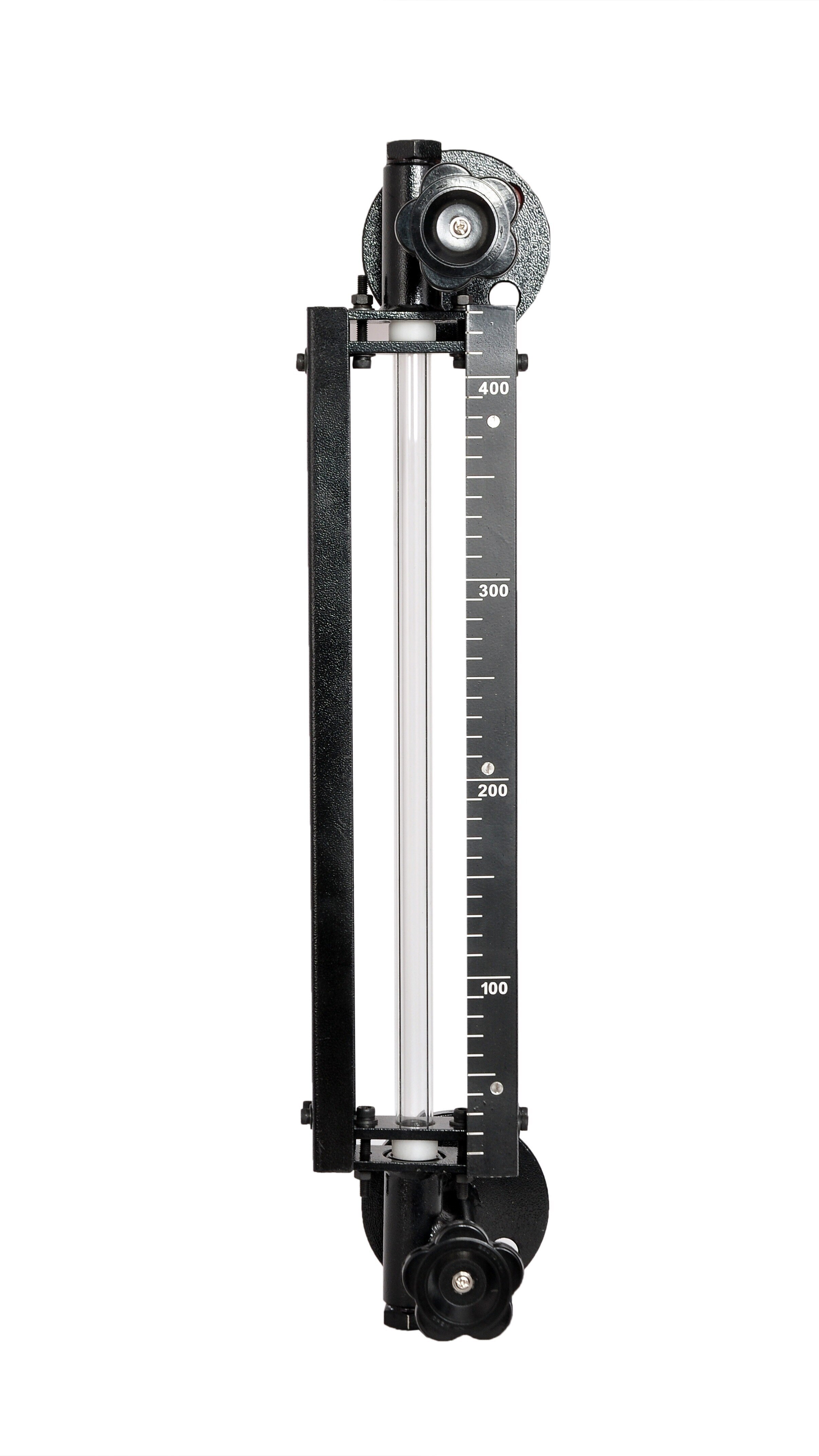
A glass tube level gauge for monsoon storage in Bengaluru suits an atmospheric or lightly pressurised water tank when its side connections are accessible and the tube has a rigid guard.
Seasonal rainfall does not demand a special glass gauge; tank head, water condition, impact exposure, maintenance access and the consequence of a wrong reading determine suitability.
Use a monsoon tank gauge in Bengaluru when:
- The tank is vented, or operates only at a pressure within the gauge’s stated rating.
- The lower and upper connections communicate with the same liquid and gas spaces as the tank and remain open.
- The scale extends below the low-level alarm point and above the normal operating level.
- Operators can read the tube from the required distance, including during poor monsoon lighting.
- A shield protects the glass from tools, vandalism, falling debris, UV exposure and nearby vibration.
- The tube can be isolated, drained and cleaned without unsafe access.
A basic tubular gauge is a poor choice for a pressurised vessel, hazardous liquid or a tank where one broken tube could release dangerous contents. It is a local visual indicator, not a level transmitter, pump controller or overflow safeguard.
Heavy rain can refill a tank faster than anyone can watch the tube, so provide a correctly sized overflow and screened vent, plus an independent high-level alarm or automatic shutoff when overflow matters.
Verify the indication at empty, intermediate and full levels against measured tank dimensions; blocked connections, trapped air or incorrect mounting elevation create persistent errors.
What must you check before selecting the gauge and connections?
Confirm the tank’s construction before ordering. A basic tube gauge suits a vented or lightly pressurised water tank, not a pressurised vessel or hazardous liquid service. Record the tank’s maximum working pressure, liquid temperature, usable height and whether the upper connection shares the tank gas space; a wrong top connection can produce a false level.
Check the liquid and mounting conditions on site:
- Measure the vertical distance between the proposed upper and lower nozzles, then compare it with the tank’s empty-to-full level range.
- Confirm that both nozzles are accessible, aligned with the same liquid space and large enough for isolation valves, drain or vent fittings.
- Describe rainwater quality: sediment, algae, grit, oil contamination and debris affect cleaning intervals and can block the lower passage.
- Measure the normal reading distance and lighting conditions. Select a scale range and graduations that remain legible from that position.
- Ask for the complete assembly limits: glass specification, gasket material, maximum allowable working pressure, temperature range, connection rating and replacement parts.
Check the indication against a measured tank dimension or a calibrated portable reference at empty, intermediate and full levels. An industrial water storage gauge has no electronic calibration to correct a wrongly mounted scale.
For a glass tube level indicator seasonal use, specify isolation at both ends and safe draining before storage; stagnant, dirty water can hide valve or gasket deterioration.
| Check | Suitable condition | Selection consequence |
|---|---|---|
| Pressure | Atmospheric or lightly pressurised | Basic gauge may fit |
| Temperature | Within glass, gasket and valve limits | Obtain all three ratings |
| Water quality | Clean enough to inspect and flush | Add cleaning access or reconsider |
| Nozzle spacing | Matches the usable level span | Order the correct scale length |
| Reading distance | Graduations visible at the operator’s position | Choose larger scale markings or another display |
How should you install and protect a monsoon tank gauge?
Mount the tube where an operator can read it from ground level without climbing onto a wet roof or standing in the tank’s access path. A monsoon tank gauge in Bengaluru should remain visible after rain, but it must not sit beneath a roof edge, downpipe outlet or debris-collecting ledge.
1. Connect the upper and lower gauge ports to sound tank nozzles using correctly rated isolation valves. Keep the connections aligned with the tank’s actual liquid range, support the gauge independently, and provide a drain or blowdown point below the lower valve.
A blocked nozzle or trapped air can make a good tube show a false level.
2. Fit a rigid, ventilated guard around the glass. Use a metal or UV-resistant shield with a clear viewing opening; do not clamp the guard against the tube. The guard must stop hand tools, falling fittings, branches and vandalism while allowing inspection, cleaning and replacement.
3. Position the scale from below the low-level alarm point to above the normal full level. Keep the scale upright and readable from the normal inspection route, with enough clearance to operate both isolation valves.
4. Keep the assembly away from ladders, roof hatches and routine maintenance paths. Provide a safe approach from the tank platform, not a requirement to lean over the edge.
A protected industrial water storage gauge is still only a local indicator. Retain a correctly sized overflow and screened vent, and add an independent high-level alarm or automatic shutoff where storm inflow could cause costly overflow.
How do sediment, algae and fast-changing levels affect readings and maintenance?
During filling, read a glass tube level gauge for rainwater only after turbulence settles. Swirling water, foam and trapped air can make the meniscus appear higher or lower than the tank level. Foam is not liquid; wait for it to collapse before recording a reading.
Sediment, leaves, algae and insect debris can block the lower connection or coat the tube wall. Condensation hides the meniscus, while poor lighting creates parallax and false readings; use a shaded lamp aimed across the tube, not directly behind it.
A communicating tube is trustworthy only when both isolation valves are open, its connections share the tank’s liquid and gas spaces, and neither passage contains sediment or trapped air. On a closed tank, an incorrect upper connection can produce a misleading level because tank pressure is not balanced.
Use this glass tube level indicator seasonal use procedure before and after the monsoon:
- Close both isolation valves before loosening any fitting. Open the drain or vent into a safe container, then empty the tube without exposing yourself to spray.
- Flush the lower connection and tube with clean water. Remove algae or biofilm with a soft bottle brush; do not use metal tools or abrasive powder.
- Inspect the glass for scratches, chips, clouding and impact marks. Check guards, end fittings, gaskets and valve stems for looseness or leakage.
- Replace damaged glass, hardened gaskets or leaking connections before refilling. Never tighten fittings aggressively against the tube.
- After reopening both valves, compare the tube reading with the tank’s known level and record any persistent mismatch.
When should you choose a glass tube, another sensor, or both?
Choose a glass tube for local visual indication, not as your only protection against overflow, dry running or missed readings. A glass tube level gauge for monsoon storage in bengaluru suits a vented or lightly pressurised tank when operators can read it and the tube has impact protection.
| Option | What it provides | When it applies |
|---|---|---|
| Glass tube | Local, immediate level view | Accessible atmospheric water tank with manageable cleaning |
| Electronic sensor | High-level alarm, automatic pump control or remote logging | Overflow has consequences, levels change quickly, or staff cannot watch the tank |
| Both | Independent measurement plus a visual cross-check | Monsoon inflow, remote operation, critical storage or sensor troubleshooting |
For a glass tube level gauge for rainwater, ask the supplier to confirm:
- Tank height, empty-to-full scale range, operating pressure and water temperature
- Rainwater quality, expected sediment or algae, cleaning interval and isolation valves
- Nozzle size, nozzle spacing, mounting elevation and access for draining
- Guard material, UV exposure, falling-tool risk and required reading distance
- High-level alarm, pump interlock and overflow capacity, specified separately from the gauge
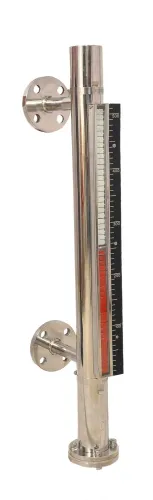
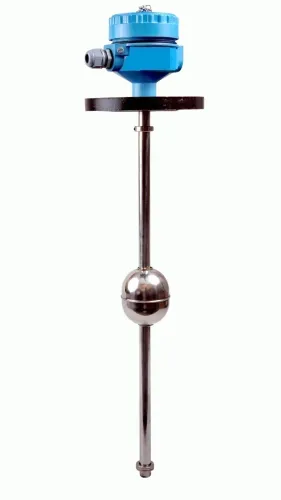
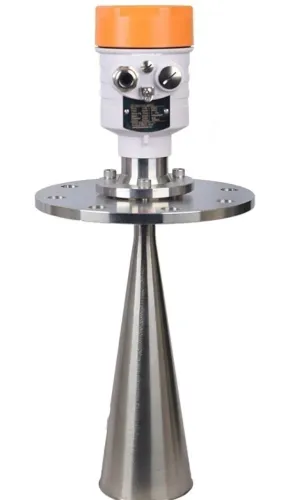
Give Filpro Sensors Pvt Ltd these details when comparing a tubular gauge with a hydrostatic transmitter, radar instrument or float switch. Choose independent level measurement when a blocked connection or darkened tube could cause a costly decision.
Related product
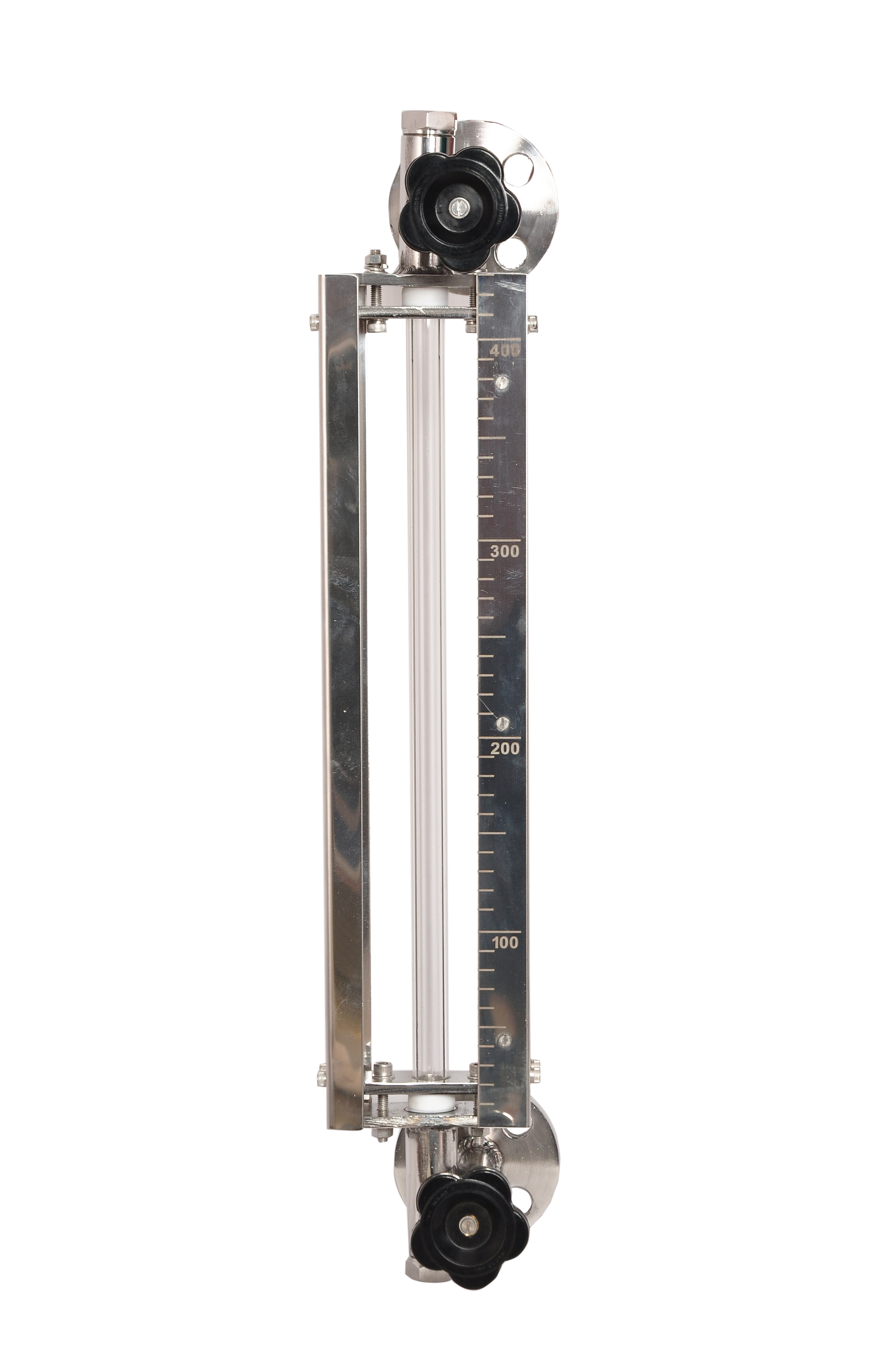 | Level Gauge Tubular Glass Level Indicator is used for visual level indication of liquid in storage and process tanks. View product → |
Frequently asked questions
When is a glass tube gauge suitable for a Bengaluru monsoon tank?
Choose one for an atmospheric or lightly pressurised rainwater tank when the side connections remain accessible and the gauge has a rigid protective guard. It suits local visual checks but not tanks that require remote level data or frequent unattended alarms.
What must you check before selecting the gauge and connections?
Confirm the tank pressure, operating temperature, liquid compatibility, connection size and centre-to-centre distance. Check that the tube, valves, gaskets and fittings can handle rainwater quality, and specify isolation valves plus a drain or flushing arrangement.
How should you install and protect a monsoon tank gauge?
Mount the gauge vertically on a rigid support, keep both connections accessible, fit isolation valves, and provide a drain point for flushing. Protect the glass from impact, direct sunlight and falling debris with a guard while keeping the scale visible.
How do sediment, algae and fast-changing levels affect readings and maintenance?
Sediment can block the lower connection, while algae can reduce visibility inside a sunlit tube. Flush the gauge after dirty inflows and inspect it after storage periods. A fast-changing level can make visual reading less useful, so add a sensor when timing or trend data matters.
When should you choose a glass tube, another sensor, or both?
Use a glass tube for simple on-site indication and easy visual confirmation. Choose a level transmitter or switch for remote monitoring, automated pumps or high- and low-level alarms. Use both when operators need a local reference alongside continuous electronic monitoring.