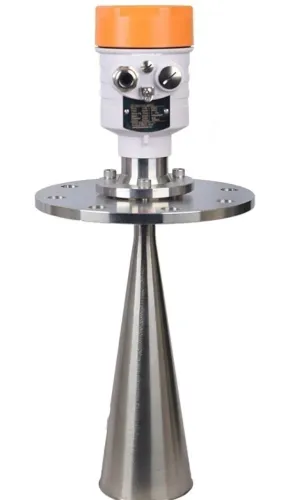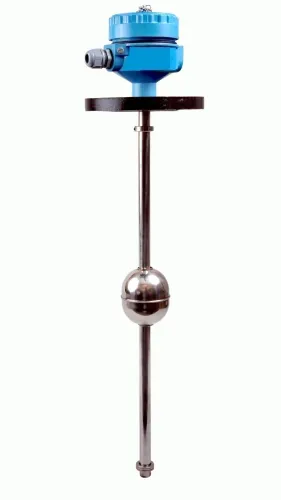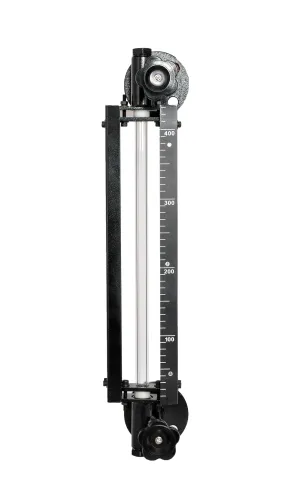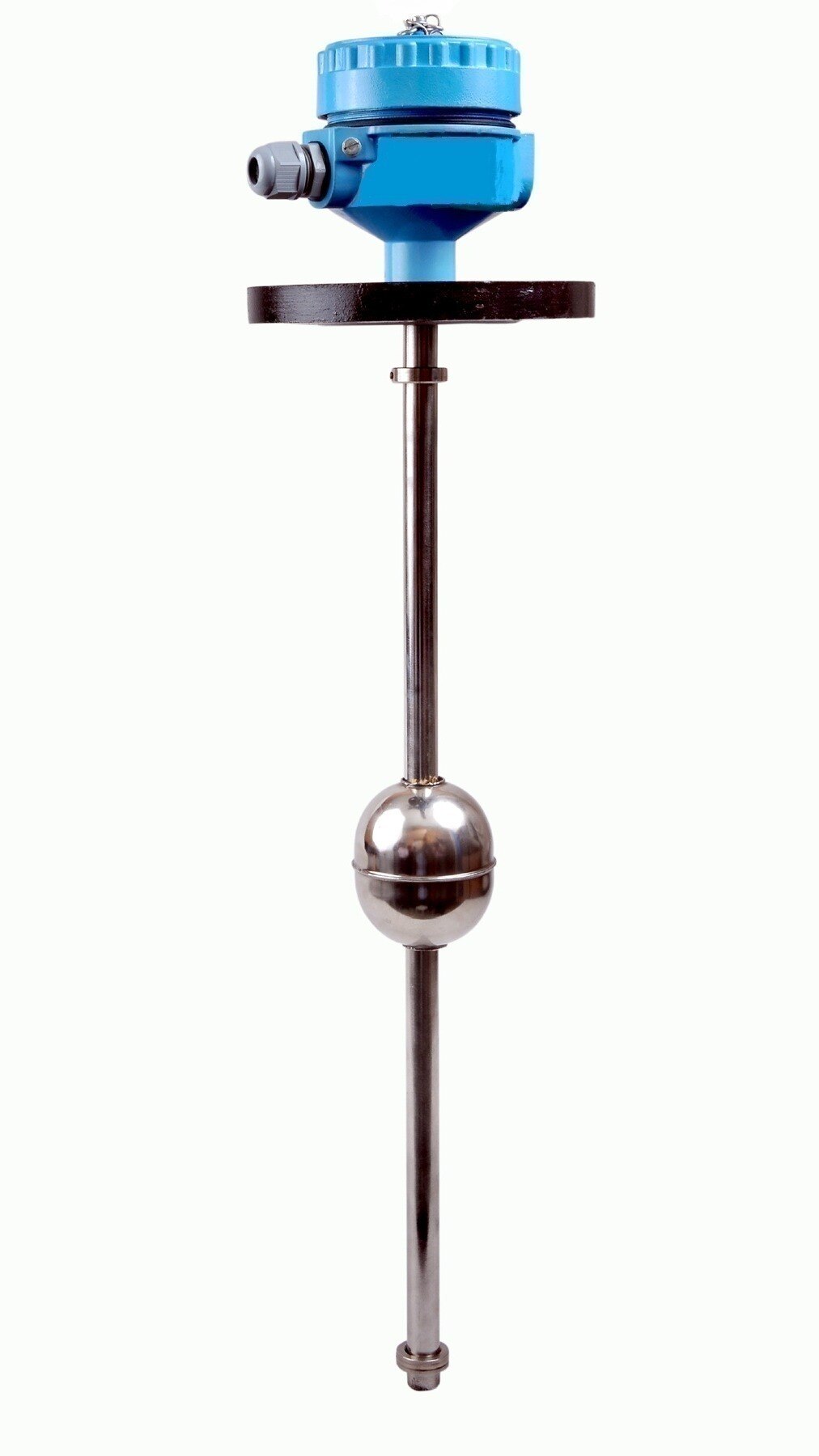
A quotation for a stainless steel level switch can cover the sensing assembly while leaving the cable, gasket, relay, or even the exact steel grade unspecified. By separating the physical supply package from the operating data and installation documents, you can compare offers and confirm that the switch will work in your liquid, tank connection, and control circuit.
Key takeaways
- Confirm the package includes mounting hardware, wiring parts and installation documents.
- Match stainless steel grades and miniature dimensions to your tank and fluid.
- Review contact ratings, process limits and switching points together.
- Request drawings, test records and a complete quotation from the supplier.
Check the supply package before comparing prices
A low quote can hide missing installation parts. For a stainless steel level switch in Bengaluru, confirm whether the package is a point-level device that changes contact state, not a continuous 4–20 mA transmitter. Match the physical contents to the quotation before comparing prices.
1. Check the switch assembly: body, guide tube or stem, float, internal magnet, mounting nut or flange, gasket, and fixing hardware. Confirm that the stated insertion length and mounting connection match your tank nozzle.
2. Check the termination: cable outlet with the specified cable length, or a terminal enclosure with cable-entry hardware. Do not assume the supply includes a counter-flange, isolation valve, extension cable, relay, controller, or level-indicator accessories; request each item separately.
3. Check the documents: dimensional drawing, wiring diagram, operating instructions, packing list, material declaration, and certificate or test record showing the switching point and routine inspection. A conformity certificate cannot confirm the actual switch elevations or mounting fit.
4. Check the stated limits: electrical contact rating, enclosure protection, process pressure, temperature range, liquid-density range, and switching differential. Ask for a hazardous-area approval document if the installation requires one.
Before approving a stainless steel level switch in Bengaluru, require the supplier to identify every included and excluded item in writing. A complete package may cost more than a bare assembly, but missing hardware can delay installation and make the final cost higher.
Confirm the steel grades and miniature dimensions
A “miniature” label does not guarantee a fit; no universal industry definition sets its size. Confirm the overall insertion length, guide-tube diameter, float diameter, float travel, mounting-thread size, and minimum nozzle or chamber diameter. A float that touches the vessel wall can stick and leave the contact permanently in one state.
Request the stainless-steel designation for every wetted and exposed part, not only the switch body. Use this comparison as a starting point:
| Material | What it indicates | Check before approval |
|---|---|---|
| SS 304 | Suitable for many clean, non-chloride services | Confirm chloride content, temperature, and stagnant crevices |
| SS 316 | Better resistance to chlorides than SS 304 | Reject assumptions for brine, hypochlorites, or hot chloride service |
| SS 316L | Low-carbon 316, useful for welded wetted assemblies | Confirm the complete wetted-part declaration |
316 and 316L are not immune to pitting or crevice corrosion. Ask whether the stem, float, guide tube, flange, fasteners, enclosure, terminals, and mounting nut use different grades or coatings.
Match these dimensions and limits against the tank drawing:
- Insertion length and switching elevations, including the switching differential or hysteresis
- Process-connection thread or flange size, gasket face, and tank-wall thickness range
- Float diameter, specific-gravity range, and clearance from the nozzle or chamber wall
- Maximum process pressure, process and ambient temperature, and liquid viscosity
Obtain the supplier’s dimensional drawing, because a conformity certificate cannot confirm the actual mounting clearance or switch elevations.
Read the electrical and process specifications as one set
The switching point comes from the float travel and switching differential, not from the stainless-steel body alone.
Compare stainless steel level switch details as one data set: process pressure; process and ambient temperature; liquid specific gravity and viscosity; wetted-part materials; process connection; insertion length; float diameter; switching-point tolerance; hysteresis; and minimum nozzle, chamber, or tank-wall dimensions.
| Specification | What to check | Why it matters |
|---|---|---|
| Switching point | Float travel, insertion length, differential, tolerance, mounting orientation | A short stem or viscous liquid can shift the level at which the contact changes state. |
| Load compatibility | Contact form, electrical rating for AC and DC, resistive or inductive load, enclosure/IP rating, cable-entry size | Pump motors, solenoid valves, contactors, and long cables create inrush or voltage spikes; use an interposing relay when the actual load exceeds the reed or microswitch rating. |
| Liquid and area suitability | Specific-gravity and viscosity limits, solids or coating risk, process temperature and pressure, wetted materials, hazardous-area certificate | A float that works in water can stick or lose buoyancy in oil, sludge, or a coated tank. Ordinary stainless steel is not Ex approval; match the zone or EPL, gas or dust group, temperature class, ambient range, switch, cable entry, and installation method. |
Confirm that the device is a point-level switch, not a continuous 4–20 mA transmitter. For a miniature model, verify float diameter, guide-tube diameter, connection size, available insertion length, and minimum chamber diameter rather than relying on the word “miniature.”
Install the float so its switching point remains reliable
Mount the assembly plumb, with the guide tube vertical and the float free to travel through its specified range. A tilted stem changes the switching elevations and can make the float rub, stick, or fail to return.
Verify buoyancy in the actual liquid; its density and viscosity affect the setpoint, while solids or coating can restrict movement.
Confirm the insertion length, switch-on and switch-off elevations, switching differential, and tolerance against the tank drawing. The nominal model does not set the final level because nozzle length, mounting thickness, and connection position also determine it. Keep the float away from moving equipment and deposits.
Use the supplied gasket on a flanged connection, or a sealant approved for the liquid and temperature on a threaded connection. Tighten without twisting the stem or crushing the gasket. Keep tape and sealant out of the float path.
Before wiring, establish whether the switch serves an alarm or pump sequence, set the start/stop differential, and decide whether delayed switching or manual reset is required.
Test the installed switch rather than relying on a bench continuity check:
- Move the float through its full travel and record contact changeover and return levels.
- Fill and drain the vessel, or use a controlled test medium, to verify both setpoints and hysteresis.
- Confirm the alarm, pump interlock, and stuck-float response at the control panel.
Repeat the test with the process liquid when it differs from water.
Ask a Bengaluru supplier for evidence, not only a catalogue name
Before approving a purchase, require an industrial level switch supplier in Bengaluru to prove that the quoted switch matches your tank geometry, liquid and control scheme.
- Request a dimensioned drawing showing insertion length, guide-tube and float diameters, mounting-thread or flange size, minimum nozzle diameter, mounting orientation, and switch-on and switch-off elevations. A certificate of conformity cannot replace this drawing.
- Request a material declaration identifying SS 304, SS 316 or SS 316L for every wetted and non-wetted part, plus the gasket and cable-entry materials.
- Request pressure limits, operating-temperature range, liquid-density and viscosity limits, switching-point tolerance, hysteresis, and the permitted tank-wall thickness.
- Request the wiring diagram and confirm normally open, normally closed, changeover or electronic output, including whether the contact changes on rising or falling level.
- Request a routine test or calibration record and a packing list naming the body, stem, float, mounting hardware, gasket, cable or terminal enclosure, and operating instructions.
Define the control response before selecting contacts: alarm or pump state on high and low level, start/stop differential, debounce or time delay, manual reset, and the result of a stuck float. A point switch changes contact state; it does not provide a 4–20 mA signal unless a separate transmitter is included.
Filpro Sensors Pvt Ltd is worth asking for these records in the quotation, not after dispatch.
Related product
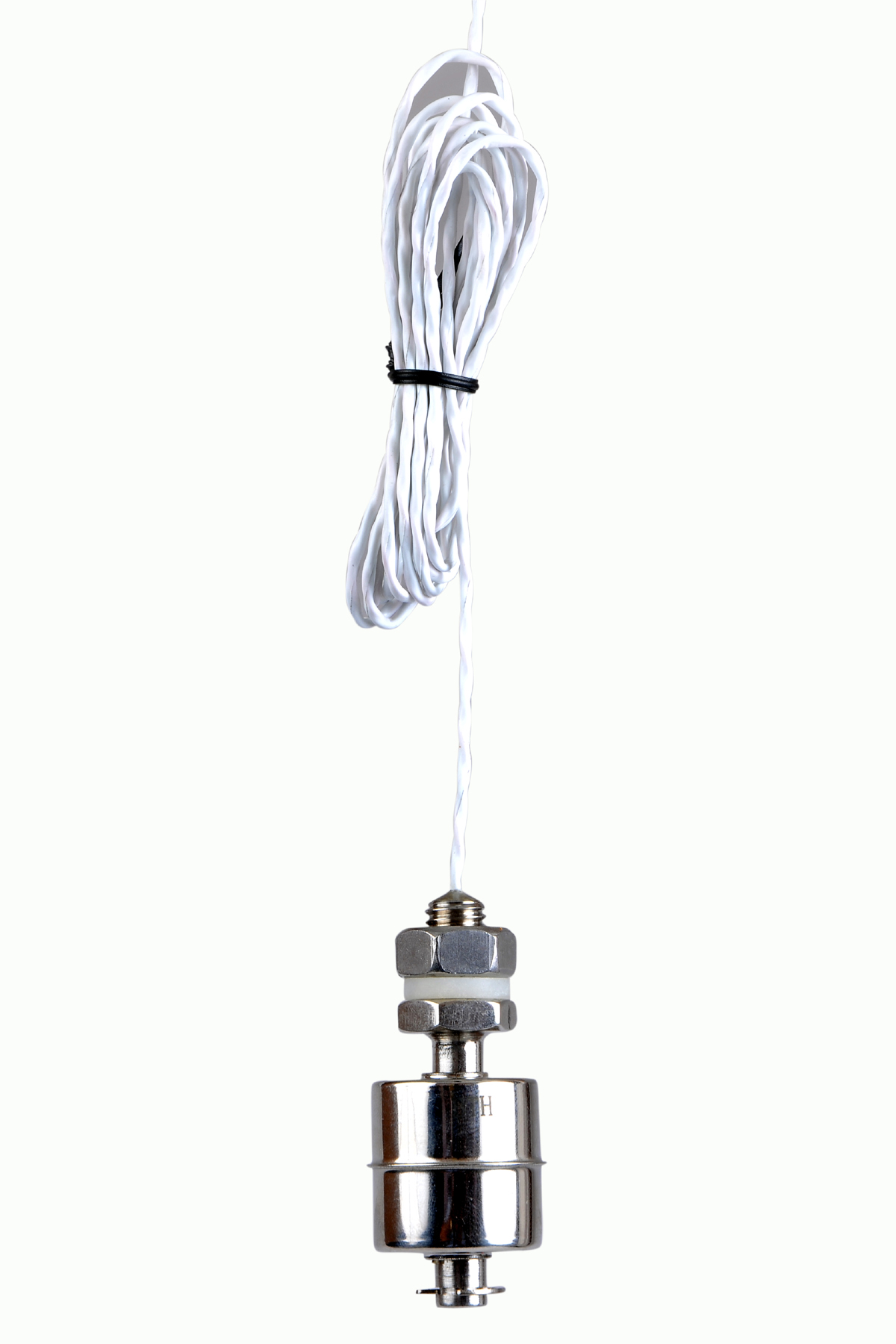 | Level Switch Stainless steel level switch - Miniature Stainless steel Miniature Level Switch is a compact construction, suitable for mounting vertically. View product → |
Frequently asked questions
What should you check in a stainless steel level switch supply package?
Check that the quotation matches the physical contents, including the point-level switch, mounting hardware, wiring components and installation documents. Confirm it is a contact-state device rather than a continuous 4–20 mA transmitter.
Which stainless steel level switch details matter before purchase?
Confirm the steel grades used for wetted and external parts, along with body diameter, probe length, thread or flange size, and available clearance. Compare these miniature dimensions with the tank opening and fluid conditions.
Which level switch specifications must be read together?
Review contact arrangement, voltage and current ratings, switching point, process temperature, pressure, fluid compatibility and mounting orientation as one set. A switch that meets an electrical rating can still fail when its process limits or installation position are unsuitable.
What evidence should you request from an industrial level switch supplier in Bengaluru?
Ask for a dimensional drawing, material details, electrical and process specifications, wiring information, test records and a quotation listing every supplied part. Use these documents to compare suppliers instead of comparing catalogue names alone.