A fuel tank level switch gives a discrete response at a defined liquid height, allowing control systems to start pumps, stop equipment, or raise alarms. By the end, you will know which switching points, contact logic, mechanical fit, electrical protections, and supplier documents are needed for a safe installation.
Key takeaways
- Use separate low, high, and emergency points for distinct fuel-tank actions.
- Set switching elevations against usable volume, outlet position, and safe operating limits.
- Match float arrangement, contact rating, enclosure, and hazardous-area protection to the tank.
- Ask for drawings, materials, test records, and calibration details before ordering.
What jobs does a magnetic level switch perform in a fuel tank?
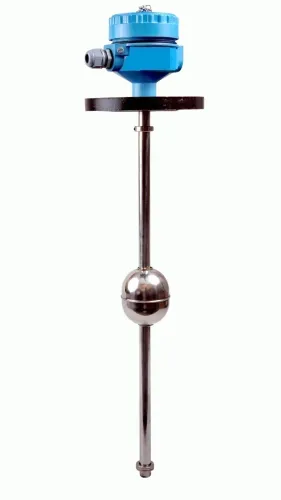
A magnetic level switch performs a defined control action when fuel reaches a configured elevation. It changes an electrical contact state; it does not measure the tank continuously.
Typical control jobs include:
- Start a transfer pump when a day tank reaches its low set point.
- Stop filling when fuel reaches the high set point.
- Signal low fuel to an operator.
- Prevent a transfer pump from running dry.
- Interlock a diesel generator, burner, or boiler fuel system.
- Initiate low-low shutdown or independent high-high overfill protection with a defined protective action.
| Switching | Continuous measurement |
|---|---|
| Point-level output at a fixed elevation | Changing level value across the tank |
| Reports a condition such as low or high | Reports litres, percentage, or level |
| Supports start, stop, alarm, or shutdown | Supports consumption rate and level trends |
| Uses a magnetic float and reed contact | Uses a float transmitter, hydrostatic transmitter, radar, or ultrasonic instrument |
The device does not report litres, percentage, consumption rate, or a changing level trend. Use a continuous instrument when the control room needs actual level or volume data, while a separate gauge remains useful for inventory management.
Common magnetic level switch applications include generator day tanks, diesel transfer skids, bulk storage tanks, burner fuel systems, lube-oil tanks, and sump alarms. A point device is economical when the required instruction is only “start,” “stop,” or “alarm”; continuous measurement adds value when fuel usage and remaining inventory matter.
How should you define low, high, and emergency switching points?
A practical fuel tank arrangement uses four switching points: low for refill demand or pump protection, low-low for shutdown, high for normal fill control or warning, and high-high for independent overfill shutdown. This separates routine control from protective action; one switch should not serve as both routine pump control and the only overfill safeguard.
A single float assembly can operate multiple reed contacts, but the manufacturer must confirm the available elevations, minimum separation between contacts, guide-tube length, float travel, and switching-point tolerance. These positions are fixed by the assembly’s geometry, not infinitely adjustable after installation.
Specify each point by its action and level direction:
- Low: start the transfer pump or signal refill demand when the level falls below the set point.
- Low-low: use a normally closed contact during normal operation that opens when falling level reaches the shutdown point.
- High: use a normally open contact that closes when rising level reaches the alarm or fill-stop point.
- High-high: use an independent contact and defined trip action to stop filling or close an inlet valve.
The specification for an industrial fuel tank level switch should state the set point, rising or falling action, SPST or SPDT contact type, reset behavior, and proof-test method. State whether a broken wire creates an alarm, and document the safe state after power loss.
Also define whether the high-high trip latches until manual reset or resets automatically after the level falls. Test every contact at its actual switching elevation.
How do you choose the tank arrangement and measurement technology?
Choose the arrangement by the action required, the available access, and the information the tank operator needs. A top-mounted multi-point switch suits several fixed alarm and control elevations in one assembly. A side-mounted switch suits one point near the wall when nozzle height, access, and internal clearance permit it.
| Technology | What it reports | When it applies |
|---|---|---|
| Multi-point magnetic switch | Discrete contact changes at fixed elevations | Low, high, and shutdown actions |
| Continuous float transmitter | Changing level, usage, inventory, and trend data | Fuel consumption or volume tracking |
| Hydrostatic transmitter | Level inferred from liquid pressure | Clean, stable mounting with a pressure reference |
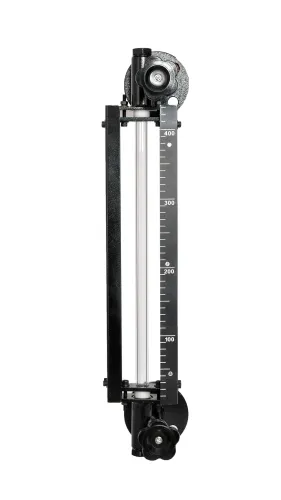
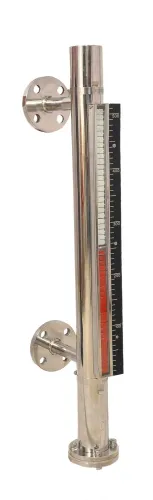
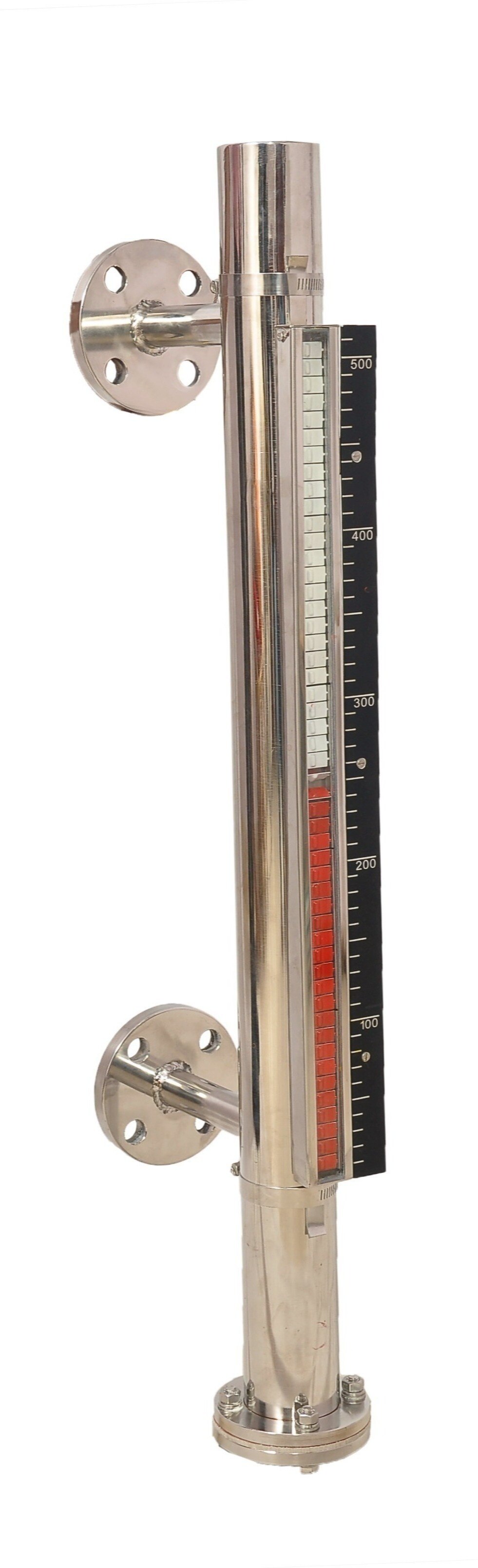
| Magnetic level gauge | Local visual level indication | On-site viewing; add separate contacts for pump control |
A level switch for diesel tanks in bengaluru is not selected by location. Check diesel or petrol compatibility, additives, biodiesel content, float density range, stem and float materials, gasket and seal materials, roof or wall thickness, threaded or flanged connection, insertion length, pressure, temperature, vibration, turbulence, foam, sludge, wax, and guide-tube obstruction.
Confirm whether direct roof entry or an external stilling chamber is preferable. A chamber simplifies isolation and removal but adds valves, flange joints, leakage paths, and blockage points; direct mounting has fewer wetted joints but is harder to service on a full tank.
Choose a different instrument when you need continuous volume measurement rather than a fixed start, stop, or alarm action.
How do you make the switch electrically and hazardous-area safe?
Treat the reed contact as a signal device, not as a miniature motor starter. Before wiring it, obtain the selected model’s maximum switching voltage and current, overall contact rating, resistive-load and inductive-load ratings, SPST or SPDT arrangement, cable-length limits, and enclosure or ingress-protection rating.
Check these items against the actual control circuit:
- Do not connect a pump motor, motor starter, solenoid valve, or contactor coil directly to the reed contact unless the manufacturer approves that exact load.
- Account for inrush current and inductive voltage from coils and long cables; either can exceed a contact’s resistive rating.
- Use an interposing relay, PLC input, suitably rated interface, or intrinsically safe isolator when the contact cannot carry the load.
- Define the safe state for a broken wire and power loss, rather than leaving that decision to software.
For petrol or other flammable-fuel service, evaluate the switch, cable gland, junction box, barrier, wiring, and control circuit as one installation. Confirm the hazardous-area classification, equipment marking, gas group, temperature class, ingress-protection rating, intrinsic-safety entity parameters, segregation, earthing, and inspection requirements.
An intrinsically safe circuit does not make an ordinary enclosure or cable gland acceptable in a classified area. A magnetic level switch for fuel tanks in Bengaluru requires the same technical checks; local installation and inspection rules still apply.
Complete a functional test that proves the low alarm, high alarm, shutdown action, power-loss behavior, and any independent high-high trip. Do not rely on software alone for an emergency protective action.
What should you ask a level switch manufacturer before ordering?
Do not order from a tank connection size alone. Ask for model-specific documents that prove the switch will fit, survive the fuel service, and perform the required action.
1. Request a dimensional drawing showing mounting type, connection size, insertion length, float travel, switch elevations, minimum contact separation, and available internal clearance.
2. Request the wiring diagram, SPST or SPDT arrangement, normally open or normally closed behaviour at rising and falling level, switching-point tolerance, repeatability, maximum pressure and temperature, minimum and maximum specific gravity, wetted-material list, seal details, and cable-gland details.
3. Give the supplier the exact fuel and additives, temperature range, tank pressure, mounting orientation, control voltage, connected relay or PLC input, actual load type, and required fail-safe action. Obtain contact ratings for that load, including inductive duty where applicable.
4. Ask for hazardous-area certificates where applicable, material certificates, calibration or switch-position records, the proof-test procedure, and the factory acceptance-test format. The FAT should show how each contact, alarm, shutdown, power-loss response, and fail-safe action is checked.
5. When comparing a level switch manufacturer in Bengaluru, verify whether the company manufactures the sensing assembly or resells it. Filpro Sensors Pvt Ltd belongs in the comparison when it can provide these model-specific drawings, ratings, compatibility statements, and test records.
For a magnetic level switch for fuel tanks in Bengaluru, city of supply does not replace technical qualification. Confirm local cable-gland, earthing, inspection, and hazardous-area requirements before accepting a general-purpose model.
Related products
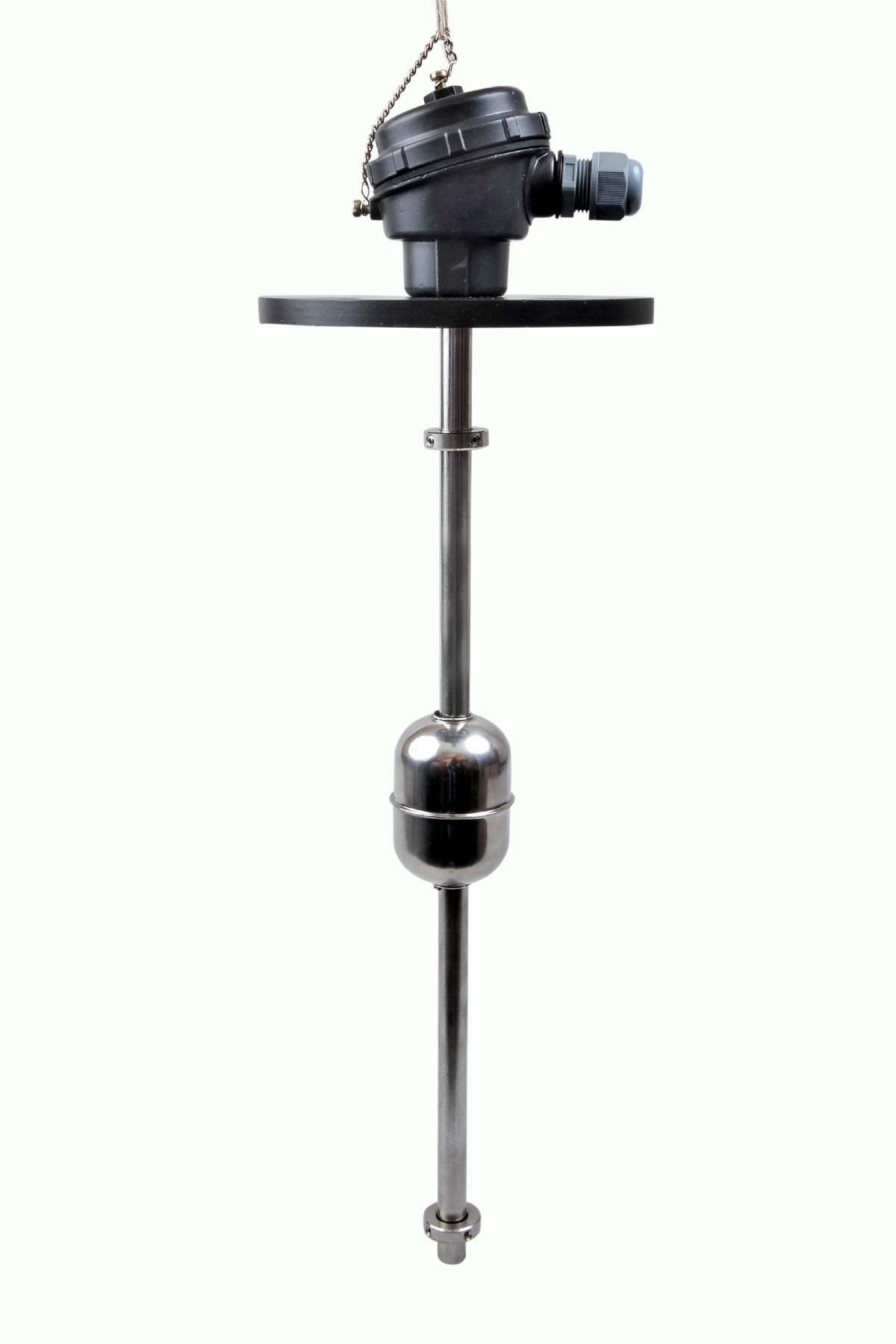 | Level Switch The Magnetic Level Switch consists of the non-abrasive float carrying permanent magnet and non-ferrous stem carrying one. View product → |
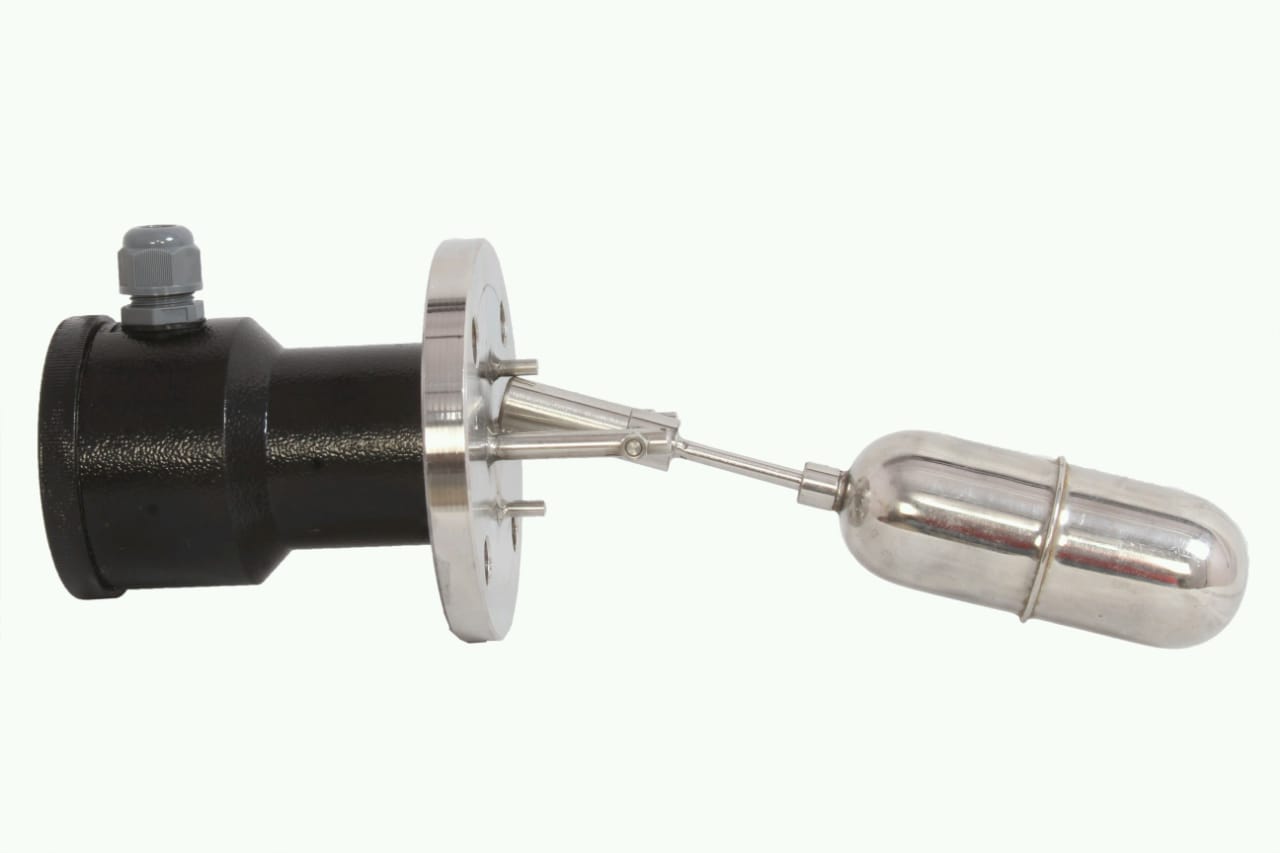 | Level Switch Filpro offers most reliable, cost effective Side Mounted Level Switch for point level sensing. View product → |
Frequently asked questions
What jobs does a magnetic level switch perform in a fuel tank?
It changes an electrical contact state when fuel reaches a configured elevation, triggering alarms, pumps, valves, or shutdown circuits. It does not provide continuous level measurement.
How should you define low, high, and emergency switching points?
Set each elevation against the tank outlet, pump protection requirement, usable volume, overflow margin, and the action required when the contact changes state.
How do you choose tank arrangement and measurement technology?
Choose a vertical or horizontal float arrangement that suits the tank geometry, then compare magnetic switching with continuous technologies such as radar, guided wave radar, or hydrostatic measurement.
How do you make the switch electrically and hazardous-area safe?
Verify contact voltage and current, switching load, cable entry, enclosure rating, earthing, intrinsically safe circuits, and the area classification before installation.
What should you ask a level switch manufacturer before ordering?
Request a dimensional drawing, wetted-material details, switching-point tolerances, contact ratings, float specifications, test documents, and hazardous-area certification where required.