A level gauge lets someone see the liquid at the vessel, while a level transmitter turns the measurement into a signal that other equipment can use. By separating local indication, continuous measurement, point-level switching and safety protection, you can select one device, combine devices or reject both for a better-fit technology.
Key takeaways
- Choose a gauge for local confirmation and a transmitter for remote monitoring or control.
- Use both when operators need a local reading and the control system needs a signal.
- Match technology to tank pressure, liquid properties, temperature and measurement range.
- Verify connections, calibration, visibility and alarm settings before commissioning.
What is the functional difference between a gauge and a transmitter?
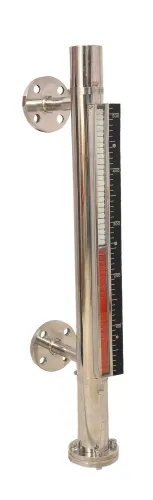
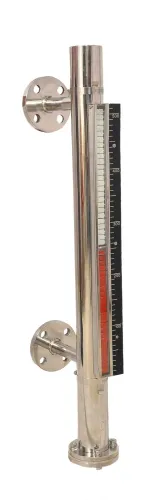
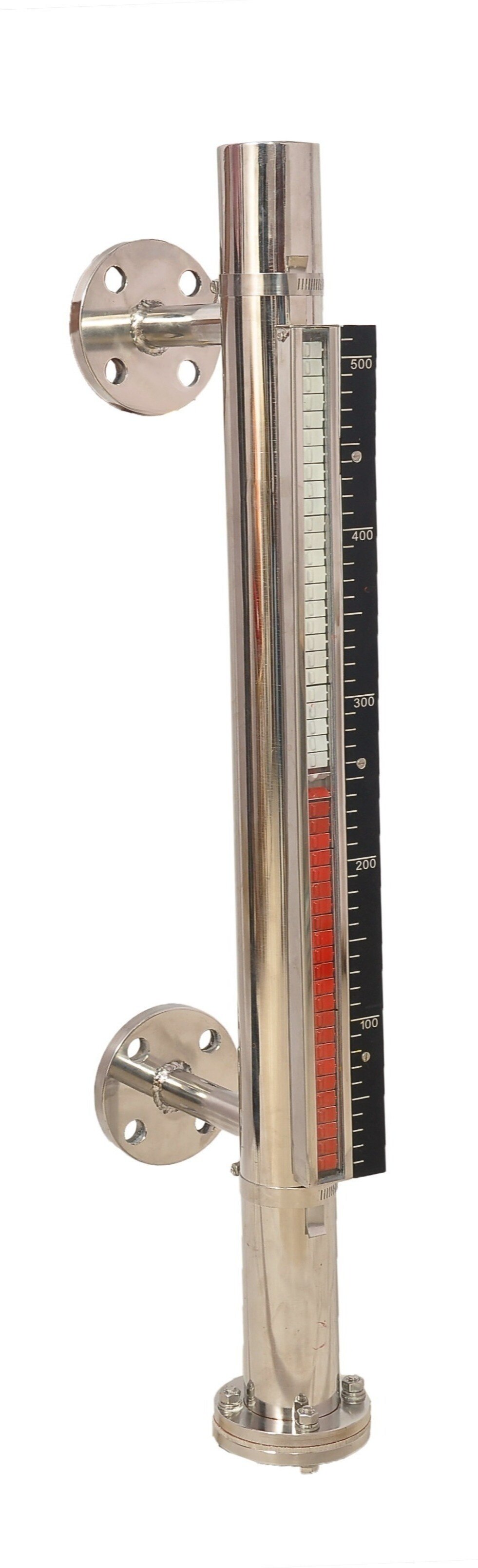
A level gauge normally gives an operator a local visual reading at the tank. A level indicator is the broader functional term; a level gauge usually means a direct-reading or mechanically coupled device, such as a sight glass, reflex gauge, float-and-board gauge, or magnetic level gauge.
Therefore, level indicator versus level gauge is not always an interchangeable specification.
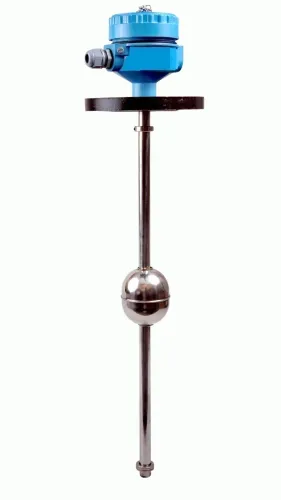
A level transmitter measures level and sends an electrical signal—commonly 4–20 mA, with HART or digital communications—to a PLC, SCADA system, local display, data logger, or control loop. It supports remote indication, alarms, trends, and automatic control, but depends on suitable power, wiring, and instrumentation.
The practical level gauge versus level transmitter choice depends on the job:
| Option | Primary function | Limitation |
|---|---|---|
| Level gauge | Local visual confirmation | No automatic remote alarm, trend, or control signal |
| Level transmitter | Continuous remote measurement | Requires instrumentation infrastructure and maintenance |
| Point-level switch | Changes state at one set point | Cannot show whether the vessel is 20% or 80% full |
A gauge remains useful during loss of electrical power, network communication, or control-system availability. Choose both when operators need field verification and the process also needs automated monitoring.
Neither a normal gauge nor a standard transmitter automatically qualifies as an independent overfill safeguard under IEC 61511. If the measurement supports a safety instrumented function, verify the complete sensor, logic solver, and final element arrangement through the required safety lifecycle.
Choose by the job: local confirmation, remote control or both
Choose a level gauge when an operator needs immediate visual confirmation at the vessel, electrical power is unavailable, or field rounds are the primary operating method. Choose a level transmitter when the tank is distant or access is restricted, or when operators work from a control room.
Choose both when you need local verification and continuous remote measurement.
| Option | Choose it when | Main benefit | Main limitation |
|---|---|---|---|
| Gauge | Local confirmation matters; power is unavailable; field rounds drive operation | Remains readable during power or network loss | Normally cannot create a control-room alarm, trend, data log, or automatic pump command |
| Transmitter | The tank is distant; access is restricted; operators use a control room; you need alarms, trending, logging, automatic control, or PLC, DCS, or SCADA integration | Sends a continuous signal for remote indication and automation | Depends on instrument power, wiring, configuration, calibration, and signal quality |
| Both | Operators need field verification while the control system needs a continuous signal | Combines local visibility with remote monitoring and control | Shared process connections or installation faults can affect both readings |
The practical level transmitter versus level gauge choice depends on the job, not on which device is universally better. A gauge provides resilient local observation; a transmitter supports automation but cannot compensate for excessive damping, poor calibration, a failed signal path, or a faulty pump control loop.
Neither device alone is sufficient for a hazardous overfill duty. Use an independently engineered protection layer selected through the process hazard analysis, with defined response time, independence, proof-test interval, and failure response. A level gauge versus level transmitter comparison does not replace that safeguard decision.
Match the measurement technology to the tank and liquid
Level range alone cannot select a device: tank geometry, liquid behaviour and mounting access decide whether the reading remains trustworthy. Compare vertical and horizontal tanks, narrow vessels, restricted nozzles, ladders, heating coils, agitators and internal obstructions before fixing the mounting position.
| Technology | Main vulnerability | Check before selection |
|---|---|---|
| Hydrostatic transmitter | Density, elevation and pressure-connection errors | Recalculate span for density changes and transmitter elevation; keep impulse lines clear, and account for wet- or dry-leg temperature and unequal condensation |
| Ultrasonic transmitter | Foam, vapour, turbulence, buildup and poor acoustic paths | Provide a clear beam and avoid obstructions, inlet streams and tank roofs that create echoes |
| Radar or guided-wave radar | False echoes, poor antenna or probe placement and dielectric changes | Check antenna clearance, probe length, internal metalwork and the liquid’s dielectric behaviour |
| Local gauge | Visibility, sticking or chamber blockage | Match the gauge to opacity, dirt, pressure and cleaning access |
A corrosive liquid needs compatible wetted materials. Suspended solids, high viscosity, coating and floating layers can disable a float, chamber, diaphragm, probe or antenna; confirm that each remains movable, clear and chemically resistant.
A sight glass exposes the level directly and becomes hard to read when the liquid is opaque or dirty. A magnetic gauge isolates process fluid from the viewing chamber, but coating, solids, viscosity, incorrect float density or weak magnets can make its external indication wrong.
A float-and-board gauge remains simple, yet wind, a stuck float or a fouled guide can mislead you. A level gauge versus level transmitter decision should follow these failure modes, not range alone.
What can make a local gauge or remote reading wrong?
A local reading can be wrong even when the vessel level is changing normally. In a level indicator versus level gauge decision, inspect the installation and failure modes, not just the display type.
- Sight-glass gauges fail when connections plug, fluid fouls the glass, the process is opaque, or the glass breaks. Incorrect isolation-valve positions can create a false safe reading. Specify isolation valves, drain and vent arrangements, a protective shield, pressure and temperature ratings, and glass compatible with the fluid.
- Magnetic gauges keep process fluid out of the viewing chamber, but coating, solids, high viscosity, unsuitable float density, weak magnets, or a stuck float can leave the external indication wrong while level changes.
- Float-and-board indicators give false readings when ropes tangle, pulleys seize, the float sticks, the pointer bends, the scale board is damaged, or operators cannot see the board from their normal location.
- Transmitters can misread because impulse lines or sensing elements plug, wiring fails, calibration drifts, radar receives false echoes, or excessive damping conceals a rapid excursion.
A level transmitter versus level gauge comparison must include control performance. A 4–20 mA loop does not guarantee good control: check response time, update rate, output failure behavior, calibration, and the final control element. A slow valve can defeat an accurate measurement.
Specify, install and verify the arrangement before you buy
Turn the level transmitter versus level gauge decision into a written procurement and commissioning specification, not a catalogue choice. Define whether “level indicator” means local visual indication only or also an electronic display, then state whether the transmitter must provide 4–20 mA, HART, fieldbus or another interface.
1. Record the process fluid, density range, temperature, pressure, viscosity, solids, foam, vapour and corrosion risk. Add tank dimensions, nozzle location, reference datum, expected level range, required response time and required output.
2. Specify the installation arrangement and access for cleaning, calibration and proof testing. Document signal-loss behaviour, such as upscale, downscale or a held value, and set the alarm points, including any high-high or low-low function.
3. During commissioning, reconcile the level gauge versus level transmitter against the same elevation datum across the normal operating range. Do not adjust one instrument merely to force agreement when the devices use different reference points or have different failure modes; investigate offset, float sticking, plugged connections, false echoes and isolation valves.
Filpro Sensors Pvt Ltd can be relevant when comparing instrument arrangements for industrial tanks and fuel systems, but choose from vessel geometry, process conditions and the control or safety function—not a catalogue label. A continuous transmitter alone is not an independent overfill safeguard unless the protection design provides the required independence and proof testing.
Related products
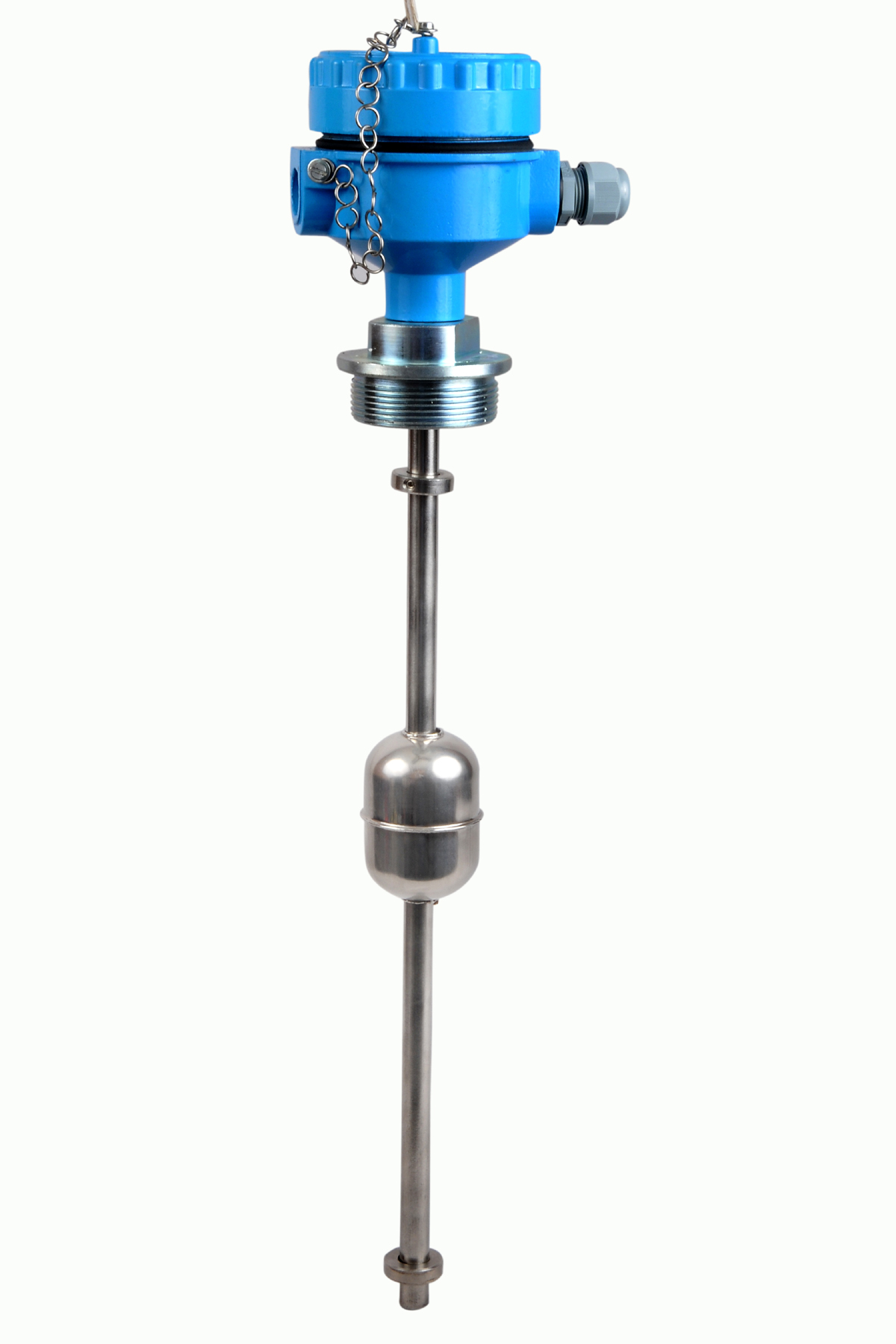 | Level Transmitter Float Level Transmitters Are Ideal For Continuous Level Monitoring In Water, Diesel, Chemical And Oils For Accurate Level Measurement. View product → |
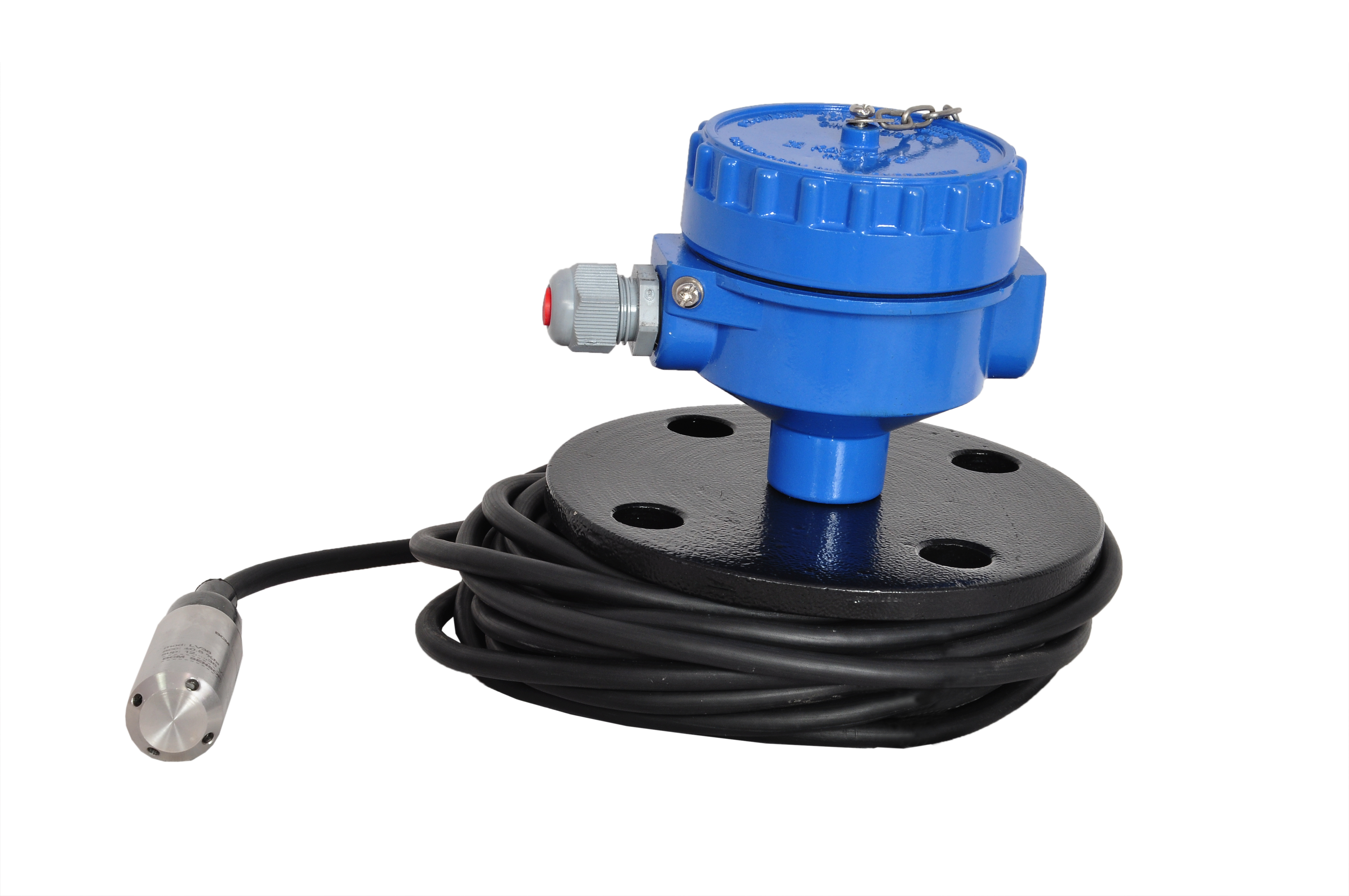 | Level Transmitter Hydrostatic liquid level transducers and transmitters with flush diaphragm is designed fora wide variety of level measurement applications. View product → |
Frequently asked questions
What is the functional difference between a level gauge and a level transmitter?
A level gauge shows liquid level locally at the tank, while a level transmitter measures level and sends a signal to a remote display, PLC, DCS or control system.
Should you choose a level gauge, a level transmitter, or both?
Choose a gauge for local confirmation, a transmitter for remote monitoring or automatic control, and both when you need local visibility alongside a control-system signal.
How do you match level measurement technology to a tank and liquid?
Compare the tank pressure, temperature, level range, liquid density, viscosity, solids, corrosiveness, foam, vapour and required accuracy before selecting the technology.
What can make a local gauge or remote level reading wrong?
Blocked chambers, dirty sight glasses, stuck floats, incorrect calibration, unsuitable installation, electrical faults, vapour, foam and changing liquid properties can produce incorrect readings.
Related products
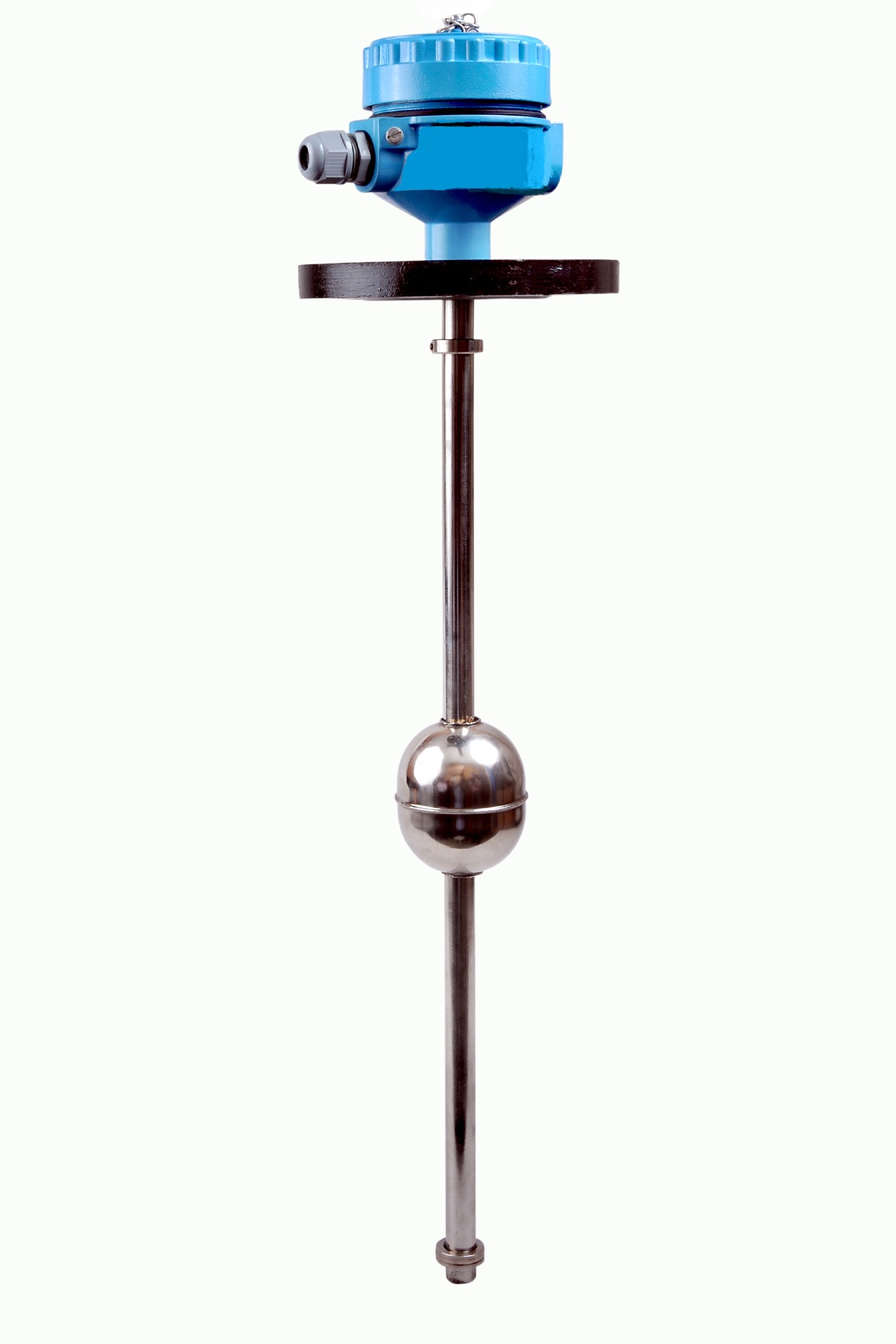 | Level Sensor Atex approved Float Level Transmitter : Over All Length: 300mm to 5000mm Input: 16V DC to 30V DC Output: 4-20mA / 0-10V DC Resolution: 5mm / 10mm... View product → |
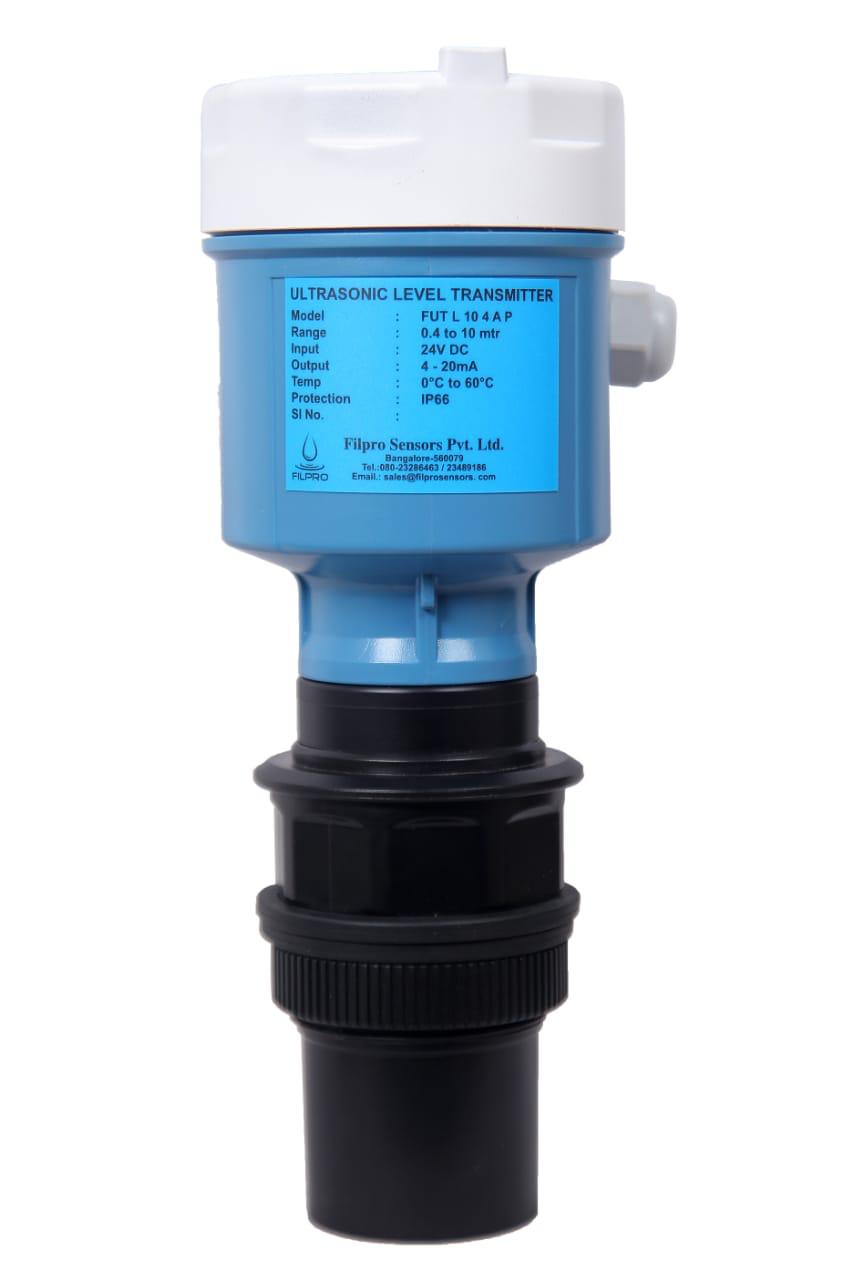 | Level Transmitter Ultrasonic Level Sensor is a non-contact ultrasonic continuous level measurement product based on sound technology. View product → |
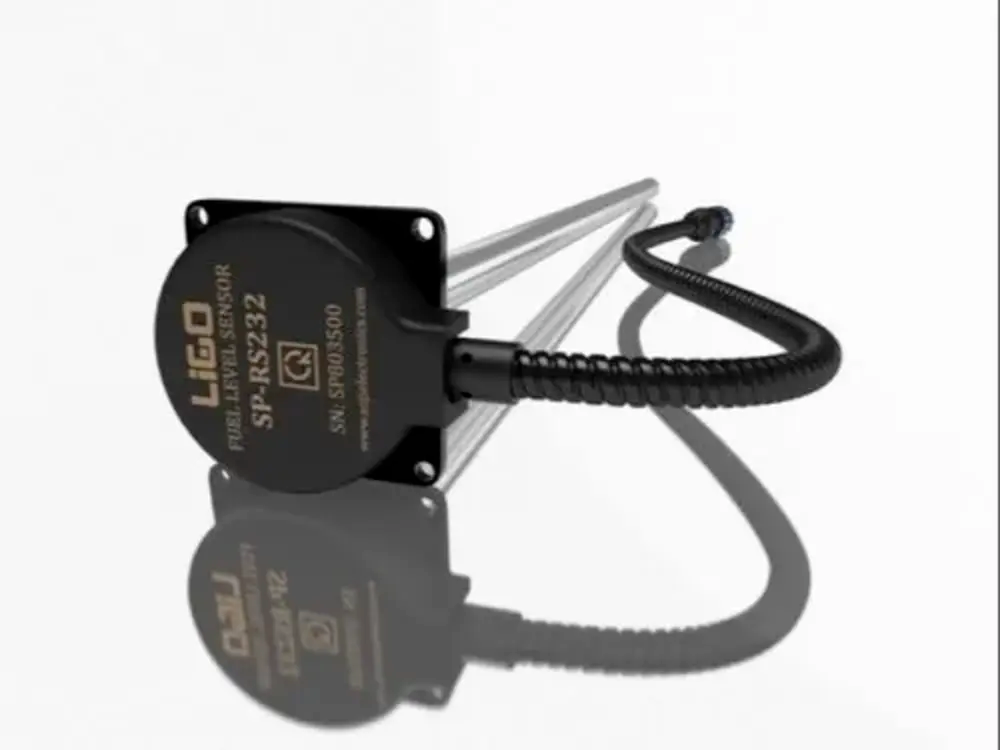 | Level Sensor Ligo fuel sensor for monitoring Diesel and Petrol level in vehicle fuel tanks and DG sets. View product → |
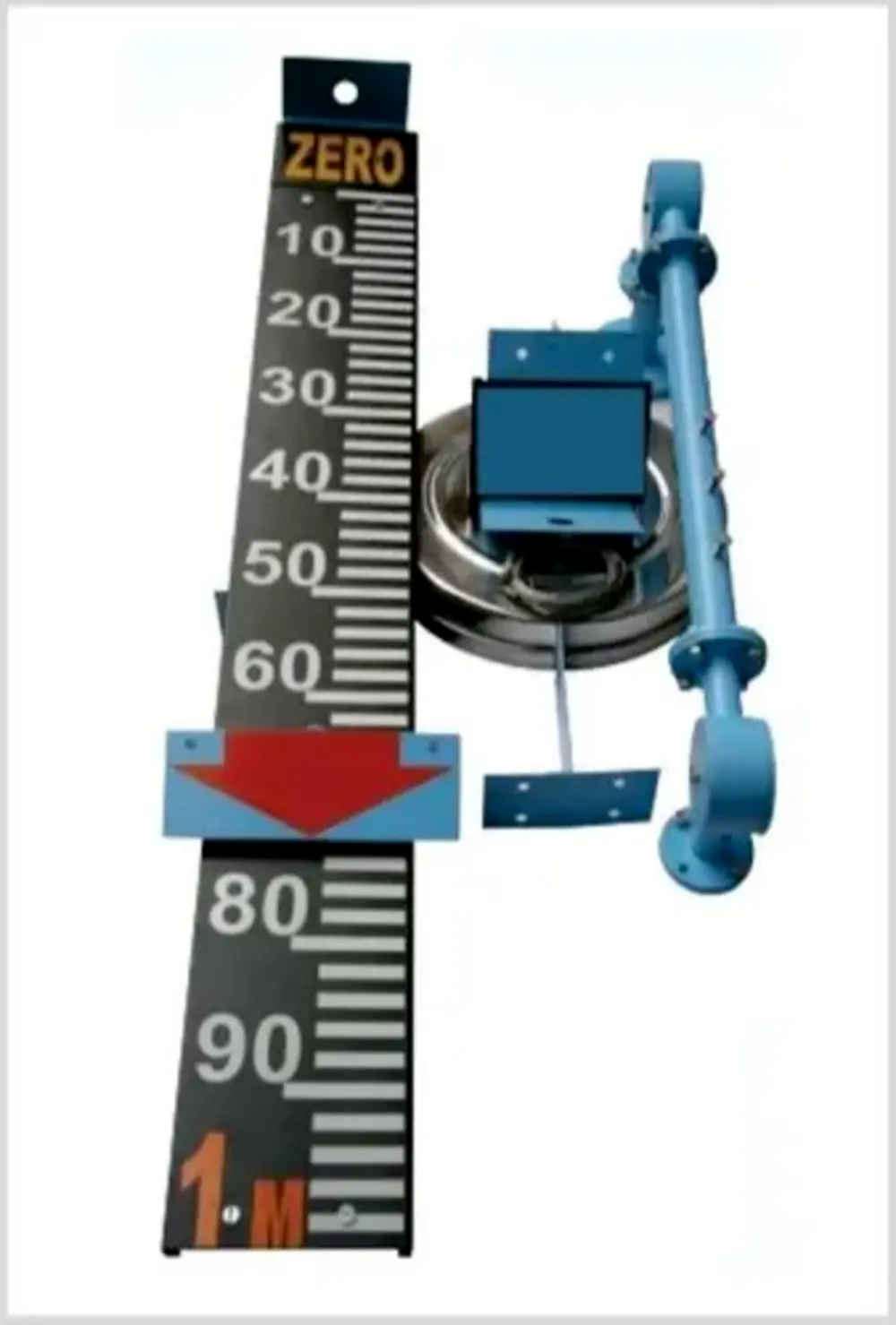 | Level Indicator The Float & Board Level Indicators consists of a float connected to a pointerthrough a rope via a set of pulleys. View product → |