A suitable level instrument depends on the liquid, vessel, control system, hazardous-area requirements and maintenance plan—not just the sensing principle or catalogue price. By the end, you can issue a complete specification, compare quotations line by line and test whether a supplier can support the instrument after delivery.
Key takeaways
- Define the liquid, tank, range, temperature and hazards before comparing sensors.
- Put nozzle size, mounting, outputs, documents and commissioning into every RFQ.
- Compare industrial level sensor price with installation, wiring, calibration and maintenance costs.
- Test response times and service support before placing the purchase order.
Start with the measurement job, not the sensor technology
Choose the measurement job before choosing sensor technology. Give an industrial level sensor supplier the process facts that determine whether a reading will remain reliable:
- Liquid composition, density, viscosity, conductivity, solids and foam
- Minimum and maximum level, temperature, pressure, vacuum and vapor conditions
- Tank geometry, agitation, internal obstructions, nozzle diameter and mounting position
- Hazardous-area classification, accuracy, response time, output protocol and proof-test requirements
A supplier that recommends radar or any other principle without reviewing the vessel geometry creates procurement risk. Compare quotations only when they include the same process connection, wetted materials, certification, display, cable entry, remote electronics, calibration, commissioning and spares.
| Option | Fits when | Wrong choice when |
|---|---|---|
| Point-level switch | You need high or low alarm control | You need continuous inventory measurement |
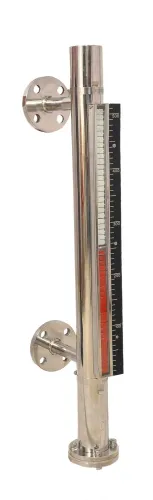
| Visual gauge | The liquid is clean and local inspection is safe | The tank is pressurised, opaque, hazardous or unattended |
| Hydrostatic transmitter | A conductive liquid has stable density | Temperature, concentration or batch changes alter density |
| Ultrasonic transmitter | The vessel has a clear vapor space and moderate conditions | Heavy foam, vapor, condensation or temperature variation disrupts echoes |
| Radar transmitter | You need non-contact measurement across pressure or temperature changes | Foam, obstructions, multiple reflections or poor nozzle geometry dominate |
| Guided-wave radar | A defined probe path suits the vessel | Coating, buildup, anchoring or contact with internal equipment is likely |
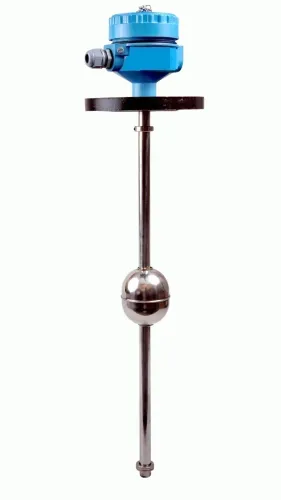
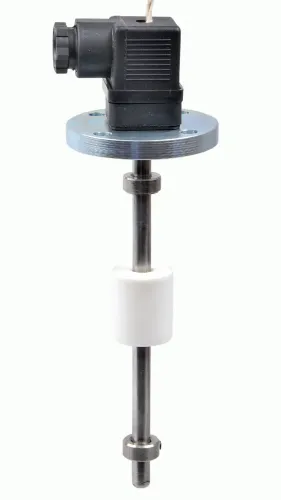
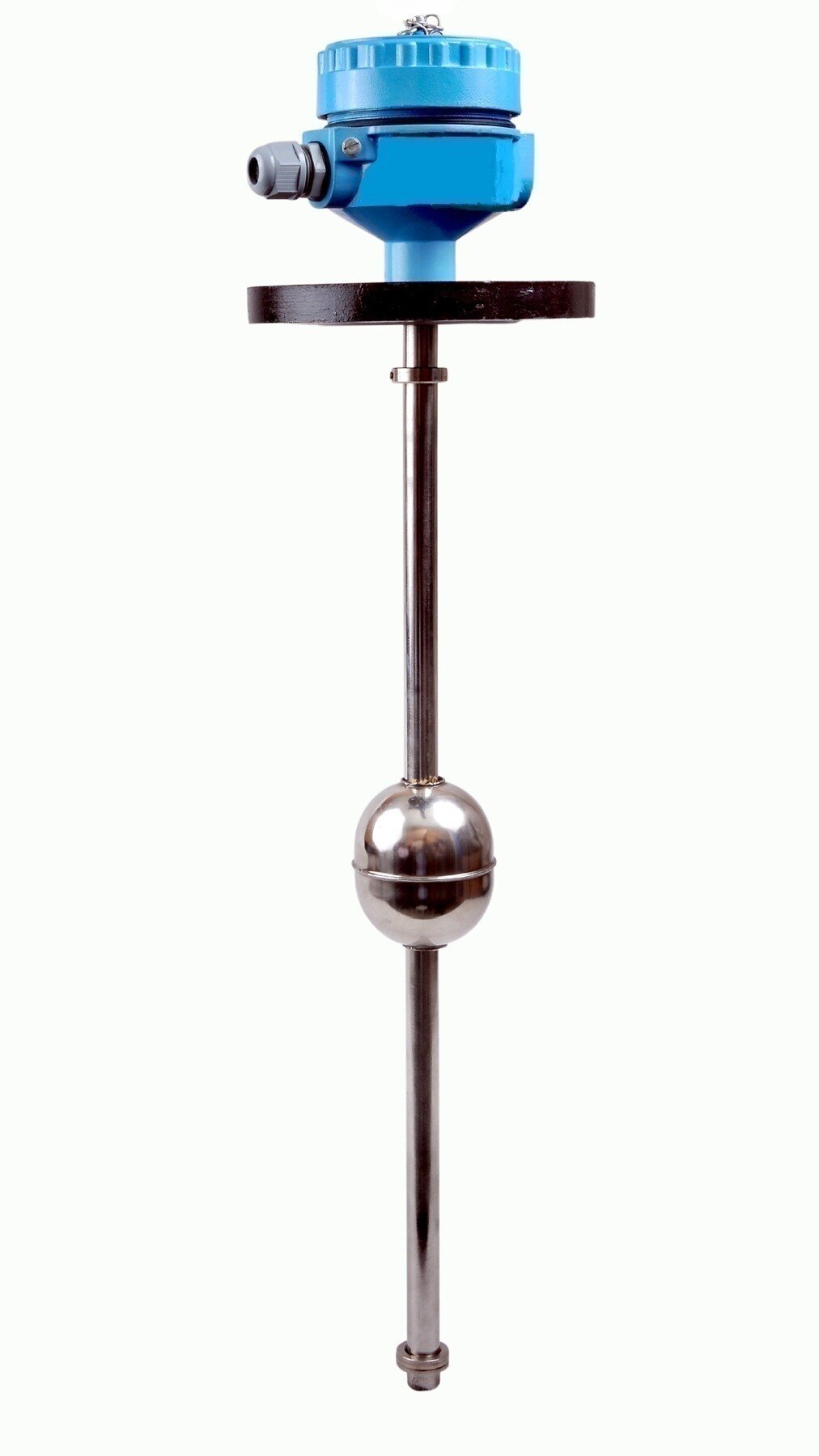
| Float system | A simple mechanical indication suits a clean tank | Turbulence, sticky liquid or restricted movement causes binding |
| Capacitance instrument | Dielectric properties remain stable | Coating or changing product composition shifts the calibration |
Build an RFQ that exposes application and installation risks
Give an industrial level sensor supplier enough process and installation data to price a working measurement, not just a transmitter.
1. State the liquid’s composition, minimum and maximum density, viscosity, conductivity or dielectric constant, solids, foam, vapour, corrosive constituents and expected buildup.
2. Provide the measurement range, minimum and maximum level, operating and design temperature, operating and design pressure, vacuum conditions, required accuracy, response time and proof-test interval.
3. Attach a vessel sketch showing tank diameter and height, roof shape, internal coils or agitators, inlet streams, obstructions, vapour space, nozzle location, nozzle diameter, flange rating and available insertion length.
4. Identify the hazardous-area classification, enclosure and ingress requirements, cable-entry arrangement, ambient temperature and required output, such as 4–20 mA, HART, Modbus or a switching contact.
5. Ask the supplier to state antenna or probe type, wetted-part material, process connection, probe coating risk, anchoring method, mechanical loading and clearance from internal equipment. A guided-wave probe that touches buildup or an agitator can create a maintenance problem before commissioning.
Require an itemised quotation covering the sensor, remote electronics, display, certification, cable, barriers, brackets, stilling wells, calibration documents, commissioning, freight and recommended spares. Otherwise, a low industrial level sensor price may hide installation labour, shutdown time and recurring cleaning.
For a SIL application, request the safety manual, failure-rate data, safe failure fraction, diagnostic coverage, hardware-fault-tolerance assumptions, proof-test coverage and installation restrictions. A SIL-capable sensor does not make the complete protection loop SIL capable.
Compare industrial level sensor price as a complete installed cost
Industrial level sensor price varies with more than the transmitter. A low line item can become the higher installed cost when it needs a custom bracket, stilling well, signal conditioner, intrinsic-safety barrier, special cable, frequent cleaning, or manual intervention for foam and buildup.
Compare quotations on an identical delivered scope. Require the same probe or antenna, wetted-part material, process connection, pressure and temperature ratings, enclosure, display, output protocol, cable entry, remote electronics, calibration certificate, commissioning, freight, and spare parts.
Ask each supplier to state these cost items:
- Instrument and selected options
- Mounting hardware, cable, conduit, barriers, and cable entries
- Installation labour, calibration, commissioning, and tank shutdown time
- Annual cleaning, inspection, proof testing, and replacement parts
- Hazardous-area approval, including gas or dust group, temperature class, equipment-protection level, ambient range, protection concept, and installation method
- SIL documentation, including the safety manual, failure rates, diagnostic coverage, hardware fault tolerance, proof-test coverage, and maintenance restrictions
| Cost layer | Include in both quotations | Why it changes the comparison |
|---|---|---|
| Instrument scope | Probe or antenna, connection, ratings, display, output, certification | Catalogue prices may describe different configurations |
| Installation | Hardware, wiring, barriers, labour, shutdown, commissioning | A cheaper sensor can need a costlier installation |
| Ownership | Cleaning, calibration, proof tests, spares, failures | Maintenance burden determines total cost |
For hydrostatic transmitters, include density compensation when temperature, concentration, or formulation changes density; otherwise a correct pressure reading can still show the wrong level. Compare total cost of ownership over the planned service period, not industrial level sensor price alone.
Check the control-system fit, documents and commissioning plan
Verify the proposed sensor at three levels: it must measure the liquid in your vessel, connect to the control system, and be installable under site and hazardous-area rules. Ask the supplier to map the signal path from the sensing element to the PLC, DCS, alarm system or safety instrumented system.
- Confirm measurement range, accuracy, response time, minimum and maximum temperature and pressure, process connection, probe or antenna length, enclosure rating, and cable entry.
- Identify the exact output: 4–20 mA, HART, Modbus RTU, Profibus PA, Foundation Fieldbus or another protocol. Check whether the system needs a resistor, intrinsic-safety barrier, gateway, configuration tool, device-description file or licensed asset-management module.
- Request the hazardous-area certificate showing gas or dust group, temperature class or maximum surface temperature, equipment-protection level, ambient-temperature range, protection concept and intrinsic-safety entity parameters.
- For an overfill function, document whether the continuous transmitter and high-high switch are independent, including common-cause risks, diagnostics, response time and proof-test interval.
- Require the datasheet, wiring diagram, loop drawing, calibration certificate, configuration record, inspection documents and recommended spare-parts list.
- Put commissioning in the quotation: mounting checks, loop testing, range configuration, control-system integration, alarm testing, operator training and signed acceptance records.
An industrial level sensor price is comparable only when these inclusions match. A low line-item price can become expensive after a gateway, custom bracket, barrier or repeated cleaning is added.
Test the supplier’s service before you place the order
Test service before ordering by giving the industrial level sensor supplier a written fault scenario and asking for its response, not accepting a promise of “full support.” A capable supplier will identify selection risks, name the engineer responsible, and provide a clear escalation path after delivery.
1. Ask for a selection review that explains why the proposed instrument suits your liquid, vessel and operating conditions, and names the conditions that would make it unsuitable.
2. Request a commissioning checklist covering mounting, wiring, configuration, calibration verification, loop testing and operator training. Require documented factory calibration, serial-number traceability, firmware revision and an as-left test record.
3. Ask for a sample repair process showing the RMA contact, fault diagnosis steps, repair turnaround time, test performed before return and warranty treatment.
4. Require written confirmation of replacement electronics, probes and seals, plus the obsolescence policy and notification period for discontinued models.
5. If the transmitter supports a credited safety function, request its safety manual, proof-test procedure, diagnostic limits and installation restrictions. A SIL label alone does not qualify your complete protection loop.
Ask Filpro Sensors Pvt Ltd to state when its ultrasonic, hydrostatic or float options are unsuitable, rather than recommending one instrument for every tank. Record each answer beside the quotation, including service charges and response times; that evidence is more useful than an industrial level sensor price printed on the first page.
Related products
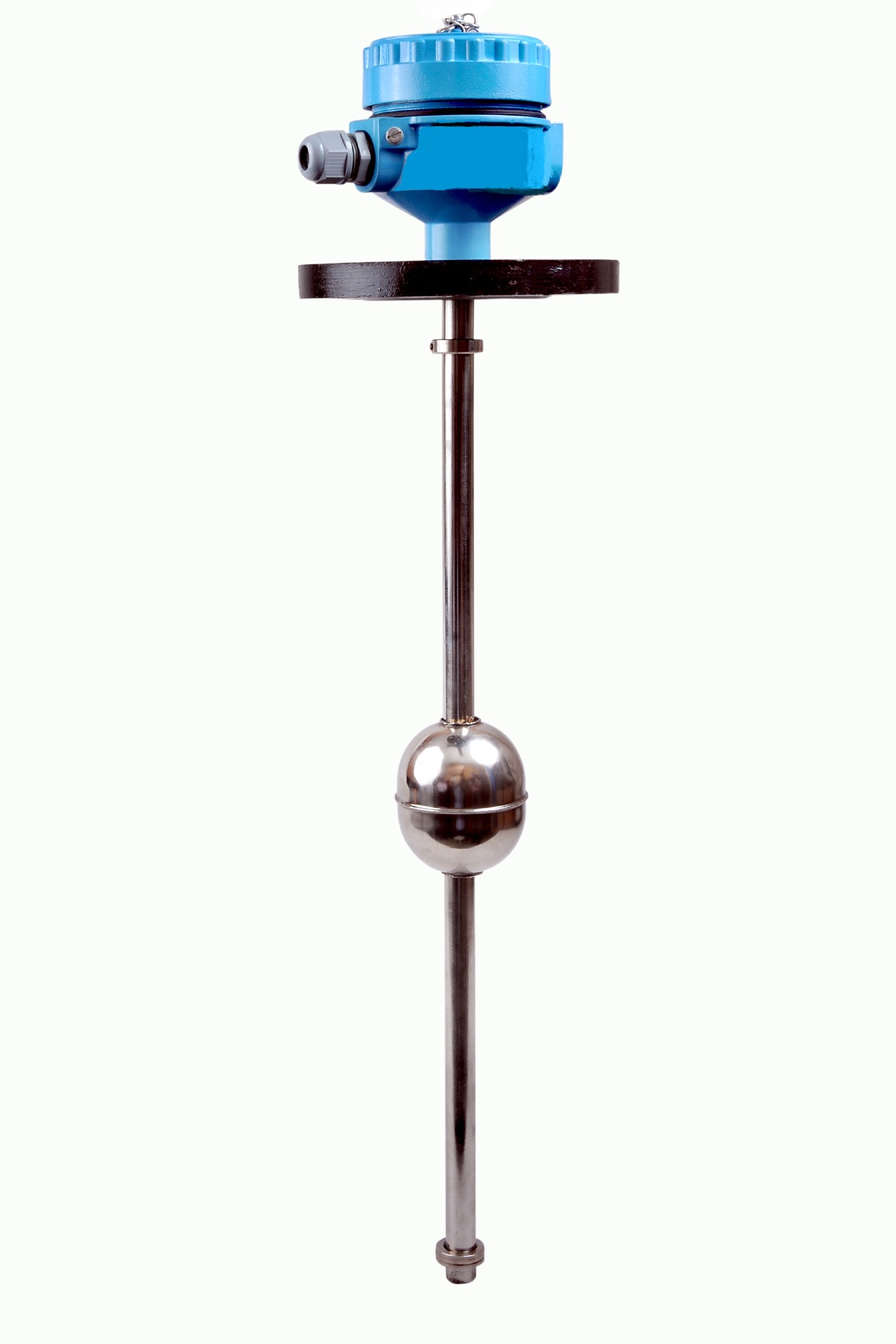 | Level Sensor Atex approved Float Level Transmitter : Over All Length: 300mm to 5000mm Input: 16V DC to 30V DC Output: 4-20mA / 0-10V DC Resolution: 5mm / 10mm... View product → |
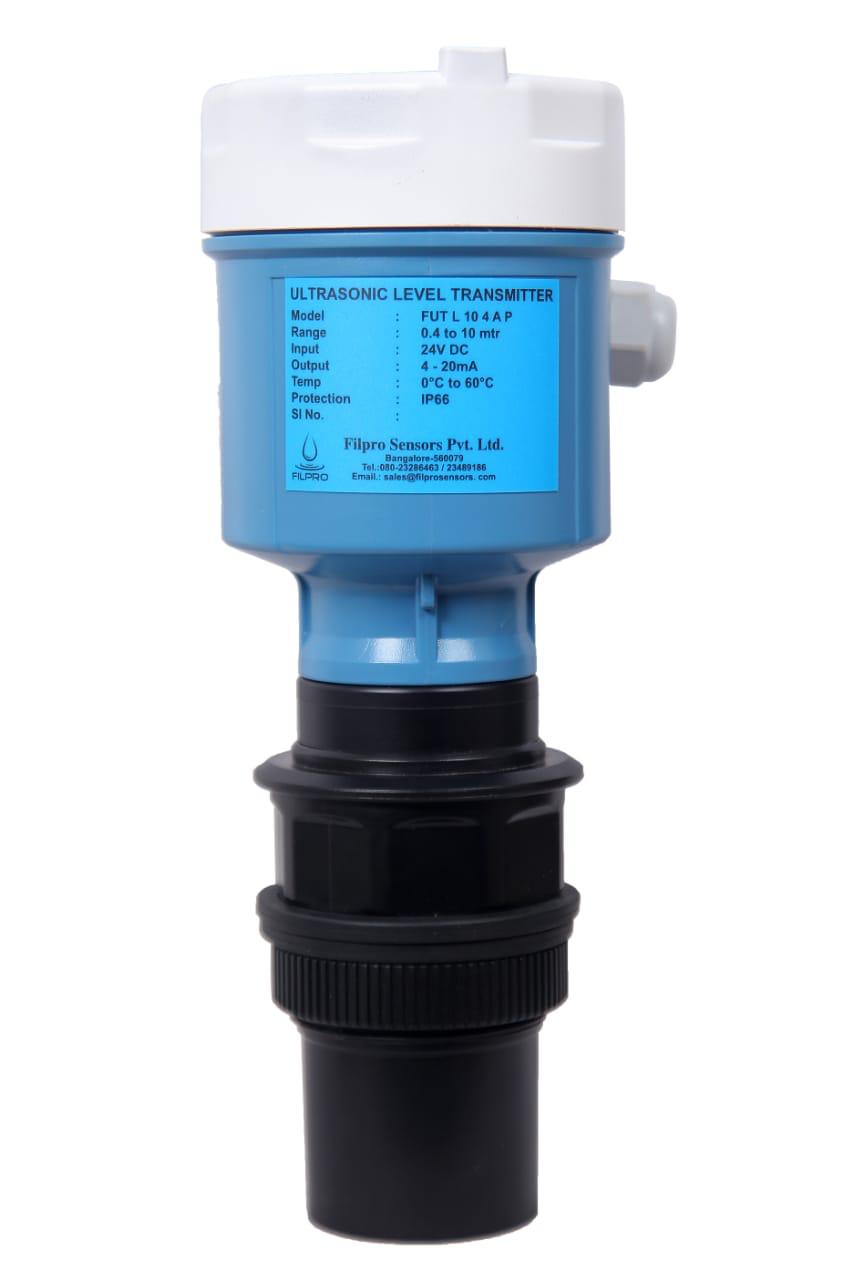 | Level Transmitter Ultrasonic Level Sensor is a non-contact ultrasonic continuous level measurement product based on sound technology. View product → |
Frequently asked questions
What information should you give an industrial level sensor supplier?
Give the supplier the liquid properties, tank dimensions, measurement range, temperature, pressure, foam, vapour, solids, hazards, mounting details and required output.
How should you compare industrial level sensor price?
Compare the complete installed cost, including the sensor, mounting hardware, cabling, barriers, control-system integration, commissioning, calibration and future maintenance.
What should an RFQ for an industrial level sensor include?
Specify the application, process conditions, connection, materials, enclosure, output signal, accuracy, approvals, documents, delivery requirements and commissioning scope.
How can you check an industrial level sensor supplier before ordering?
Test the supplier’s technical response, document quality, spare-parts process, warranty terms, troubleshooting support and commissioning plan.
Related products
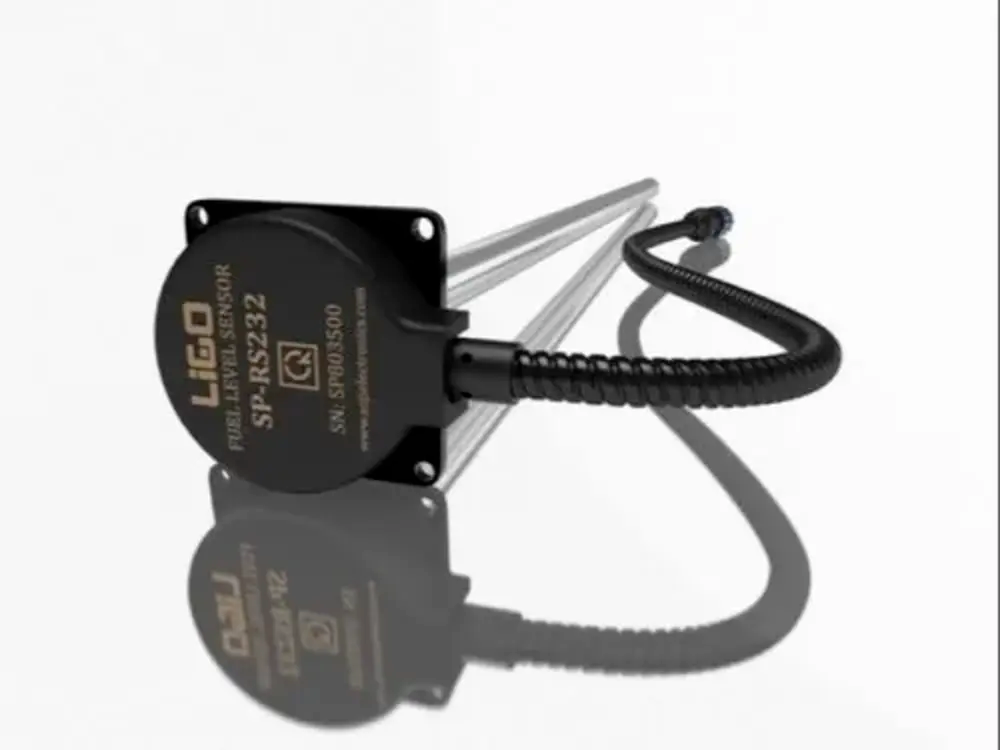 | Level Sensor Ligo fuel sensor for monitoring Diesel and Petrol level in vehicle fuel tanks and DG sets. View product → |
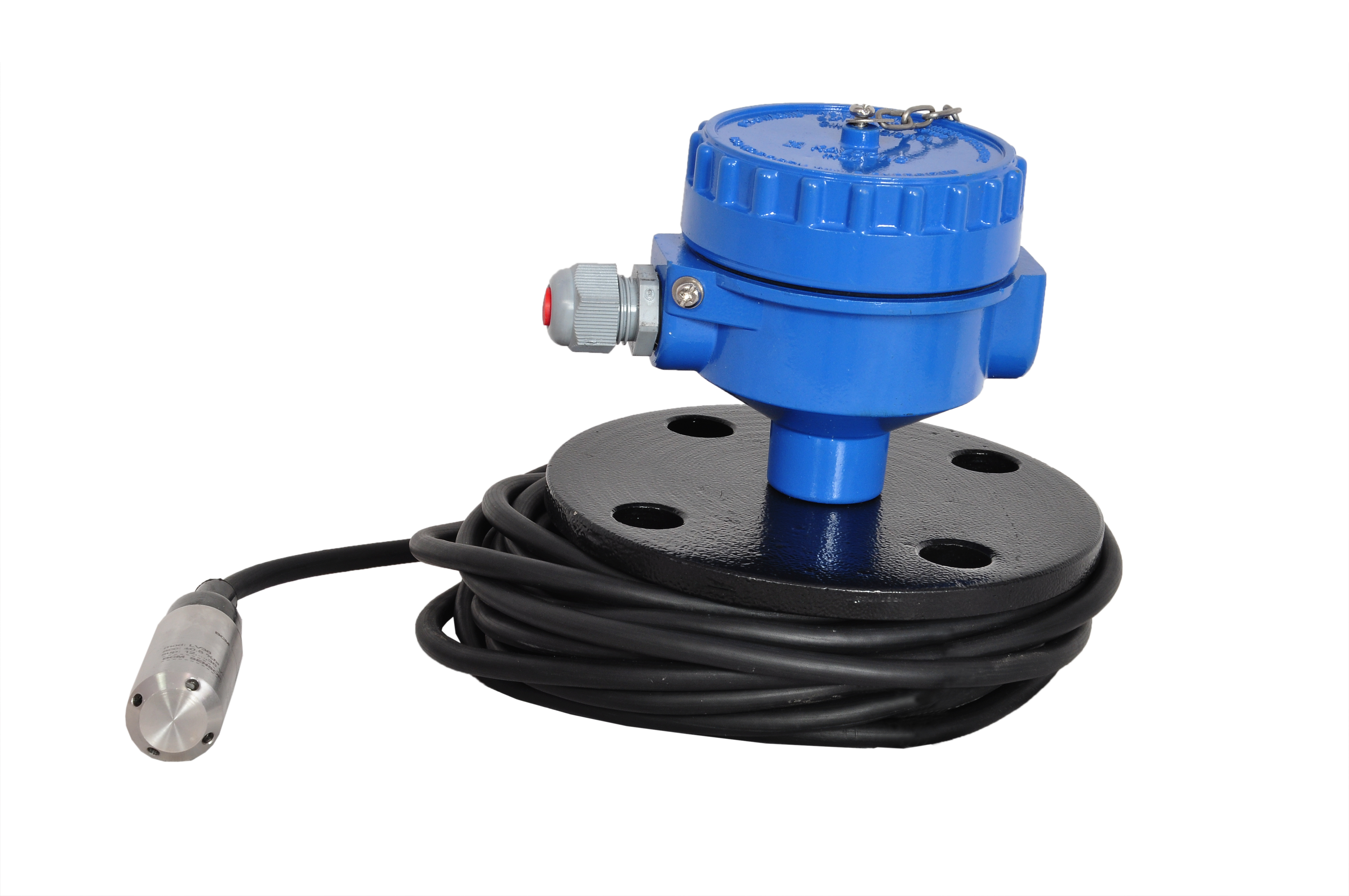 | Level Transmitter Hydrostatic liquid level transducers and transmitters with flush diaphragm is designed fora wide variety of level measurement applications. View product → |
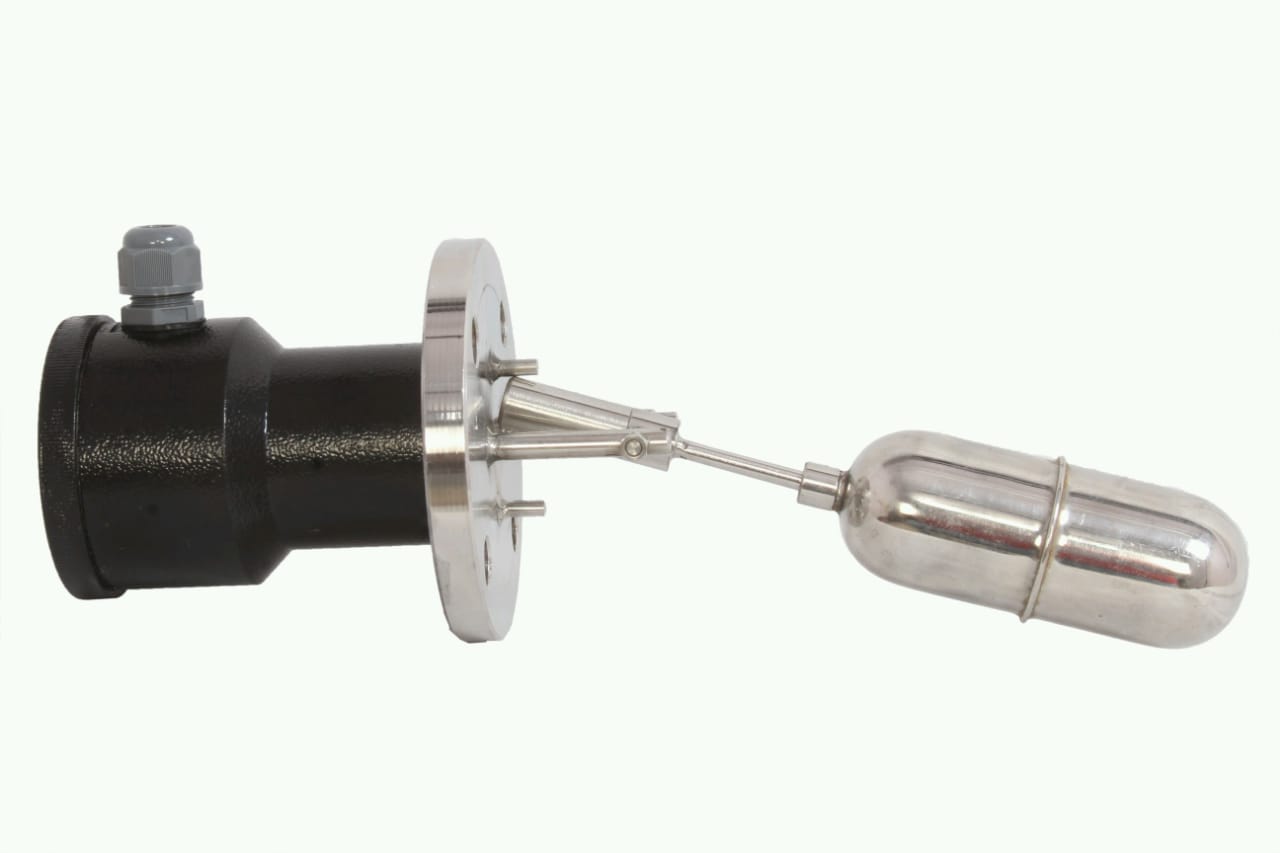 | Level Switch Filpro offers most reliable, cost effective Side Mounted Level Switch for point level sensing. View product → |
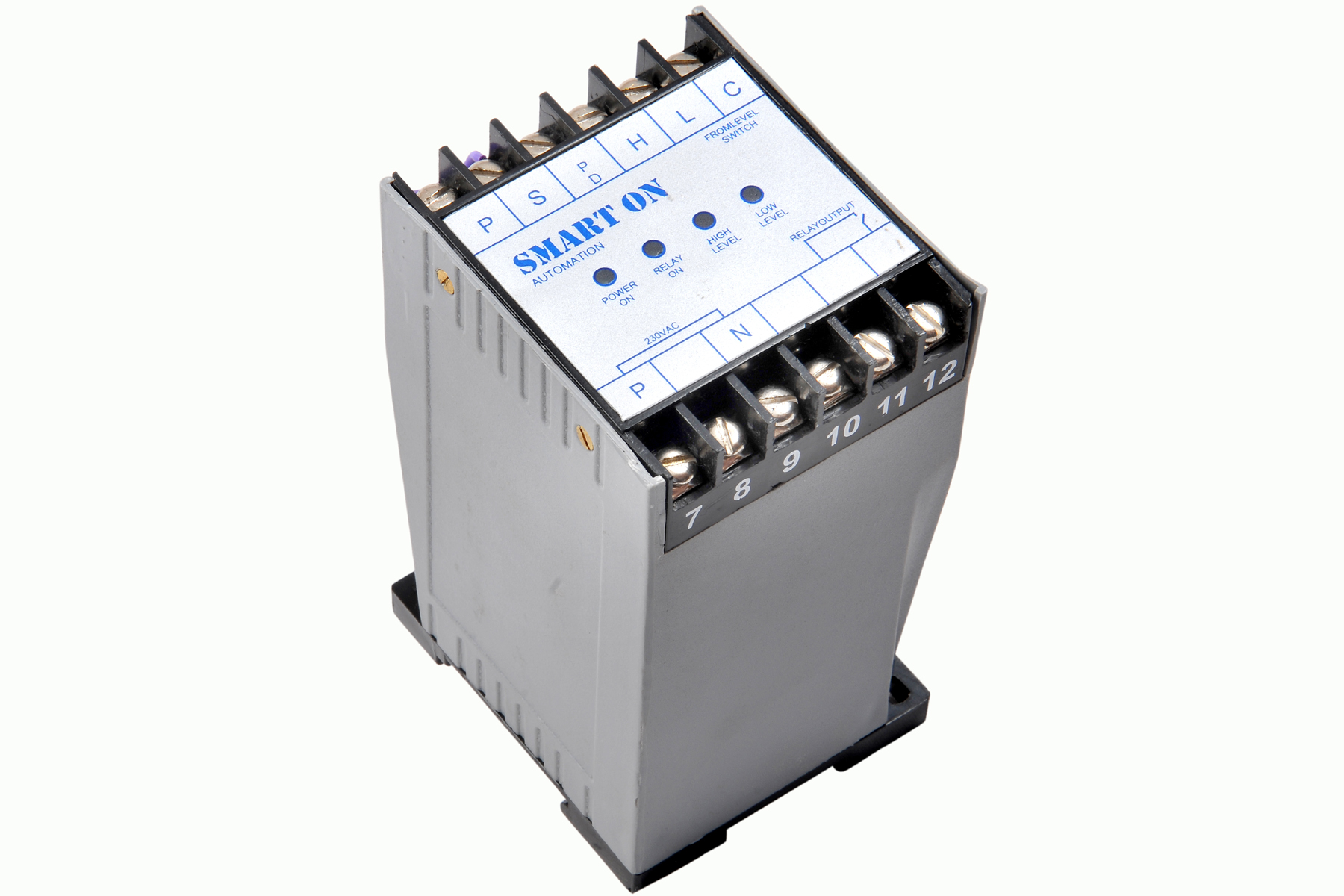 | Controller Filpro Sensors Pvt Ltd manufactures industrial Level Controller (Smart On) to automatically start & stop the pump. View product → |