The right instrument depends on more than tank height: pressure, temperature, density, vapour, foam, agitation, solids and the measurement job all change the answer. By the end, you will be able to separate point protection from continuous control and build a shortlist that fits the tank, liquid and installation.
Key takeaways
- Use point-level detection for threshold actions and continuous measurement for level and inventory control.
- Match the instrument to liquid properties, vapour conditions, tank pressure and vessel geometry.
- Check temperature, pressure, range, accuracy, materials and hazardous-area requirements before buying.
- Specify nozzle dimensions, process connections, output signals, alarms and protection requirements in writing.
Start with the measurement job and tank service
Choose point-level detection when you need a discrete action at a known threshold, such as stopping a pump at low level or tripping an independent high-high overfill alarm. Choose continuous measurement when operators or a control system need the actual level, inventory, rate of change, or several control setpoints.
1. Define the consequence. Use a point switch for a simple start/stop or alarm. Use a continuous transmitter for batching, proportional control, inventory tracking, or a changing operating target.
Keep continuous control and overfill protection separate when an overflow could cause harm; a second device is not independent if it shares the nozzle, power supply, logic solver, or another common failure. Apply the IEC 61511 lifecycle to a safety-instrumented function.
2. Match the tank service to the instrument. For most open or pressurised tanks with top access, non-contact radar is the default continuous choice because density and conductivity do not affect it. Foam, condensation, low dielectric liquid, agitation, or beam obstructions can weaken the echo.
A vibrating-fork switch suits high-high or low-low detection, provided density, viscosity, turbulence, inlet jets, and deposits fit its limits. Capacitance suits small tanks and some continuous duties, but coating and dielectric changes can create false readings.
3. Check installation before ordering level measurement instruments for tanks: temperature, pressure, range, dead zone, immersion length, corrosion, and clean-in-place coverage. Hygienic tanks need compatible seals and connections, not accuracy alone. For petroleum storage, API 2350 treats overfill prevention as a complete system, not just a sensor.
Match each instrument type to the liquid and vessel
Choosing level instruments for process tanks starts with the liquid property and the measurement objective, not the instrument name. Separate point detection, continuous level, interface measurement and mass measurement before comparing technologies.
| Instrument | Best fit | Main limitation |
|---|---|---|
| Non-contact radar | Continuous level in open or pressurised tanks with top access; handles high temperature and pressure | Foam, condensation, low dielectric liquids and beam obstructions weaken the echo |
| Capacitance | Small tanks, point alarms and selected continuous measurements | Product coating or changes in dielectric properties can imitate a high level |
| Differential pressure | Closed tanks where hydrostatic head suits the process | Density changes from temperature, concentration or phase change shift the reading |
| Guided-wave radar | Total level and liquid-liquid interface when dielectric contrast is strong | Thin interfaces, emulsions, entrained gas or a low-dielectric upper layer create ambiguous echoes |
| Displacer | Level or interface control where an immersed mechanical sensor is acceptable | Density changes, wax, solids, turbulence and friction cause drift or sticking |
| Load cells | Mass-based batching or inventory control | Piping strain, thermal expansion, agitators and side loads appear as false level changes |
For a high-high shutdown, select a point-level switch rather than paying for continuous measurement. For a continuously controlled feed, radar is the broadest choice when foam and obstructions are manageable; choose hydrostatic measurement only after confirming stable density and suitable pressure connections.
In weighing service, mechanically isolate pipework and provide flexible connections, or the tank’s support system will corrupt the result.
Test the operating limits before selecting a sensor
Test the operating limits against the sensor datasheet before selecting level measurement instruments for tanks. Check process temperature, pressure or vacuum, tank height, measuring range, dead zone, liquid density, viscosity, conductivity, vapour composition, foam, agitation, suspended solids and required accuracy. A sensor that works in clean water can fail in hot, foaming or coating service.
| Instrument | Operating conditions to verify | What causes inaccurate measurement |
|---|---|---|
| Radar | Pressurised or open tanks; high temperature; accessible surface; antenna rating and beam clearance | Foam, condensation, very low dielectric liquid or internal obstructions weaken the echo |
| Ultrasonic | Clean, atmospheric tanks; stable vapour space; temperature and maximum range | Steam, vacuum, turbulence, condensation, foam or changing vapour composition disrupts sound return |
| Hydrostatic | Sensor immersion length; pressure rating; liquid specific gravity and stable reference pressure | Density changes, blocked impulse paths, gas bubbles or an unvented tank shift the indicated level |
| Capacitance | Product dielectric range; probe geometry; conductivity; coating allowance and immersion length | Product buildup or composition changes mimic a high level; compensation has a specified limit |
| Mechanical | Displacer or float buoyancy, density range, guide alignment and friction-free movement | Wax, solids, coating, turbulence, sticking or density change causes drift |
For hygienic tanks, inspect the wetted connection, seal material, clean-in-place coverage and dead-leg geometry. Non-contact radar reduces wetted parts; probes, displacers and capacitance sensors need explicit product-compatibility and cleaning review. Treat overfill protection as a system of alarms, response and procedures, not a sensor choice alone.
Design the installation around tank geometry and protection needs
Nozzles, internals and vapour space should determine the mounting arrangement before you choose among level instruments for process tanks. A clear, vertical nozzle away from agitator blades and inlet jets gives free-space radar a better return.
Foam, dust, vapour or a cluttered vessel favour guided-wave radar, provided its probe will not coat, bridge or suffer mechanical loading. Check dead zones, nozzle length, probe anchoring and clearance from internal obstructions.
For hygienic tanks, inspect these connection details:
- Choose a non-contact radar antenna when reducing wetted parts and cleaning exposure matters.
- Require clean-in-place coverage for a contacting probe, displacer or capacitance sensor.
- Specify compatible seal materials and a connection without a difficult dead leg.
- Treat probe coating as a measurement risk: capacitance compensation cannot correct every change in product composition.
Keep continuous control measurement separate from overfill protection when an overflow could injure people, damage equipment or release product. A second transmitter is not independent if it shares a nozzle, power supply, logic solver or common environmental failure. Specify the safety function under the IEC 61511 lifecycle, including proof-test assumptions and response time.
A vibrating-fork switch suits a high-high trip when its density and viscosity limits are met, but install it away from severe turbulence, inlet jets and deposits. For petroleum facilities, API 2350 frames overfill prevention as a system of instrumentation, alarms, operator response, procedures and operating limits—not merely a sensor choice.
Turn the shortlist into a purchase specification
Write the purchase specification so a supplier can test fit, not merely quote a model. State whether you need continuous measurement, point-level detection, local indication, control, or an independent overfill function. Include the tank drawing, nozzle size and orientation, reference datum, maximum measuring height, dead zones, and available mounting space.
- Liquid name, composition, specific gravity, viscosity, conductivity or dielectric constant
- Normal and maximum temperature and pressure, including vacuum
- Foam, vapour, condensation, agitation, suspended solids and expected coating
- Required range, accuracy, response time, repeatability and alarm setpoints
- Wetted-part, seal and connection materials, plus corrosion and clean-in-place requirements
- Output, power supply, enclosure rating, hazardous-area classification and communication protocol
- Calibration method, display location, maintenance access and documentation
- Whether overfill protection is independent, including proof-test interval and response time
For level instruments for process tanks, ask the manufacturer to review the vessel drawing and process data before approving the selection. They can check radar beam obstructions, ultrasonic dead zones, capacitance coating risk, guided-wave radar interface reflections and whether a float or hydrostatic instrument suits the mounting arrangement.
Filpro Sensors Pvt Ltd can help resolve fit questions by reviewing dimensions, wetted materials, output requirements and the difference between a visual gauge, float transmitter and hydrostatic transmitter. Require a written datasheet, installation sketch, calibration details and every assumption used in the quotation.
That record prevents a convenient instrument from becoming the wrong level measurement instrument for tanks.
Related products
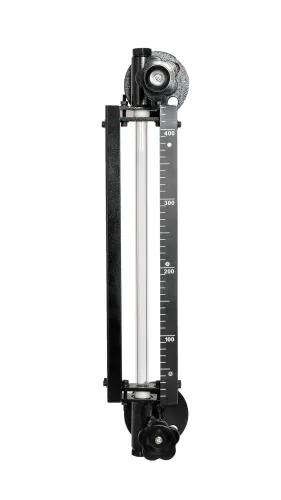
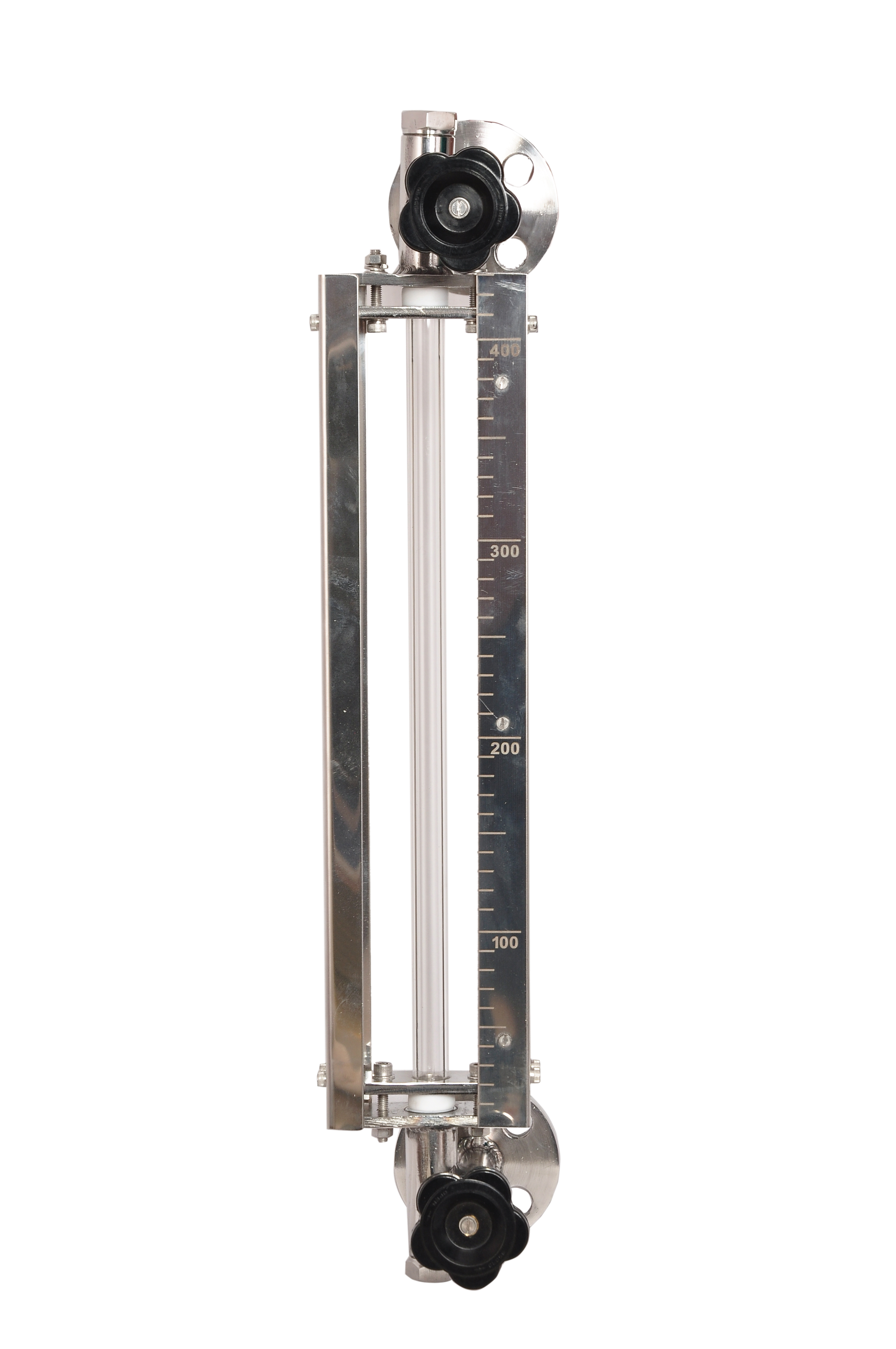 | Level Gauge Tubular Glass Level Indicator is used for visual level indication of liquid in storage and process tanks. View product → |
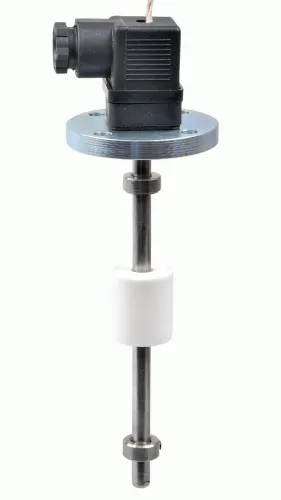
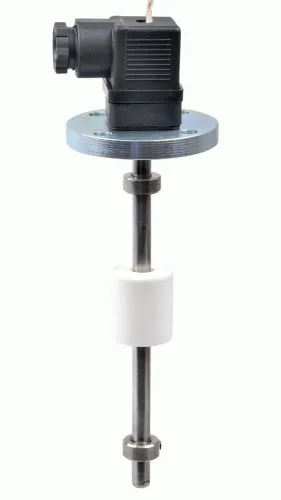
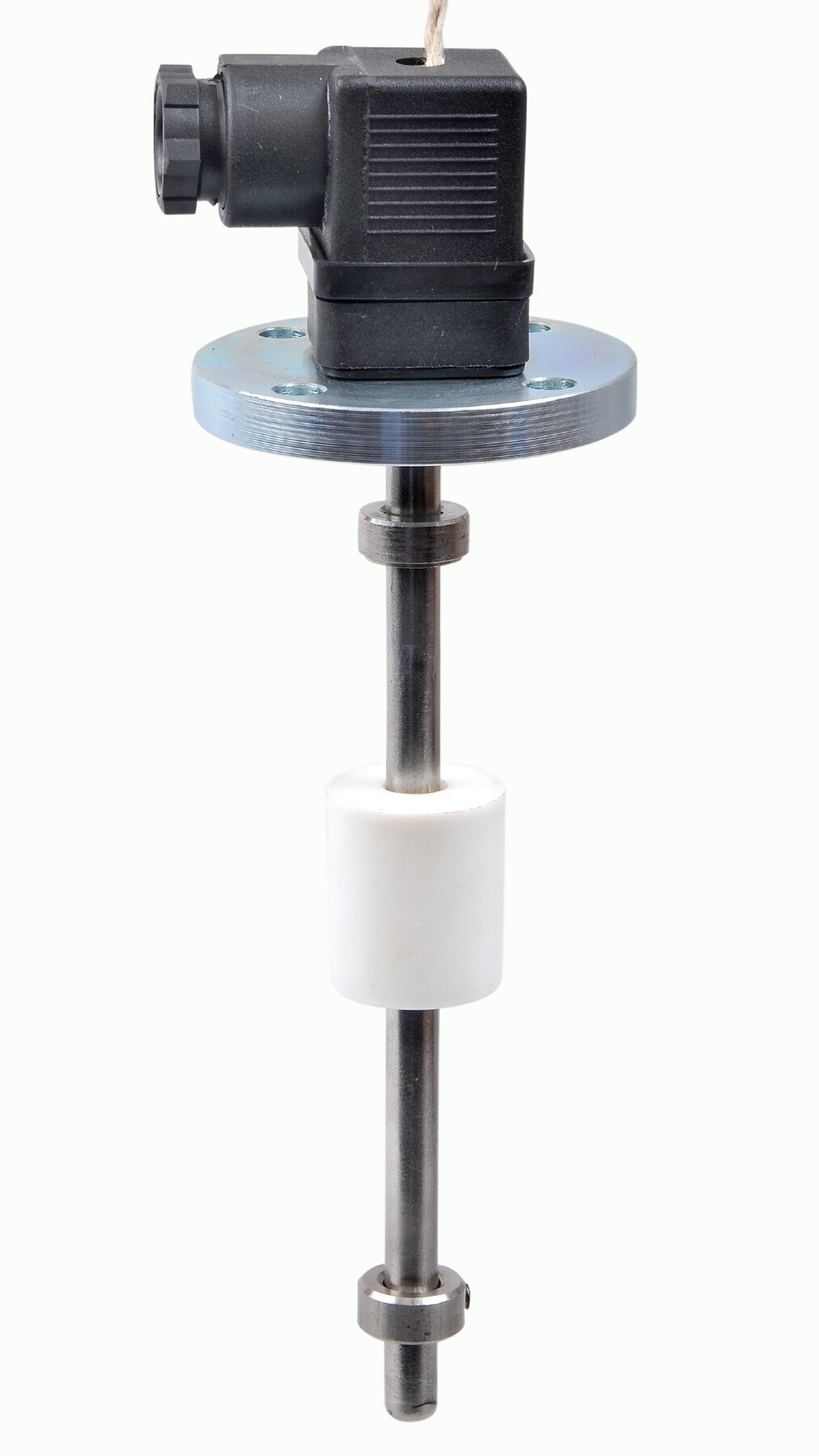
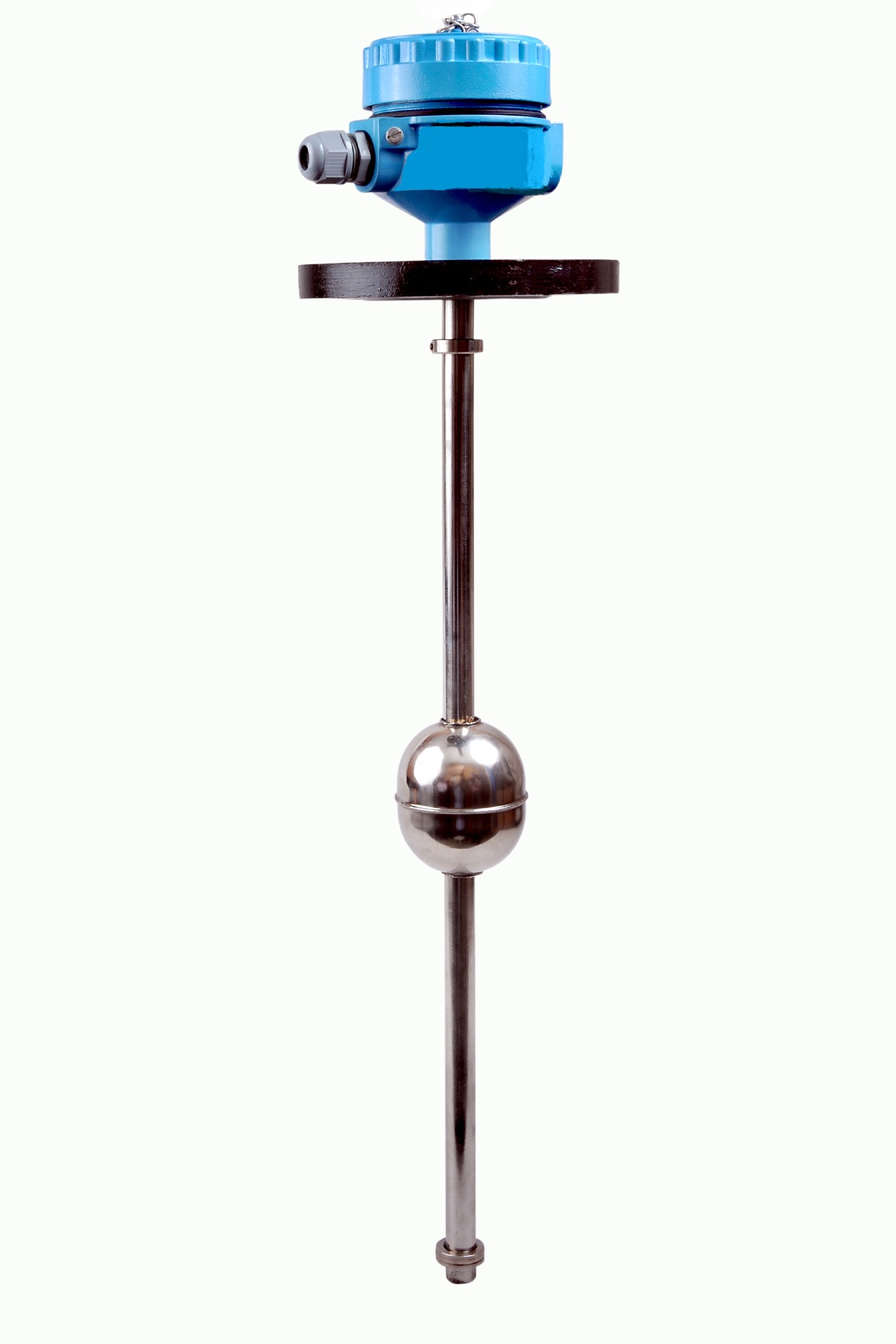 | Level Sensor Atex approved Float Level Transmitter : Over All Length: 300mm to 5000mm Input: 16V DC to 30V DC Output: 4-20mA / 0-10V DC Resolution: 5mm / 10mm... View product → |
Frequently asked questions
When should you choose point-level detection for a process tank?
Choose point-level detection when a device must act at a defined threshold, such as stopping a pump or triggering a high-high alarm.
When is continuous level measurement the better choice?
Choose continuous measurement when operators or control systems need actual level, inventory, rate of change or multiple control setpoints.
Which liquid and vessel conditions affect instrument selection?
Check the liquid’s conductivity, viscosity, solids, foam and corrosiveness alongside tank pressure, temperature, vapour, geometry and mounting access.
What belongs in a purchase specification for tank level instruments?
State the measurement type, range, accuracy, process connection, wetted materials, output signal, power supply, alarm functions and environmental or hazardous-area requirements.
Related products
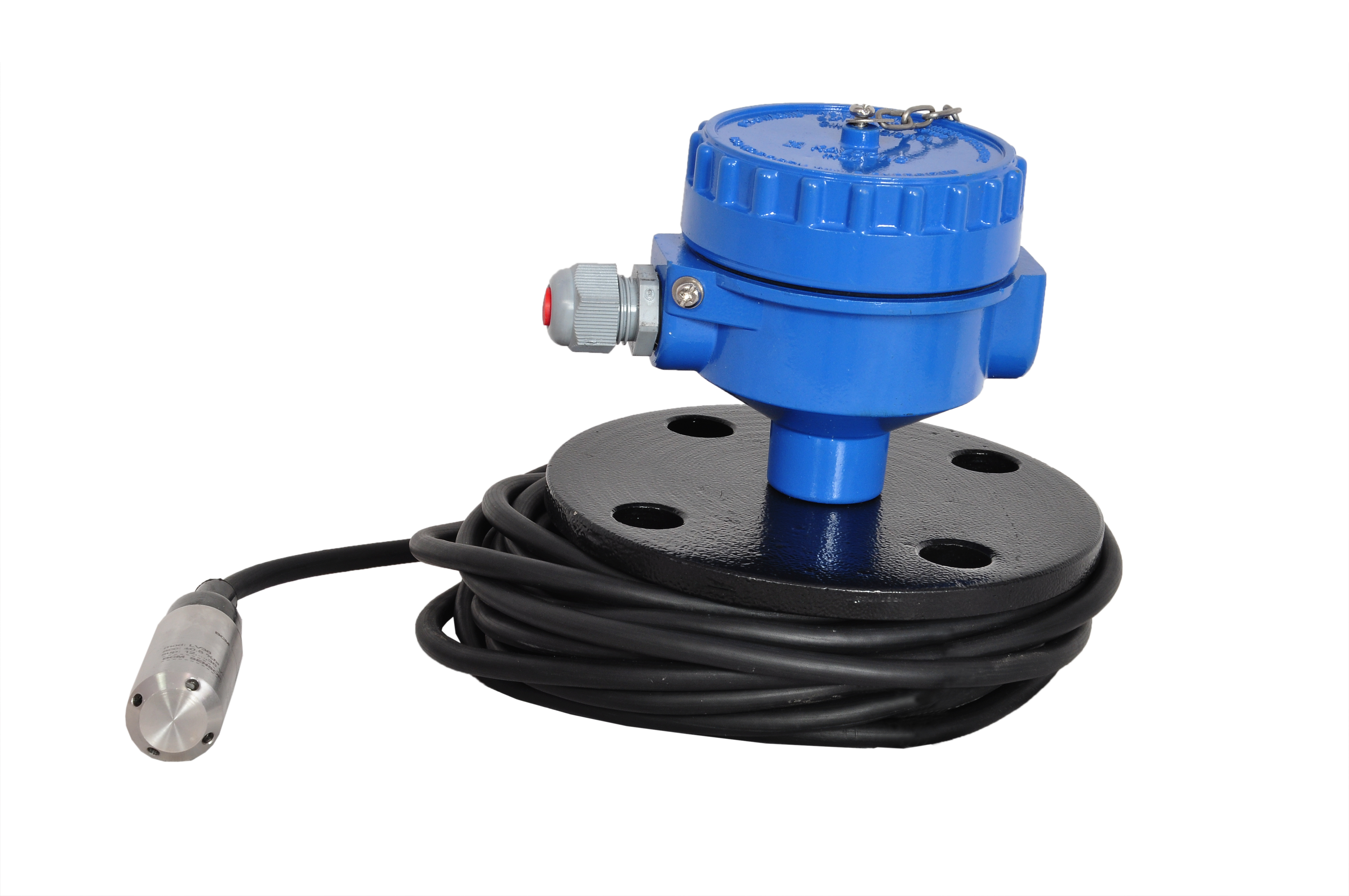 | Level Transmitter Hydrostatic liquid level transducers and transmitters with flush diaphragm is designed fora wide variety of level measurement applications. View product → |
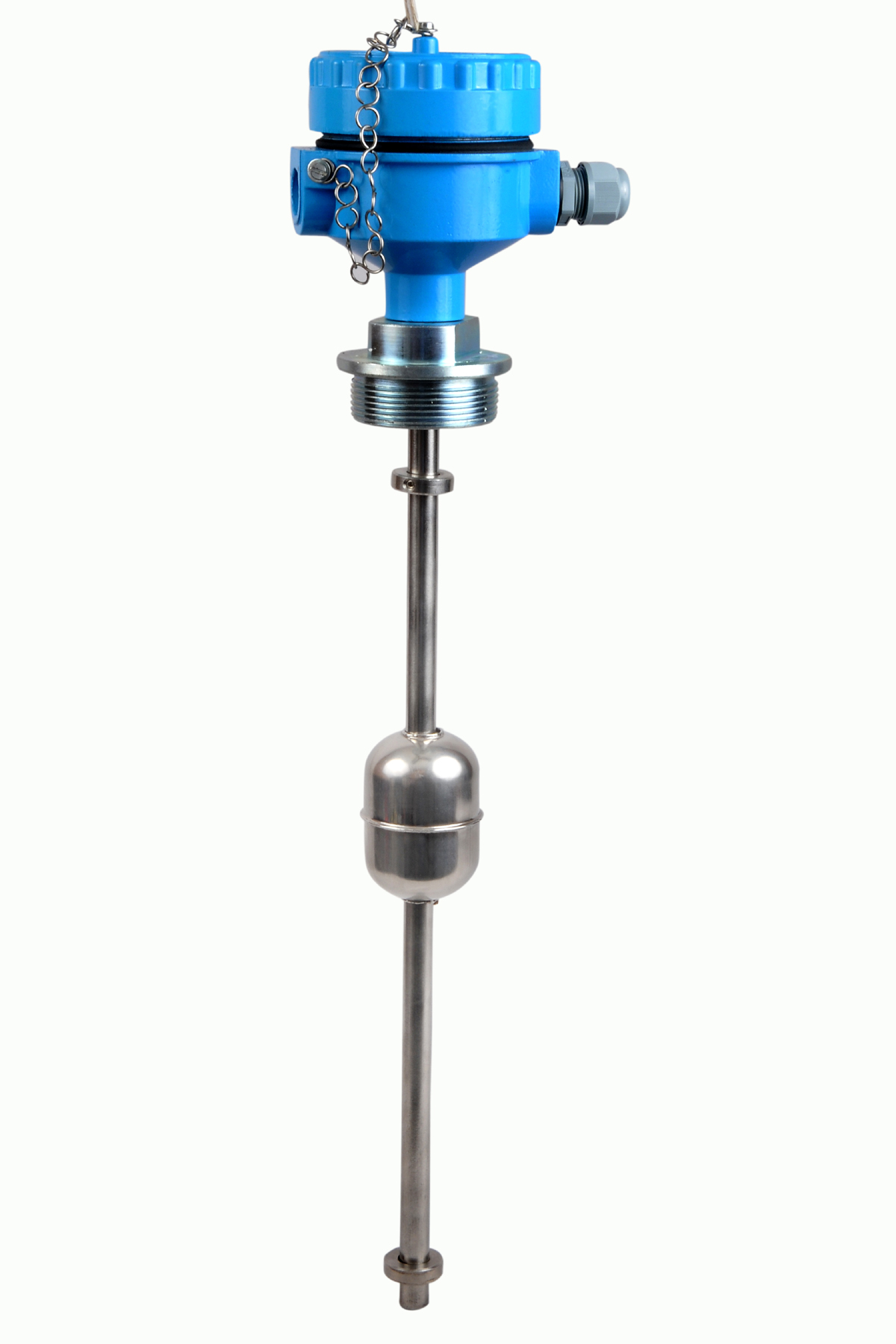 | Level Transmitter Float Level Transmitters Are Ideal For Continuous Level Monitoring In Water, Diesel, Chemical And Oils For Accurate Level Measurement. View product → |
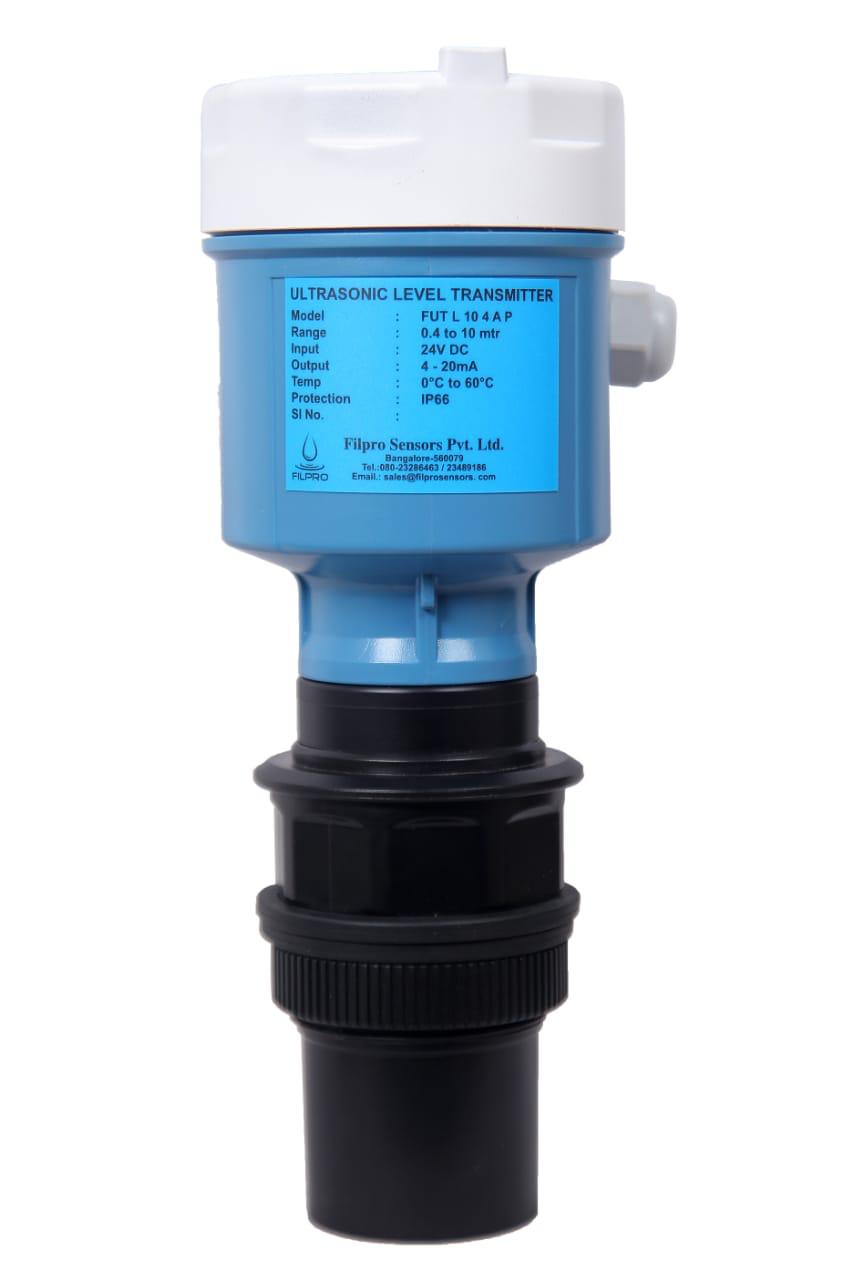 | Level Transmitter Ultrasonic Level Sensor is a non-contact ultrasonic continuous level measurement product based on sound technology. View product → |
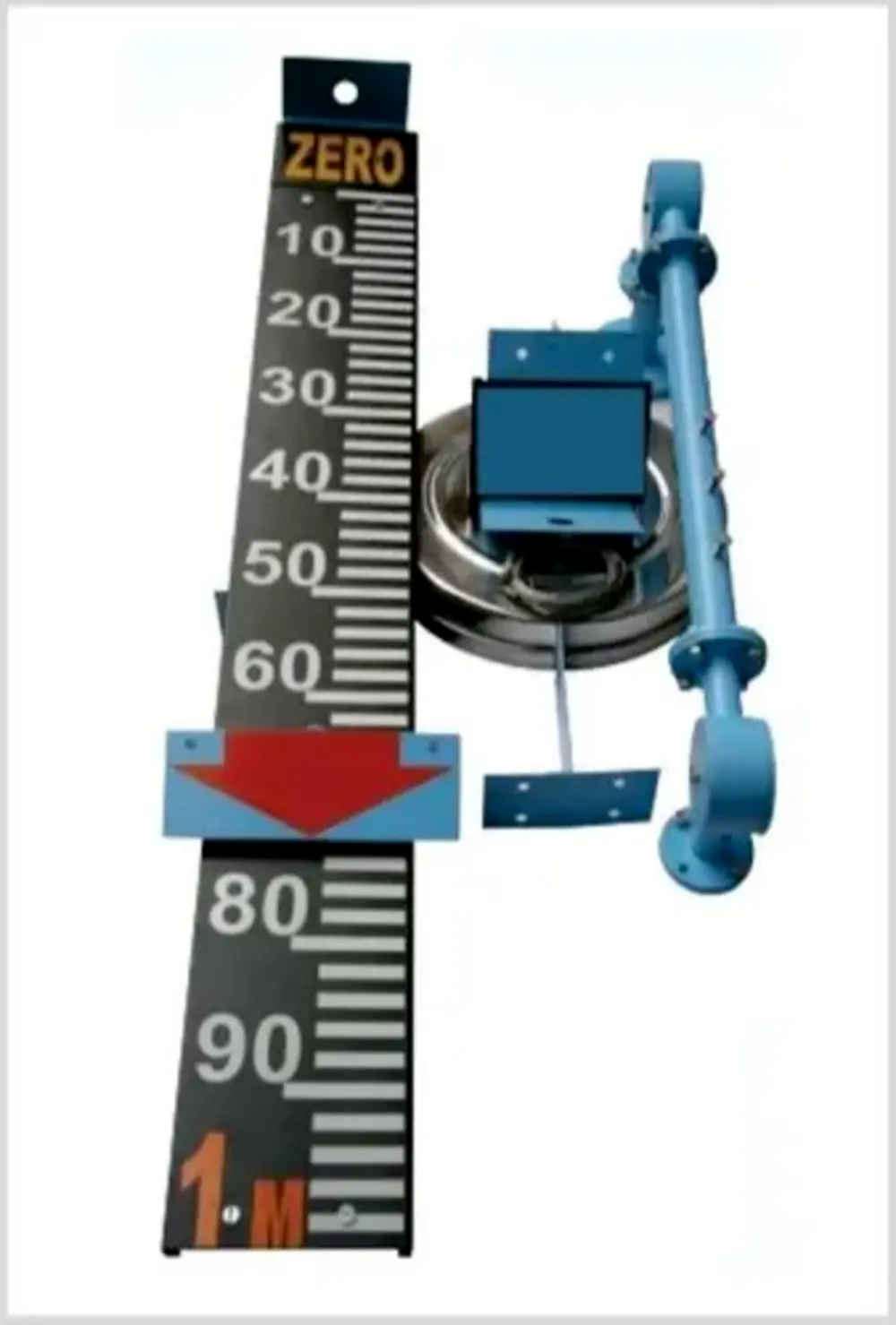 | Level Indicator The Float & Board Level Indicators consists of a float connected to a pointerthrough a rope via a set of pulleys. View product → |