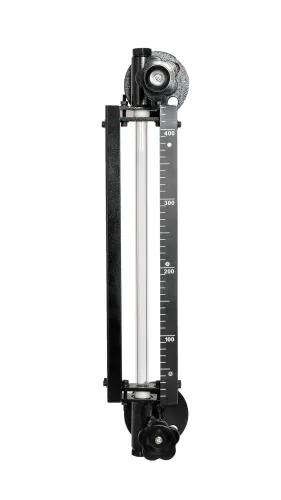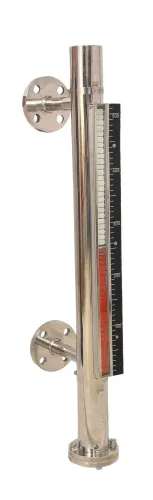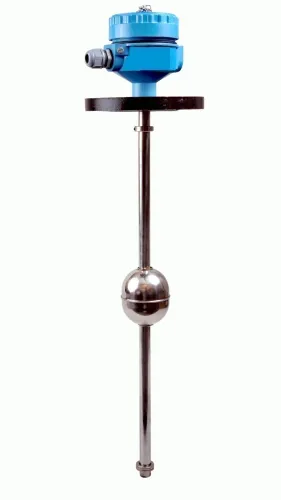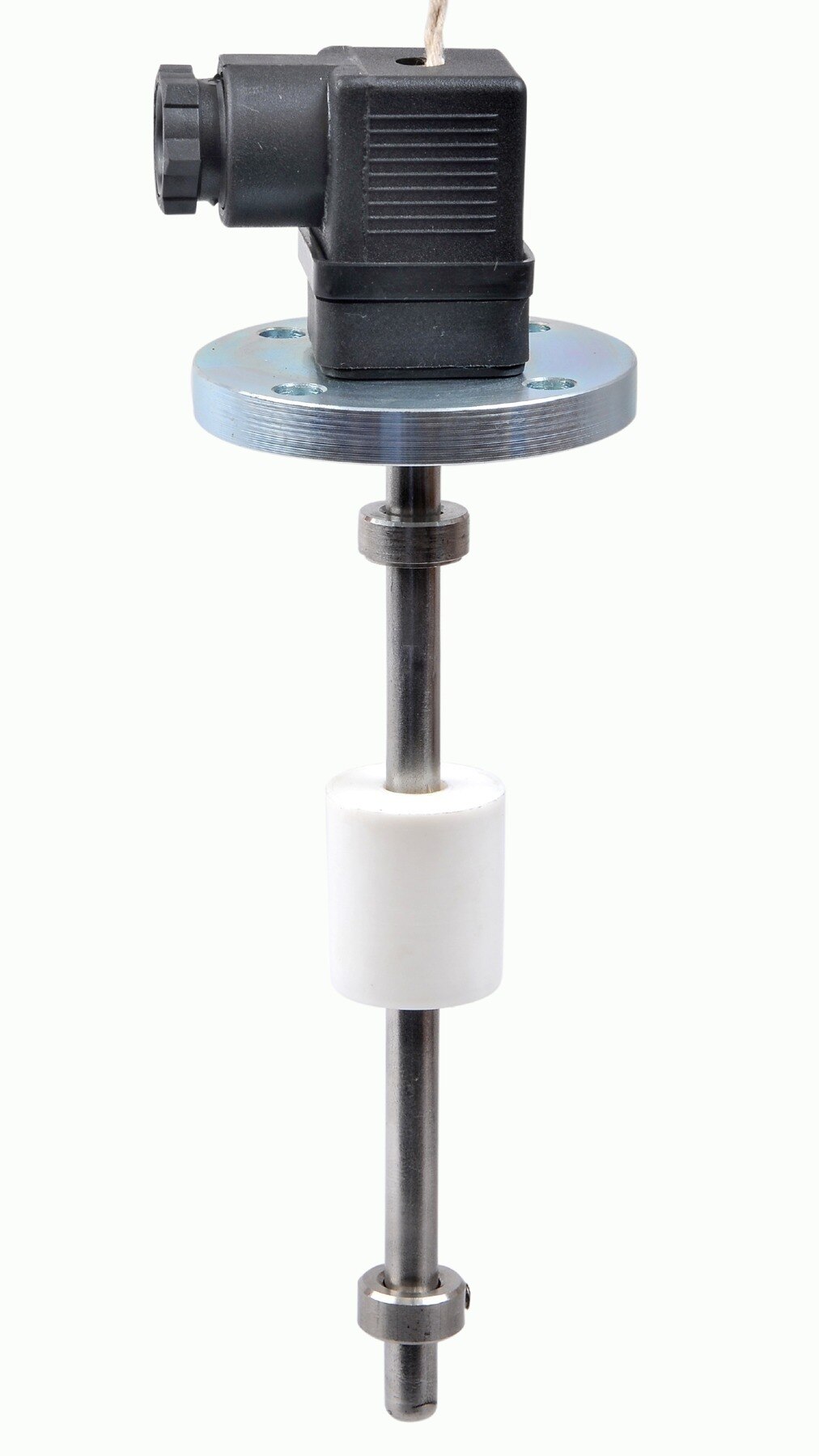
Choose a level switch when the process needs a defined action at one height, such as stopping a pump or raising an overfill alarm. Choose a level transmitter when a PLC, SCADA system, batch controller or operator needs the actual liquid level across a working range; the guidance below also shows when using both is the safer design.
Key takeaways
- Use a level switch for a defined high, low, or intermediate level action.
- Use a level transmitter when you need continuous measurement across the tank span.
- Check liquid properties, mounting position, pressure, temperature, and buildup before choosing technology.
- Add an independent switch when transmitter failure could cause overflow, dry running, or a safety incident.
What does a level switch measure compared with a level transmitter?
A level switch measures point level: it changes state when liquid crosses a defined height. A level transmitter measures continuous level across a span and reports the current value, not merely whether the liquid has reached one setpoint.
A switch provides an on/off contact, relay output, transistor output or discrete digital signal. That makes it suitable when the decision is binary. A transmitter sends a variable signal such as 4–20 mA, 0–10 V, HART or a fieldbus process value, allowing a system to see where the liquid is within the measured range.
Use this checklist when choosing between a level switch versus level transmitter:
- Choose a level switch for a high-level alarm, low-level alarm, overflow protection, pump start/stop command or dry-run trip. It tells the control system to act when the liquid reaches the configured point.
- Choose a level transmitter for live tank indication, level trending, inventory calculation, or continuous valve and pump control. A modulating control loop needs changing level data; an on/off switch cannot tell it whether the tank is 20% or 80% full.
- In a level sensor versus level switch comparison, remember that “level sensor” is the broader term. It can mean either a point device used as a switch or a continuous measuring device used as a transmitter.
Several switches cannot replace true continuous measurement without stepped control. You need multiple instruments and setpoints, plus carefully engineered hysteresis or time delays to prevent rapid pump cycling. Verify whether each switch’s trip point applies on rising or falling level, because its reset point can differ.
Is a level sensor the same thing as a level switch?
No. In the level switch versus level sensor question, “level sensor” is an umbrella term, not a consistently defined product class. It can mean the sensing element inside a device or a complete instrument, and that instrument can detect one point or measure continuously across a tank.
| Term | Signal or function | What it tells your system |
|---|---|---|
| Level switch | Discrete relay, transistor or digital output | The liquid has crossed a defined setpoint |
| Point-level sensor | Discrete state at one height | The liquid is present or absent at that location |
| Continuous level sensor or transmitter | 4–20 mA, 0–10 V, HART or fieldbus value | The actual level across a measurement span |
A continuous sensing technology can still be packaged and sold as a switch if its electronics expose only a discrete output. That is why level sensor versus level switch is a poor purchasing distinction unless you name the required signal.
Use this decision rule:
- Choose a switch when the specification says trip, permissive, interlock, high-high, low-low or dry-run protection.
- Choose a sensor or transmitter when it says actual level, percentage, trend, batch quantity or modulating control.
Many systems use both: a transmitter provides the operating value, while an independent switch protects against overflow or pump damage.
Specify the output type, number of setpoints and failure response, such as de-energize-to-trip or energized-to-trip. Do not order “a sensor” or “a switch” without stating those requirements; the same word can describe devices with entirely different functions.
Which installation and liquid conditions can make a technology unsuitable?
Whether you choose a level switch or level transmitter, installation conditions can make the technology unsuitable. Compare the liquid and vessel against these failure points:
| Technology | Conditions that can cause trouble | Installation checks |
|---|---|---|
| Float or displacer | Density changes alter buoyancy; turbulence causes movement; fouling restricts travel; chamber geometry can prevent free movement | Confirm density range, chamber diameter, nozzle location and access for cleaning |
| Ultrasonic | Foam, vapour, condensation, agitation and obstructions weaken or scatter the return signal | Keep the beam clear; check nozzle dimensions and the near-zone or dead-zone against the required level |
| Hydrostatic | Changing density changes the inferred level; incorrect pressure reference creates error; blocked impulse paths or sediment on the diaphragm distort readings | Provide a suitable vent or reference, protect impulse paths and keep the diaphragm clear |
| Capacitance | Coating and changing dielectric properties shift the switching point; conductive liquids require the correct insulated probe and reference arrangement | Match probe length and material to the liquid and expected buildup |
| Vibrating fork | Coating, high viscosity, solids and entrained gas can prevent reliable vibration; density and orientation limits still apply | Follow the stated minimum density, viscosity and mounting direction |
Mounting position matters for both switches and transmitters. A stilling well reduces turbulence but can plug with solids; a narrow nozzle can place an ultrasonic target inside its dead zone or restrict float travel. Check probe length against the usable tank height, and leave access to remove buildup or replace the device.
An outside chamber eases maintenance but introduces density, blockage and chamber-geometry errors. An inside-mounted level sensor versus level switch arrangement avoids some chamber problems but demands safe access and clearance from mixers, inlets and internal obstructions.
When should you combine a transmitter with an independent level switch?
Combine them when the transmitter must provide continuous control, indication, or trending while a separately wired high-high or low-low switch provides independent protection.
| Function | Transmitter | Independent switch |
|---|---|---|
| Continuous level | Supplies a live value to the PLC or control system | Not applicable |
| Control and trending | Supports pump control, modulation, inventory, and alarms | Not applicable |
| Protective trip | PLC alarm shares the transmitter’s failure path | Separate sensing, wiring, input, and logic path |
A transmitter alarm is not equivalent to an independent switch. The transmitter, cable, input card, PLC logic, or configuration can fail in a common cause and remove both measurement and alarm.
For overfill protection, specify the high-high trip elevation from a named vessel reference, plus nozzle location, mounting tolerance, filling rate, response time, and incoming volume before the final action.
Specify whether the switch trips on rising or falling level, its switching differential or hysteresis, and its de-energize-to-trip behavior. Include the proof-test interval; nominal repeatability does not prove protective availability.
For a 4–20 mA loop, define the receiving response to:
- Under-range, such as 3.6 mA or below
- Over-range, such as 21.0 mA or above
- Open circuit and loss of power
- Frozen output or detected sensor failure
NAMUR NE 43 commonly separates normal measurement from fault ranges, but the input card and logic must support the selected limits. A normally energized relay can de-energize on power loss; a normally open or closed contact can remain electrically valid after a sensing or cable failure.
State contact positions, line monitoring, and the required fault action explicitly.
What should you put in the purchase specification before choosing a supplier?
Put the choice into a specification that a supplier can verify, not a request for “an accurate level sensor.” State these process and installation details:
- Measured range, or the exact trip elevation from a named vessel reference; for a high-level trip, include nozzle location, mounting tolerance, filling rate and required response time.
- Rising or falling level condition, reset differential, and liquid temperature, pressure, density, viscosity, conductivity, foam, solids, vapour, coating and agitation.
- Tank nozzle size and orientation, process connection, insertion or probe length, dead zone, wetted material, enclosure location, ingress-protection rating and maintenance access.
- Required output and the consequence of a missed or false trip. This prevents a level switch versus level sensor argument from replacing a functional specification.
| Option | Specify | Verify |
|---|---|---|
| Level switch | Normally energized or de-energized trip logic, contact rating, response time and proof-testing interval | The independent interlock sees the intended safe state during power loss and a failed proof test |
| Level transmitter | 4–20 mA, 0–10 V, HART or fieldbus; fault-current behaviour for under-range, over-range, open circuit, power loss, frozen output and sensor failure; input-card compatibility | The control system distinguishes a process value from a fault, including selected NAMUR NE 43 limits |
The level sensor versus level switch distinction matters here: require the output and action, not a catalogue label. Filpro Sensors Pvt Ltd is most useful when it reviews these details and matches the instrument to failure consequences, rather than quoting nominal accuracy alone.
Related products
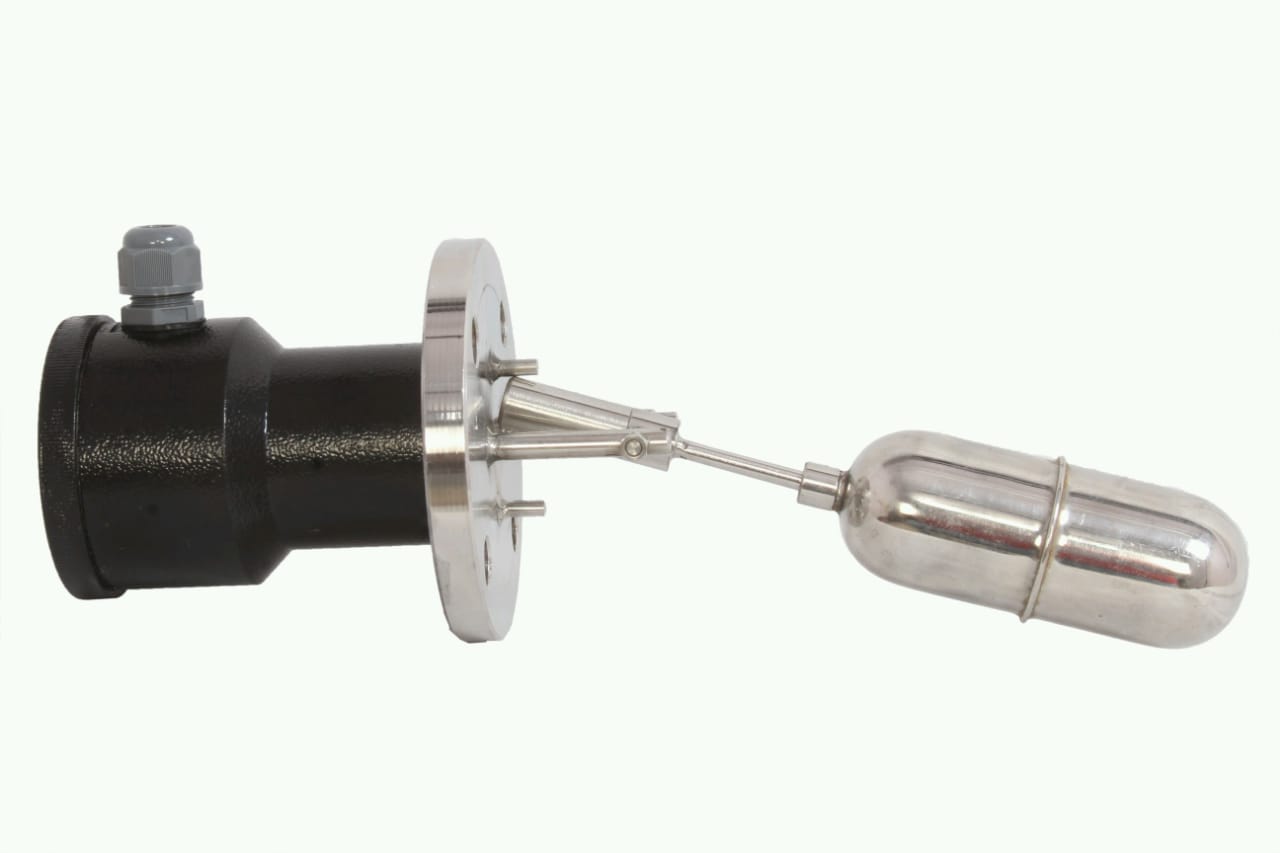 | Level Switch Filpro offers most reliable, cost effective Side Mounted Level Switch for point level sensing. View product → |
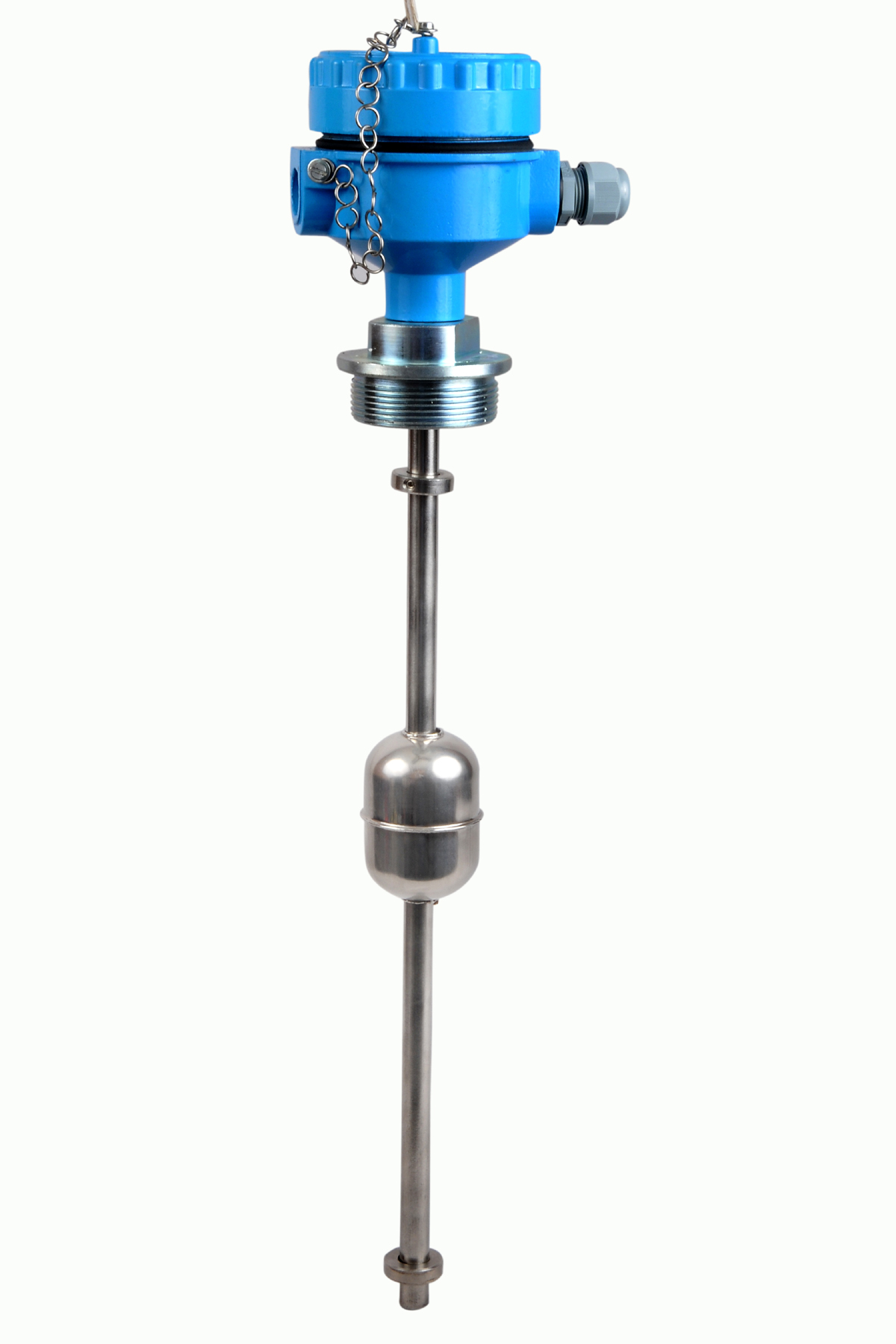 | Level Transmitter Float Level Transmitters Are Ideal For Continuous Level Monitoring In Water, Diesel, Chemical And Oils For Accurate Level Measurement. View product → |
Frequently asked questions
What does a level switch measure compared with a level transmitter?
A level switch detects whether liquid has crossed a defined point and changes state. A level transmitter measures level continuously across a span and sends the current value.
Is a level sensor the same thing as a level switch?
No. Level sensor is a broad term for devices that detect or measure liquid level. A level switch is one type of sensor designed for point-level detection.
Which installation and liquid conditions can make a level technology unsuitable?
Review tank geometry, mounting access, pressure, temperature, liquid conductivity, viscosity, foam, turbulence, vapour, corrosive chemicals, and coating or buildup. These conditions can prevent reliable operation.
When should you combine a transmitter with an independent level switch?
Combine them when continuous control or inventory data is needed alongside separate protection against overflow, dry running, pump damage, or transmitter failure.
What should you put in the purchase specification before choosing a supplier?
State the measurement or switching duty, setpoints or range, liquid properties, tank dimensions, process pressure and temperature, connection, materials, output, supply voltage, enclosure rating, approvals, and testing requirements.
Related products
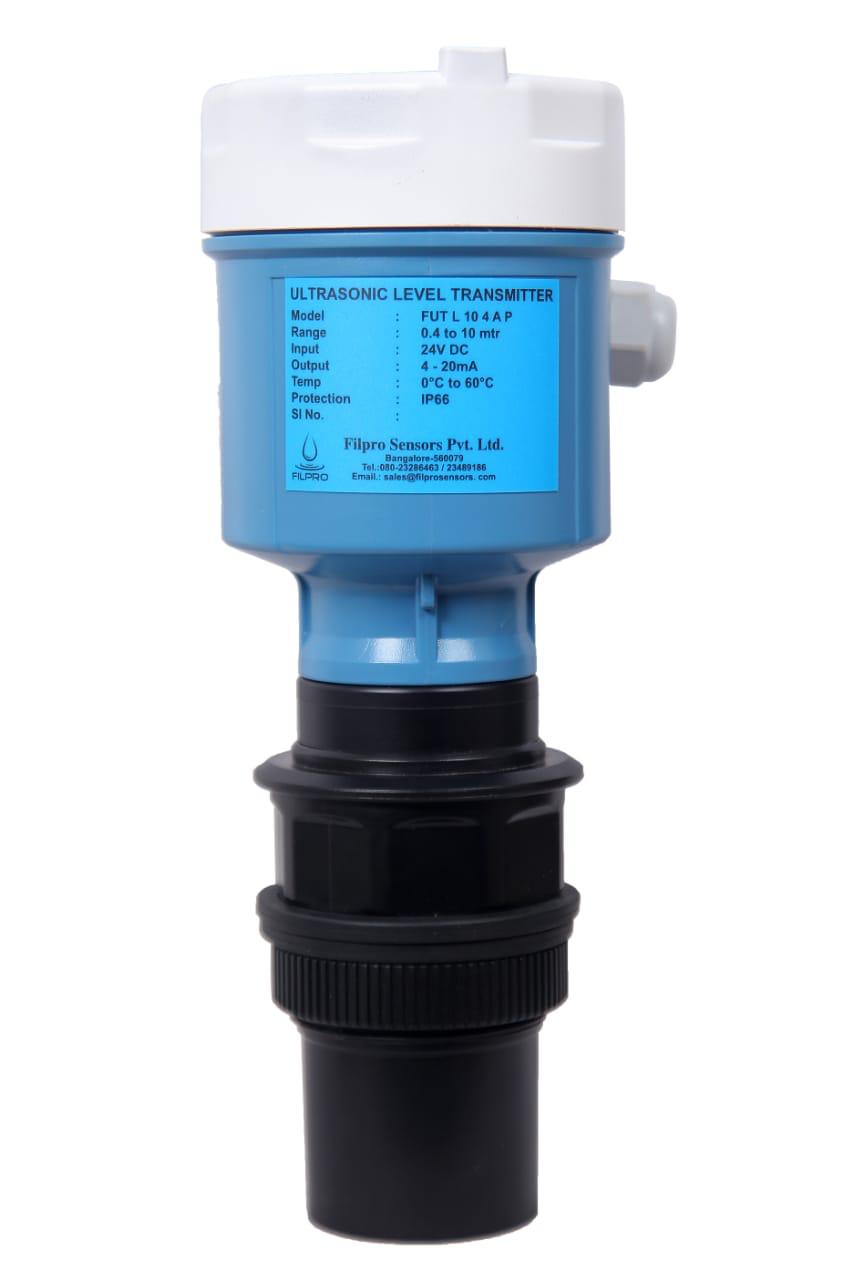 | Level Transmitter Ultrasonic Level Sensor is a non-contact ultrasonic continuous level measurement product based on sound technology. View product → |
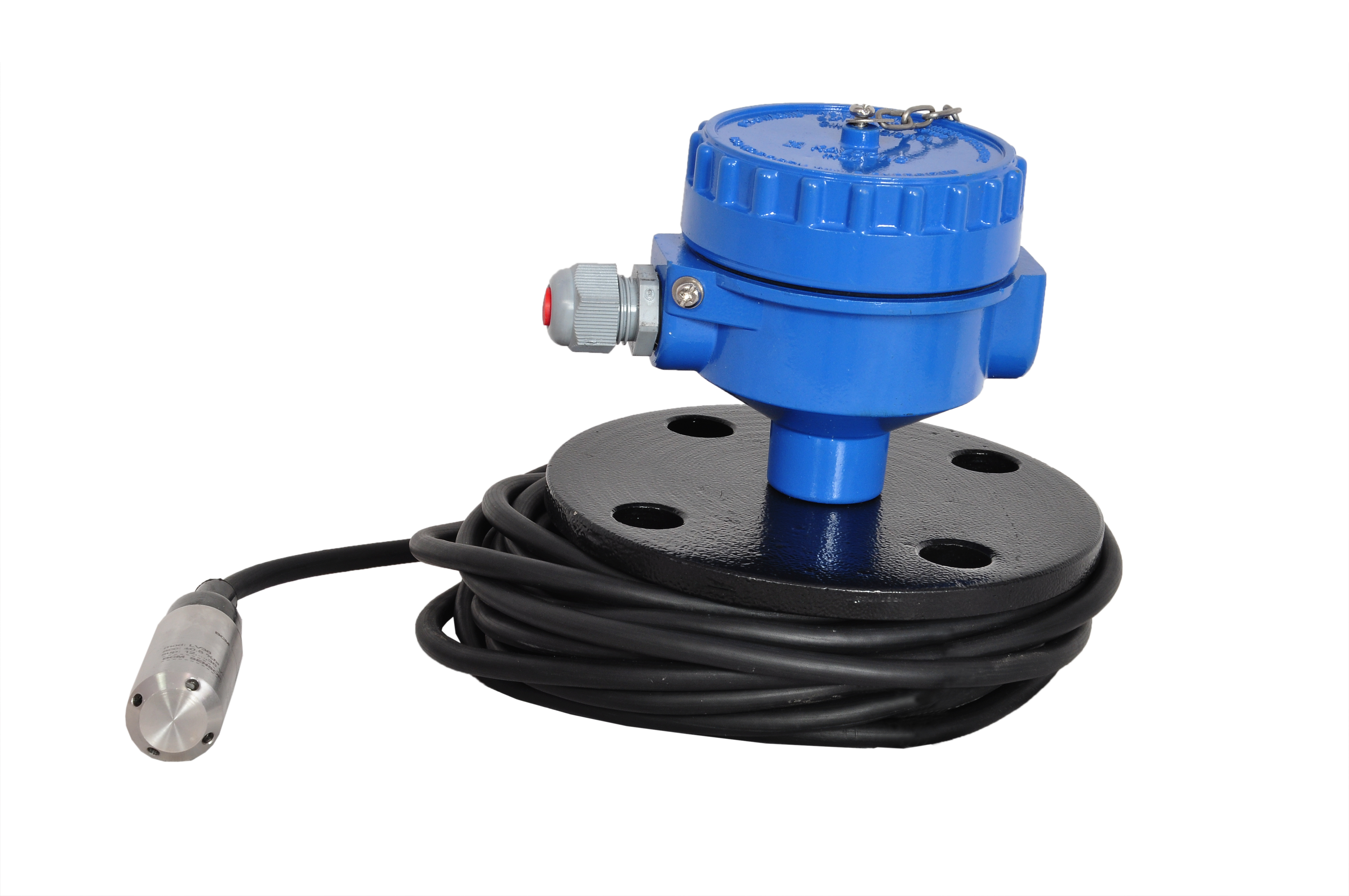 | Level Transmitter Hydrostatic liquid level transducers and transmitters with flush diaphragm is designed fora wide variety of level measurement applications. View product → |
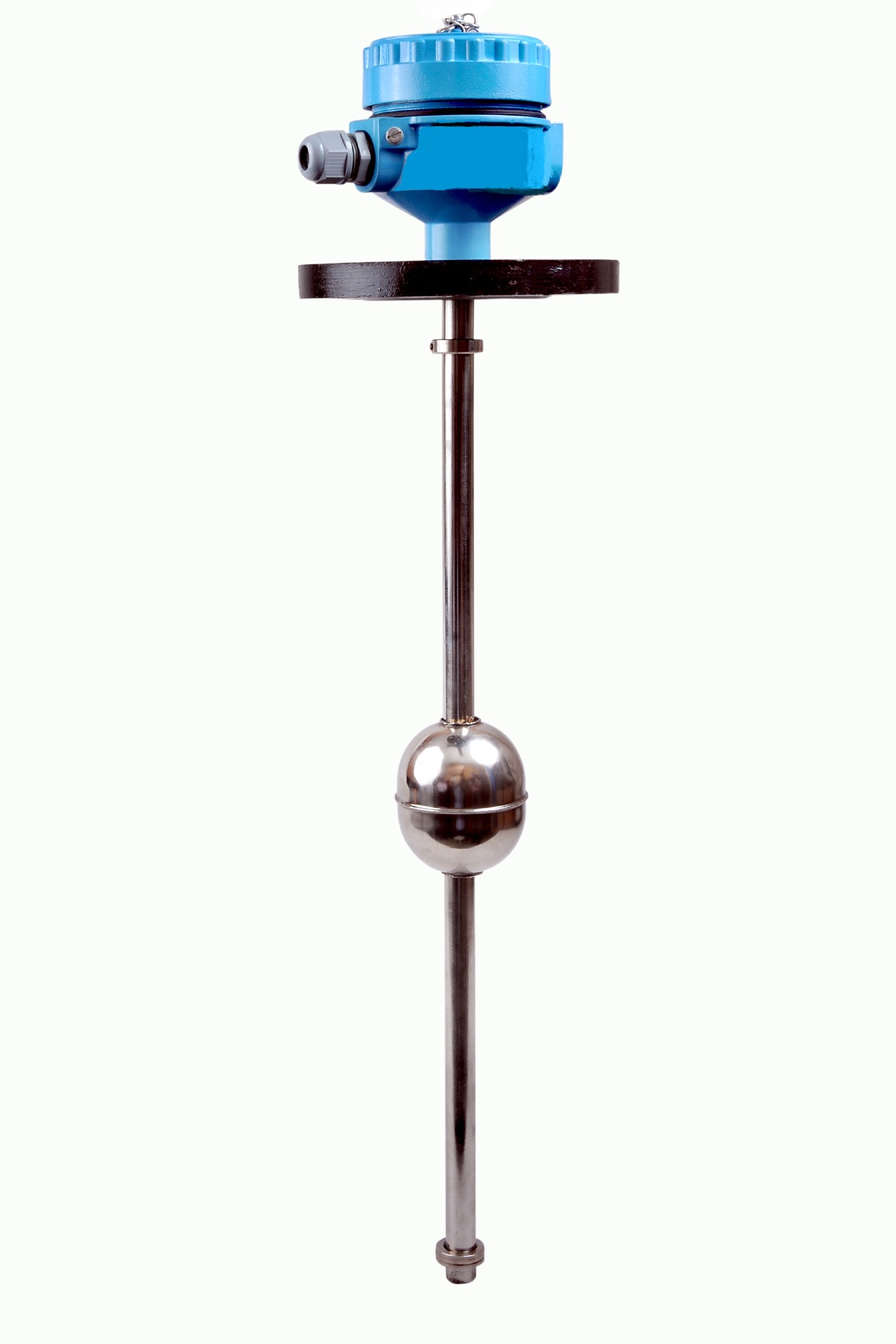 | Level Sensor Atex approved Float Level Transmitter : Over All Length: 300mm to 5000mm Input: 16V DC to 30V DC Output: 4-20mA / 0-10V DC Resolution: 5mm / 10mm... View product → |
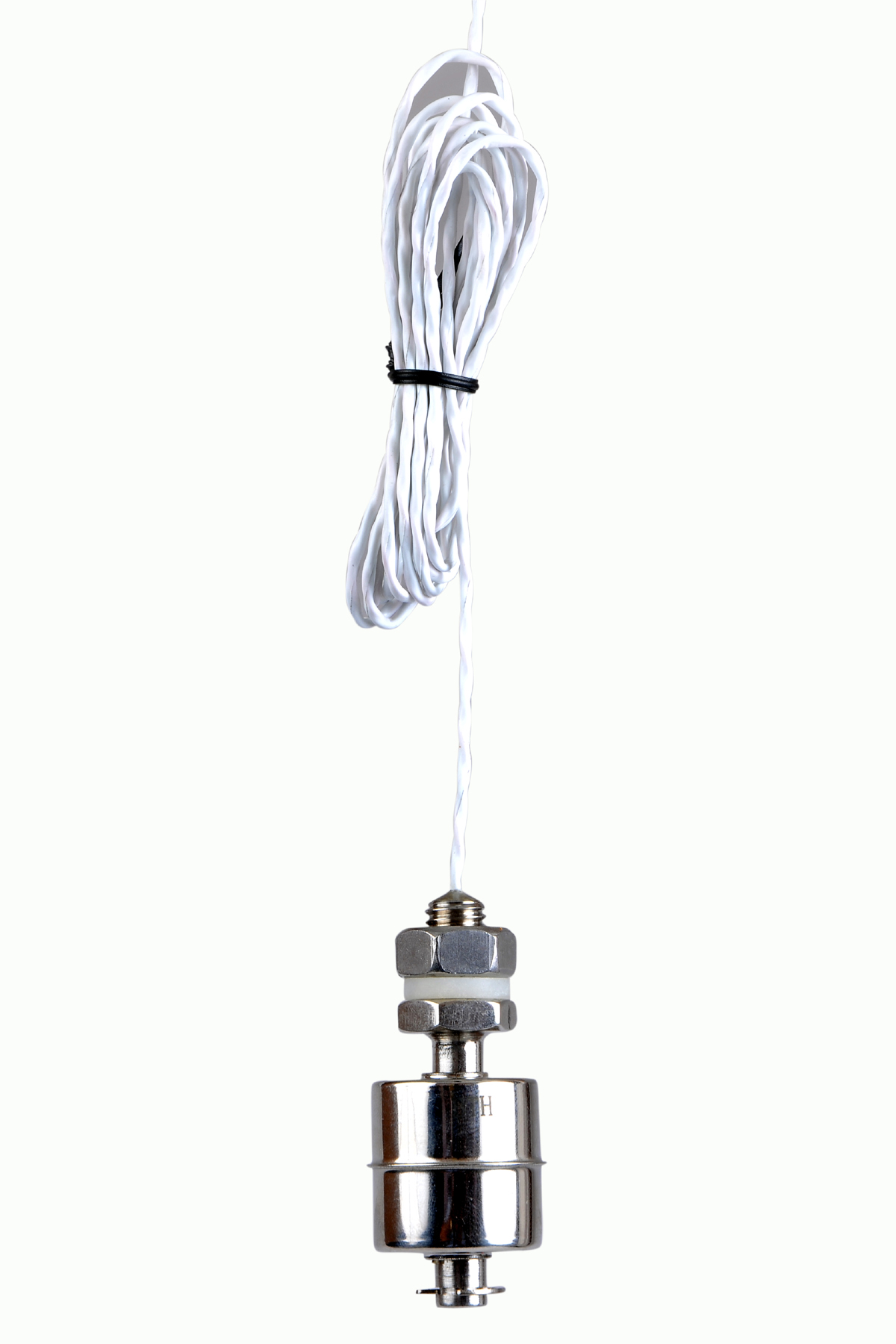 | Level Switch Stainless steel level switch - Miniature Stainless steel Miniature Level Switch is a compact construction, suitable for mounting vertically. View product → |