A pressurized vessel turns level measurement into a pressure-boundary decision: the chamber, glass, float, seals, valves and connections must all survive the real operating conditions. By the end, you will be able to match magnetic, reflex, transparent, radar and differential-pressure instruments to pressure, temperature, fluid and safety requirements.
Key takeaways
- Define maximum pressure, design temperature and vacuum conditions before selecting a gauge.
- Choose magnetic indication for clear local reading without exposed process glass.
- Specify the chamber, connections, float and protection as one pressure-rated assembly.
- Use radar or differential pressure when operators need a remote level signal.
Start with the vessel’s pressure and temperature envelope
Before choosing a level gauge for pressurized vessels, define the vessel’s complete pressure and temperature envelope, not just its normal operating point.
1. Record maximum working pressure, design pressure, hydrostatic test pressure, vacuum exposure, pressure-cycling frequency, and the required safety margin. Check the vessel nozzle, isolation valves, gauge chamber, flange, bolting, gasket, drain, vent, and bypass piping as one pressure boundary. The assembly is limited by its weakest component and by pressure-temperature derating.
2. Record process temperature, ambient temperature, startup and shutdown temperatures, thermal shock, heat tracing, and insulation conditions. Match these values against the ratings of the chamber, float, seals, glass, indicator, electronics, and remote diaphragm seal. A glass rating at room temperature does not prove safe operation at process temperature.
3. Confirm whether operators can approach the vessel, whether local visibility is essential, and whether maintenance requires safe isolation and depressurization. A direct reflex or transparent gauge is not automatically unsuitable, but specify armored construction, glass-retaining hardware, isolation valves, automatic ball-check or excess-flow protection, and controlled drain and vent hardware.
A guard protects personnel; it does not contain pressure.
4. Establish the liquid density range, composition, concentration, vapor pressure, and expected level span. A magnetic gauge often provides robust local verification, while radar or differential-pressure transmitters support remote reading and shutdown protection. Differential pressure cancels common vapor pressure, but density changes alter the level calculation unless compensation is provided.
Use the verified envelope to select the instrument and confirm every component’s allowable pressure and temperature at the actual installation conditions.
Choose a magnetic gauge or protected glass when local indication matters
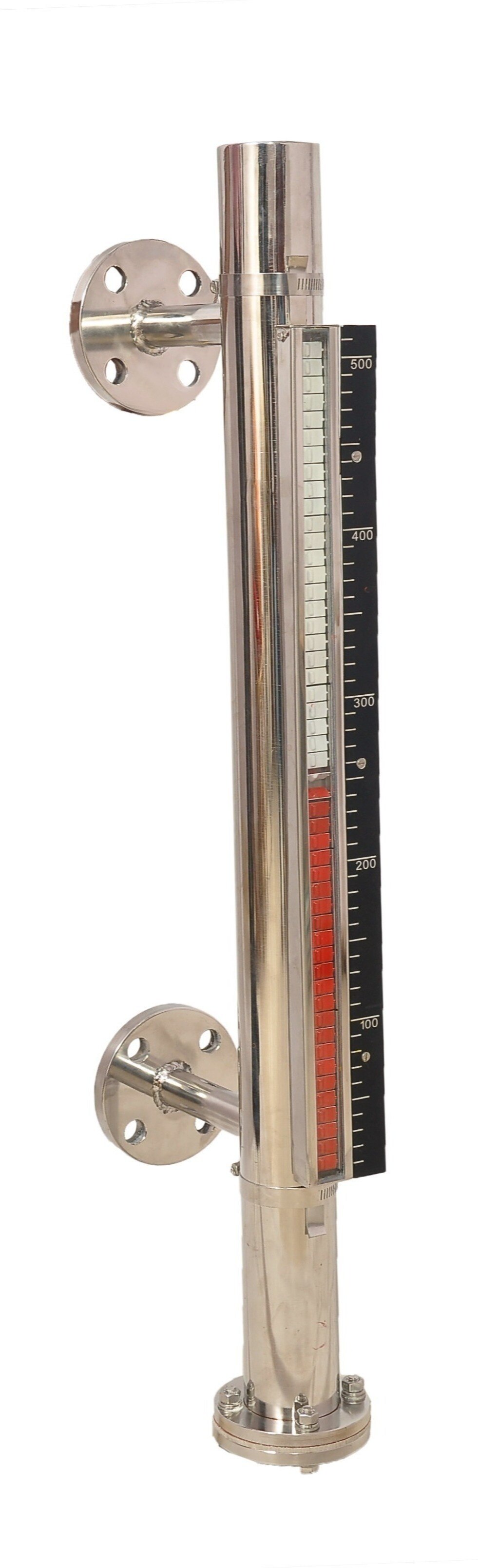
A magnetic level gauge is usually the safer default when you need continuous local indication on a pressurized vessel: the float and liquid stay inside a sealed external chamber, while colored flags or a pointer remain outside the pressure boundary.
A level gauge for high pressure vessels still needs a chamber, float, seals, valves, and connections rated for the actual pressure and temperature.
| Option | Pressure-boundary arrangement | Best fit | Main concern |
|---|---|---|---|
| Magnetic level gauge | Sealed chamber contains the float and process liquid | Continuous local indication with reduced glass-breakage exposure | Wax, solids, corrosion products, viscosity, or plugged connections can stop the float |
| Reflex glass gauge | Pressure-rated glass uses prismatic grooves for a clear liquid-level band | Clean liquids where a simple visual reading is valuable | Glass, gaskets, chamber, and connections must suit operating temperature and pressure |
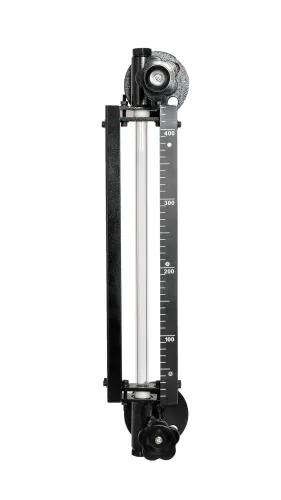
| Transparent armored glass gauge | Liquid is viewed through protected glass windows | Direct confirmation of the interface or multiple phases | More exposed glass area demands robust guards, isolation, and maintenance controls |
Choose protected glass when the liquid is clean and operators need to see the interface directly. Choose magnetic indication when glass failure, toxic release, or frequent local monitoring makes direct sight undesirable; verify the glass rating at operating temperature, not room temperature.
- Add radar or differential-pressure measurement when operators cannot approach the vessel safely. Use independent high- and low-level shutdown protection rather than treating the local gauge as the only safeguard.
- Specify flushable connections, adequate bore size, isolation valves, drain and vent arrangements, and a cleaning procedure.
- Treat a gauge guard as personnel protection, not pressure containment; provide safe depressurization before maintenance.
Specify the chamber, connections, float and protection as one assembly
A level gauge for pressurized vessels works reliably only when the chamber, vessel nozzles, isolation valves, flanges, bolting, gaskets, drain and vent form one pressure boundary. The allowable service is set by the weakest component and its pressure-temperature derating, not by the chamber’s nominal flange class.
Specify the assembly against these checks:
- Mount a chamber parallel to the vessel, with upper and lower connections positioned to represent the required measurement span. Use connection sizes that resist plugging and permit flushing.
- Rate every wetted part for design pressure, hydrostatic test pressure, vacuum, pressure cycling and process temperature. Include the isolation valves, drain, vent and bypass piping.
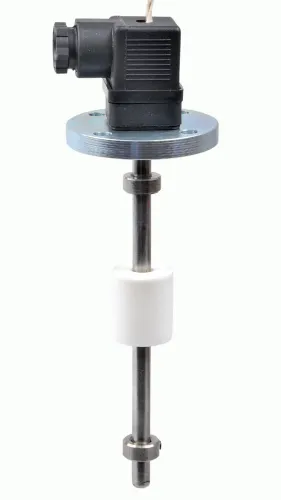
- Select a float for the liquid’s density, viscosity, solids, wax and corrosion conditions. Provide low-friction guidance and enough clearance to prevent sticking against the chamber wall.
- Fit a protective guard over the external indicator and specify separate temperature limits for the chamber, float, seals, magnet, flags, switches and any transmitter.
A level gauge for high pressure vessels also needs a maintenance route. Arrange isolation valves so you can remove or flush the chamber without opening the vessel, and place the drain where trapped liquid can be collected safely. A blocked connection or stuck float can leave the vessel pressure intact while showing a false level.
Where operators cannot approach the vessel, Filpro Sensors Pvt Ltd can be considered for a remote hydrostatic measurement channel, while the external chamber remains local verification rather than the sole protection.
Related products
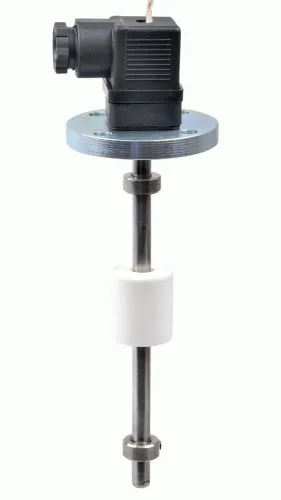
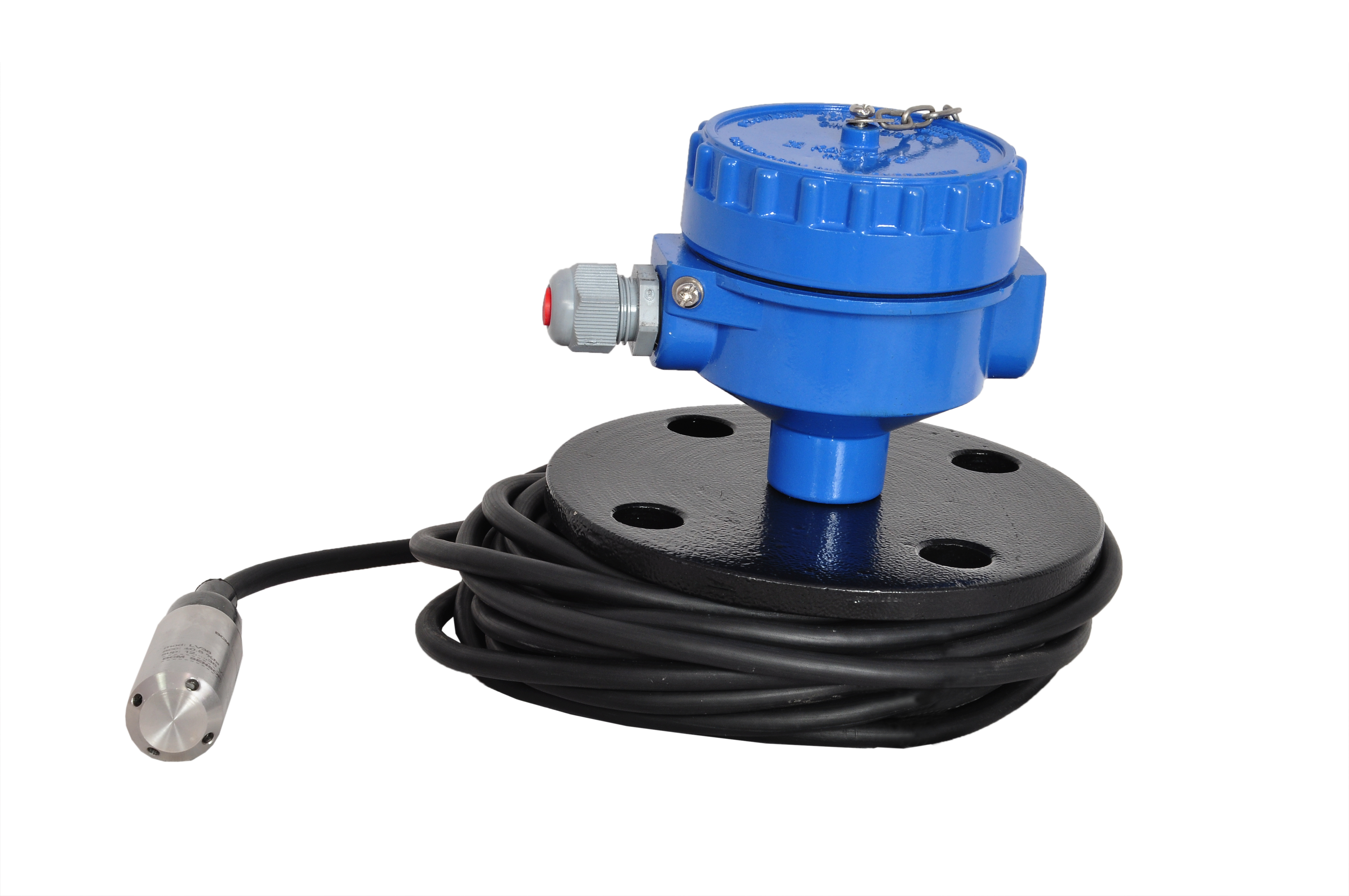 | Level Transmitter Hydrostatic liquid level transducers and transmitters with flush diaphragm is designed fora wide variety of level measurement applications. View product → |
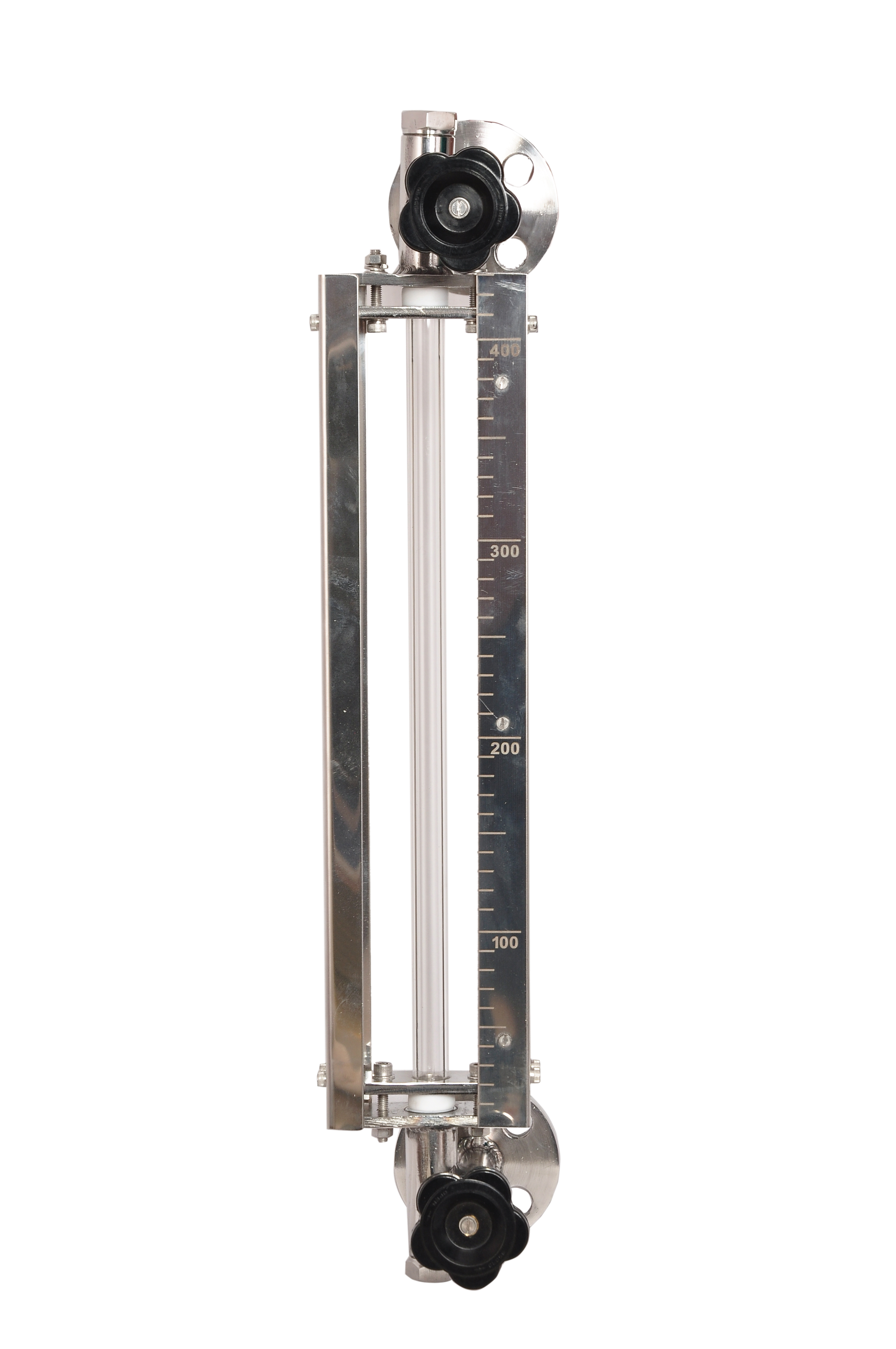 | Level Gauge Tubular Glass Level Indicator is used for visual level indication of liquid in storage and process tanks. View product → |
Use radar or differential pressure when the reading must be remote
Select a remote instrument when operators cannot safely approach the vessel, the gauge is hidden by insulation, or the control system needs continuous level data. A local gauge can remain an independent visual check, but it should not be the sole indication on an inaccessible pressurized vessel.
| Option | What it means | When it applies |
|---|---|---|
| Free-space radar | Non-contact measurement from the vessel roof | Choose it for clean liquids, an unobstructed vapour space, and a clear antenna view. Check nozzle size, internal obstructions, foam, vapour density, and the liquid’s dielectric properties. |
| Guided-wave radar | A probe sends the signal along a rod or cable | Choose it for narrow vessels, stilling wells, or turbulent surfaces where free-space echoes are unreliable. Confirm probe length, dead zone, coating, and clearance from agitators, coils, and deposits. |
| Differential-pressure transmitter | The transmitter calculates level from the pressure difference between two connections | Choose it when the vessel has stable high- and low-side connections. Equal vapour pressure cancels out, but changing liquid density from temperature or concentration will distort level unless compensation is configured. |
| Local magnetic or glass gauge | Direct indication beside the vessel | Choose it as a visual cross-check when access is safe. It is a poor sole choice when heat, pressure, height, or hazardous contents prevent routine approach. |
For a level gauge for high temperature vessels, specify the temperature rating of the chamber, seals, indicator, switches, and transmitter separately. A remote radar or DP signal plus independent high- and low-level shutdowns gives better protection than relying on one indication.
Match wetted materials and temperature limits to the actual liquid
Match every wetted material to the liquid’s chemistry, temperature and solids content, not just its pressure rating. Corrosive, viscous, flashing or crystallising liquids can seize a float, foul a chamber or attack seals; select compatible chamber, float, glass, gasket and isolation-valve materials, then provide flushing or drain access where deposits are expected.
| Option | Fluid or operating condition | Practical choice |
|---|---|---|
| Magnetic gauge | Clean or moderately dirty liquid needing local indication | Sealed chamber keeps process fluid away from the indicator; verify float buoyancy at the actual density |
| Reflex or transparent glass gauge | Stable liquid and frequent visual checks | Use pressure-rated glass and gaskets; check the glass rating at operating temperature, not room temperature |
| Displacer gauge | Liquid density remains predictable | Recalibrate when temperature, concentration, dissolved gas or composition changes buoyancy |
| Radar transmitter | Remote measurement with vapour, foam or difficult access | Prefer it when operators cannot safely approach a level gauge for high temperature vessels |
| Differential-pressure transmitter | Pressurised vessel with matched gas pressure at both taps | Compensate the level calculation when liquid density changes with temperature or composition |
A level gauge for pressurized vessels is limited by its weakest pressure-boundary component. Check the chamber, nozzles, flanges, bolting, gasket, isolation valves, vent and drain together, including pressure-temperature derating and pressure cycling.
Maintenance access can outweigh measurement principle. If cleaning requires vessel entry or hot isolation work, specify block-and-bleed arrangements, a drainable chamber and remote indication; combine local visual verification with independent high- and low-level shutdown protection when approach is unsafe.
Frequently asked questions
What should you check first when choosing a level gauge for pressurized vessels?
Check the vessel’s maximum and minimum pressure, design temperature, vacuum conditions, liquid density and operating range—not only normal operating values.
When is a magnetic level gauge better than protected glass?
Choose a magnetic gauge when you need clear local indication with reduced risk from exposed glass. Use protected glass when direct visual observation suits the process and the gauge meets the vessel rating.
What components must be specified together for a high-pressure level gauge?
Specify the chamber, process connections, float, seals, vent and drain, isolation valves, and protection as one pressure- and temperature-rated assembly.
When should you use radar or differential pressure instead of a local level gauge?
Use radar or differential pressure when the level must be monitored remotely, sent to a control system, or measured where local access is difficult.
Related product
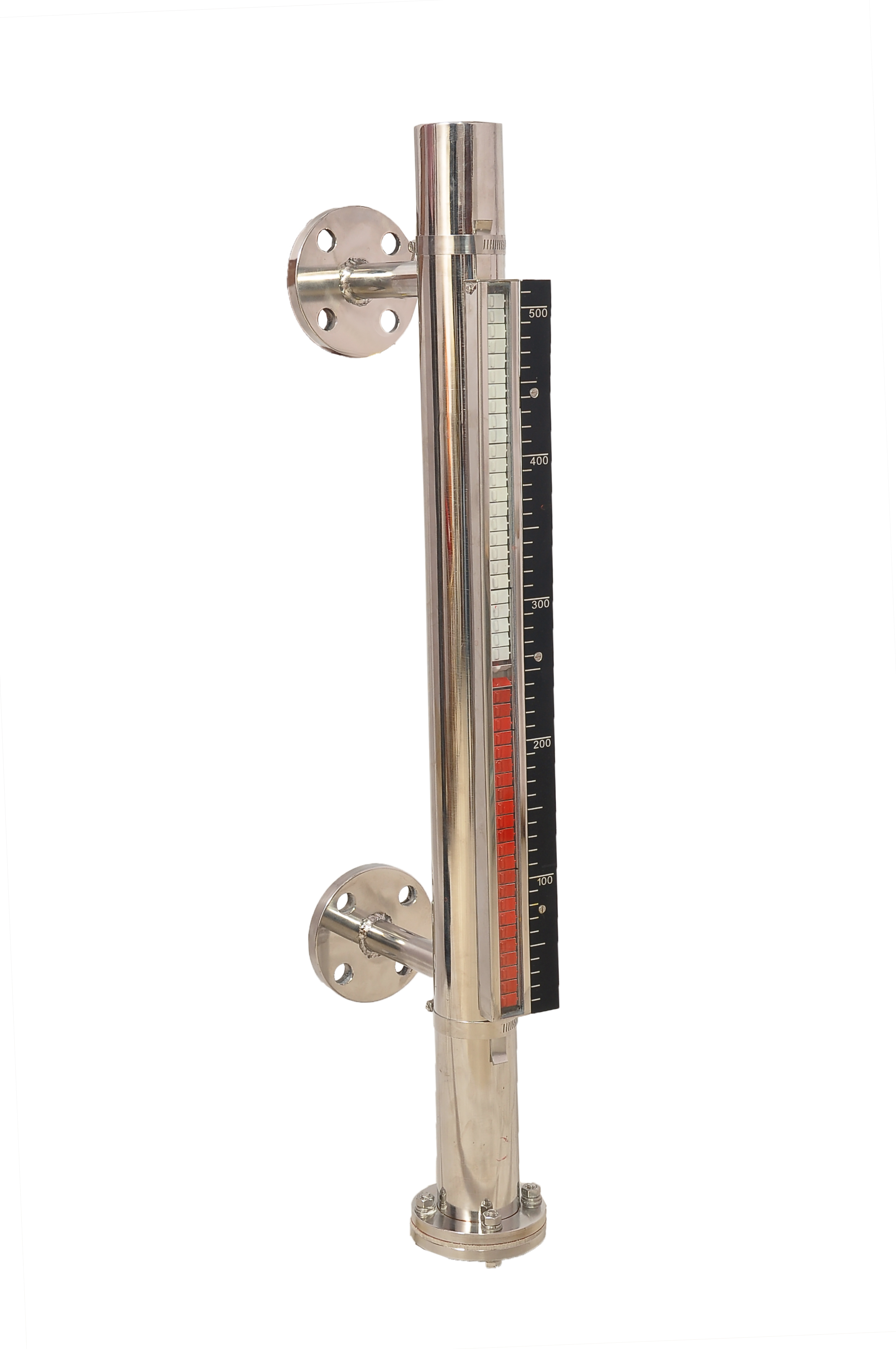 | Level Gauge FILPRO offers Magnetic Level Indicator provides clear, high clarity indication of liquid level. View product → |