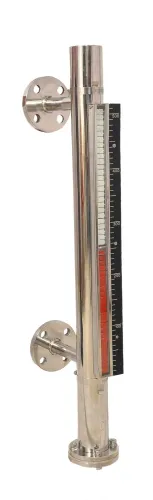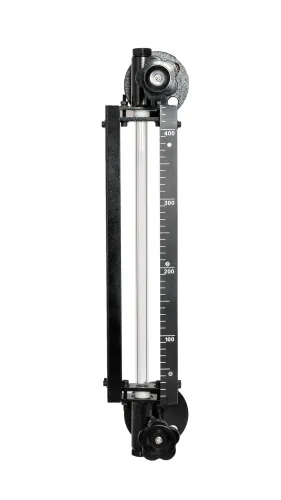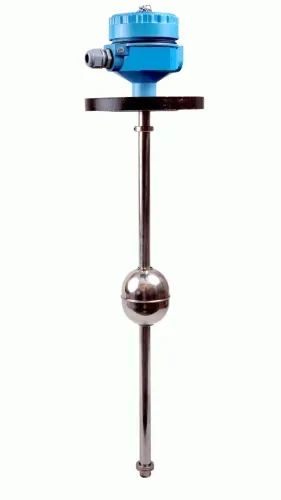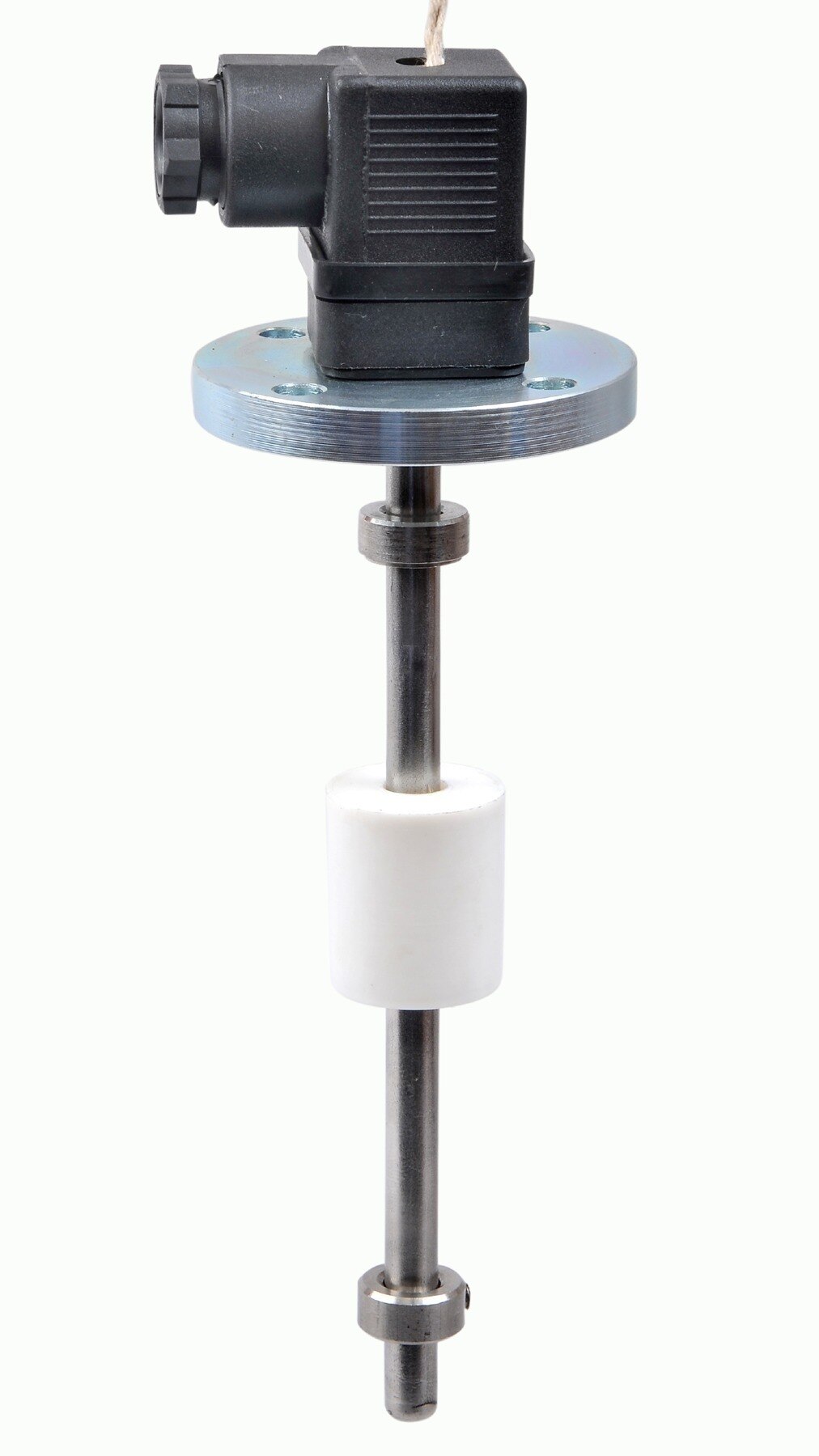
The correct choice depends on more than the vessel’s pressure rating. You need to match the complete pressure boundary, measurement principle, liquid properties, temperature limits and installation geometry before selecting a transmitter; by the end, you will have a practical checklist for comparing DP, radar and other technologies.
Key takeaways
- Check nozzle, flange, gasket, seal, and transmitter pressure ratings together.
- Use radar for difficult liquids when hydrostatic density errors could distort level.
- Confirm wetted materials and temperature ratings match the actual process.
- Specify calibration, diagnostics, certificates, and installation details before ordering.
Start with the complete pressure boundary, not the vessel pressure alone
Verify the complete pressure boundary before selecting a level transmitter for high pressure vessels, not just the vessel’s internal pressure. Obtain the vessel nozzle rating, process-connection standard and size, flange class or thread specification, diaphragm or probe material, gasket, antenna seal, and remote-seal assembly rating.
Separate normal operating pressure, design pressure, proof pressure, burst pressure, maximum static pressure, and hydrostatic-test pressure. A transmitter that survives a short pressure test is not automatically approved for continuous service.
Request the supplier’s pressure-temperature derating, overpressure limit, vacuum rating, and maximum and minimum process temperatures; heat can reduce allowable pressure and damage the sensor, cable, seals, electronics, or connection.
| Option | Pressure and connection checks | Main limitation |
|---|---|---|
| Differential pressure | High- and low-side connections, diaphragms, capillaries, seals, static-pressure limit | Density changes distort level; sealed vessels need a reference to the gas space |
| Non-contact radar | Antenna, process seal, flange, nozzle and vessel temperature-pressure rating | Requires a suitable nozzle and stable radar reflection |
| Guided-wave radar | Probe tensile load, clearance, coating, chemistry, nozzle and seal rating | Turbulence, buildup and pull-down forces can damage the probe |
For a sealed vessel, a hydrostatic transmitter measures the pressure difference between the liquid column and gas space; an unspecified gauge-pressure sensor is the wrong reference. The DP range follows ΔP = ρgH, so verify liquid density, composition and temperature—not vessel pressure alone.
Match the technology to the tank and liquid
For most high-pressure vessels, non-contact radar is the best default when the liquid reflects radar reliably and the vessel accepts a rated antenna or flange. A level transmitter for high pressure tanks must also suit vapour, foam, condensation, turbulence and internal obstructions—not pressure alone.
| Option | Best fit | Main limitation |
|---|---|---|
| Radar | Clean or moderately turbulent liquids with stable radar echoes | Heavy vapour, foam, antenna condensation and low-dielectric liquids can weaken the echo |
| Guided-wave radar | A defined probe path or liquid-liquid interface measurement | The probe needs clearance and mechanical checks for pressure, temperature, coating, turbulence and pull-down loads |
| DP | Stable-density liquids in sealed or pressurised vessels | The reading follows ΔP = ρgH, so changing density creates proportional level error |
| Displacer | Clean service requiring a mechanically defined level or interface | Buoyancy changes with density; chambers can plug and turbulence can disturb the measurement |
| Capacitance | Liquids with stable dielectric properties and limited coating | Coating, changing composition and probe insulation shift the calibration |
| Ultrasonic | Open or low-pressure tanks with a clear vapour space | Vapour, foam, condensation and pressure-related sound changes can produce unreliable echoes |
| Float | Simple, clean service where a mechanical indication is acceptable | Moving parts, friction, turbulence and chamber fouling reduce reliability |
For a level transmitter for high pressure, choose DP when liquid density is controlled and radar when you want to avoid impulse lines and density assumptions. In a sealed vessel, hydrostatic measurement requires differential pressure or a compensated reference; a gauge-pressure sensor measures the wrong quantity.
Choose the temperature design as carefully as the pressure design
Choose a level transmitter for high temperature liquids from the complete temperature envelope, not the electronics’ headline limit. Check maximum and minimum process temperature, ambient temperature at the mounting point, start-up and shutdown temperatures, and the supplier’s pressure-temperature derating. A transmitter that survives a brief hot cycle can still lose calibration during continuous operation.
Confirm the limit for every temperature-sensitive part:
- Process seal, diaphragm, probe coating, antenna gasket and remote-seal fill fluid
- Sensor cable insulation and entry seal, especially on submersible or remote-mounted units
- Electronics housing and display, including the permitted ambient range
- Process flange, thread, gasket and nozzle, because thermal expansion can create leakage or mechanical stress
| Installation choice | Temperature effect | What to check |
|---|---|---|
| Direct-mounted transmitter | Vessel heat can exceed the electronics’ ambient limit | Cooling extension, insulation clearance and actual housing temperature |
| Remote-seal transmitter | Capillary temperature differences shift the zero and alter response | Fill-fluid limit, capillary routing and equal temperature exposure |
| Radar with roof-mounted probe or antenna | Hot vapour, buildup and thermal expansion affect the process seal and measurement path | Antenna gasket, probe material, nozzle temperature and clearance from internals |
Mount electronics outside the hot zone when the process temperature permits, but do not bury a transmitter in insulation unless its heat limit allows it.
For a level transmitter for high temperature, the coldest condition matters too: a fill fluid, seal or cable that becomes stiff below its minimum rating can produce sluggish readings or leakage.
Know when hydrostatic measurement will give the wrong level
Hydrostatic measurement gives the wrong level when the pressure difference no longer represents a stable liquid column. Because ΔP = ρgH, a level transmitter for high pressure can indicate the wrong height when density changes with composition, concentration, temperature, gas entrainment or two liquid phases.
A level transmitter for high temperature liquids must also account for density shifts as temperature changes.
Use caution when you have:
- Gas bubbles in the liquid. Entrained gas lowers the average density, so the transmitter can read a level higher than the true liquid height.
- Solids, crystals or viscous material. These can plug impulse lines, coat diaphragms or block a displacer chamber, creating a slow, frozen or biased signal.
- Long or poorly routed impulse lines. Unequal temperatures, trapped gas, condensate pockets and leaks alter the pressure reaching the transmitter.
- Steam or condensing vapour. A wet reference leg loses accuracy when condensate drains, evaporates, freezes or develops a different temperature from the opposite leg.
Remote diaphragm seals remove impulse-line blockage and process-leakage points, but capillary fill fluid introduces temperature-dependent zero shift, slower response and ambient-temperature error. Unequal capillary lengths or unequal heating worsen the error. Choose non-contact radar when density is unstable or lines will not stay clean, provided its antenna, flange and process seal suit the pressure-temperature duty.
Turn the selection into a supplier and installation checklist
Approve a level transmitter for high pressure vessels only after the supplier matches the complete pressure boundary to your operating case. Request the documents and application data below before releasing a purchase order:
1. A datasheet stating normal operating pressure, design pressure, proof pressure, burst pressure, maximum static pressure, pressure-test pressure, vacuum rating and overpressure limit. Confirm which values permit continuous operation.
2. A pressure-temperature derating chart covering your minimum and maximum process temperatures. Check the transmitter body, diaphragm or probe, antenna seal, flange, gasket and remote-seal assembly—not only the sensing element.
3. A certified drawing naming the process-connection standard, flange class or thread, nozzle size, face finish, gasket arrangement and allowable loads. An ASME flange class alone does not prove transmitter suitability at your temperature.
4. Materials-of-construction and chemical-compatibility documents for the liquid, vapour, coating, solids and cleaning chemicals. For a level transmitter for high temperature service, request limits for electronics, cable, seals and wetted parts separately.
5. Vessel data showing level range, gas pressure, liquid-density range, temperature, turbulence, foam, interface requirement, nozzle location and internal obstructions. For DP measurement, state whether density changes; otherwise the indicated level will drift.
6. A certified installation and calibration procedure. Sealed or pressurised vessels require a DP arrangement or compensated reference, not an unspecified gauge sensor.
When reviewing a quotation from Filpro Sensors Pvt Ltd, ask for these same boundary ratings and density assumptions in writing before comparing its hydrostatic option with radar, DP or displacer designs.
Related products
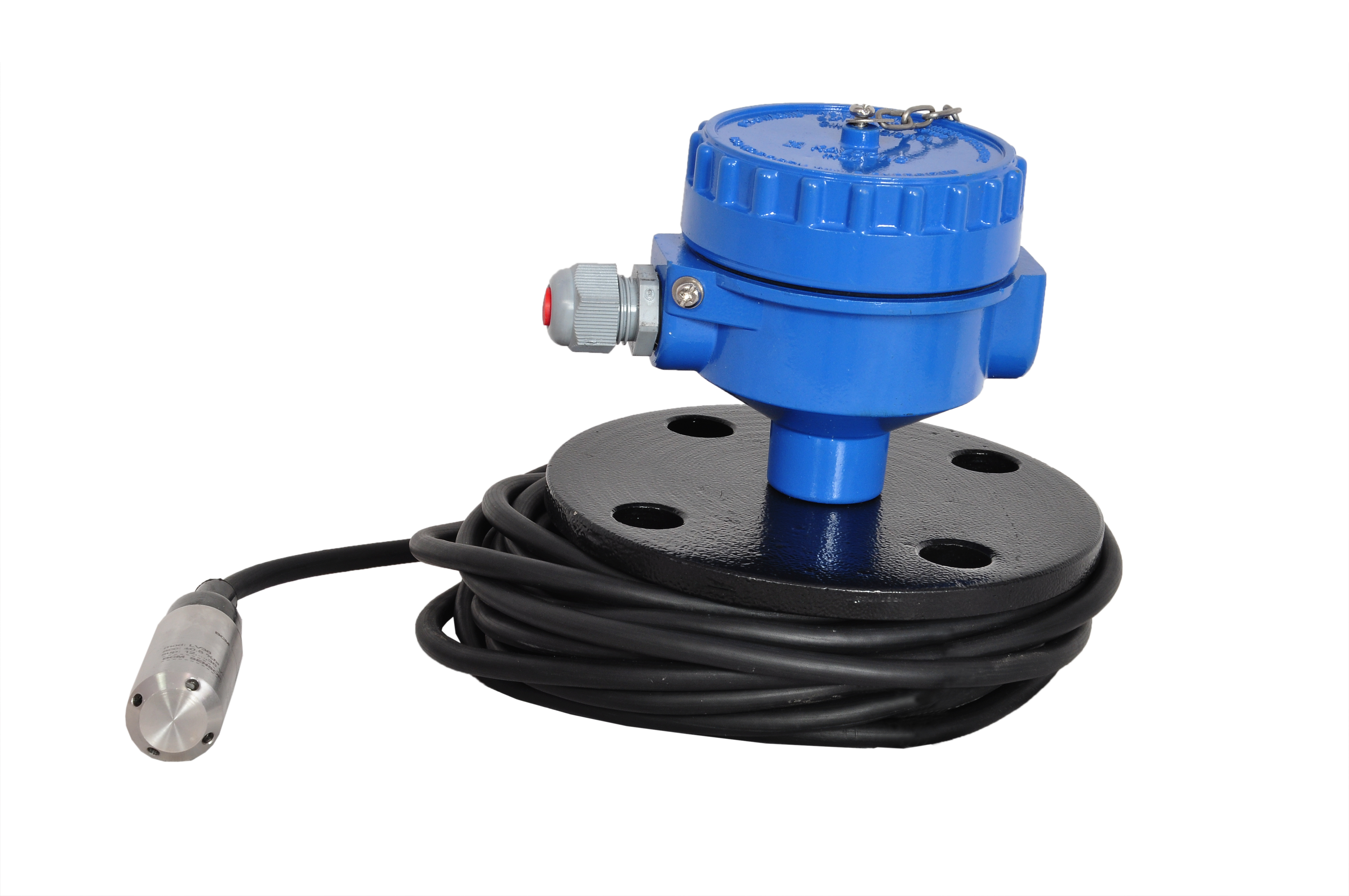 | Level Transmitter Hydrostatic liquid level transducers and transmitters with flush diaphragm is designed fora wide variety of level measurement applications. View product → |
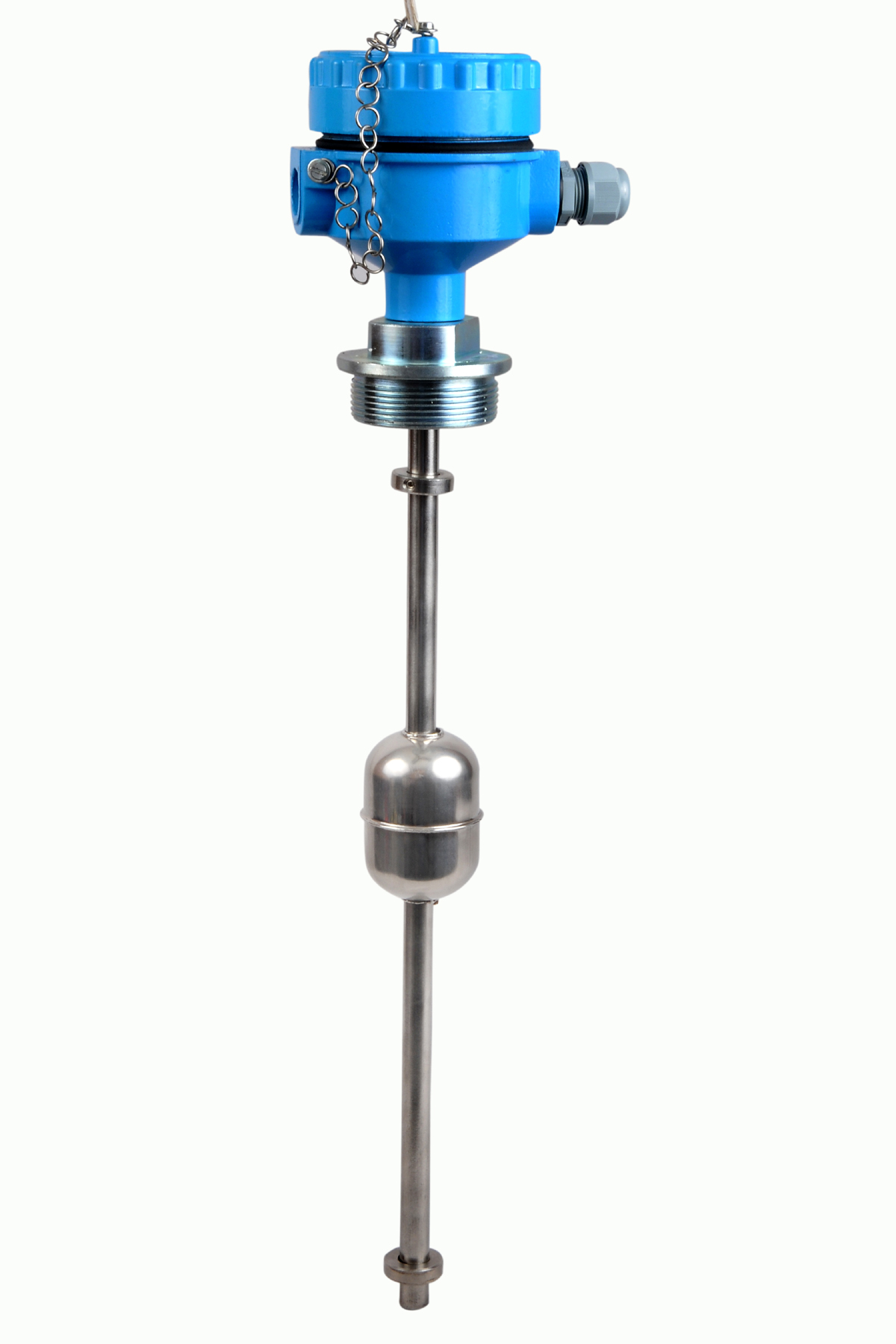 | Level Transmitter Float Level Transmitters Are Ideal For Continuous Level Monitoring In Water, Diesel, Chemical And Oils For Accurate Level Measurement. View product → |
Frequently asked questions
What pressure details must you check before choosing a level transmitter?
Check the vessel nozzle rating, process-connection standard and size, flange class or thread specification, diaphragm or probe material, gasket, antenna seal, and remote-seal assembly rating.
Which level transmitter technology suits a high-pressure vessel?
Choose between radar, differential pressure, guided-wave radar, and other technologies by matching the tank geometry, liquid properties, vapour conditions, foam, turbulence, and required measurement accuracy.
Why does temperature matter when selecting a level transmitter?
Verify the transmitter body, wetted materials, seals, electronics, cable, remote diaphragm, and process connection against the actual process and ambient temperature ranges.
When can hydrostatic level measurement give the wrong result?
Hydrostatic measurement can be wrong when liquid density changes, the vessel contains multiple phases, impulse lines plug or freeze, vapour pressure varies, or the tank is pressurised without proper differential-pressure compensation.
Related product
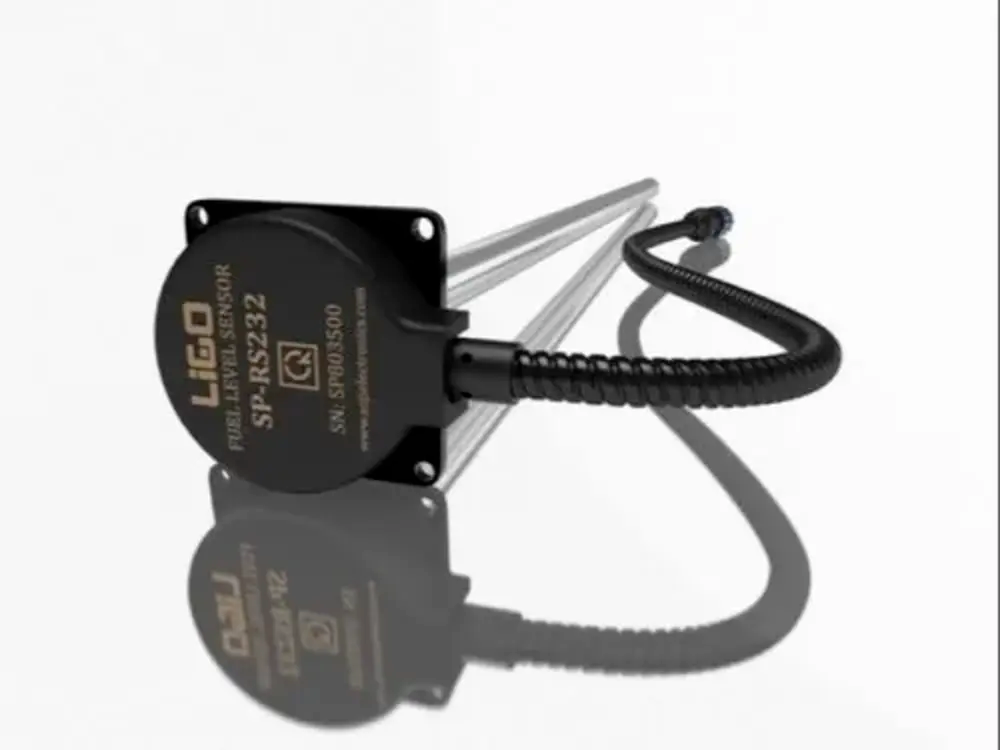 | Level Sensor Ligo fuel sensor for monitoring Diesel and Petrol level in vehicle fuel tanks and DG sets. View product → |