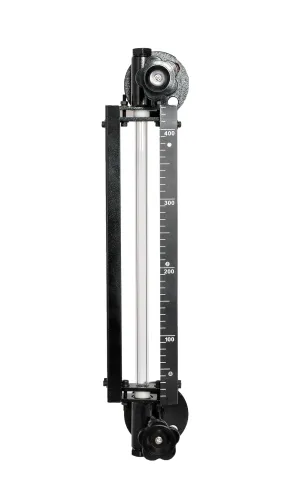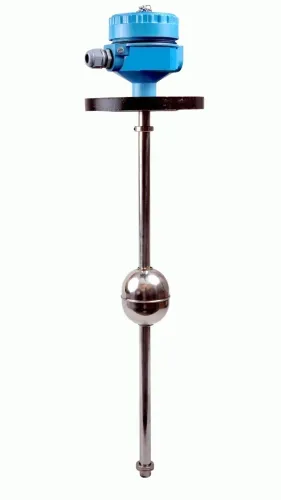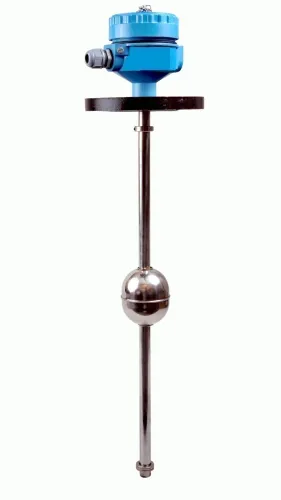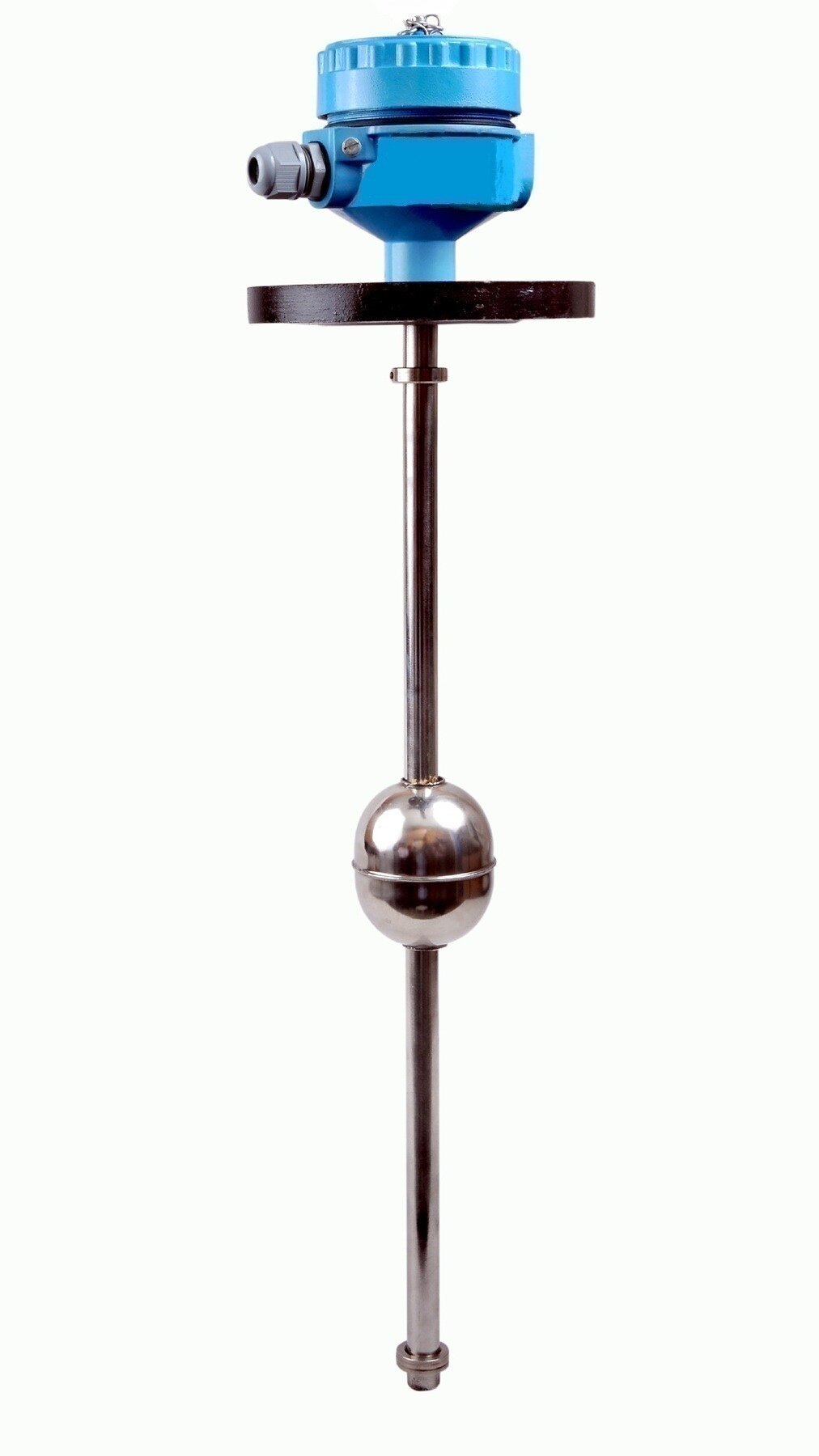
The better choice depends on what must happen when the tank reaches a limit, what the liquid does to the sensing element, and whether the device must operate without instrument power. By the end, you will be able to match a switch or level transmitter to the process, specify its failure state, and identify installation details that decide whether it works reliably.
Key takeaways
- Choose mechanical switches for simple, power-free point detection.
- Choose electronic switches for adjustable set points and diagnostic signals.
- Check viscosity, turbulence, foam, coating and temperature before selecting.
- Specify set point, process connection, materials, output and fail position.
What separates a mechanical level switch from an electronic one?
A mechanical versus electronic level switch differs in what physically detects the liquid. A mechanical switch uses buoyancy or pressure to move a float, displacer, diaphragm, lever, magnet, reed contact, or microswitch. That movement changes a physical contact state at a fixed set point, usually without instrument power.
A float is not density-independent: a displacer’s buoyant force changes when liquid density changes, shifting its switching point.
An electronic switch uses a powered sensing circuit, but electronic methods are not interchangeable. Each measures a different process property.
| Technology | What it measures | Main limitation |
|---|---|---|
| Mechanical float or displacer | Buoyancy and movement | Density, viscosity, solids, wax, turbulence, and fouling affect operation |
| Conductive probe | Liquid conductivity | Requires a sufficiently conductive liquid |
| Capacitance | Dielectric change | Product coating can cause false switching |
| Vibrating fork | Damping of fork vibration | Build-up can affect detection |
| Ultrasonic or radar | Sound or microwave reflection | Foam, vapour, condensation, turbulence, or installation geometry can weaken the signal |
Point-level switching gives a discrete high or low trip signal. A level transmitter reports a changing measurement for indication or control. Do not substitute a transmitter for an independent high-high shutdown when the protection function requires a separate sensor, defined alarm state, fast response, and proof-test method.
Choose a mechanical design for simple, fixed-point switching and operation without sensor power. Choose electronic detection when diagnostics, adjustment, remote status, low wear, or noncontact measurement matters.
Which performance and failure criteria decide the better choice?
The better choice is the one that delivers the required trip accuracy and safe process action under every credible failure, not simply the one with fewer moving parts. Compare the mechanical versus electronic level switch against these criteria:
| Criterion | Mechanical switch | Electronic switch |
|---|---|---|
| Switching accuracy and repeatability | Set by float movement, mounting, and contact geometry | Set by sensing method, calibration, and configuration |
| Response time and deadband | Often fixed by travel and hysteresis | Often configurable, with filtering or delay |
| Output and load | Reed or microswitch contact; verify voltage, current, inductive-load, arcing, welding, and bounce limits | Solid-state signal; verify leakage current, polarity, short-circuit protection, minimum load, and configuration |
| Power and signal | Contact can remain open or closed without instrument power; wiring and load must still be correct | Requires power; choose its relay, transistor, 4–20 mA, or digital signal carefully |
| Maintenance | Inspect the float, linkage, and contact | Use diagnostics, proof-test, or simulation, then inspect the sensor and trip point |
Adjustable delays, fault codes, test magnets, and self-diagnostics reduce troubleshooting time, but they do not prove an open nozzle, free float travel, clean probe, or unobstructed trip point. Physical inspection or a process-level test still matters.
Write a failure matrix covering loss of power, broken cable, sensor fault, stuck mechanism, and the final valve or pump action. An electronic output, diagnostic, or alarm can disappear during power failure unless the loop and fail-safe design preserve the required state.
For hazardous areas, verify gas or dust classification, equipment group, temperature class, ambient range, wiring method, and intrinsic-safety, flameproof, or increased-safety protection.
How do liquid and process conditions change the decision?
Liquid and process conditions often matter more than the technology label in a mechanical versus electronic level switch decision. Check these conditions at the sensing point:
1. Viscosity, density range, foam, vapour, suspended solids, conductivity, corrosiveness, turbulence, temperature, pressure, and coating or buildup.
2. Reject a float where wax, solids, or viscous product can make it stick. Turbulence can cause contact chatter, while density changes can shift a float or displacer trip.
3. Use conductive probes only when the liquid has sufficient conductivity. Capacitance devices depend on dielectric behaviour and vessel geometry; coating can create a false level unless shielding, a guard electrode, RF-admittance design, or an application test addresses it.
4. Give ultrasonic sensing a clear acoustic path. Foam, vapour, condensation, turbulence, and the sensor dead zone can block or distort the echo.
5. Consider vibrating forks for clean liquids because conductivity and dielectric constant have less influence. Heavy buildup, entrained gas, high viscosity, or mechanical loading at the fork can still cause missed or false trips.
6. Radar avoids some acoustic problems, but it still needs a suitable antenna, signal path, and configuration.
Specify the actual wetted-material compatibility, pressure rating, temperature range, enclosure rating, and process connection. “Stainless steel” does not establish chemical suitability, and “electronic” does not identify a process limit.
A mechanical device is better when the service is simple, clean, and power independence matters. Electronic sensing earns its complexity when moving parts face fouling or when remote diagnostics are worth the added configuration.
What installation details determine whether the switch works?
The mechanical versus electronic level switch choice starts with mounting geometry. Choose vertical mounting when a float needs unobstructed travel; choose side mounting when vessel geometry or a fixed trip elevation requires it. Confirm clearance from walls, heating coils, ladders, agitator blades, internal pipes, the roof and the bottom.
Use this installation check:
- Keep the sensing point away from inlet streams, pump-suction turbulence and vortex formation. Add a stilling chamber or external chamber when the process permits.
- Check nozzle diameter against the sensor body, mounting thread or flange, insertion length and removal clearance.
- For electronic probes, verify orientation, active-length position, grounding, shielding and separation from nearby metal that could alter capacitance or radar performance.
- Route cables away from motor power cables. Provide strain relief, the specified bend radius, gland sealing and the required ingress protection.
- Check actual pressure and temperature at the sensor, not only the tank’s nominal rating.
Overfill protection needs a defined protective action, not just a switch selection.
| Check | Installation question | Consequence of omission |
|---|---|---|
| Mounting | Does the float or probe reach its intended trip point? | A blocked float or misplaced active zone causes a false level. |
| Nozzle | Can you install and remove the sensor without obstruction? | Maintenance becomes a tank entry or process shutdown. |
| High-high function | Is it independent, continuously attended, and assigned a response time? | An alarm can arrive too late to prevent overflow. |
| Final action | What happens if the valve fails closed or open, and how will you proof-test the loop? | The claimed protection may not work on demand. |
API 2350 addresses petroleum-tank overfill prevention. IEC 61511 applies when the switch forms part of a safety instrumented function; SIL belongs to the complete sensor, logic solver and final-element loop, not the switch alone.
How should you specify the final choice for your tank or machine?
Choose a mechanical versus electronic level switch by the job, not by a reliability label. Mechanical is better for one fixed trip point, a simple contact circuit, power-independent operation, and visual inspection. Electronic is better when adjustable hysteresis or delay, remote status, self-diagnostics, low mechanical wear, compact installation, or noncontact sensing justifies power and configuration.
- Choose mechanical for uncomplicated point switching. Confirm that density, viscosity, foam, solids, turbulence, and fouling will not obstruct the mechanism.
- Choose electronic when switching behaviour must be adjustable, status must reach a control room, or a moving float is unsuitable. Define the failure action for power loss, broken cable, sensor failure, and loss of instrument air.
- Reject either option if you cannot demonstrate pressure, temperature, hazardous-area approval, load rating, fail-safe state, and proof-test method. Filpro Sensors Pvt Ltd can be one supplier to compare, provided its offered instrument is checked against the same process data.
Write the specification as a complete set of conditions: normal and maximum pressure; minimum and maximum temperature; liquid name and density range; viscosity; conductivity or dielectric behaviour; foam and solids; corrosion exposure; mounting orientation; process connection; insertion length; trip set point; deadband; response time; output type; contact or solid-state load; power supply; enclosure rating; cable entry; hazardous-area classification; and required failure action.
| Option | Best fit | Main specification concern |
|---|---|---|
| Mechanical | Fixed, power-independent switching | Contact load and physical fouling |
| Electronic | Diagnostics, delay, hysteresis, or noncontact sensing | Power, configuration, EMC, and output limits |
| Reject either | Unproven safety or process compatibility | Missing approval, rating, or proof test |
Related products
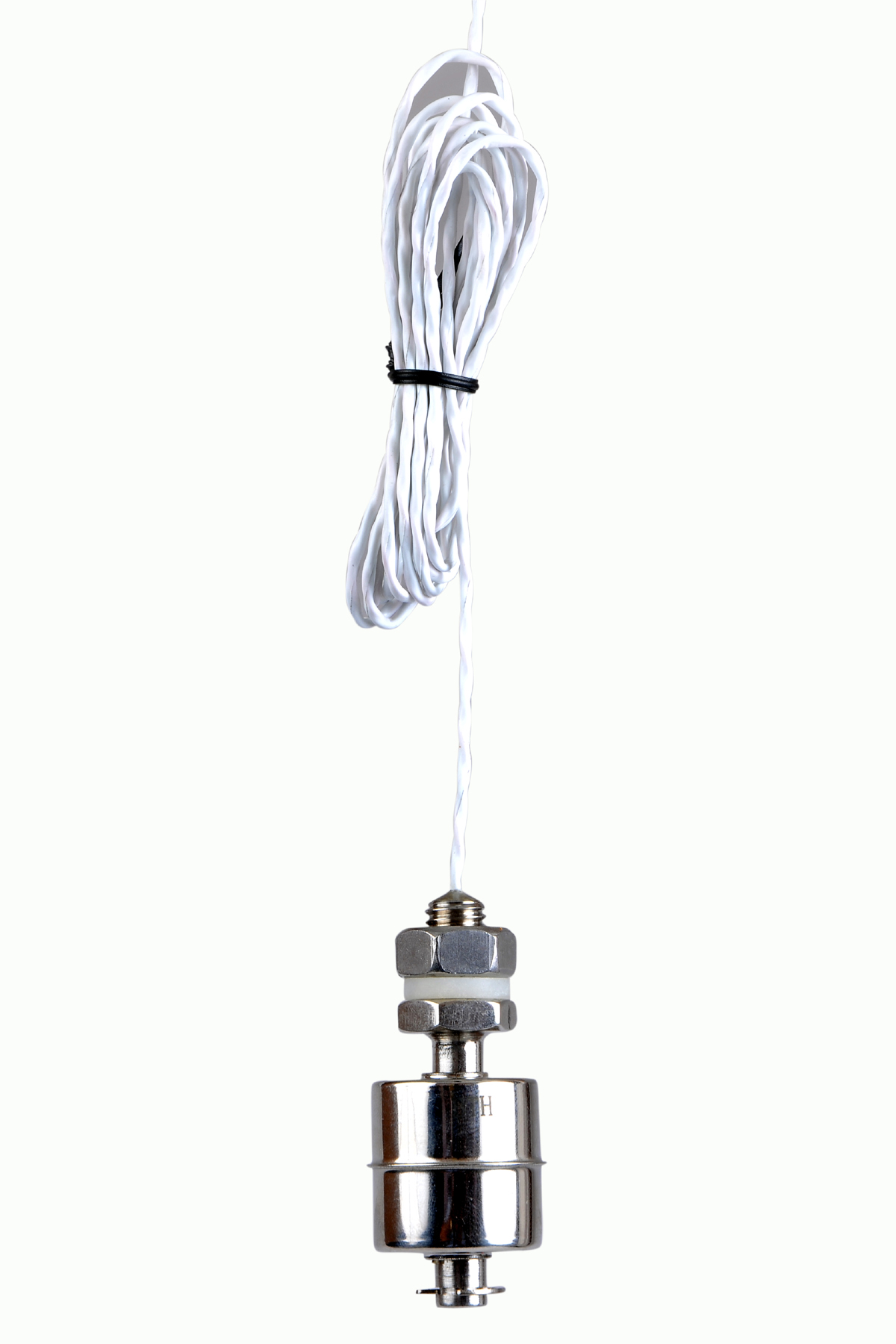 | Level Switch Stainless steel level switch - Miniature Stainless steel Miniature Level Switch is a compact construction, suitable for mounting vertically. View product → |
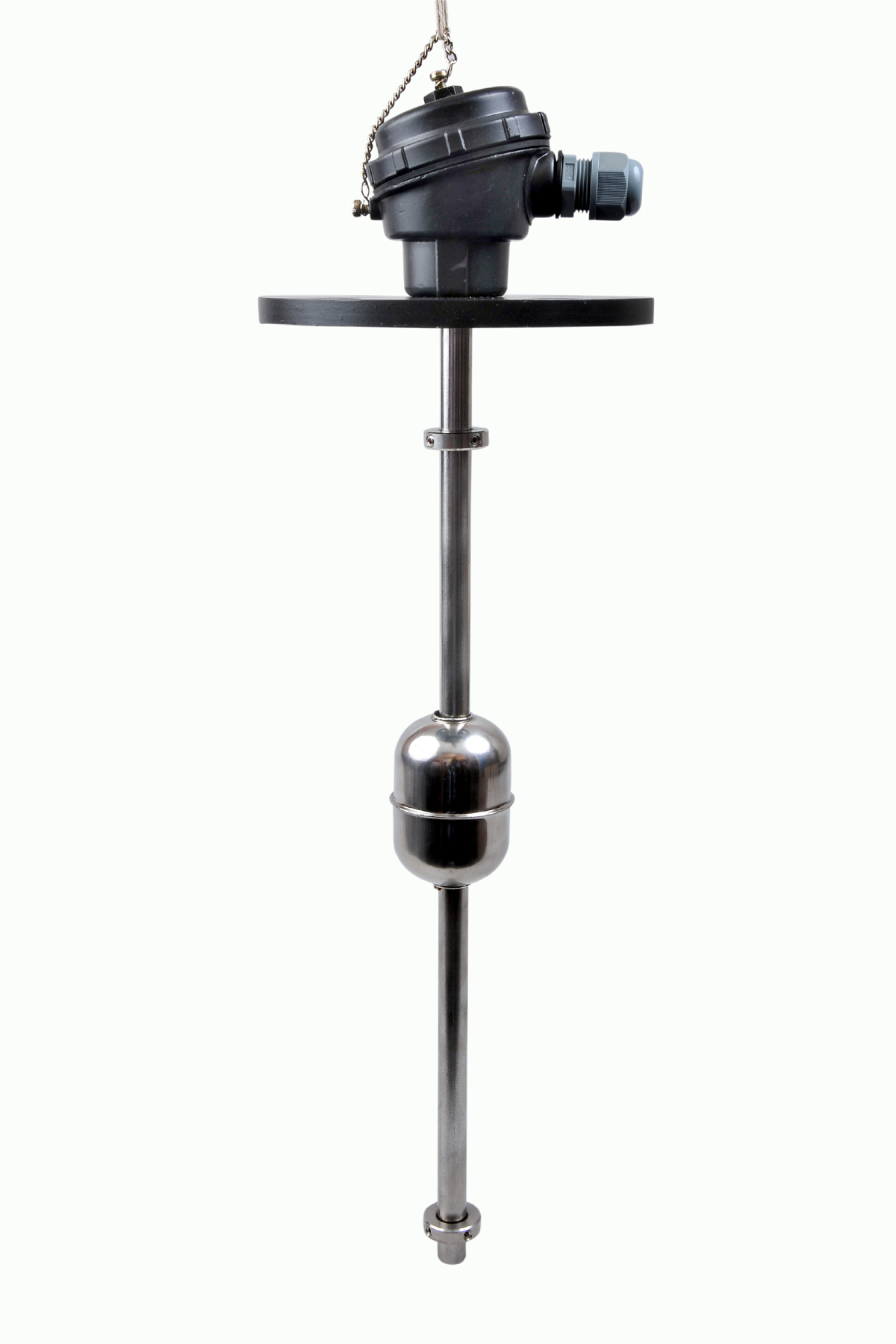 | Level Switch The Magnetic Level Switch consists of the non-abrasive float carrying permanent magnet and non-ferrous stem carrying one. View product → |
Frequently asked questions
What separates a mechanical level switch from an electronic one?
A mechanical switch detects level through physical movement from buoyancy or pressure and changes a contact state. An electronic switch detects level with a probe, sensor or electronic circuit and produces a switched or transmitted signal.
Which performance and failure criteria decide the better choice?
Compare set-point accuracy, repeatability, response time, power dependence, output type, diagnostic capability and failure behaviour. Decide whether the process needs a normally open or normally closed output during power loss or sensor failure.
How do liquid and process conditions change the decision?
Viscosity, turbulence, foam, vapour, suspended solids, coating, temperature, pressure and corrosiveness can restrict either technology. Match wetted materials and detection method to the actual liquid and operating range.
What installation details determine whether the switch works?
Confirm the mounting position, process connection, insertion length, clearance from tank walls and inlets, wiring, supply voltage, switching capacity and set-point location. Protect the sensor from turbulence and mechanical interference.
How should you specify the final choice for your tank or machine?
Document the liquid, density or dielectric behaviour, temperature, pressure, tank geometry, required set point, hysteresis, output, fail state, materials, connection, enclosure rating and testing requirements.
Related products
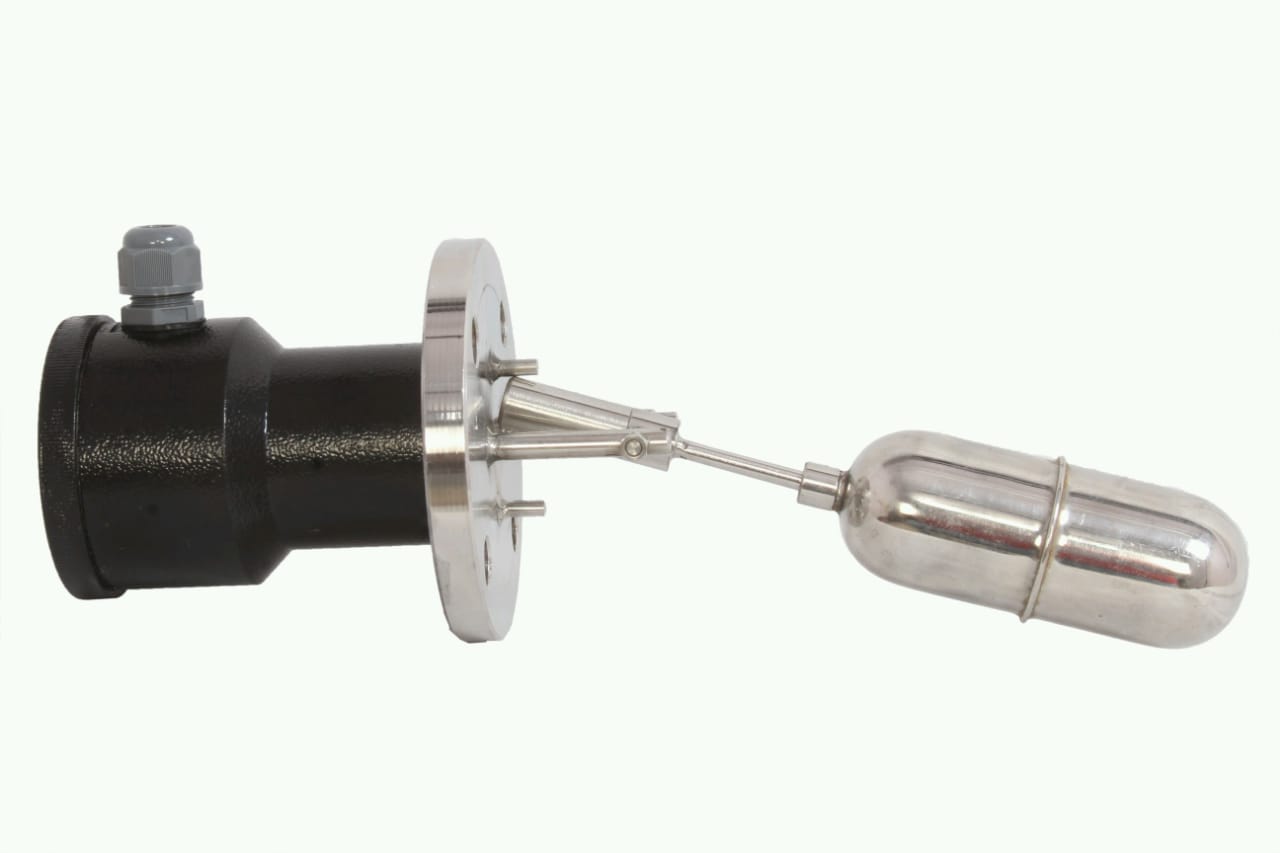 | Level Switch Filpro offers most reliable, cost effective Side Mounted Level Switch for point level sensing. View product → |
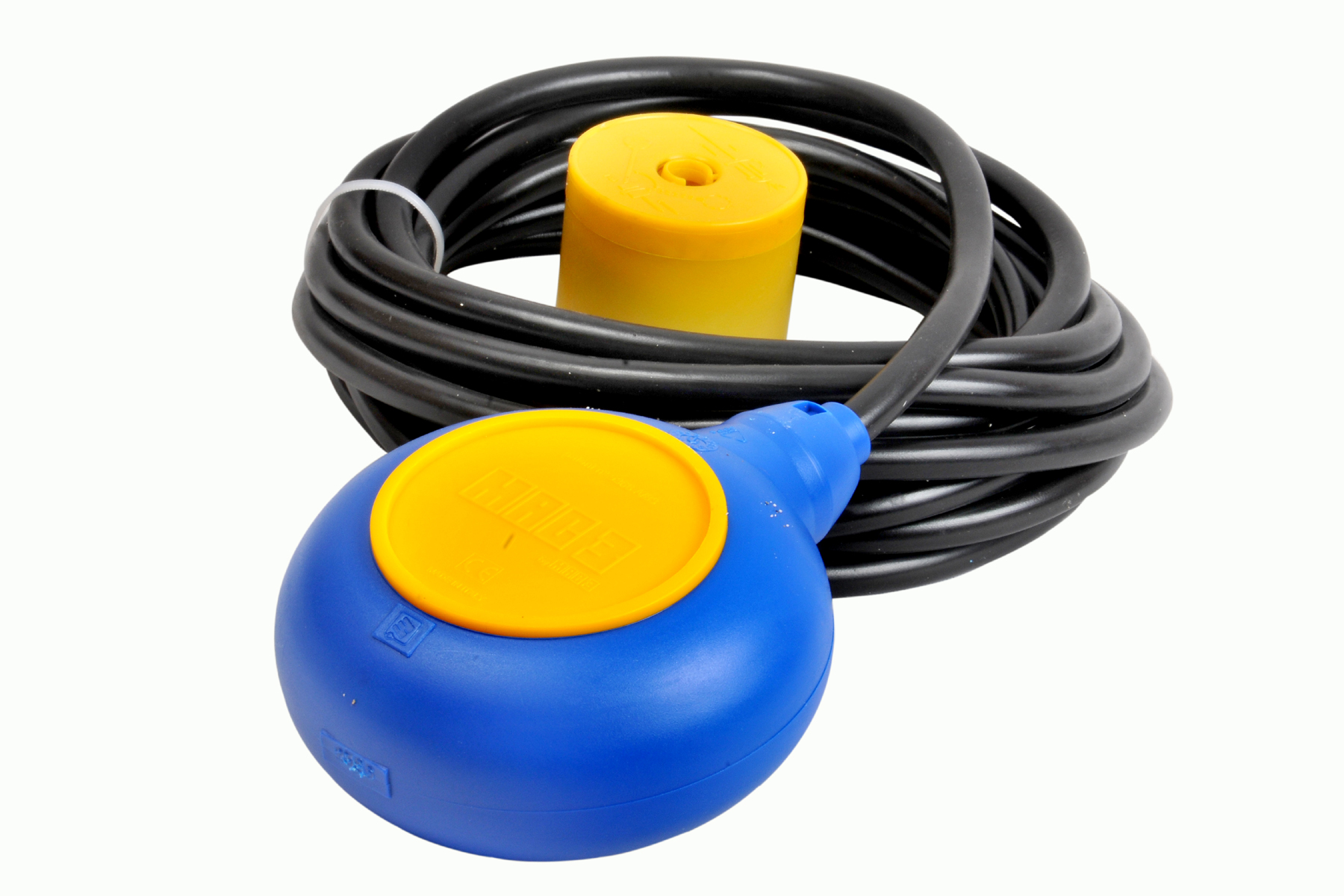 | Level Switch Cable Float Switch is mainly used for the automatic working of small pumps and cellar emptying pumps in liquids a little bit agitated. View product → |
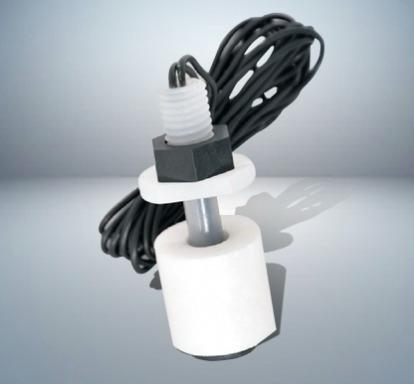 | Level Switch Plastic Miniature Level Switch is available in PP construction with PP Float Switching Voltage: 24V DC Switching current: 0.1A Mounting thread size:... View product → |
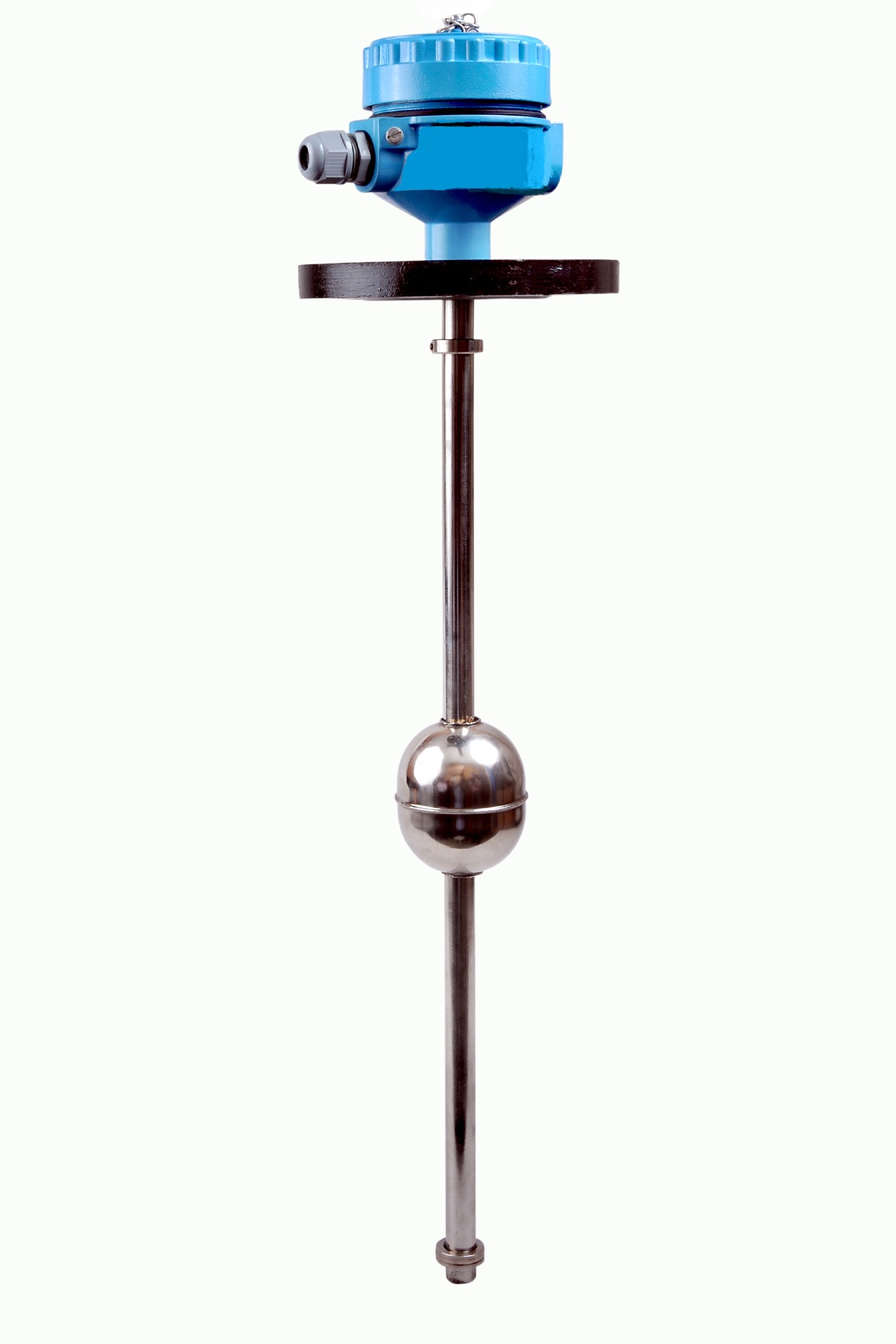 | Level Sensor Atex approved Float Level Transmitter : Over All Length: 300mm to 5000mm Input: 16V DC to 30V DC Output: 4-20mA / 0-10V DC Resolution: 5mm / 10mm... View product → |