A diaphragm can resist the liquid and still fail because its weld, seal, fill fluid, coating or process connection cannot. By the end, you will be able to screen the complete wetted assembly, compare material trade-offs, account for temperature and mechanical loading, and decide when a different level-measurement method is safer or easier to maintain.
Key takeaways
- Specify the complete wetted assembly, including seals, flanges and isolators.
- Check chemical compatibility at operating concentration, temperature and exposure time.
- Compare corrosion resistance with pressure, temperature, abrasion and calibration stability.
- State diaphragm geometry, measurement method and process conditions in the purchase specification.
Start with the complete wetted assembly, not the diaphragm alone
Level transmitter diaphragm material selection must cover the complete wetted assembly, not the visible diaphragm alone. In a hydrostatic level transmitter, any process-contacting part can corrode, swell, leak, contaminate the liquid, or shift the calibration.
Specify each wetted component before comparing materials:
- Diaphragm substrate and any protective coating
- Diaphragm weld and the metal behind it
- Process connection, pressure port, and remote-seal body
- Gasket, O-ring, and other static seals
- Fill fluid, capillary tubing, and isolation fluid
- Probe or other surfaces exposed inside the vessel
Use the process temperature at the diaphragm, not only the electronics’ ambient rating. Heat can accelerate chemical attack while changing diaphragm stiffness, fill-fluid expansion, seal performance, and capillary temperature gradients; the result may be zero shift, span error, or leakage.
Check both differential pressure and static line pressure. A differential-pressure transmitter can see high vessel pressure while the level differential remains small, so a range check alone can miss overpressure, proof-pressure, or burst failures.
Do not accept a generic “chemical resistant” claim for FKM, EPDM, PTFE, or perfluoroelastomers. Match every seal to concentration, temperature, pressure, and cleaning exposure. Compare complete specifications: accuracy, overload rating, temperature range, hysteresis, response time, and stability. A thicker or stiffer diaphragm improves strength but can reduce sensitivity.
Match the material to the actual chemical exposure
pH alone does not establish compatibility. Identify whether the liquid is a reducing acid, oxidising acid, caustic solution, solvent, hydrocarbon or salt solution, then apply its concentration and temperature. A mild chemical at 20°C can attack faster when concentrated, heated or continuously replenished.
Record these exposure details before selecting the diaphragm:
- pH and chemical identity, including mixed acids, amines or cleaning agents
- Concentration at normal operation, startup, shutdown and cleaning
- Process temperature at the diaphragm, including short-duration temperature spikes
- Contaminants such as chlorides, fluorides, oxidisers, sulphur compounds and abrasive solids
| Material | What it means | When it applies |
|---|---|---|
| 316L stainless steel diaphragm | Practical baseline, but vulnerable to chloride pitting, crevice corrosion and stress cracking | Clean water and non-aggressive liquids with controlled chlorides, temperature and stagnant zones |
| Hastelloy diaphragm | Better resistance to pitting, crevice corrosion and many mixed-acid services; not universally resistant | Aggressive or contaminated liquids after checking the exact acid combination, concentration and temperature |
| Titanium diaphragm | Strong choice for many chloride and oxidising environments, but unsuitable for certain hot reducing acids | Chloride-bearing liquids where 316L is unreliable and the acid chemistry fits titanium |
| Tantalum diaphragm | Very broad acid resistance, but vulnerable to hydrofluoric acid and strong alkalis | Severe acid service after confirming fluoride, caustic concentration and temperature |
Contaminants can reverse the decision: chlorides damage 316L, fluoride attacks tantalum, and slurry particles erode thin diaphragms. Temperature also changes measurement accuracy by accelerating corrosion and shifting seal properties, fill-fluid expansion and diaphragm stiffness. Check elastomers separately; FKM, EPDM, PTFE and perfluoroelastomers do not resist the same acids, hydrocarbons, steam or caustics.
Balance corrosion resistance against pressure, temperature and wear
Balance corrosion resistance against pressure, temperature, and wear by treating diaphragm life as a mechanical and measurement problem, not a chemical-resistance score. A diaphragm can survive immersion yet fail under repeated flexing or overpressure.
Check these operating loads:
- Pressure cycling and short pressure spikes
- Abrasive solids striking the sensing surface
- Rapid heating or cooling during cleaning
| Option | Main life risk | Measurement consequence |
|---|---|---|
| PTFE-lined diaphragm | Cold flow, creep, permeation, or coating damage during repeated flexing | Hysteresis, drift, or delayed response despite good chemical resistance |
| Ceramic diaphragm | Brittle fracture from impact, installation damage, thermal shock, or overpressure | Sudden failure rather than gradual accuracy loss |
| Elastomer diaphragm | Swelling, hardening, or cracking when temperature and process chemistry exceed the material range | Zero shift, leakage, and loss of sensitivity |
Use the process temperature at the diaphragm, not only the transmitter’s ambient rating. Higher temperature can accelerate chemical attack, change elastomer properties, expand fill fluid, and create zero or span error across a capillary thermal gradient.
Verify elastomer compatibility for concentration, temperature, pressure, and dynamic movement. FKM, EPDM, PTFE, and perfluoroelastomers do not respond alike to the same service.
Compare the complete transmitter specification, including diaphragm pressure rating, overload rating, accuracy, temperature range, hysteresis, and response time. A thicker diaphragm can resist wear and burst pressure, but its lower compliance can reduce sensitivity and increase measurement error.
Choose the diaphragm geometry and measurement method for the process
Choose a flush diaphragm for viscous, crystallizing, hygienic, or solids-bearing liquids because it removes the pocket where deposits can block measurement. Use a recessed diaphragm only with a liquid that stays clean and free-flowing; the cavity protects the sensing face, but plugging then creates a level error.
| Option | Choose it when | Main limitation |
|---|---|---|
| Flush diaphragm | Slurry, crystals, high viscosity, or frequent cleaning | The exposed face needs protection from abrasion |
| Recessed diaphragm | Clean liquid and a protected sensing face | Solids or crystals can fill the recess |
| Diaphragm seal | You need process isolation at the vessel connection | Adds another seal, fill fluid, and temperature error |
| Remote seal | The transmitter must sit away from a hot, corrosive, vibrating, or inaccessible vessel | Capillary response slows and temperature gradients shift zero |
| Radar transmitter | Vapour, foam, dust, pressure, or changing temperature makes contact measurement unreliable | Internal obstructions and a poor antenna location create echoes |
| Ultrasonic transmitter | An open, calm tank contains a clean liquid with little vapour or foam | Vapour, foam, condensation, and temperature changes distort the sound path |
A remote seal is a diaphragm seal connected to the transmitter by capillary tubing; a direct-mounted diaphragm seal avoids that capillary penalty. For any hydrostatic design, check the diaphragm assembly against static line pressure, differential range, overpressure, proof pressure, and the process temperature at the diaphragm—not only the electronics’ ambient rating.
Turn the selection into a supplier specification
Turn level transmitter diaphragm material selection into a written purchase specification, then approve the supplier’s drawing and datasheet against it. Do not accept “stainless steel” or “chemical resistant” as complete material descriptions.
1. Provide the liquid name, concentration range, pH, chloride level, solids, hydrocarbons or oxidisers, minimum and maximum temperature at the diaphragm, and every cleaning or sterilisation cycle.
2. Request a material schedule for the complete wetted assembly: diaphragm, coating or lining, process connection, welds, gasket or O-ring, fill fluid, and capillary tubing. Require named grades, elastomer compounds, and fill-fluid chemistry.
3. For a sanitary level transmitter, specify surface finish, drainable geometry, weld-finish and inspection requirements, seal compatibility, and the required ASME BPE design basis. Reject a design with crevices, dead legs, rough welds, or undocumented seals.
4. State the differential-pressure range separately from static vessel pressure. Verify rated overpressure, proof pressure, vacuum capability, accuracy, temperature error, hysteresis, response time, and long-term stability at the stated process temperature.
5. Ask the supplier to identify the diaphragm thickness and corrugation, then explain their effect on sensitivity and overload resistance rather than comparing alloy names alone.
When requesting a quotation from Filpro Sensors Pvt Ltd, send this completed process data and require a returned wetted-material drawing; a stainless housing does not prove that the seals, fill fluid, or process connection suit your liquid.
Related product
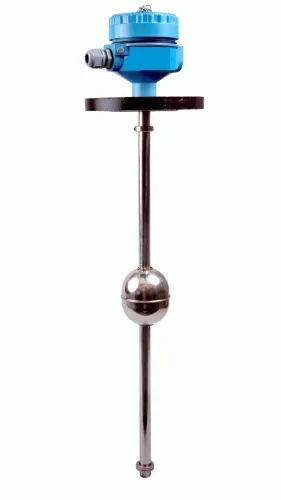
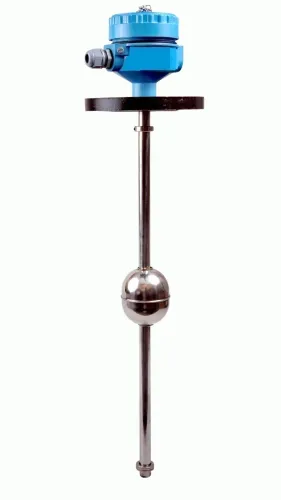
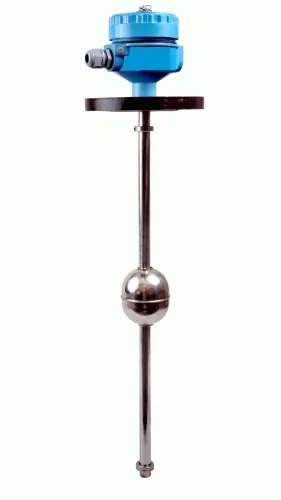
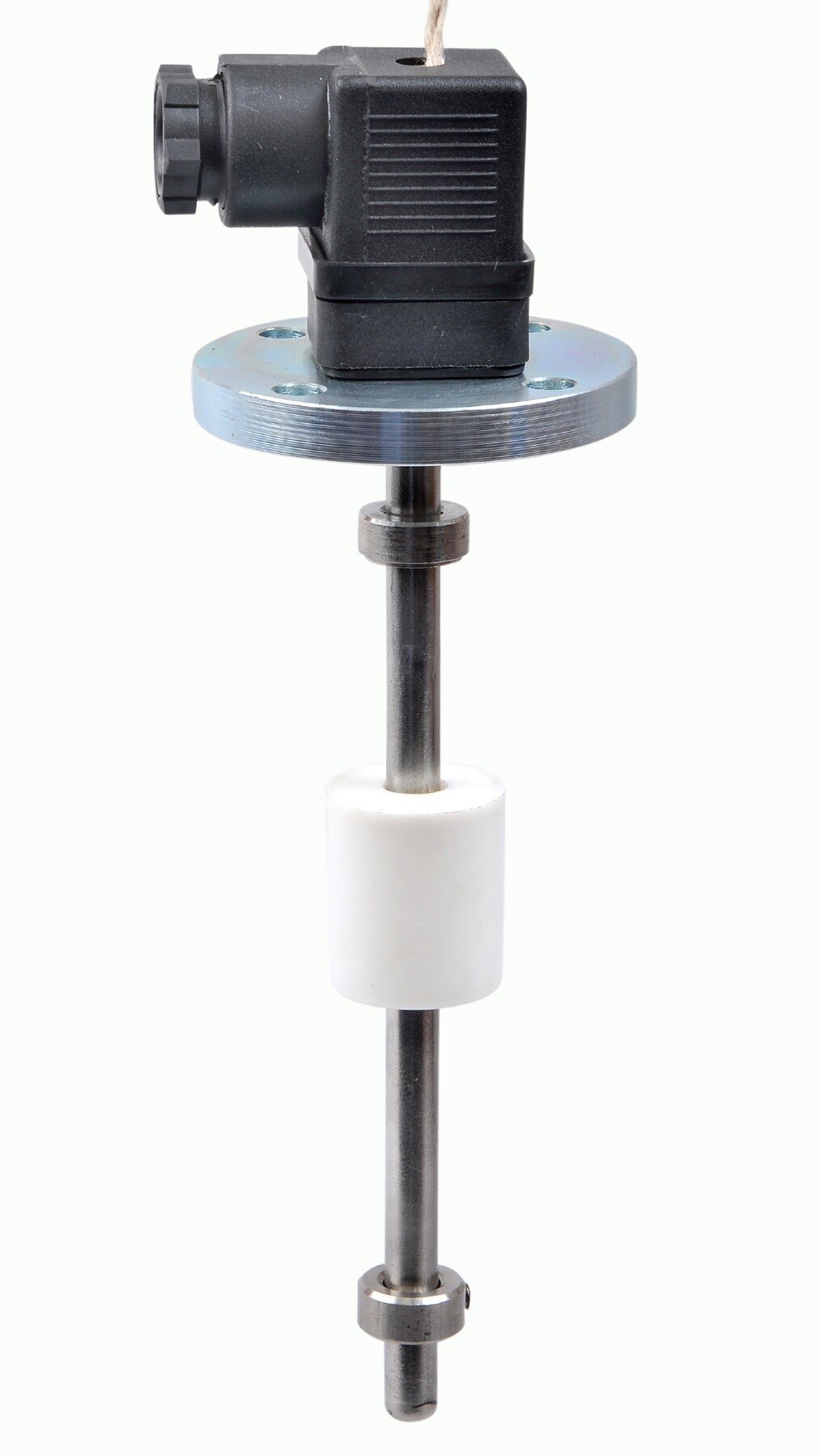
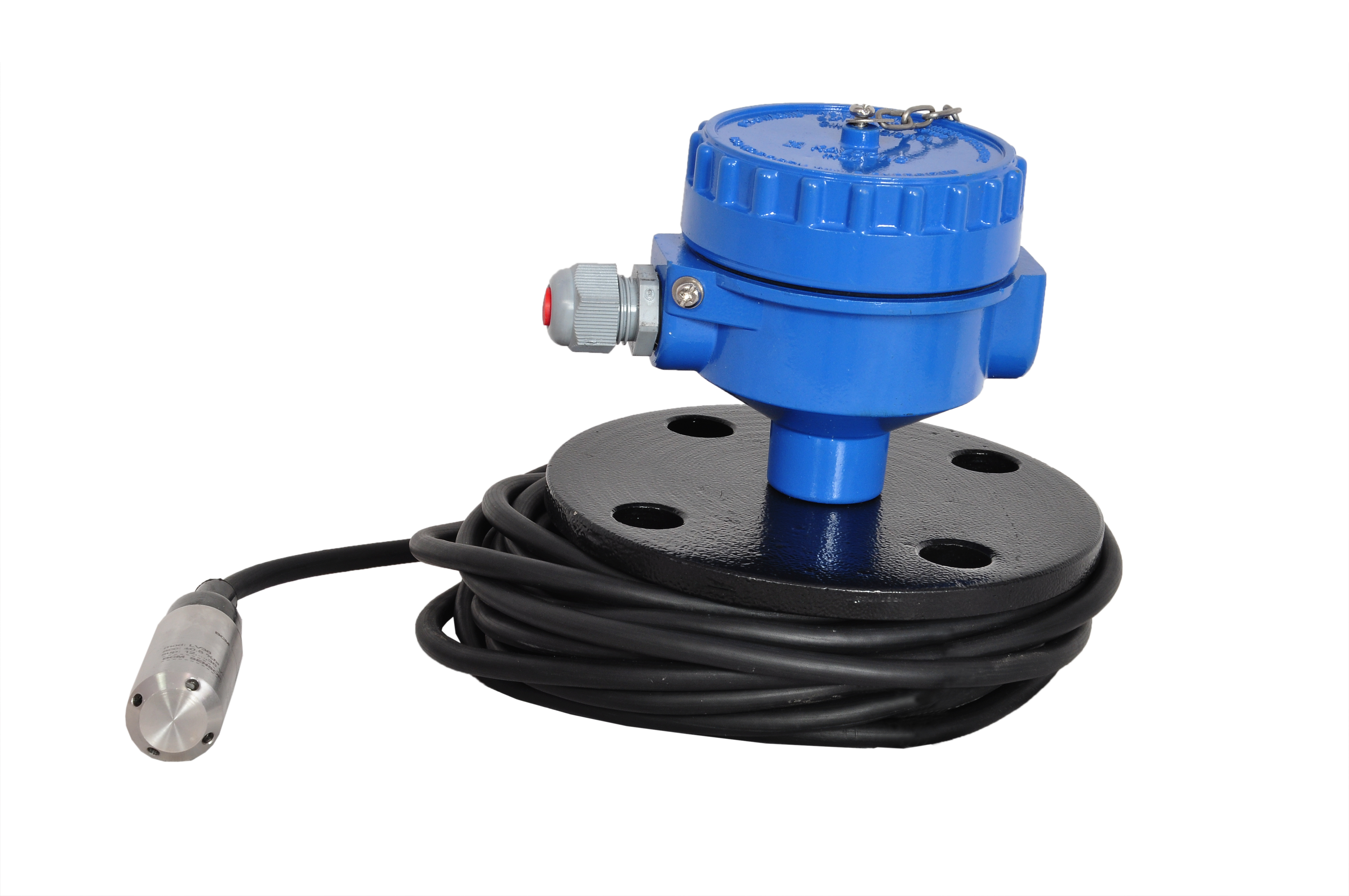 | Level Transmitter Hydrostatic liquid level transducers and transmitters with flush diaphragm is designed fora wide variety of level measurement applications. View product → |
Frequently asked questions
Why must you specify the complete wetted assembly instead of only the diaphragm?
Every process-contacting part can corrode, swell, leak, contaminate the liquid or alter calibration. Specify the diaphragm, seals, welds, isolators, flanges and other wetted components together.
How do you match diaphragm material to chemical exposure?
Check compatibility against the actual liquid, concentration, temperature, pressure, exposure time and cleaning chemicals. Review the material for corrosion, swelling, permeability and contamination risks.
What process conditions affect diaphragm material selection?
Pressure cycles, operating and cleaning temperatures, abrasion from solids, vacuum, pulsation and thermal expansion all affect diaphragm life and measurement stability.
What information should a supplier specification include?
State the liquid composition, concentration, temperature range, pressure and vacuum conditions, cleaning method, solids content, diaphragm geometry, measurement method, wetted materials and required accuracy.