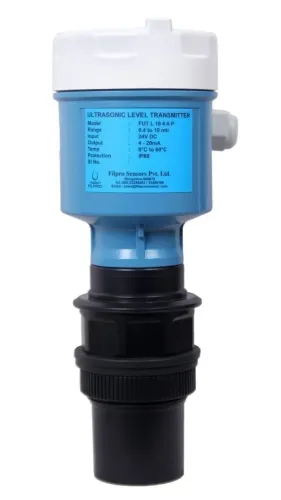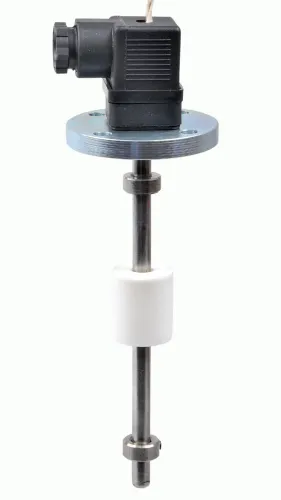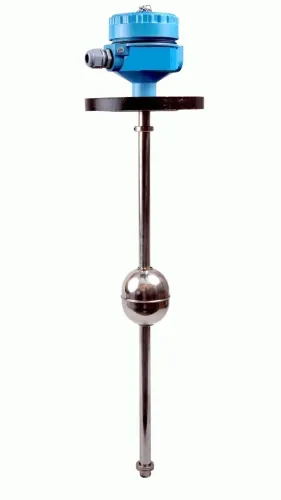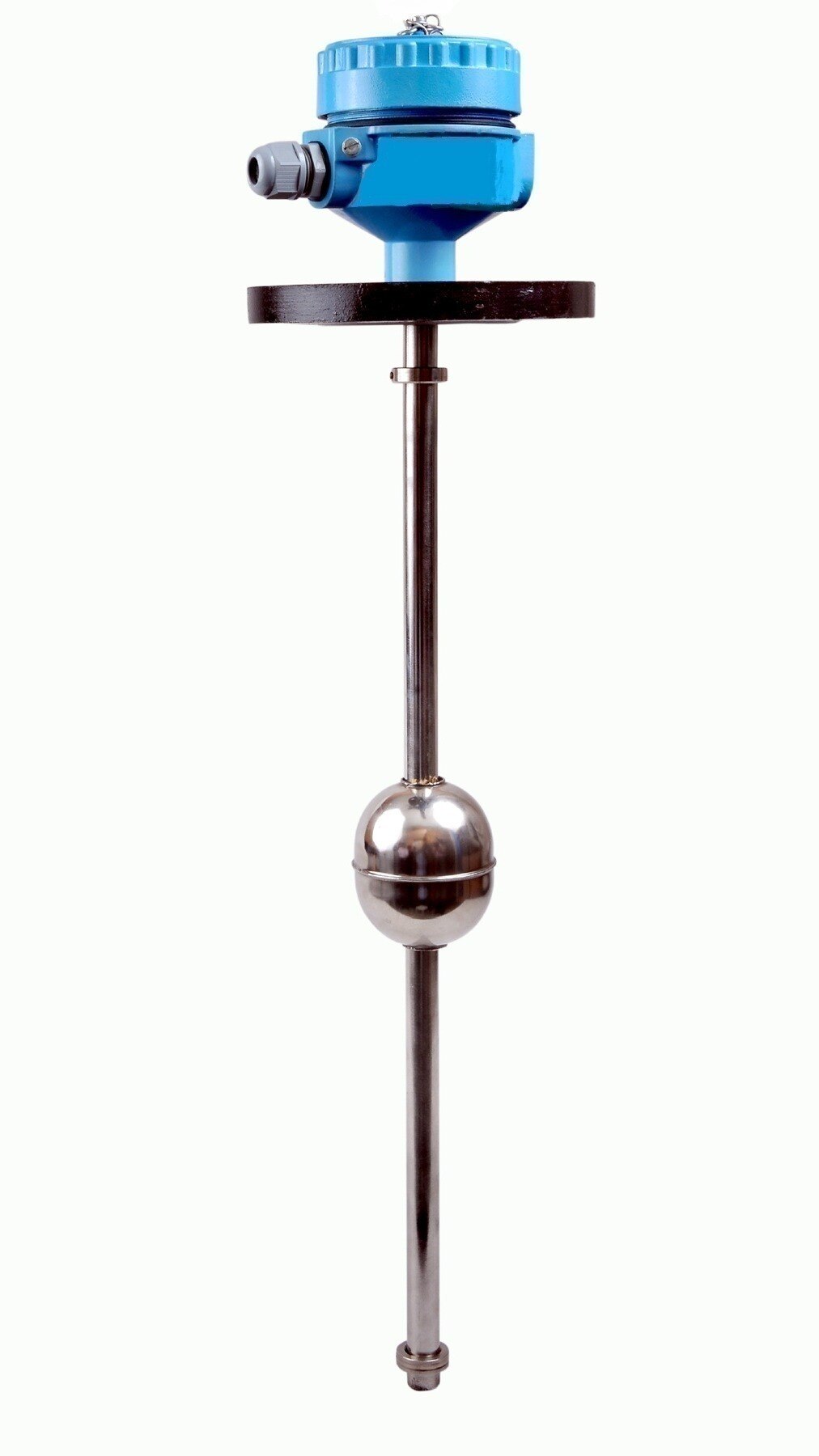
Start with the action the instrument must take, not with a preferred sensor technology: stop a pump, trigger a high-level alarm, protect against dry running or prevent an overflow. By the end, you will be able to match that duty to the liquid, vessel, installation, electrical circuit and supplier documentation before placing an order.
Key takeaways
- Choose point-level switching or continuous measurement before comparing devices.
- Match float, conductive, capacitive, ultrasonic, or radar sensing to the liquid.
- Confirm mounting, temperature, pressure, connection, and material limits.
- Specify contact action, fail-safe behaviour, enclosure rating, and certification needs.
Define the level action before choosing the sensor
Start industrial liquid level switch selection by deciding whether you need point-level switching or continuous measurement. A point-level device changes state at a defined high or low level for alarms, pump control, dry-run protection, or overflow prevention.
Choose a transmitter when you need an actual level value for display, trending, inventory, ratio control, or variable-speed pumping. A transmitter with a configurable relay is not automatically an independent industrial liquid level switch for a required shutdown layer.
Define the switching action before comparing sensor types:
- High-level alarm: activate when the liquid reaches the upper limit.
- Low-level alarm: activate when the liquid falls below the lower limit.
- Pump start or stop: specify the start level, stop level, and required hysteresis.
- Dry-run protection: stop the pump before suction is lost.
- Overflow prevention: close an inlet or initiate shutdown at the high-high level.
- Fail-safe action: state whether a broken wire or lost power must produce an alarm.
| Option | Output | Choose it when |
|---|---|---|
| Point-level switch | Discrete state at one or more setpoints | You need an alarm, interlock, or pump action |
| Continuous transmitter | Measured level signal, such as 4–20 mA | You need level trends, control, or inventory data |
Give the industrial liquid level switch supplier the liquid density, viscosity, conductivity or dielectric constant, foam, solids, coating tendency, pressure, temperature, materials, connection, response time, and hysteresis. Request written operating limits and an application review; a generic compatibility statement does not prove suitability.
Include turbulence, filling jets, and agitators, because nuisance switching can require a stilling well, time delay, or a relocated sensor.
Match the sensing technology to the liquid
Match an industrial liquid level switch to the liquid’s physical behaviour, not to the technology name. Density affects float buoyancy and vibrating-fork response; viscosity, suspended solids and wax can restrict moving parts; conductivity determines whether a conductive probe can detect the liquid; foam and coating can create false signals.
| Option | Best fit | Main limitation |
|---|---|---|
| Magnetic or vertical float | Clean water, oil or diesel with low-to-moderate viscosity | A float sized for water may not actuate at the specified level in a lighter or denser liquid; sludge, wax and solids can jam it. |
| Conductive probe | Water-based, electrically conductive liquids | It will not detect insulating oil or solvent, and coating or poor grounding can interrupt the circuit. |
| Capacitance probe | Conductive or non-conductive liquids where the dielectric constant is stable | Buildup changes capacitance, so coating compensation and the liquid’s dielectric constant matter. |
| Vibrating fork | Clean liquids across a broad density range | Aeration, crystallisation, high viscosity and buildup can alter vibration and response. |
| Ultrasonic or radar | Tanks where no wetted moving part is wanted | Foam, vapour, obstructions and poor alignment can distort ultrasonic readings; radar still needs a clear signal path. |
| Hydrostatic | Continuous level measurement in compatible liquids | It is a transmitter, not automatically an independent point-level switch, and density changes shift the reading. |
Ask the supplier for written limits covering density, viscosity, conductivity or dielectric constant, foam, solids and coating. Confirm inspection access and testing: floats need free movement, probes need grounding and cleaning, and forks need buildup inspection. Cleaning downtime and false trips can cost more than a cheaper device.
Check the vessel, mounting position and operating limits
A switch will work reliably only when the vessel geometry, mounting position, and process limits match its sensing method. Industrial liquid level switch selection must cover the tank, nozzle, internals, liquid behaviour, and maintenance access—not just the liquid name.
1. Confirm the mounting point. Check whether the switch is top-mounted, side-mounted, or installed through a chamber, and verify the process connection, insertion length, clearance, and access for removal. Keep floats free of baffles and inlet jets; place probes away from agitators and heating coils.
2. Inspect the vapour space and internal geometry. Foam, vapour, condensation, turbulence, and a narrow beam path can weaken an ultrasonic echo. Radar needs an antenna and mounting position that avoid ladders, coils, agitator shafts, and multiple reflections.
3. Record the operating limits: minimum and maximum pressure, temperature, density, viscosity, flow turbulence, and switching hysteresis. A vibrating fork can respond incorrectly when coating, crystallisation, aeration, or high viscosity restricts its vibration.
4. Describe the liquid’s electrical and physical behaviour. Give the conductivity or dielectric constant, suspended-solids content, foam tendency, corrosiveness, and expected coating. Capacitance probes need suitable probe geometry, grounding, and allowance for dielectric changes caused by concentration, temperature, or phase composition.
5. Request a completed application review with written limits for materials, approvals, response time, and process connection. A generic compatibility statement does not prove suitability for your tank; compare the stated limits with cleaning frequency, inspection access, and the cost of a false trip or vessel shutdown.
Specify the contact, fail-safe state and protection requirements
Define the industrial liquid level switch by its electrical duty before connecting it to a pump, PLC or alarm. A point-level switch gives a discrete high, low or overfill signal; it does not replace a continuous transmitter when you need an actual level value, trending or closed-loop control.
1. Specify the output: changeover, normally open, normally closed or transistor; switching voltage and current; minimum load; leakage current; and inrush or inductive-load capacity. A resistive DC rating can fail when switching a solenoid, motor contactor or long cable directly. Add an interposing relay when the load exceeds the switch rating.
2. State the wiring behaviour for normal operation, loss of power and broken or lost signal. Choose whether the circuit must de-energise on a high level, low level, cable break or instrument fault, and document the PLC input logic. “Normally closed” alone does not define a fail-safe system.
3. Set the permitted response time, switching hysteresis and delay. Turbulence, filling jets and pump surges can cause nuisance switching; use a stilling well, calmer location or hysteresis before adding delay that could conceal a genuine overflow.
4. For overfill protection, identify independent protection layers, the maximum response time, proof-test method and required action. API Standard 2350 distinguishes normal monitoring from automated shutdown and independent overfill protection. Specify galvanic isolation, an intrinsically safe barrier and hazardous-area approval where the installation requires them.
Evaluate the supplier with an application-specific checklist
An industrial liquid level switch supplier should prove suitability for your actual duty with a completed application review, maintenance instructions and a test procedure. A generic statement that the switch is “compatible with liquids” is not evidence.
1. Request a signed duty sheet covering density, viscosity, conductivity or dielectric constant, foam, solids, coating, pressure, temperature, switching hysteresis, response time, wetted materials, approvals and process connection.
2. Ask the supplier to identify the required function: high-level alarm, low-level alarm, pump start, pump stop, dry-run protection or overflow prevention. The document must state whether a point switch is sufficient or whether continuous measurement is needed; a transmitter with a relay is not automatically an independent shutdown layer.
3. Demand installation evidence for the selected technology. It should show float buoyancy at the actual liquid density, free movement with sludge or wax, ultrasonic echo conditions, radar antenna position, or capacitance performance against dielectric changes and buildup.
4. Obtain the failure response for loss of power, signal or instrument health, plus the maximum response time and proof-test method. For petroleum storage, map the arrangement against API Standard 2350 and identify each independent overfill protection layer.
5. Check that the supplier provides a drawing, wiring diagram, spare-parts list, cleaning limits and replacement procedure. Filpro Sensors Pvt Ltd, for example, should be asked to document these points for the chosen switch rather than relying on the product name alone.
Related products
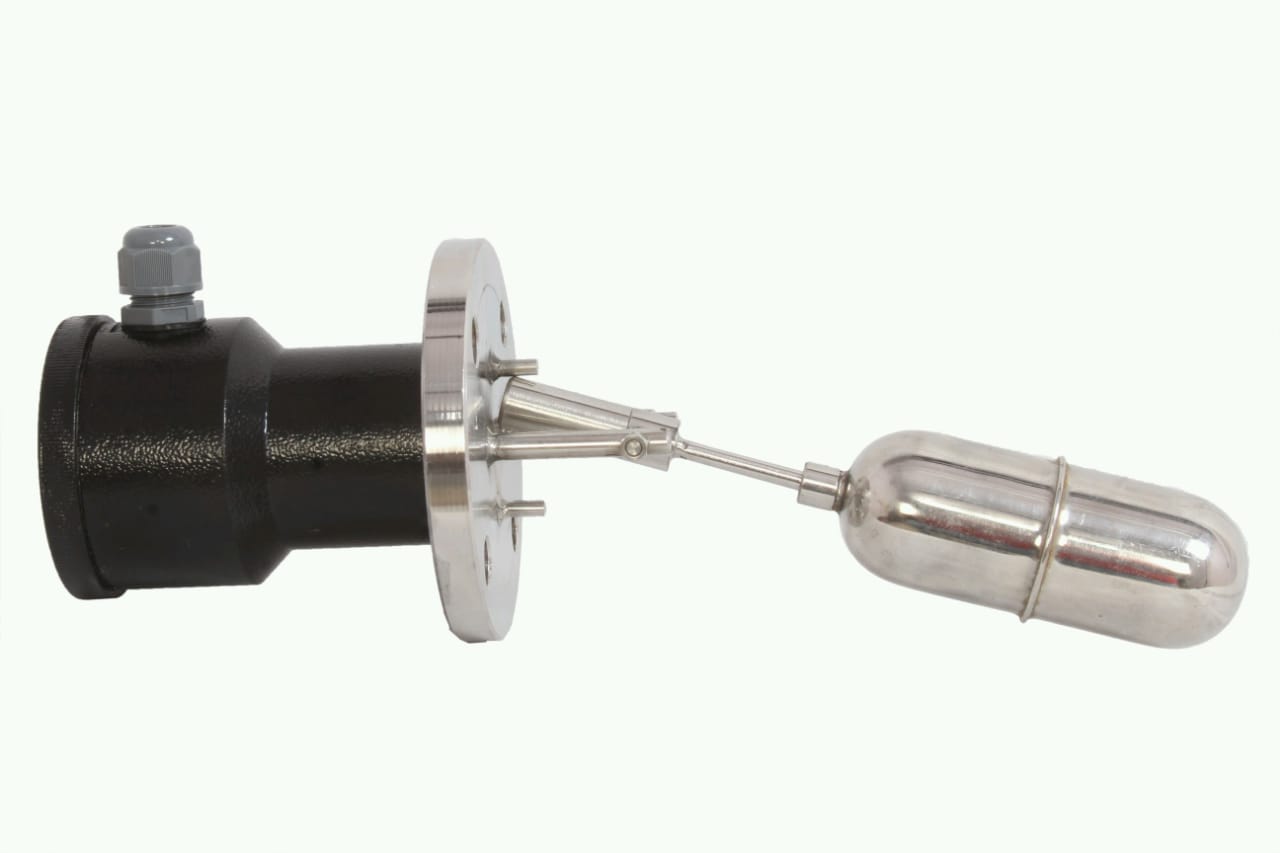 | Level Switch Filpro offers most reliable, cost effective Side Mounted Level Switch for point level sensing. View product → |
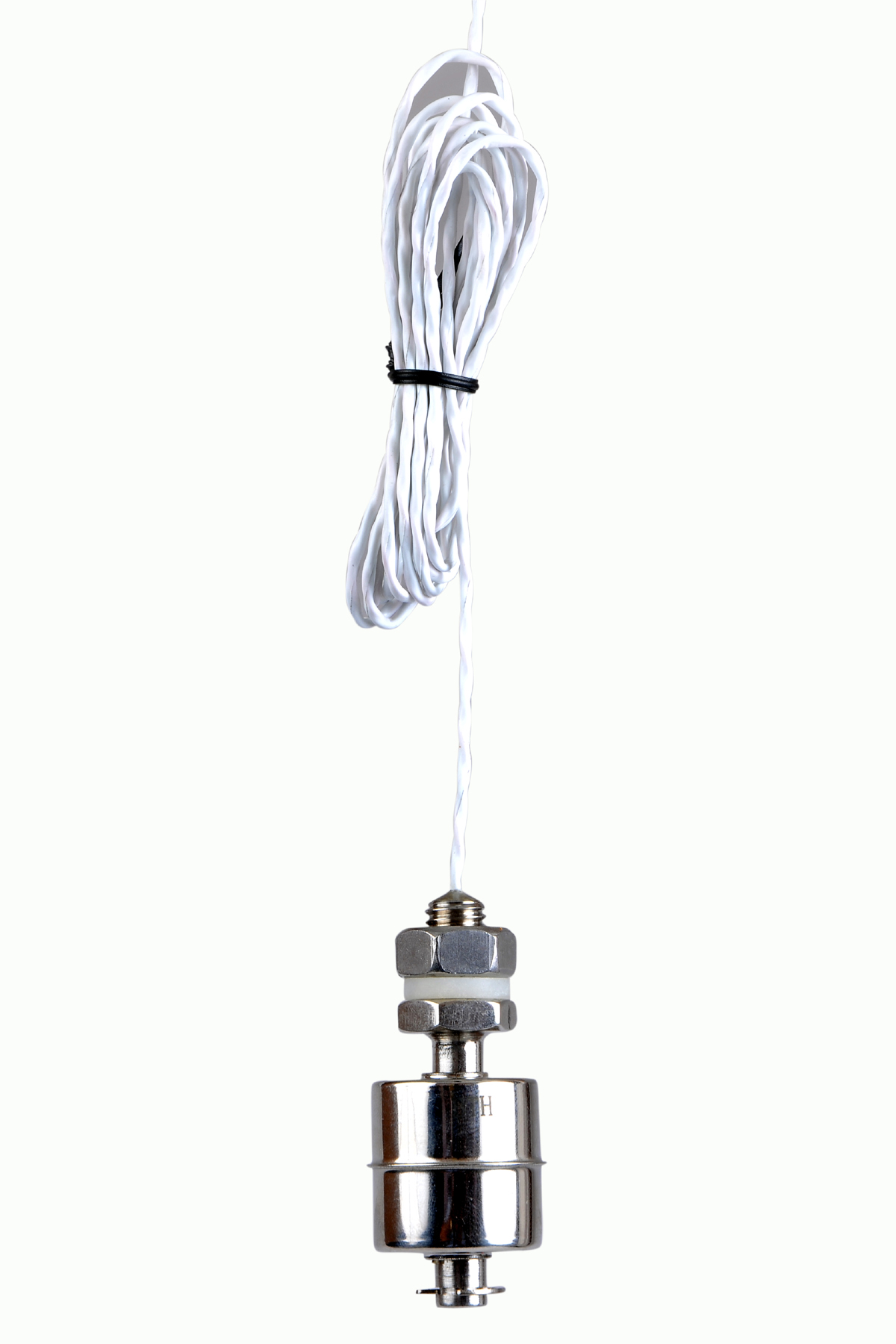 | Level Switch Stainless steel level switch - Miniature Stainless steel Miniature Level Switch is a compact construction, suitable for mounting vertically. View product → |
Frequently asked questions
How do you choose an industrial liquid level switch?
Define the switching action first, then match the sensing technology to the liquid and verify vessel, mounting, operating, contact, fail-safe, and protection requirements.
Which industrial liquid level sensor type suits a conductive liquid?
Conductive probes suit liquids that conduct electricity, but verify conductivity, electrode compatibility, probe length, and the control unit’s switching method.
What vessel details must you check before selecting a level switch?
Check tank material, nozzle size, mounting position, internal obstructions, liquid temperature, pressure, viscosity, density, turbulence, and available insertion length.
What should you ask an industrial liquid level switch supplier?
Request the sensing principle, wetted-material list, switching set point, contact rating, fail-safe state, process connection, operating limits, enclosure or IP rating, and test documents.
Related products
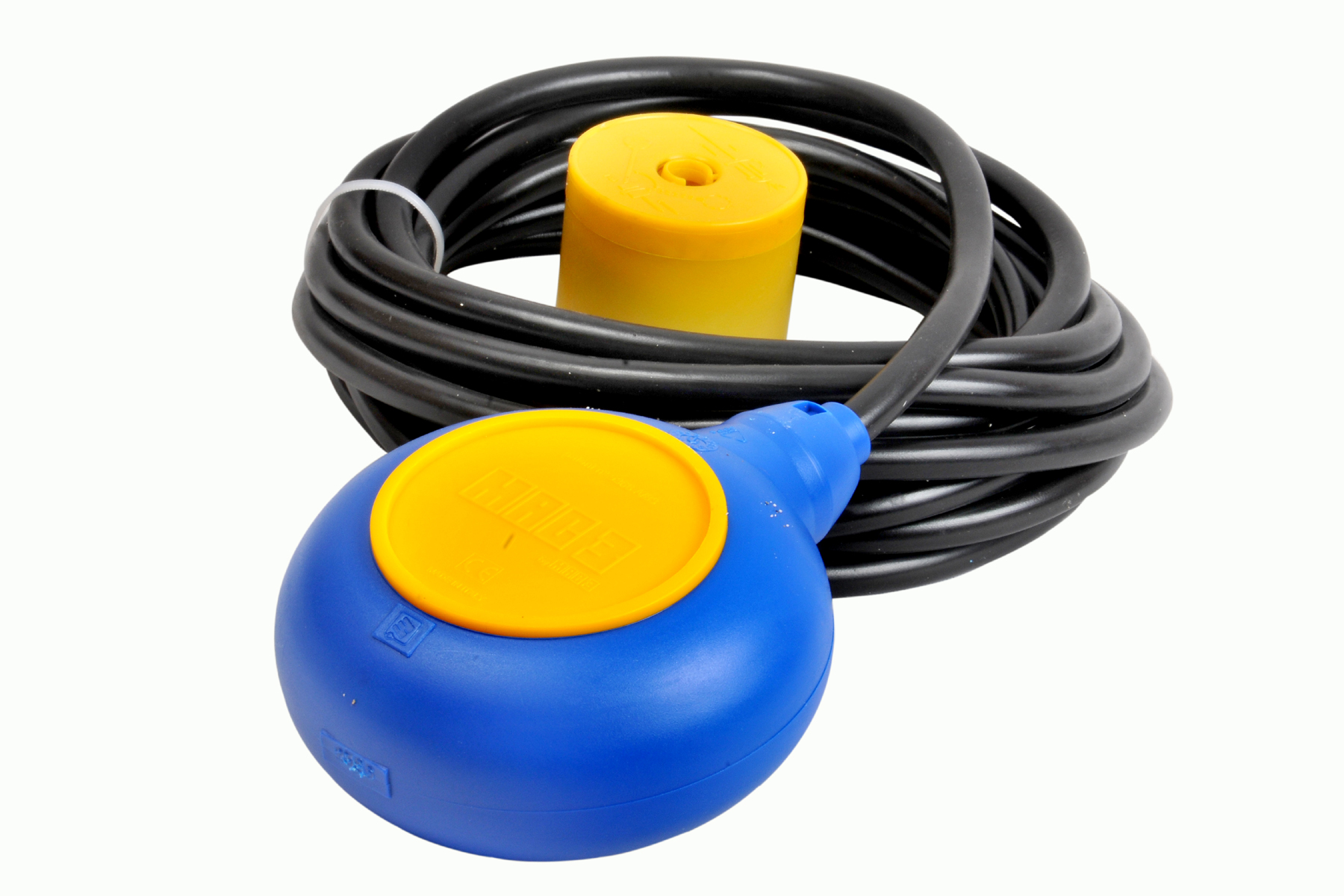 | Level Switch Cable Float Switch is mainly used for the automatic working of small pumps and cellar emptying pumps in liquids a little bit agitated. View product → |
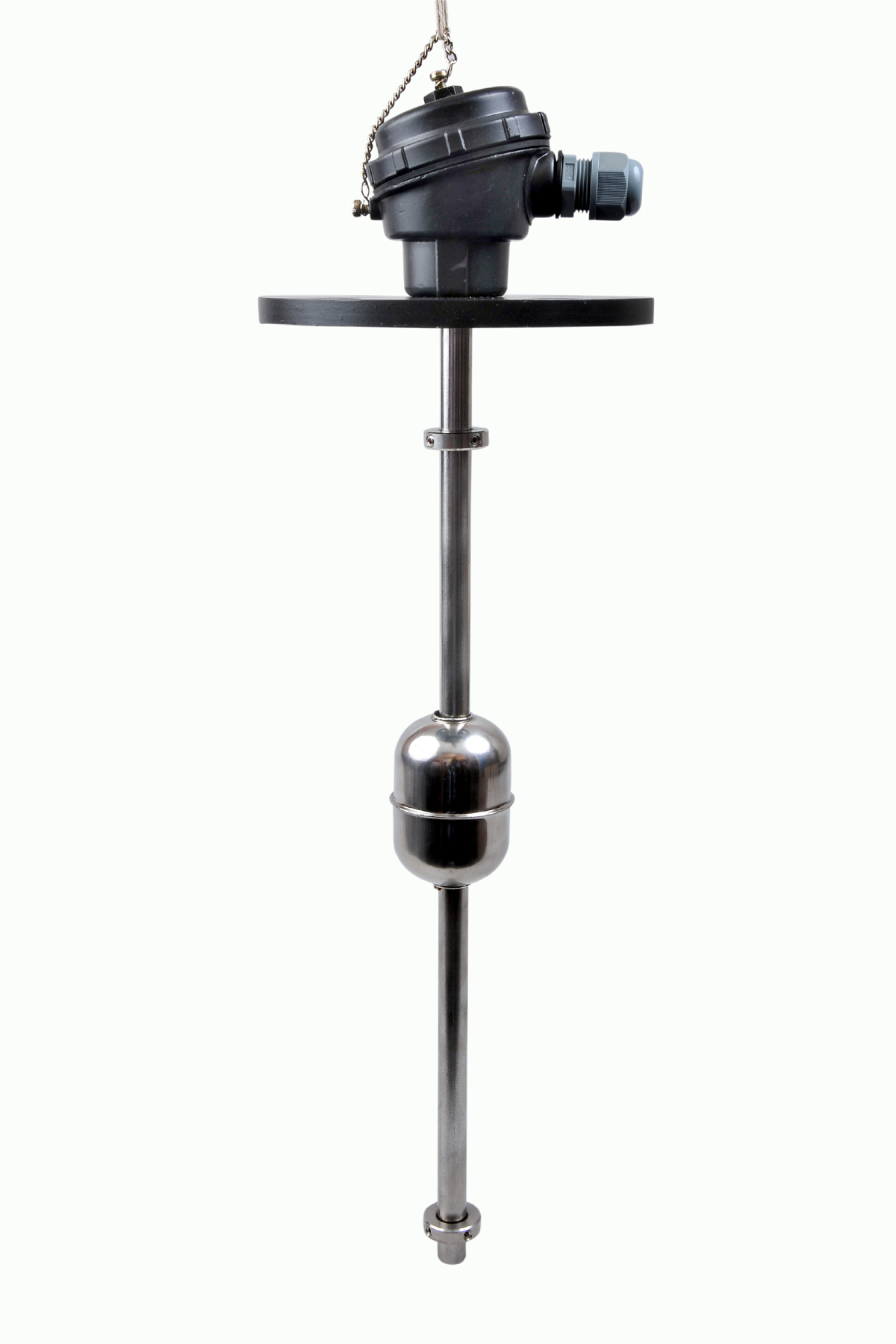 | Level Switch The Magnetic Level Switch consists of the non-abrasive float carrying permanent magnet and non-ferrous stem carrying one. View product → |