The best replacement depends on what makes the vessel difficult: foam, vapour, changing density, coating, pressure, agitation, solids or limited installation space. By comparing the measurement principle, installation arrangement and failure modes of each option, you can narrow the choice to a practical shortlist instead of selecting on accuracy claims alone.
Key takeaways
- Match the alternative to liquid properties, tank pressure, temperature and internal obstructions.
- Choose pressure measurement for hydrostatic head when liquid density remains known and stable.
- Use floats for simple, visible level indication where turbulence and deposits are controlled.
- Specify range, accuracy, process connections, materials and failure behaviour before requesting quotes.
Start with the liquid and tank conditions
The best radar level transmitter alternatives depend on what the tank and liquid allow you to measure reliably. Start with tank height, open or sealed construction, pressure, temperature, and internal beams or nozzles. Then ask: does the process need height, mass, pressure head, buoyancy, capacitance, attenuation, or only a simple local indication?
- Choose ultrasonic for a clean, calm, low-pressure liquid with a clear surface. Vapour composition, temperature gradients, stratification, foam, condensation, agitator noise, turbulence, or extreme temperature can distort sound-based level.
- Choose hydrostatic differential pressure when density stays stable and tank geometry is known. Changing density creates a proportional level error; sealed tanks also require correct vapour-space, wet-leg, or dry-leg compensation.
- Reject immersed floats when solids, sludge, wax, high viscosity, agitation, or poor buoyancy can stop movement. Magnetostrictive and mechanical float-and-board instruments need a float that remains free.
- Treat dust, steam, condensation, foam, and weak surface reflection as laser limitations. A laser needs alignment across the full height.
- For conductivity-based capacitance measurement, confirm the liquid’s dielectric behaviour and prevent coating on the probe. Interface measurement through density or attenuation becomes unreliable with emulsions or diffuse boundaries.
| Option | Best fit | Main failure concern |
|---|---|---|
| Ultrasonic | Clean, calm open tanks | Weak or shifting acoustic echo |
| Hydrostatic | Stable-density sealed tanks | Density or pressure-head error |
| Float switch | Alarm or trip only | Point indication, not continuous inventory |
| Capacitance or displacer | Defined dielectric or buoyancy conditions | Coating, density change, or interface movement |
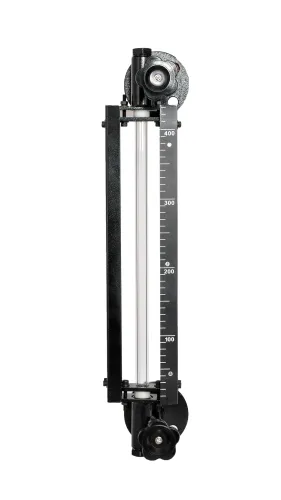
| Mechanical float-and-board | Simple local indication | Obstruction, weather, and maintenance |
A high- or low-level protection function may need only a float switch or point-level switch, not continuous measurement. For a safety trip, specify IEC 61511 performance, diagnostics, proof testing, and documented failure rates rather than choosing radar level transmitter alternatives by accuracy alone.
Compare non-contact and pressure-based alternatives
The best radar level transmitter alternatives depend on what blocks a reliable measurement: vapour, foam, density change, corrosion or access.
| Option | Installation and strength | Reject or verify |
|---|---|---|
| Ultrasonic | Mount above the liquid; a practical ultrasonic level transmitter alternative for clean, low-pressure tanks | Sound velocity changes with vapour composition, temperature gradients and stratification; heavy foam, condensation, steam, agitator noise, turbulence or a weak acoustic return can defeat it |
| Laser | Aim a narrow beam at the surface for high spatial resolution | Dust, vapour, steam, condensation, foam and poor reflectivity obscure the return; misalignment causes range errors |
| Hydrostatic differential pressure | Fit pressure taps and calculate level from pressure head and liquid density | Blocked impulse lines, diaphragm fouling and density changes create errors; sealed tanks require vapour-pressure compensation |
| Air bubbler | Insert a dip tube and regulate purge gas for an open corrosive tank or slurry | The tube can plug or erode; excessive or inadequate purge flow changes the reading and agitates the liquid |
Hydrostatic measurement needs the correct reference arrangement. Use a dry leg when the low-side connection stays free of condensate; use a wet leg when condensate fills that reference leg and its liquid head is controlled.
Choose a bubbler when isolating the sensor from corrosive or abrasive liquid matters more than low maintenance. These radar level transmitter alternatives solve different process problems, not one universal replacement. For a safety trip, check IEC 61511 requirements and documented diagnostics rather than accuracy alone.
Know when probes, floats and capacitance work
Choose a contacting probe or float-based transmitter when the tank is small, the nozzle is narrow, or the liquid conditions defeat non-contact measurement. These radar level transmitter alternatives need process contact, so installation access, buildup and moving parts matter.
| Option | Best fit | What can go wrong |
|---|---|---|
| Capacitance level transmitter alternative | Small vessels, narrow nozzles and interfaces with a strong dielectric difference from vapour or the second liquid | Coating, bridging or changing conductivity can appear as level |
| RF-admittance probe | Coating-prone service needing a driven shield or guard; use a PTFE-insulated probe when chemistry and temperature demand it | Conductive or changing deposits can still mimic product; insulation can fail if mismatched |
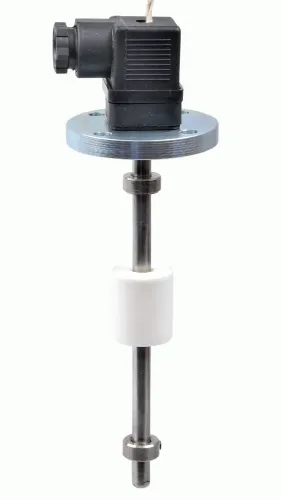
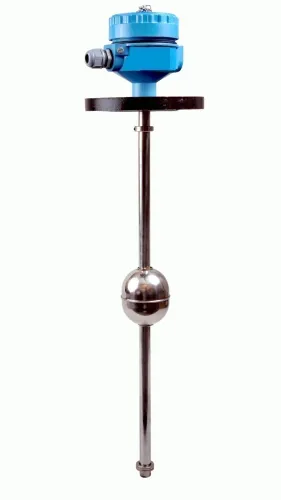
| Magnetostrictive transmitter | Clean, calm liquid in a tank that accepts an immersed stem and free-moving magnetic float | Solids, buildup, turbulence or unsuitable density and buoyancy can trap the float |
| Displacer transmitter | A stilling chamber or high-pressure vessel with stable liquid density | Emulsions, density shifts, fouling and mechanical friction change the inferred level |
| Conventional float level transmitter alternative | Simple tanks where a float can move through its full range without obstruction | Sludge, wax, solids and guides can jam it; moving parts need inspection and maintenance |
Capacitance is the best starting point when the probe can remain clean and the liquid-to-vapour or liquid-to-liquid dielectric contrast is large enough. Choose RF admittance for a coating risk, not as a guarantee against bridging. Use magnetostrictive measurement only when the float stays mobile.
A displacer measures buoyant force, not surface distance, while a conventional float remains the simplest radar alternative when fouling and access for maintenance are under control.
Use mechanical, mass-based and specialist methods for difficult vessels
Float-and-tape and float-and-board gauges remain useful radar level transmitter alternatives when local indication matters more than electronic diagnostics. They are a mechanical level gauge alternative for simple, accessible tanks, but worn pulleys, leaking seals, damaged guide wires, freezing, fouling or a jammed float can leave the board showing a convincing false level.
Hygienic, hazardous, high-pressure and closed vessels are poor applications because the mechanism needs free movement and exposed mechanical access.
Load cells or weigh scales suit vessels with difficult contents or no suitable top nozzle because they measure total mass rather than liquid height, so density changes do not create a proportional level error. Installation errors arise when piping loads, support friction, thermal expansion or side forces transfer into the vessel supports.
For load-cell systems, check these points before selecting them:
- Keep connected piping flexible enough to avoid transmitting nozzle loads.
- Prevent ladders, platforms and cable trays from touching the weighed structure.
- Account for thermal expansion between the vessel and its supports.
- Inspect for seized guides, support friction and side forces during calibration.
| Option | Best fit | Main limitation |
|---|---|---|
| Nuclear gamma attenuation | Corrosive, abrasive, high-temperature or high-pressure service requiring non-wetted measurement | Radiation licensing, density changes, wall buildup, source decay and geometry affect the result |
| Displacer | Stilling chambers and high-pressure vessels | Density shifts, emulsion, fouling and mechanical friction distort buoyancy measurement |
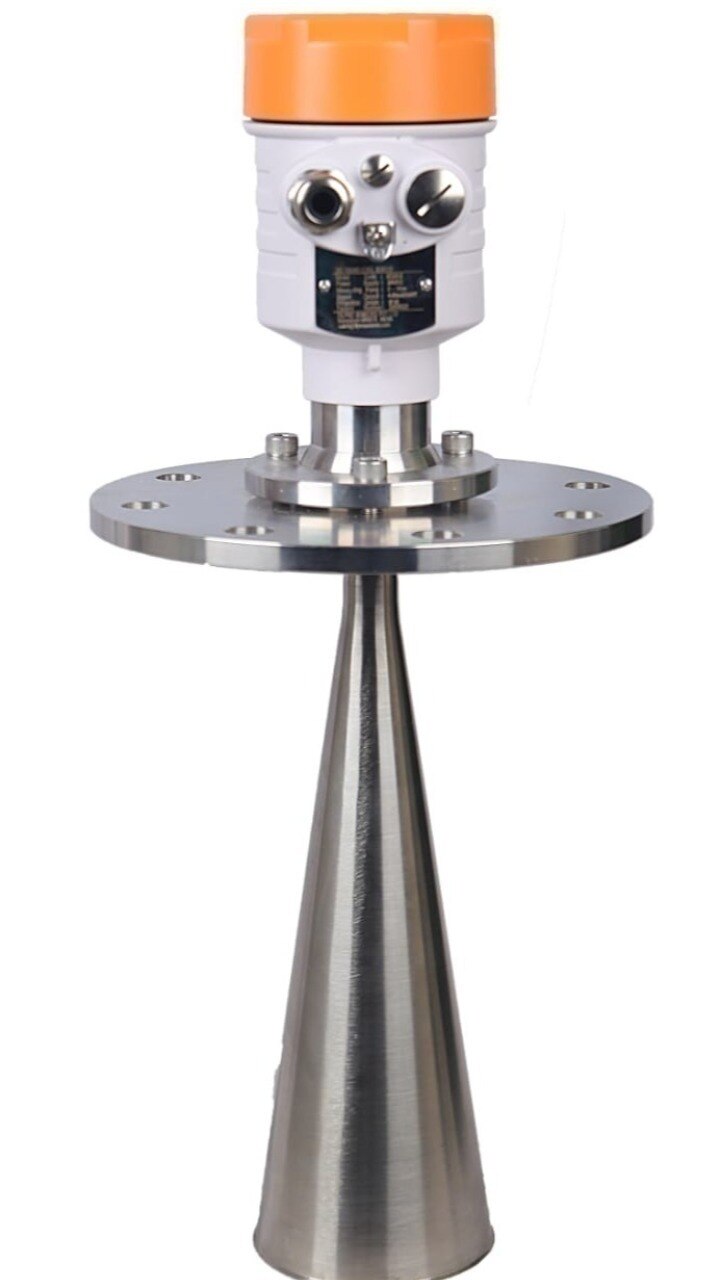
| Guided-wave radar | Vapour or obstructions that challenge free-space radar | It is still radar; probe coating, buildup and anchoring remain risks |
Turn the comparison into a defensible specification
Select the best alternatives to radar level transmitters by specifying the application first, then testing shortlisted instruments against failure modes before you buy. Treat guided-wave radar carefully: it remains radar, although its probe can tolerate vapour and obstructions better than free-space radar.
1. Record minimum and maximum level, vessel dimensions, nozzle size, process temperature and pressure, density range, viscosity, conductivity, solids, foam, vapour, agitation, interface behaviour and internal obstructions. State whether the output serves indication, control or a high- or low-level trip.
2. Require an installation drawing, wetted materials, probe or diaphragm limits, calibration method, blocked-line response, coating tolerance, maintenance intervals and the effect of density and temperature changes. Witness calibration with a representative liquid or run a controlled site trial; stated accuracy alone does not prove suitability.
3. For an interface, describe emulsion thickness and density stability. Differential pressure, displacer, capacitance and gamma readings infer the boundary from density or attenuation, so an emulsion layer or unstable density can broaden or shift the indicated interface while inventory stays constant.
4. For a safety instrumented function, specify IEC 61511 requirements and request documented failure rates, diagnostic coverage and proof-test assumptions separately from ordinary control performance. A reliable display is not automatically a suitable trip.
When comparing suppliers such as Filpro Sensors Pvt Ltd, request an application review and a technology comparison that explains these limits, rather than accepting a product match based only on accuracy.
Related products
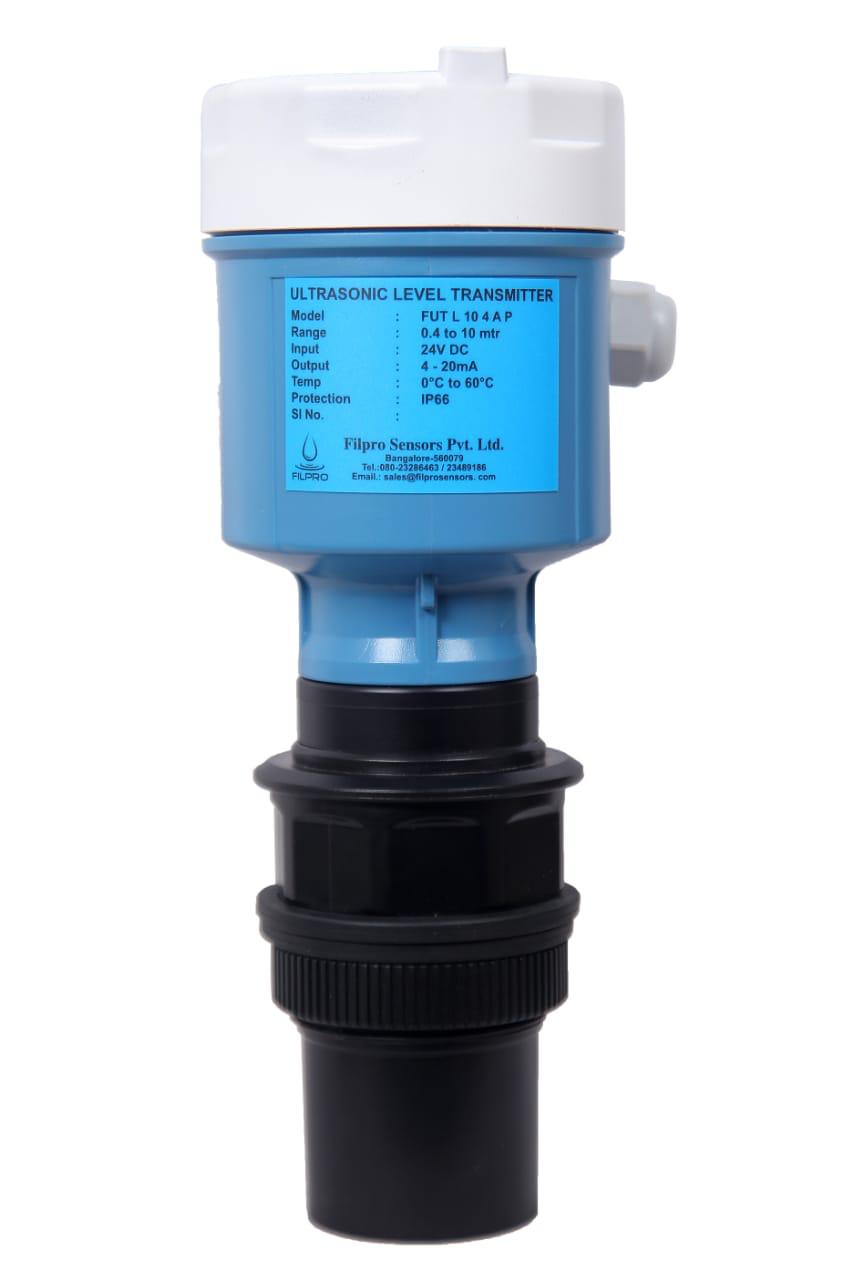 | Level Transmitter Ultrasonic Level Sensor is a non-contact ultrasonic continuous level measurement product based on sound technology. View product → |
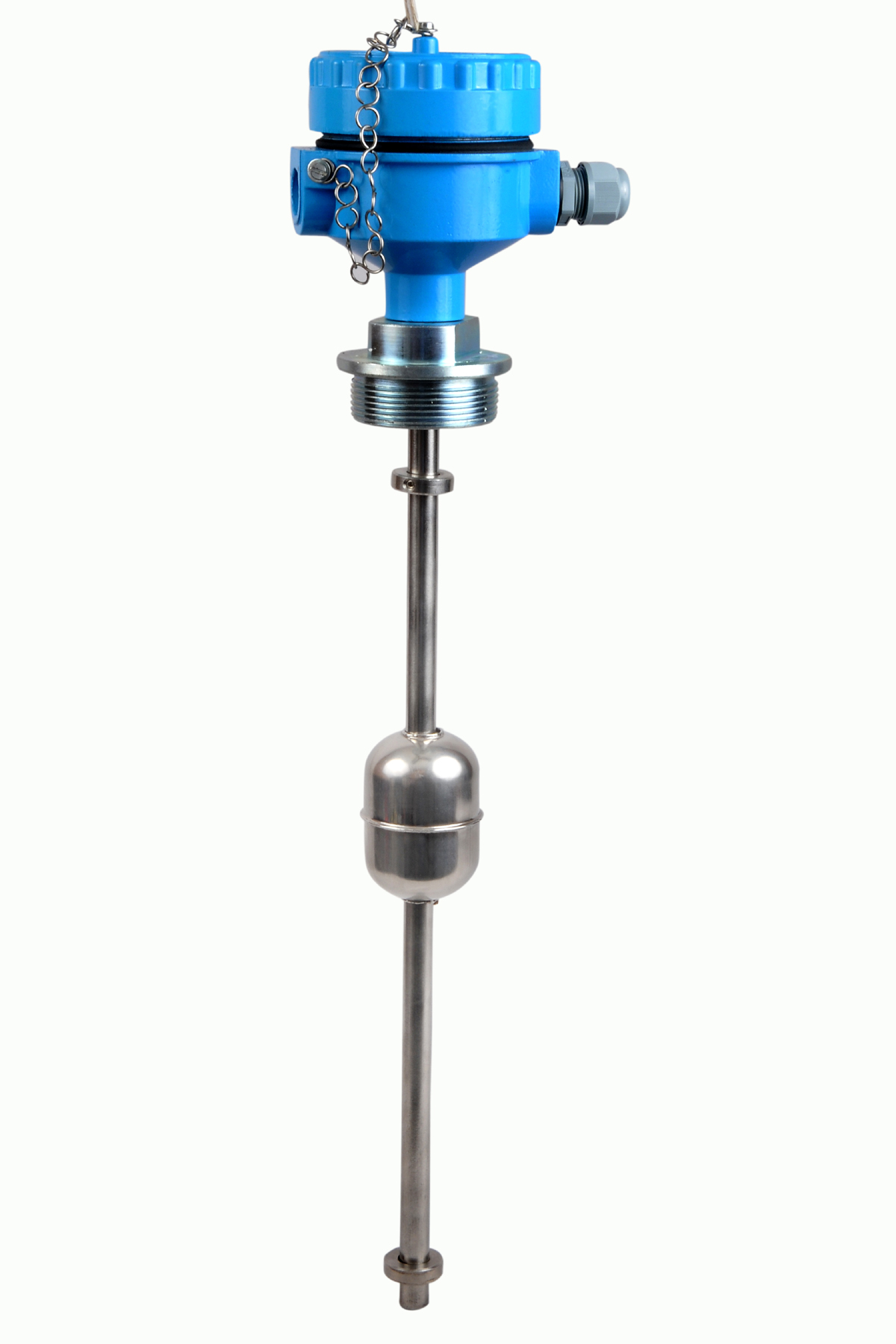 | Level Transmitter Float Level Transmitters Are Ideal For Continuous Level Monitoring In Water, Diesel, Chemical And Oils For Accurate Level Measurement. View product → |
Frequently asked questions
What should you assess before choosing a radar level transmitter alternative?
Record tank height, open or sealed construction, pressure, temperature, liquid density, foam, vapour, turbulence, internal beams and nozzle geometry.
When is a pressure-based level transmitter a good alternative to radar?
Use pressure measurement when liquid density is known and stable, and the pressure connection can withstand the process conditions.
When do probes, floats or capacitance level instruments work well?
Use probes for compatible liquids and clear mounting points, floats for simple local or switch indication, and capacitance when the liquid and vessel produce a stable dielectric response.
Which methods suit difficult vessels with obstructions or unusual process conditions?
Consider guided mechanical devices, load cells for mass measurement, or specialist methods selected for the vessel geometry, temperature, pressure and liquid behaviour.
Related products
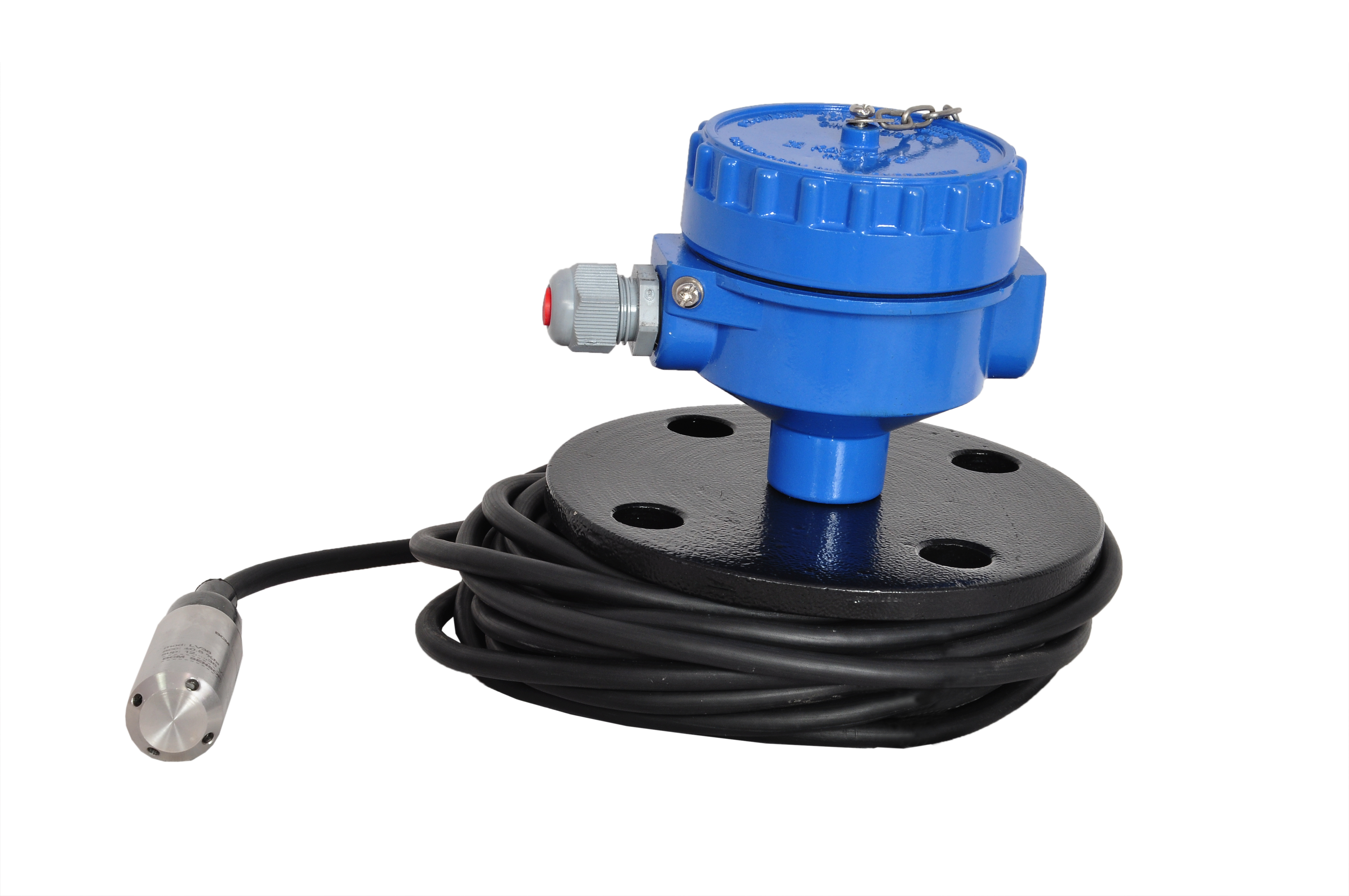 | Level Transmitter Hydrostatic liquid level transducers and transmitters with flush diaphragm is designed fora wide variety of level measurement applications. View product → |
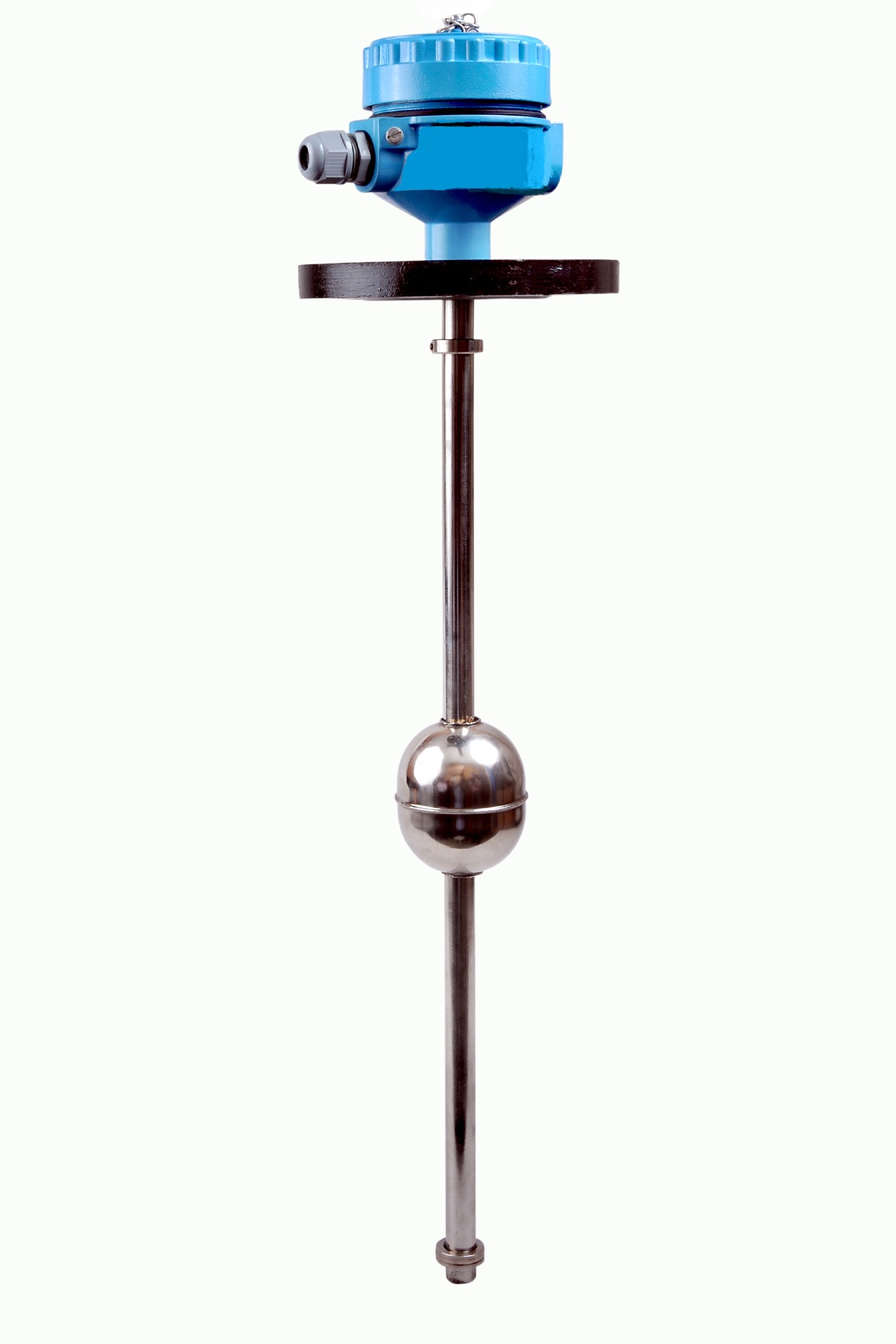 | Level Sensor Atex approved Float Level Transmitter : Over All Length: 300mm to 5000mm Input: 16V DC to 30V DC Output: 4-20mA / 0-10V DC Resolution: 5mm / 10mm... View product → |
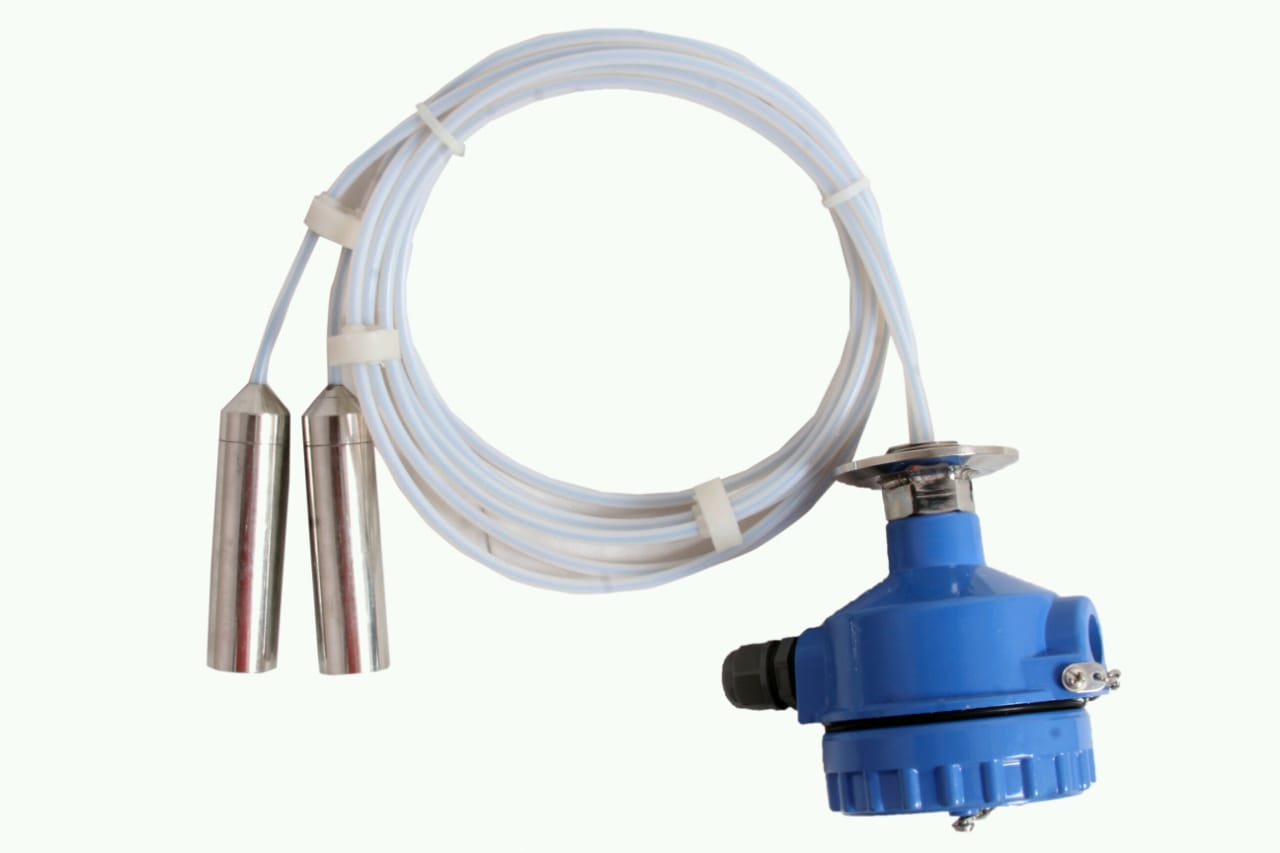 | Level Transmitter can be used for conductive as well as non conductive liquids. View product → |
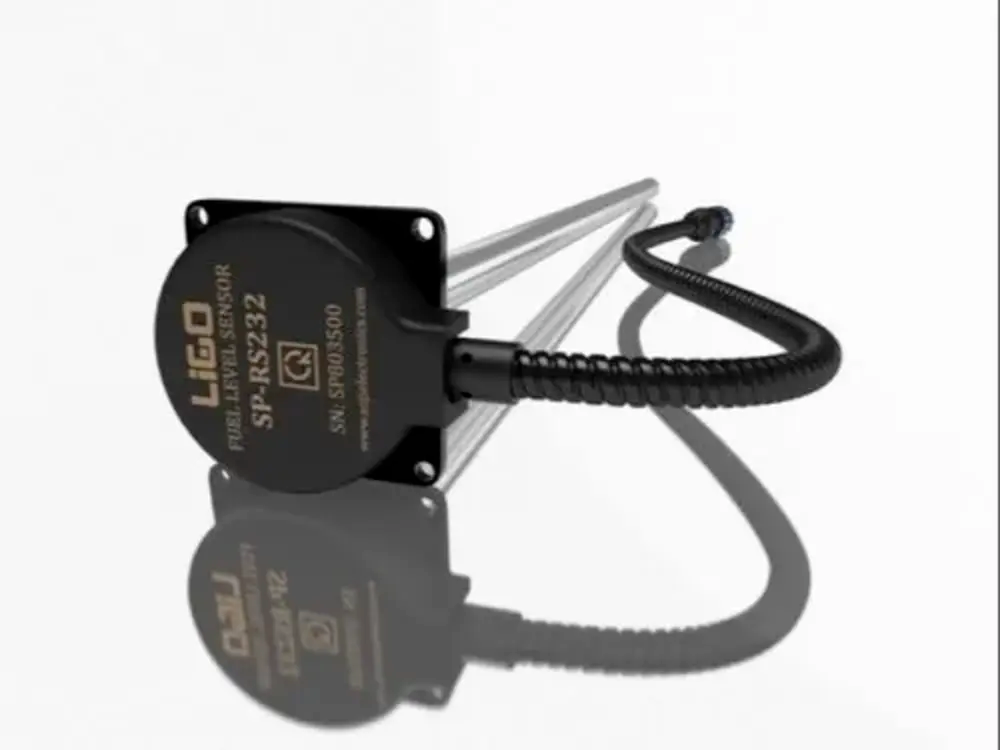 | Level Sensor Ligo fuel sensor for monitoring Diesel and Petrol level in vehicle fuel tanks and DG sets. View product → |