Understanding the level sensor working principle helps industries select the right technology for accurate liquid measurement. Manufacturing facilities, chemical plants, water treatment units, and fuel storage industries depend on reliable level sensors to monitor liquid quantities and maintain smooth operations.
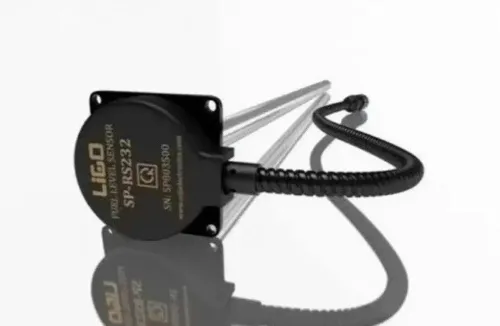
A level sensor works by detecting the position or quantity of liquid inside a tank and converting this information into an electrical signal or visual indication. Different sensors use different technologies based on the application requirements.
The working principles of commonly used level sensors include:
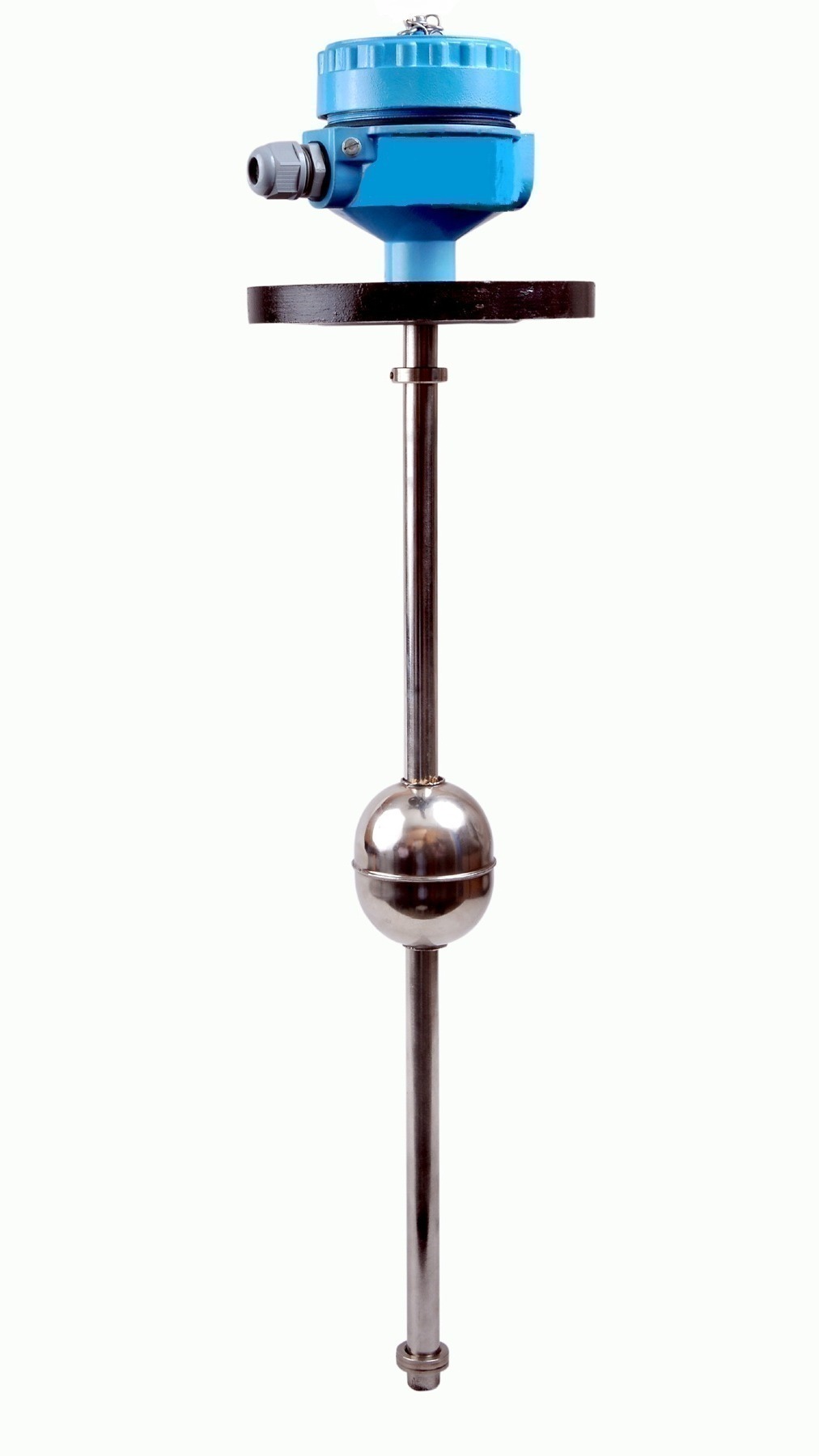
- Float Level Sensor Working Principle: A float moves according to liquid level changes. This movement activates a switching mechanism or produces a signal that indicates the liquid level.
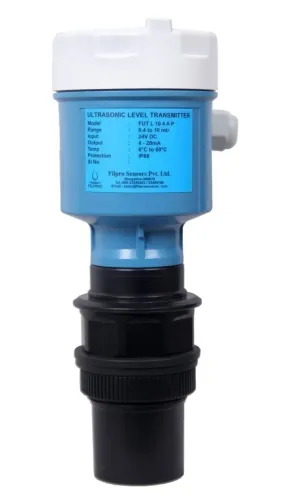
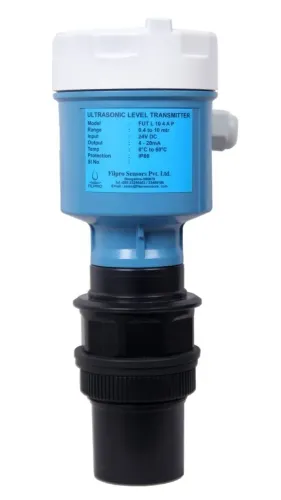
- Ultrasonic Level Sensor Working Principle: Ultrasonic sensors transmit sound waves toward the liquid surface. The sensor calculates the time taken for the reflected waves to return and determines the liquid level.
- Hydrostatic Level Sensor Working Principle: These sensors measure pressure generated by the liquid column. The pressure value is converted into a level measurement.
- Radar Level Sensor Working Principle: Radar sensors transmit electromagnetic waves toward the liquid surface. The reflected signals are analysed to calculate accurate level distance.
- Capacitance Level Sensor Working Principle: These sensors detect changes in capacitance caused by variations in the material level inside a tank.
Industries in Pune require level measurement systems that can provide accuracy, reliability, and compatibility with automated processes. Filpro Sensors Pvt Ltd provides industrial sensing solutions designed for applications involving water, chemicals, fuels, and other liquids.
Understanding the working principle of each sensor type allows engineers and plant managers to choose suitable equipment based on their process conditions. Factors such as liquid conductivity, temperature, pressure, tank design, and measurement accuracy should be evaluated before installation.
A correctly selected level sensor improves monitoring efficiency, supports automation, reduces operational risks, and helps industries maintain better control over liquid storage systems.