The right switch depends on more than tank size: you must match the sensing method to the liquid, tank geometry, switching point, installation hazards and consequence of failure. By the end, you will be able to compare technologies, position a switch correctly and write a specification that covers both normal control and protection duties.
Key takeaways
- Define trip point, reset action and failure consequence before comparing switches.
- Match float, conductive, capacitive or vibrating-fork sensing to the liquid.
- Set the switch at the real low or high level, not the tank midpoint.
- Specify materials, temperature, pressure, area rating and a witnessed test.
Start with the switching duty, tank geometry and failure consequence
The best level switch for tanks starts with the switching duty, not the tank’s nominal size. Define the required trip point, reset action, process temperature and pressure, hazardous-area classification, liquid density, conductivity, viscosity, solids and tendency to coat the sensor.
If you need inventory, batching or rate-of-change information, use continuous level measurement instead of treating a point switch as a substitute.
- For a low-level switch, set the point above the outlet and pump dry-run limit, allowing for minimum submergence, outlet geometry, turbulence and vortex formation. A switch at the tank’s lowest physical point can alarm after the pump is already running dry.
- Choose the mounting position from the geometry: top access, nozzle diameter, sloped bottom, internal agitators and obstructions. An external chamber simplifies servicing but adds isolation valves, drains and plugging points; partly closed or restricted connections can make chamber level differ from tank level.
- Check the failure consequence. A storage-tank overfill arrangement needs operating limits, alarm response, independent prevention, assigned responsibilities and testing under API 2350; one high-level contact is not a complete safeguard.
| Application fact | Selection effect | Detail to confirm |
|---|---|---|
| Switching action | Determines the device function | Alarm, pump stop, start control, or independent high-high trip |
| Liquid behaviour | Determines sensing reliability | Float buoyancy at actual density; debris, sludge or crystals can jam floats; coating can shift capacitance |
| Installation environment | Determines construction and certification | Temperature, pressure, hazardous area, turbulence and access |
| Sensor technology | Determines false-switch risk | Insulated capacitance probes need buildup compensation; guided or magnetic floats need free movement and a verifiable chamber connection |
Match the sensing technology to the liquid and process
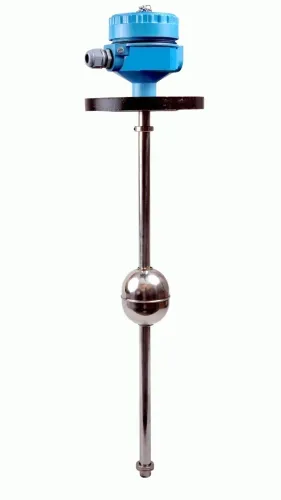
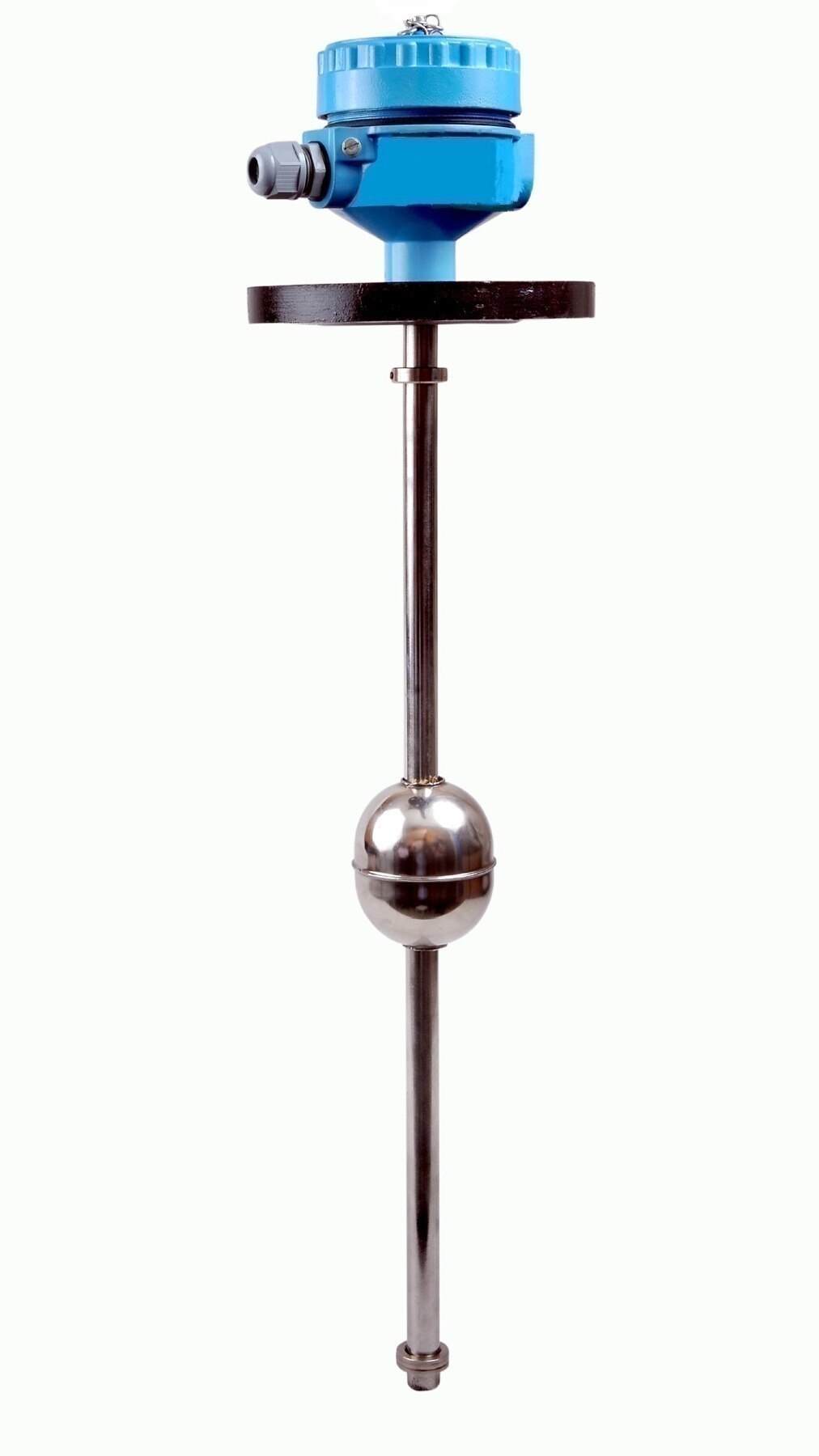
Match the technology to the liquid’s behaviour and the switching point you need. A float level switch for tanks suits clean, free-flowing liquids, while buildup, foam, turbulence, conductivity and limited access can favour a different sensor.
| Technology | Best fit | Main limitation |
|---|---|---|
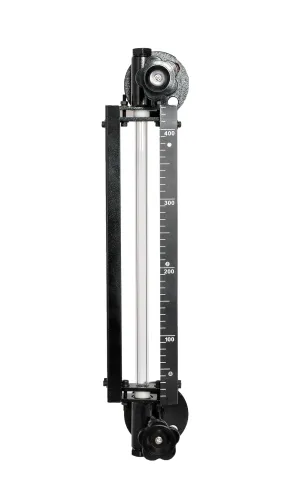
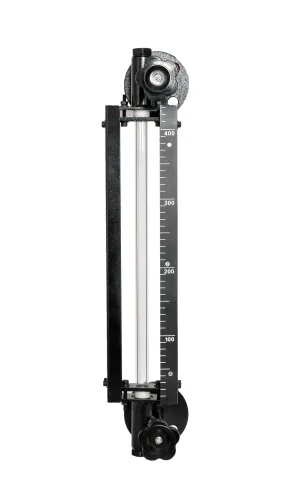
| Float or magnetic guided-float | Clean liquids and defined high or low points | Density changes reduce buoyancy; sludge, crystallisation or debris can jam movement |
| Side-mounted float | Tanks with limited top access, sloped bottoms or internal obstructions | Needs a suitable side nozzle and stable liquid at the mounting height |
| Cable float | Large tanks, wastewater and broad switching travel | Cable, hinge and float need room; turbulence can cause false movement |
| Conductive probe | Water-based conductive liquids and compact multi-point control | Does not detect oils or other non-conductive liquids; electrode coating changes performance |
| Capacitance | Liquids that do not conduct, including powders or oils | Coating on the probe can imitate a full level unless the sensor is adjusted for buildup |
| Vibrating fork | Many liquids where non-conductive detection is needed | Foam, aeration, bridging, heavy buildup and falling product can cause missed switches |
| Ultrasonic or radar | Non-contact detection above corrosive, hot or contaminated liquids | Foam, vapour, turbulence and nozzle geometry can weaken the signal |
For a low level switch for tanks, set the trip above the outlet and above the pump’s minimum submergence, not at the lowest physical point. A low-inventory alarm does not equal pump dry-run protection: define the trip, reset action and response to power or instrument failure.
Check temperature, pressure, hazardous-area approval and process-connection ratings before selecting the device.
Choose the mounting position and set the correct low or high point
Install the switch at the process level that must trigger action, not at the tank’s lowest or highest physical point. For pump protection, set the low trip above the pump’s minimum submergence and above the outlet’s vortex-forming level. For overfill prevention, set high-high below the safe fill limit, leaving time for shutdown.
| Option | Best mounting position | Main check |
|---|---|---|
| Top-entry vertical switch | Open top, unobstructed tank | Confirm float travel clears coils, ladders and agitators |
| Side-mounted switch | Limited top access or sloped bottom | Place the nozzle at the required elevation, not simply near the outlet |
| Cable float switch for tanks | Large tanks or deep sumps | Secure the cable so turbulence cannot move the switch falsely |
| Guided or stilling-well float level switch for tanks | Wave action or filling turbulence | Keep the guide clear of sludge and verify full float travel |
A low level switch for tanks below the pump’s dry-run limit can report low inventory while the pump continues running. Give a shutdown switch its own trip point, reset action and response to power loss or instrument fault; do not treat a low-level alarm as pump protection.
Set the position after checking:
- Actual minimum operating level and required pump submergence
- Outlet geometry, suction velocity and vortex risk
- Maximum fill level and alarm response time
- Independent high-high shutdown action and testing
- Liquid density, viscosity, debris and crystallisation
For storage tanks, API 2350 treats independent overfill prevention, operator response and testing as one protection arrangement. Verify that a float level switch for tanks remains buoyant at the actual liquid density and cannot stick against its guide or tank wall.
Check movement, materials, process conditions and electrical protection
The best level switch for tanks must move freely, survive the liquid, and switch safely under the actual process conditions. Check the complete installation before comparing models.
1. Confirm movement through the full operating range. Turbulence and wave action can make a float switch chatter, while a stilling well can stabilise it. Keep the guide clear of sludge, crystals and debris; a guide that traps solids can hold the float at its last position.
2. Check buoyancy and wetted materials. A float must remain buoyant at the liquid’s minimum density. Viscosity, sludge and deposits can restrict movement, while corrosive chemicals can attack the float, stem, seals or probe. Match every wetted material to the chemical, concentration and cleaning agent.
3. Rate the switch for the real temperature and pressure, including steam cleaning, vacuum and pressure surges. Confirm that the process connection, seal and cable entry remain suitable at those limits.
4. Define the electrical action before wiring it. Specify whether loss of power, a broken wire or an instrument fault must create a trip or an alarm, then set the reset method accordingly. A pump shutdown for dry-running protection is not the same as a low-inventory indication.
5. For a hazardous area, verify the classification, gas or dust group, temperature class and complete protection concept. An intrinsically safe circuit needs a compatible barrier or isolator, entity-parameter checks where required, suitable cable practice and correct grounding.
For tank overfill protection, treat the independent high-high switch as one element of the API 2350 operating and testing system—not the whole safeguard.
Turn the decision into a testable specification
Turn the choice into a purchase specification that someone can test at delivery. The best level switch for tanks is not defined by tank size alone; record the switching point, allowable error, liquid, mounting arrangement, process limits, electrical load, hazardous-area classification and action on failure.
1. State the trip point in millimetres from a named reference, such as the tank bottom or nozzle centreline. For a low level switch for tanks, include the pump’s minimum submergence, outlet elevation, vortex margin, reset point and whether the pump stops on low level.
2. Specify the wetted materials, float density margin, seal or gasket material, process temperature and pressure, viscosity range, solids, crystallisation risk and cleaning method. Reject a float design if sludge or crystals can hold it at its last position.
3. Define the contact function and rating: normally open or normally closed, switching voltage and current, hysteresis, repeatability, cable length, enclosure rating and required fail-safe state after power loss or a broken wire.
4. Name the required certificate for the classified area, if applicable, and state whether the switch is an alarm, control device or part of a safety instrumented function. A SIL claim requires assessment of the complete sensor, logic solver, final element, proof-test interval and independence under IEC 61511.
5. Verify the actual trip and reset points, contact action, insulation, leak tightness and materials against the specification. For an external chamber, confirm open communication with the tank and test the isolation valves, drain and plugging path; a partly closed valve can make its level misleading.
When comparing a side-mounted switch from Filpro Sensors Pvt Ltd, require the proposed mounting orientation, switching tolerance and failure action in writing rather than accepting “suitable for tanks” as the specification.
Related products
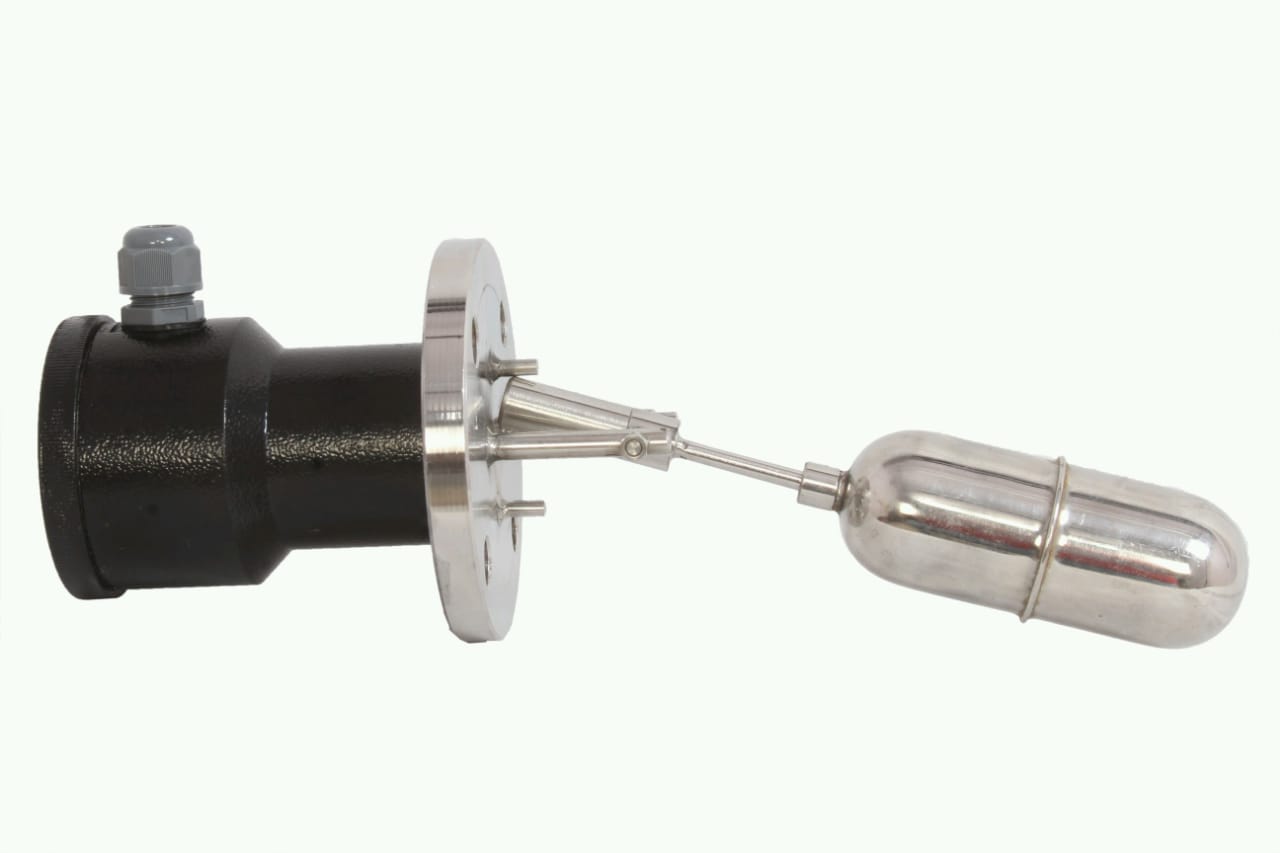 | Level Switch Filpro offers most reliable, cost effective Side Mounted Level Switch for point level sensing. View product → |
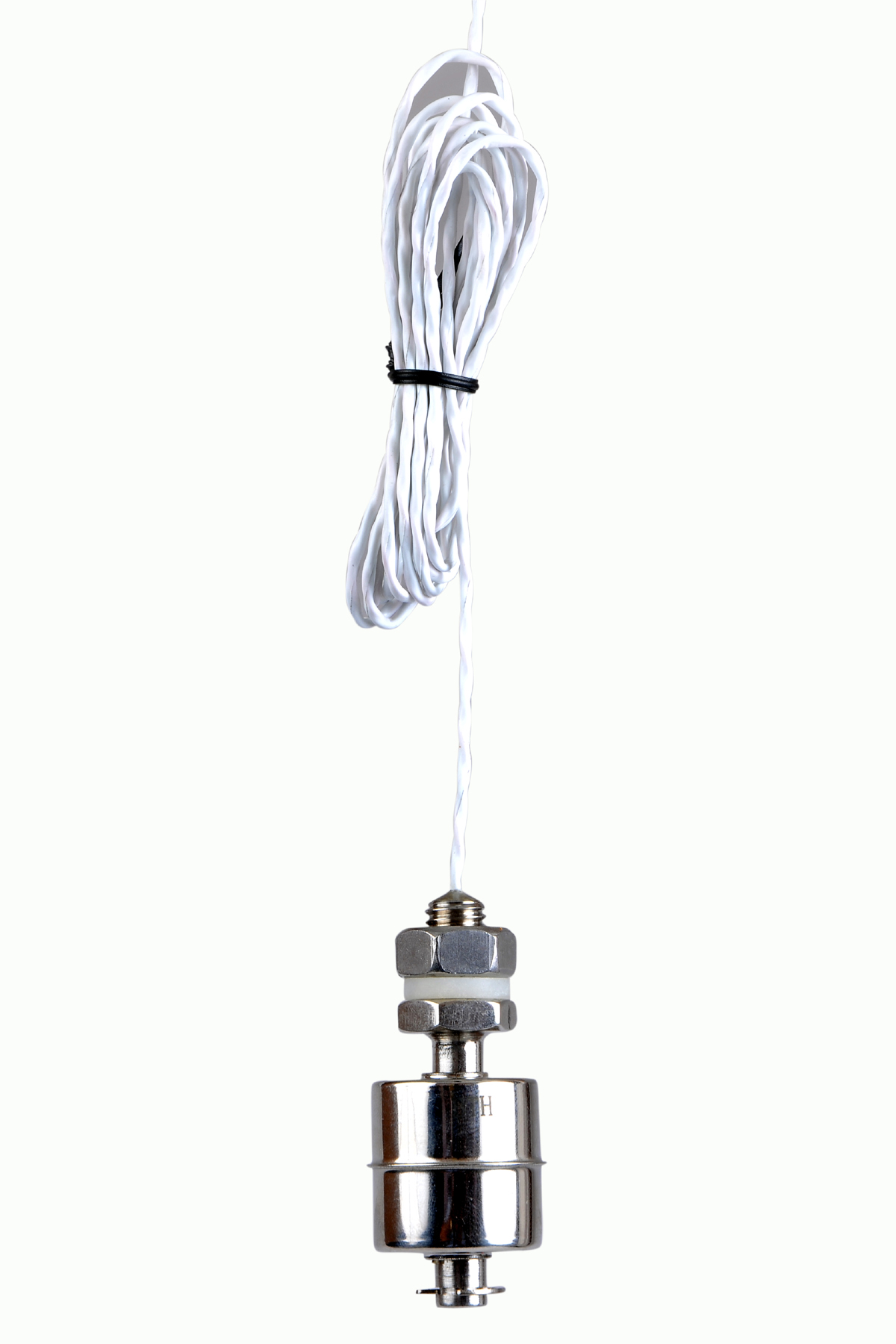 | Level Switch Stainless steel level switch - Miniature Stainless steel Miniature Level Switch is a compact construction, suitable for mounting vertically. View product → |
Frequently asked questions
What should you define before choosing a tank level switch?
Define the switching duty, trip point, reset action, process conditions and the consequence of a missed or false alarm.
Which level switch technology suits a tank liquid?
Compare float, conductive, capacitive and vibrating-fork technologies against liquid density, conductivity, viscosity, solids and coating tendency.
Where should a low or high level switch be mounted?
Mount it at the actual level that triggers action, while accounting for tank geometry, inlet flow, turbulence, outlets and sensor movement.
What process and electrical details belong in the specification?
State materials, temperature, pressure, hazardous-area classification, ingress protection, electrical ratings, cable entry and the required functional test.
Related products
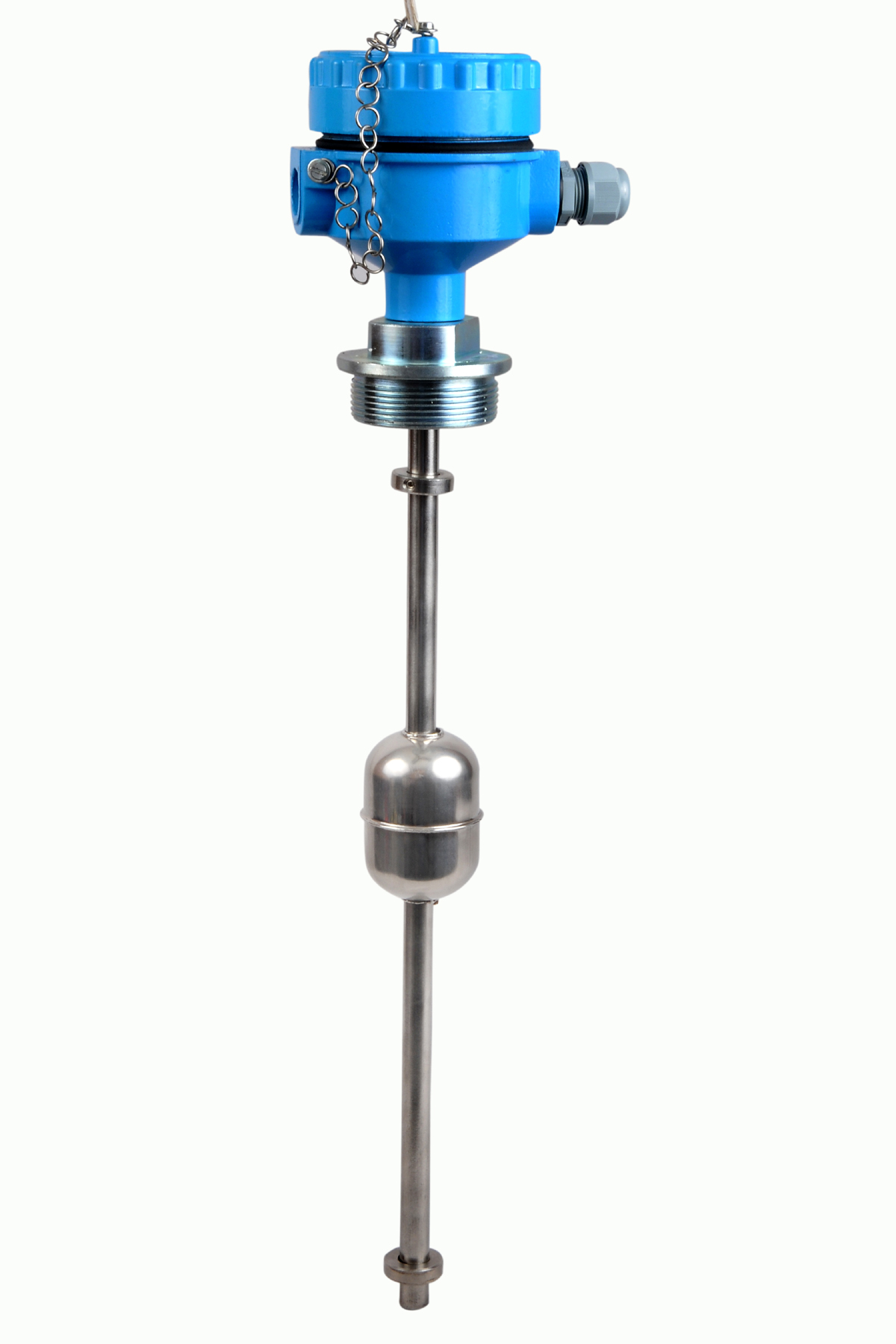 | Level Transmitter Float Level Transmitters Are Ideal For Continuous Level Monitoring In Water, Diesel, Chemical And Oils For Accurate Level Measurement. View product → |
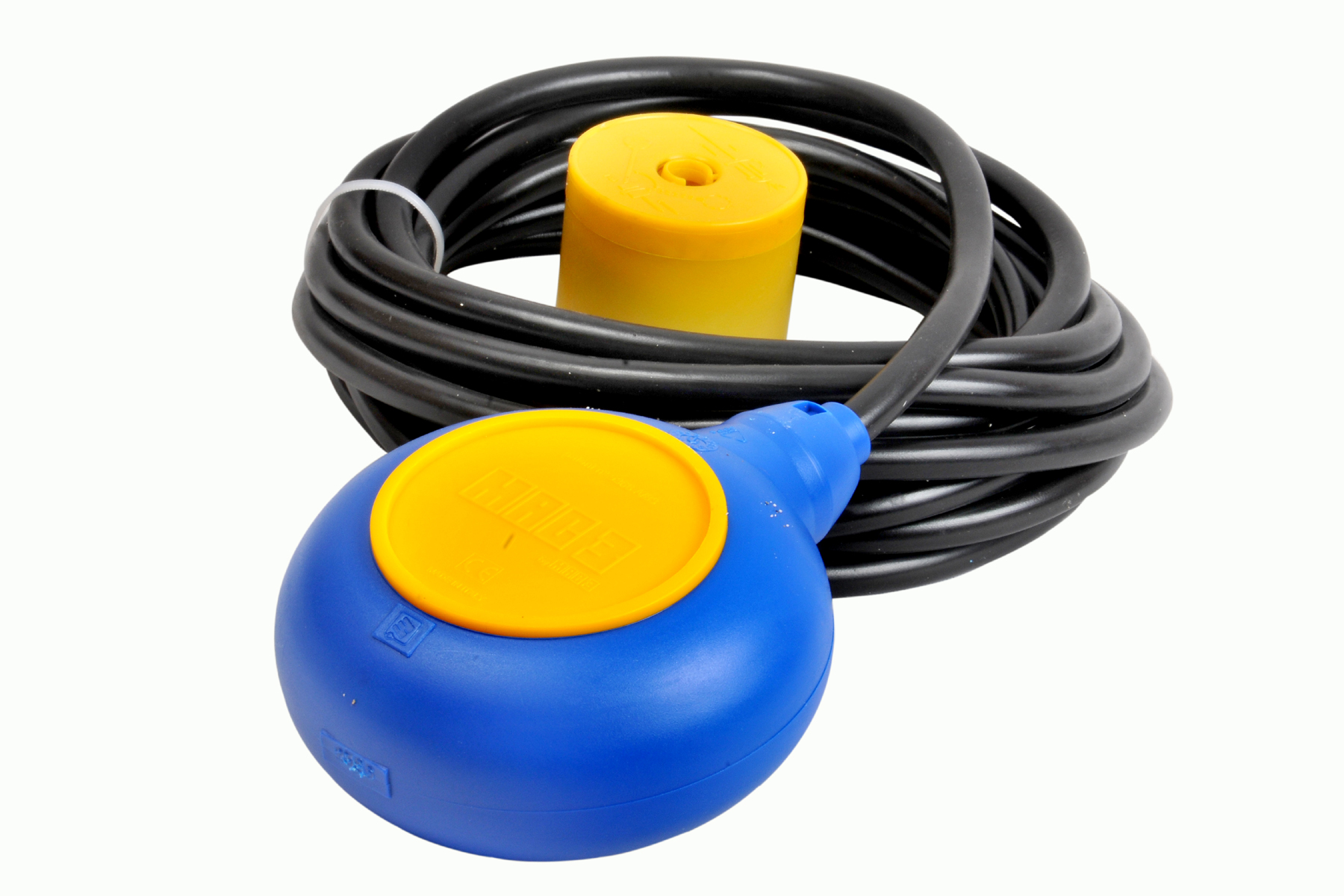 | Level Switch Cable Float Switch is mainly used for the automatic working of small pumps and cellar emptying pumps in liquids a little bit agitated. View product → |
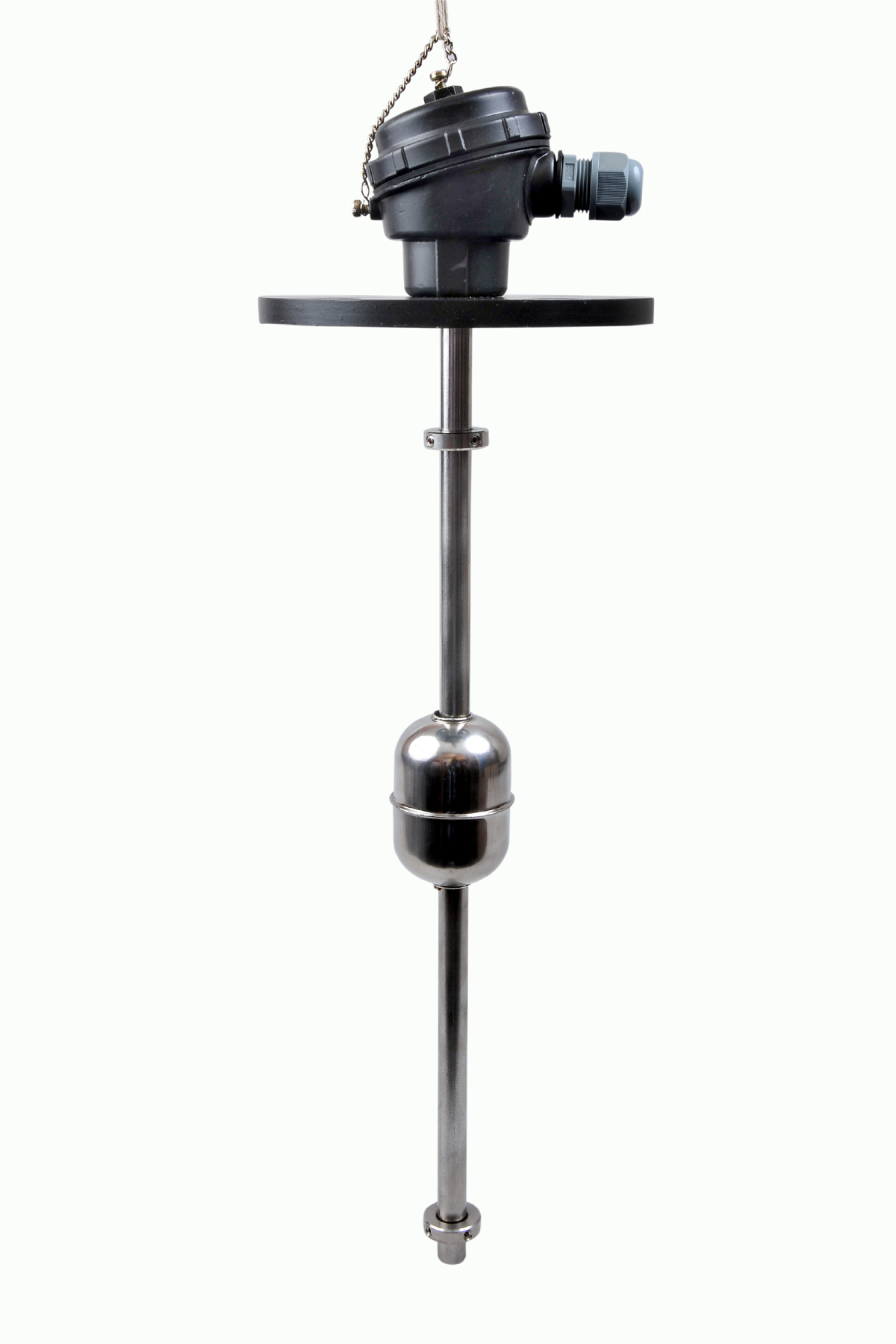 | Level Switch The Magnetic Level Switch consists of the non-abrasive float carrying permanent magnet and non-ferrous stem carrying one. View product → |