An oil level indicator can show a convincing reading while its float is stuck, its chamber is blocked, or its calibration no longer matches the oil density. You will learn how to distinguish a genuine inventory change from an instrument fault, select a suitable measuring method, and inspect the installation without creating a spill or ignition hazard.
Key takeaways
- Compare the indicator with a manual dip, sight glass, or independent level transmitter.
- Inspect the tank nozzle, float movement, impulse line, wiring, and operating limits before replacement.
- Choose local, continuous, or independent high-level indication according to the failure risk.
- Record calibration, alarm tests, and cleaning results as part of commissioning and maintenance.
Match the symptom to the likely oil tank level indicator problem
A stable wrong reading is more dangerous than a blank display because operators may continue filling or transfer oil without noticing the error. Treat oil tank level indicator problems as a possible inventory and overfill hazard, not just a display fault.
| Symptom | Likely problem |
|---|---|
| Stuck high | A sinking float, seized rope and pulley, jammed guide, or damaged pointer can hold the indication high. |
| Stuck low | A float may have sunk, the rope may have broken, or a magnetic flag failure may leave the display at its last position. |
| Jumping | Turbulence, a loose pointer, contaminated float, or intermittent magnetic coupling can produce erratic movement. |
| Blank or unreadable | Condensation, corroded terminals, failed remote power, a broken pointer, or an opaque sight glass can hide the reading. |
| Contradictory | A blocked sight-glass chamber, closed isolation valve, sludge-filled passage, or stuck magnetic flags can make local and actual levels differ. |
| Glass damage or leakage | Broken glass, leaking seals, or oil at isolation valves requires immediate control of the release. |
For oil level indicator in Bengaluru installations, make these first checks:
- Stop relying on the suspect indication; inspect seals and isolation valves for oil.
- Compare pointer or float position with its expected travel, and check whether a recent fill or transfer explains the change.
- Escalate immediately for a high-level indication, suspected tank overfill, unexplained oil loss, visible leak, or broken glass. Isolate the transfer and keep people clear until the tank condition is confirmed.
Prove whether the oil level changed or the instrument failed
Prove the change under static conditions, not while the tank is filling, recirculating or agitated. Stop transfers, allow the surface to settle, then record the suspect indication and compare it with a calibrated dipstick or reference gauge and a second independent level measurement.
- Record the tank height, the measured height, and the corresponding volume from the tank strapping table. Do not infer litres from height alone: horizontal tanks, dished ends, cone bottoms and irregular vessels have non-linear volume relationships.
- Reconcile recent filling and withdrawal records with pump runtime, transfer rates and the expected inventory change. Investigate unexplained differences instead of averaging conflicting readings.
- Repeat both measurements after a defined settling period at the same temperature. Foam, oil viscosity, sludge, varnish, water contamination and particulate matter can restrict float movement, block passages or make readings unstable.
- Check product density and temperature. A hydrostatic instrument calibrated for 850 kg/m³ will not indicate the same level when the oil density is 765 kg/m³; the indication can differ by about 10%, depending on calibration and impulse arrangement. Oil volume also expands or contracts as temperature changes.
- Treat oil tank level indicator problems as an instrument fault only after the physical level, records and independent measurement agree against the suspect indication. A mismatch that disappears after settling points to turbulence or contamination; a persistent mismatch requires inspection and recalibration of the oil level measuring instruments.
Check the tank, nozzle and operating limits before replacing the indicator
A proposed instrument fits only if its float, probe or sensing face reaches the required level without striking the tank or internals. Record these details before ordering:
- Tank height, shape and volume model; nozzle diameter, position and orientation; available headroom; required measuring range; mounting orientation; internal baffles, heating coils, agitators and turbulence.
- Float travel, clearance from obstructions, and space to remove the instrument. Include isolation valves, drain and vent connections, and access for cleaning or replacement.
- Allowable tank pressure and vacuum; minimum and maximum oil and ambient temperatures; oil density and viscosity ranges; vapour and foam behaviour; and wetted-material compatibility.
- Required readability, accuracy and response time; enclosure ingress-protection rating; cable-entry and gland arrangement; and hazardous-area classification, gas group and temperature class.
Do not accept a transmitter because its range matches. A bottom gauge-pressure connection on a pressurised tank can mistake vapour-pressure changes for level; confirm the required pressure-compensation arrangement.
For oil level indicator level measuring instruments for process plants in Bengaluru, monsoon humidity, outdoor dust and condensation can corrode terminals or blank a local display. Water entering through poorly fitted glands causes these installation failures without changing the instrument’s nominal accuracy. Specify the correct IP enclosure, glands, drains and inspection access.
Confirm that the instrument suits the oil’s temperature, density, viscosity and materials before replacement. A sight chamber or float can block, stick or read differently when sludge, varnish or particulate matter restricts its passage.
Choose the indication method that matches the failure risk
Choose the method that fails safely for the tank’s contents, access and overfill consequence, not the cheapest oil level indicator in Bengaluru.
| Option | Strength | When it becomes unsuitable |
|---|---|---|
| Direct visual gauge | Simple local confirmation | Poor choice where the tank is elevated, unattended, restricted or hazardous |
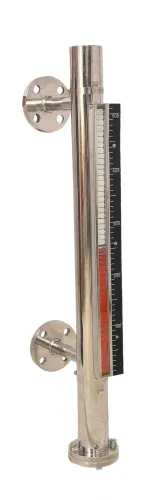
| Magnetic level gauge | Sealed chamber with visible flags | A sticking float or flags can freeze a wrong reading; dirty, viscous oil can seize the float |
| Tubular glass gauge | Immediate sight of the liquid | Sludge, varnish or viscous oil can restrict the chamber; broken glass creates a spill and personnel hazard |
| Float-and-board indicator | Clear mechanical indication from a distance | Turbulence, contaminated floats, bent guides, seized ropes, rollers or pulleys can stop movement |
| Point level switch | Independent alarm or shutdown input | It indicates a set point, not continuous level; coating, fouling or a stuck mechanism can defeat it |
| Continuous transmitter | Remote trending and alarm input | Ultrasonic loses reliability with foam, vapour, turbulence or condensation; capacitance drifts when oil coats the probe or its dielectric changes; radar sees false echoes from ladders, mixers, coils or roof nozzles; bottom gauge pressure confuses tank pressure with level |
Use a remote transmitter for an elevated, unattended, restricted or hazardous tank. Keep continuous indication separate from an independent high-high switch, operator alarm response and transfer shutdown; one display must not be the sole overfill protection layer.
Before inspection or replacement, apply lockout/tagout, isolate, depressurise and reduce the level. Provide spill containment, prohibit hot work and control ignition sources. A controlled static comparison with a second measurement is safer than testing during transfer or agitation.
Commission and maintain the installation as a safety function
Treat the oil level indicator as a safety function, not a display fitted once and forgotten. During commissioning, use this acceptance sequence:
1. Confirm the empty and full reference marks against the tank drawing. Measure the actual oil level with a calibrated dipstick or independent reference gauge, then compare it with the indicator scale.
2. Change the level under controlled filling or withdrawal conditions and confirm smooth indication across the working range. Inspect every seal, isolation valve, gland and connection for leaks.
3. Record the manufacturer, model, serial or batch number, scale range, calibration result and hazardous-area approval. The enclosure, glands and terminals must suit the tank’s gas group and temperature class.
4. Set the high-high alarm using filling rate, sensor response time, shutdown time and operator response time. Leave stopping distance below the roof or vent system; nominal tank capacity is not a safe set point. Use an independent high-high switch, not the same unverified measurement used for routine display.
Set inspection intervals by consequence and service severity. At each planned inspection:
- Clean the chamber or glass and check float movement.
- Inspect fasteners, seals, isolation valves, glands and terminals.
- Verify zero and full marks, then test magnetic flags or pointers.
- After Bengaluru wet weather, check water entry, condensation and corrosion.
- Record calibration results, faults and corrective work.
For oil level measuring instruments for process plants in Bengaluru, provide Filpro Sensors Pvt Ltd with the tank drawing, oil data, operating limits, hazardous-area classification and observed fault when requesting a specification or service review. “Oil level indicator in Bengaluru” is not enough information to select a safe installation.
Related products
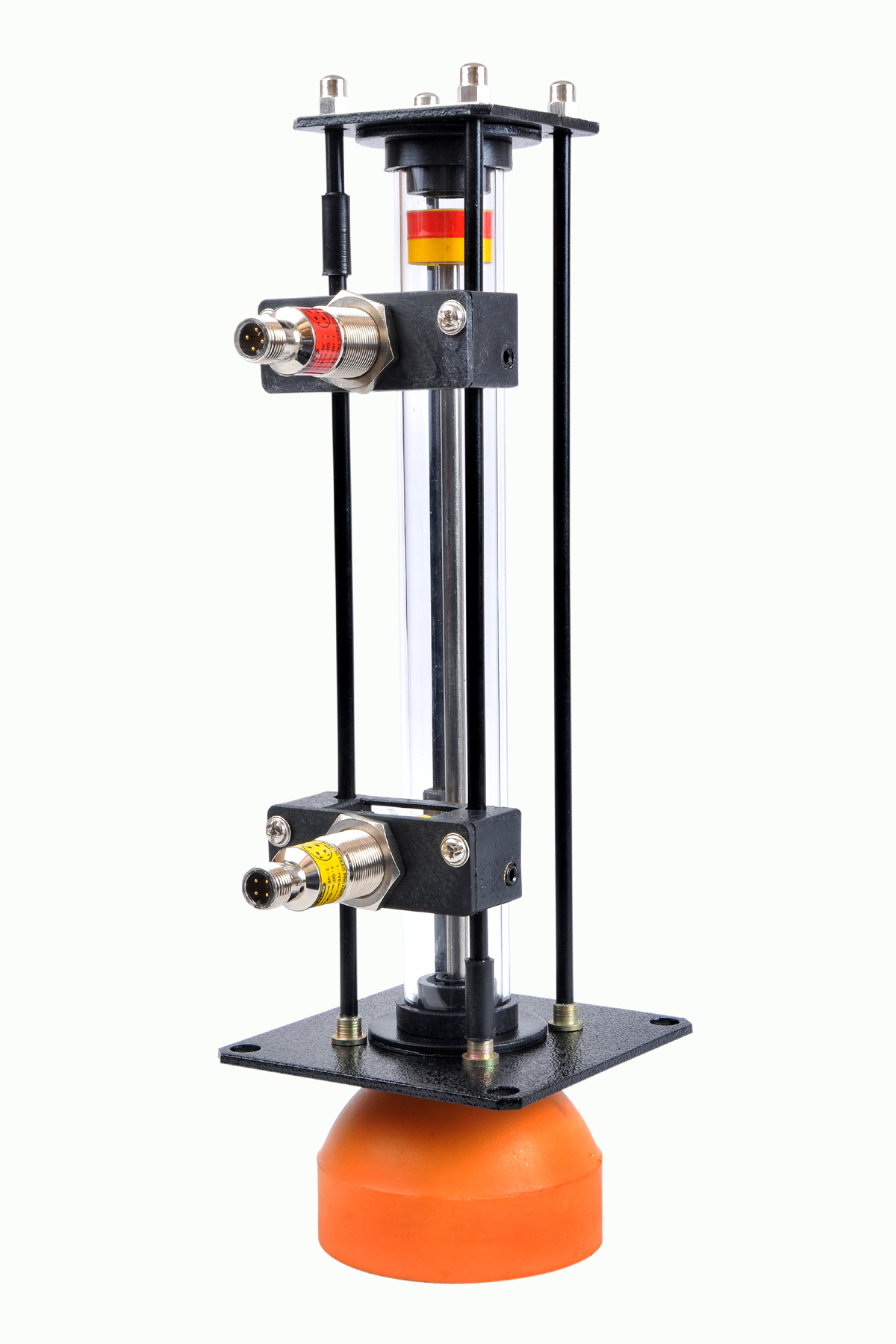 | Level Gauge Oil Level Indicator is designed to indicate the coolant and hydraulic oil level inside the tank with a visual indicator above the tank. View product → |
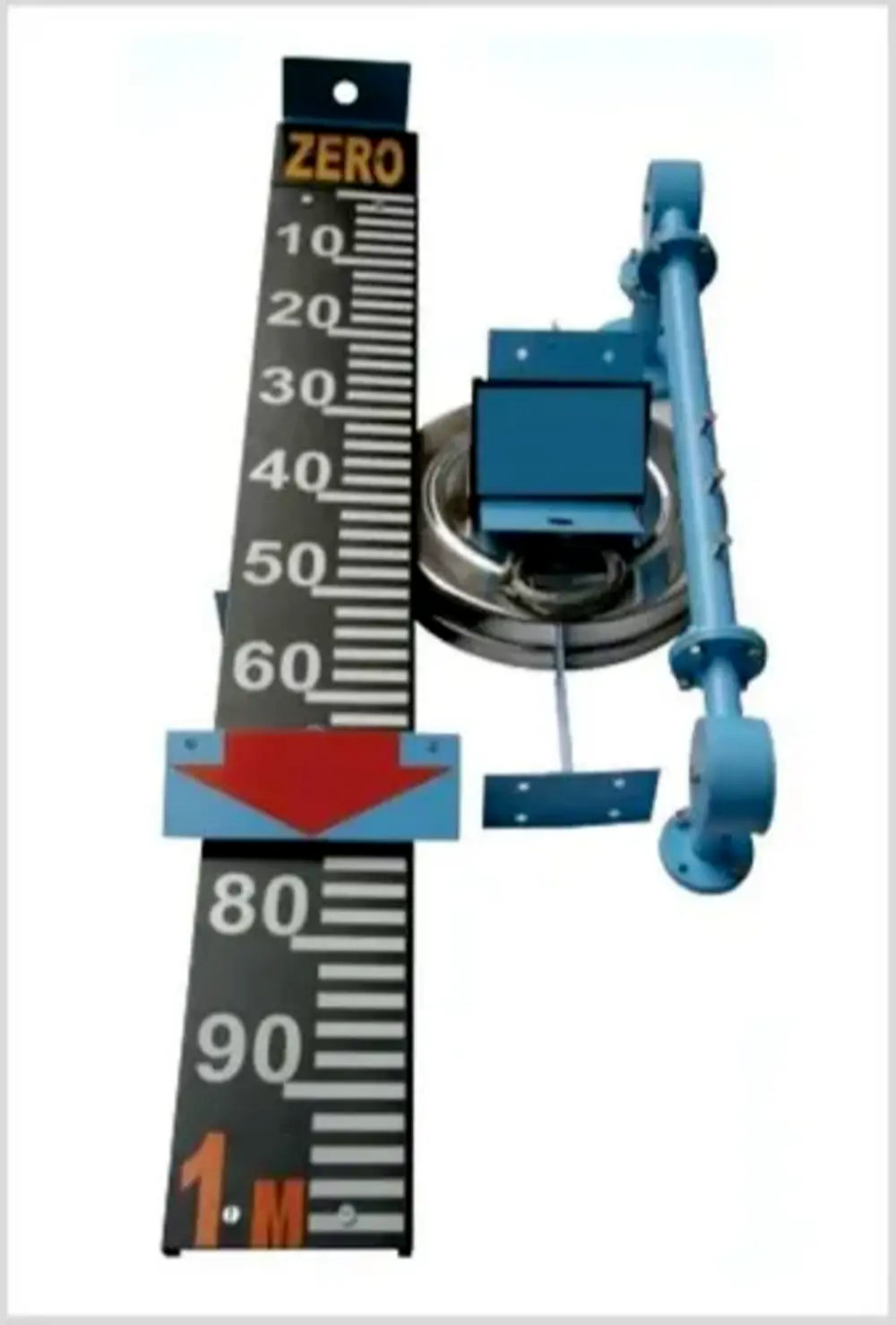 | Level Indicator The Float & Board Level Indicators consists of a float connected to a pointerthrough a rope via a set of pulleys. View product → |
Frequently asked questions
How do you match an oil level indicator symptom to the likely fault?
Check whether the reading is fixed, erratic, blank, or physically inconsistent, then inspect the float, chamber, nozzle, impulse line, wiring, and display supply.
How can you prove whether the oil level changed or the instrument failed?
Compare the indication with an independent method such as a manual dip, sight glass, calibrated portable gauge, or separate level transmitter, while recording the time and tank operation.
What should you check before replacing an oil tank level indicator?
Confirm the tank connection size and location, nozzle condition, fluid properties, temperature and pressure limits, float clearance, and the instrument’s measurement range.
How should you choose an oil level indication method?
Match local, magnetic, radar, guided-wave, or transmit-and-display methods to required visibility, oil properties, redundancy, maintenance access, and the consequence of a missed overfill.
How do you commission and maintain an oil level indicator as a safety function?
Verify installation orientation and range, compare readings at known levels, test high-level alarms and interlocks, document results, and schedule cleaning and calibration checks.
Related products
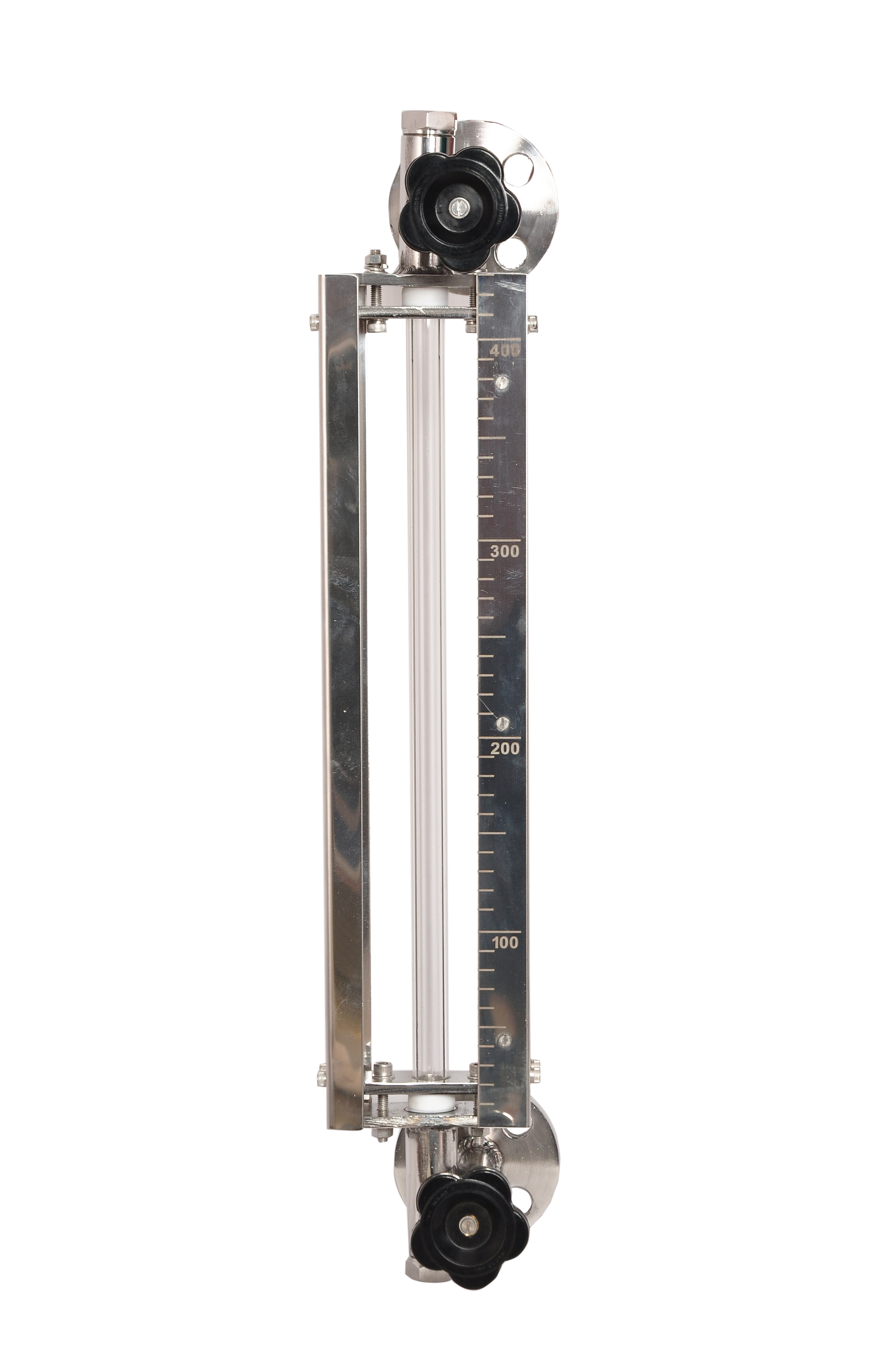 | Level Gauge Tubular Glass Level Indicator is used for visual level indication of liquid in storage and process tanks. View product → |
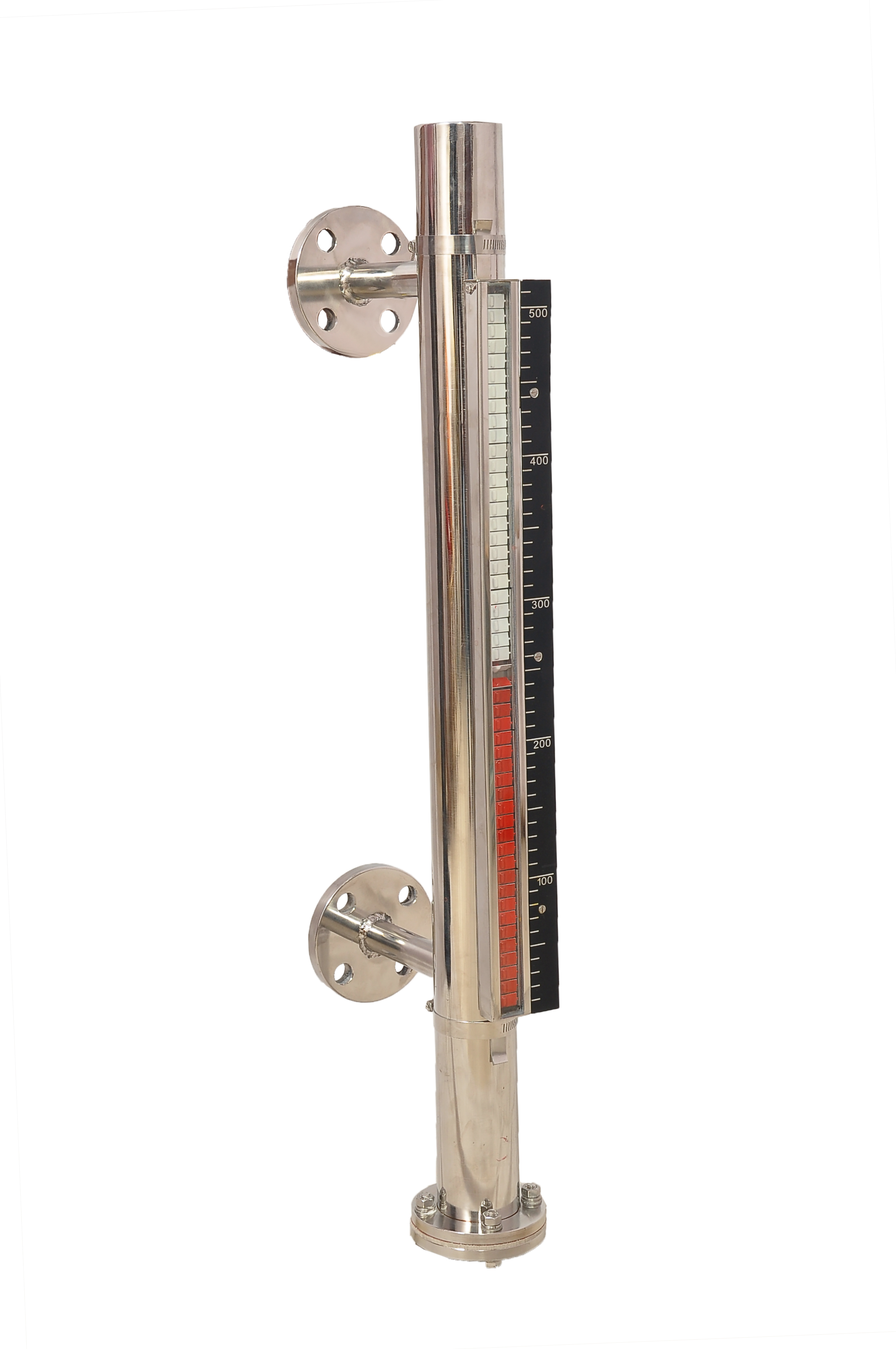 | Level Gauge FILPRO offers Magnetic Level Indicator provides clear, high clarity indication of liquid level. View product → |