The better gauge depends on what you need to observe, contain and control: a direct optical interface or a float position shown outside the process boundary. By comparing indication, visibility, failure modes, service conditions and specification details, you can select the technology that fits the vessel rather than relying on pressure rating or purchase price alone.
Key takeaways
- Choose reflex gauges for direct optical readings and simple, visible interfaces.
- Choose magnetic gauges for remote visibility and cleaner isolation from process liquid.
- Check pressure, temperature, opacity, corrosion and flashing before selecting either gauge.
- Specify glass, float and chamber safeguards before approving the installation.
How reflex and magnetic gauges produce a level reading
A reflex level gauge versus magnetic level gauge is a choice between two different indications, not two versions of the same instrument. A reflex gauge shows an optical interface through grooved glass; a magnetic gauge shows float position through magnetic coupling.
| Type | How the level appears | What the instrument needs |
|---|---|---|
| Reflex gauge | Prismatically grooved glass appears dark where liquid covers it and bright or silvery where vapour meets it. | No float, magnet, electrical supply or signal conversion; the glass must remain clean and intact, with suitable lighting and viewing angle. |
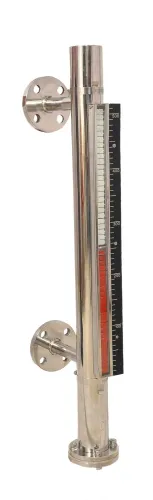
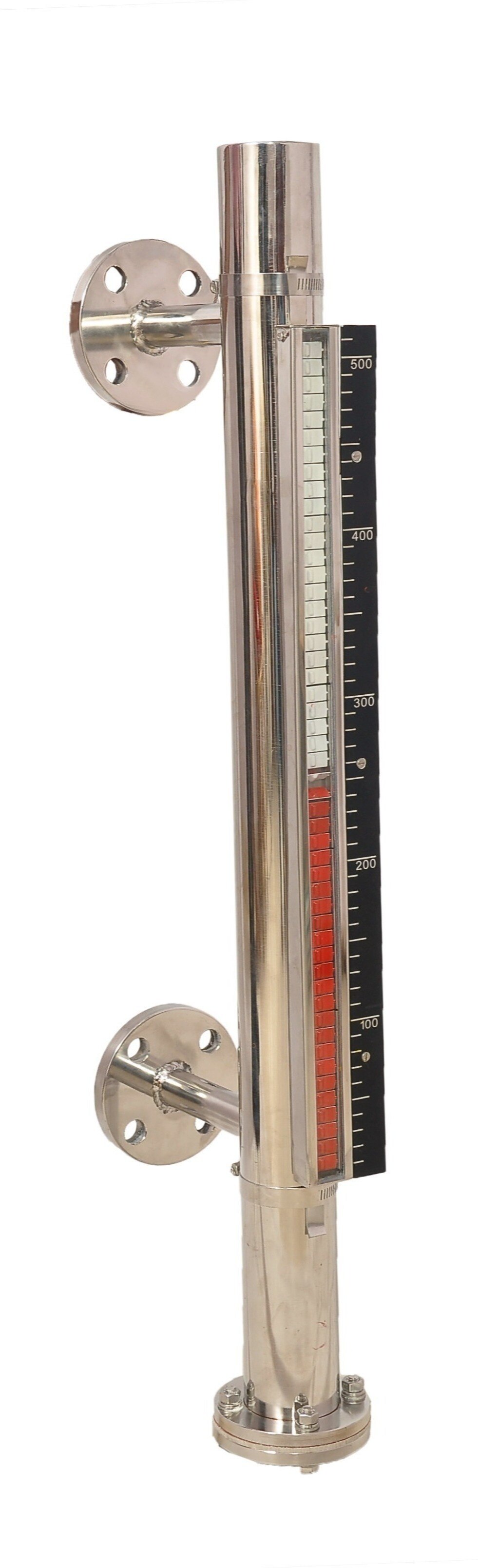
| Magnetic gauge | A buoyant float rises inside a pressure-containing chamber. Magnets in the float move external flags or rollers to mark the level. | Correct float movement and magnetic coupling; the process liquid stays inside the chamber and away from the display. |
The reflex reading is a direct local sight indication, but coating, etching, cracks, glare or poor illumination can hide the dark-to-bright boundary.
A magnetic display is easier to read from a distance and can use high-contrast flags, yet it can indicate incorrectly if the float sticks, the magnets lose coupling, or the scale does not match the chamber.
Neither instrument shows the liquid through a transparent window in the same way. A transparent level gauge lets you see the liquid itself; a reflex gauge produces a light-and-dark optical pattern, while a magnetic gauge displays the position of an enclosed float.
Which gauge is easier to read at the vessel?
A magnetic gauge is easier to read from a distance, but a reflex gauge can be clearer at close range under good conditions. For a reflex level gauge versus magnetic gauge decision, judge the normal walkway, viewing angle, illumination and operator distance—not the workshop display.
| Option | What you see | What can obscure or mislead it |
|---|---|---|
| Reflex gauge | A local sight reading through prismatic glass; the liquid interface appears dark against a bright or silvery vapour section. | Glare, darkness, condensation, vapour, coating, etching, cracks or deposits can hide the interface. The operator must face a clean viewing angle. |
| Magnetic gauge | External, high-contrast flags or rollers that remain visible without looking through the process liquid along the indication path. | The scale must be readable, flags correctly aligned, magnetic coupling intact and the chamber positioned in the normal line of sight. |
A magnetic display remains wrong if the float sticks, loses buoyancy or tracking, or the flags are damaged. It is not automatically more accurate than a reflex gauge, and low-density liquid, foam, deposits or changing density can impair float movement.
Neither design fixes flashing, foam, boiling or turbulence. A reflex interface can fluctuate; a magnetic float can bounce or lose stable tracking. Use damping, a still-well, suitable chamber sizing or another technology when the liquid column is unstable.
During commissioning, compare either local indication with an independent measurement or a known vessel condition. Confirm the marked scale matches the actual connection elevations and operating range.
What happens when the gauge, glass or float fails?
When a gauge, glass or float fails, the consequence depends on whether the process boundary or only the indication has been affected. A reflex failure can release process liquid; a magnetic display failure can show a false level while the chamber remains sealed.
| Option | Main exposure | Maintenance consequence |
|---|---|---|
| Reflex | Glass, seals, covers and connection hardware face impact, thermal shock, incorrect tightening, and rapid pressure or temperature changes. | Isolate, control venting, drain and replace glass to the manufacturer’s requirements. |
| Magnetic | The sight glass is outside the process, but the chamber, welds, gaskets, process connections and isolation valves remain pressure-bearing. | Service flags or switches externally; float removal still requires isolation, depressurization, draining and venting. |
Protect a reflex gauge with isolation valves and suitable glass guards. Rapid filling with hot or cold liquid, sudden depressurization, impact, wrong glass or incorrect tightening can cause leakage or breakage.
Use this replacement procedure:
- Isolate both process connections, then depressurize, vent and drain the gauge.
- Inspect the glass, seals, covers and hardware; reject chips, scratches, distortion or damaged threads.
- Fit the specified glass and seals, then apply the manufacturer’s torque and inspection requirements.
- Refill gradually and check for leaks and correct indication.
A magnetic float can stick because of wax, crystals, sludge, polymers, corrosion products, ferromagnetic debris or excessive viscosity. Check float orientation, damaged flags and lost magnetic coupling. Provide chamber drains, vents, flushing access and inspection points where service justifies them, then compare the display with an independent measurement or known vessel condition.
How pressure, temperature and liquid properties change the choice
Pressure, temperature and liquid properties decide the service choice, not the measurement principle or a headline pressure rating. For a reflex level gauge versus magnetic gauge, check the complete configured model against the vessel and fluid.
- For a reflex gauge, verify design pressure and temperature, glass rating, body and cover material, gasket material, connection arrangement, thermal-shock exposure, and resistance to staining, etching and chemical attack. Fouled or etched glass can erase the local reading.
- For a magnetic gauge, verify chamber material, float construction, welds, seals and indicator temperature limits. Confirm that liquid density provides reliable buoyancy; a low-density hydrocarbon or contaminated float can produce sluggish travel, loss of tracking or a false indication.
- Compare centre-to-centre length, connection elevations, scale range and required float travel with the vessel’s actual control band. A reflex gauge can contain blind sections near connections, while a magnetic chamber needs enough visible length for the float to travel across the operating range.
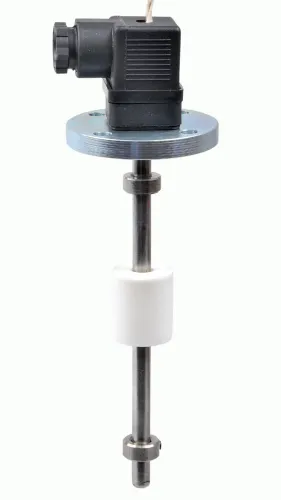
- For external reed switches, proximity switches or transmitters, check hazardous-area classification, electrical limits, temperature limits, wiring, calibration and proof-testing. Do not call the complete loop safety-instrumented or SIL-capable without a documented safety assessment.
Flashing, boiling, foaming, emulsions, gas or violent turbulence can make either indication unstable. Use a still-well, damping arrangement, suitable chamber sizing, remote transmission or a different level technology when the hydraulic conditions prevent a stable interface; changing from reflex to magnetic alone will not fix it.
A practical decision rule: when is each gauge better?
Choose a reflex gauge when clean, single-phase liquid, direct local confirmation, simplicity, and safe glass isolation and maintenance matter most. Choose a magnetic gauge when protecting personnel from exposed glass, reading level at a distance, or adding alarms and remote output matters more.
| Option | Better choice when | Check before approval |
|---|---|---|
| Reflex level gauge | The liquid is clean and compatible with the glass, and an operator needs a simple local sight reading | Glass, gaskets, isolation valves, blowdown and cleaning access suit the service |
| Magnetic gauge | The liquid is opaque, coloured, dirty, hazardous or unsuitable for an exposed sight glass | Float, chamber geometry, scale, indicator, switches and transmitter match the application |
Magnetic does not mean more accurate. Float sticking, density changes, incorrect float orientation, magnetic coupling loss, damaged flags, a mismatched scale or incorrect chamber geometry can defeat the reading.
For toxic, flammable, high-pressure, high-temperature or safety-critical service, require a documented review of:
- Isolation philosophy and leak detection
- Materials, inspection access, venting, draining and cleaning
- Hazardous-area requirements
- Plant pressure-equipment standards
- Alarm or transmitter classification, calibration and proof-testing
- An independent verification method
Ask Filpro Sensors Pvt Ltd or another qualified supplier to confirm the full model configuration, centre-to-centre dimensions, design limits, materials, accessories and maintenance access before ordering. Verify the indication against an independent measurement or known vessel condition.
Choose reflex for direct simplicity and clean service; choose magnetic for protected indication, distance, alarms or remote output.
Related product
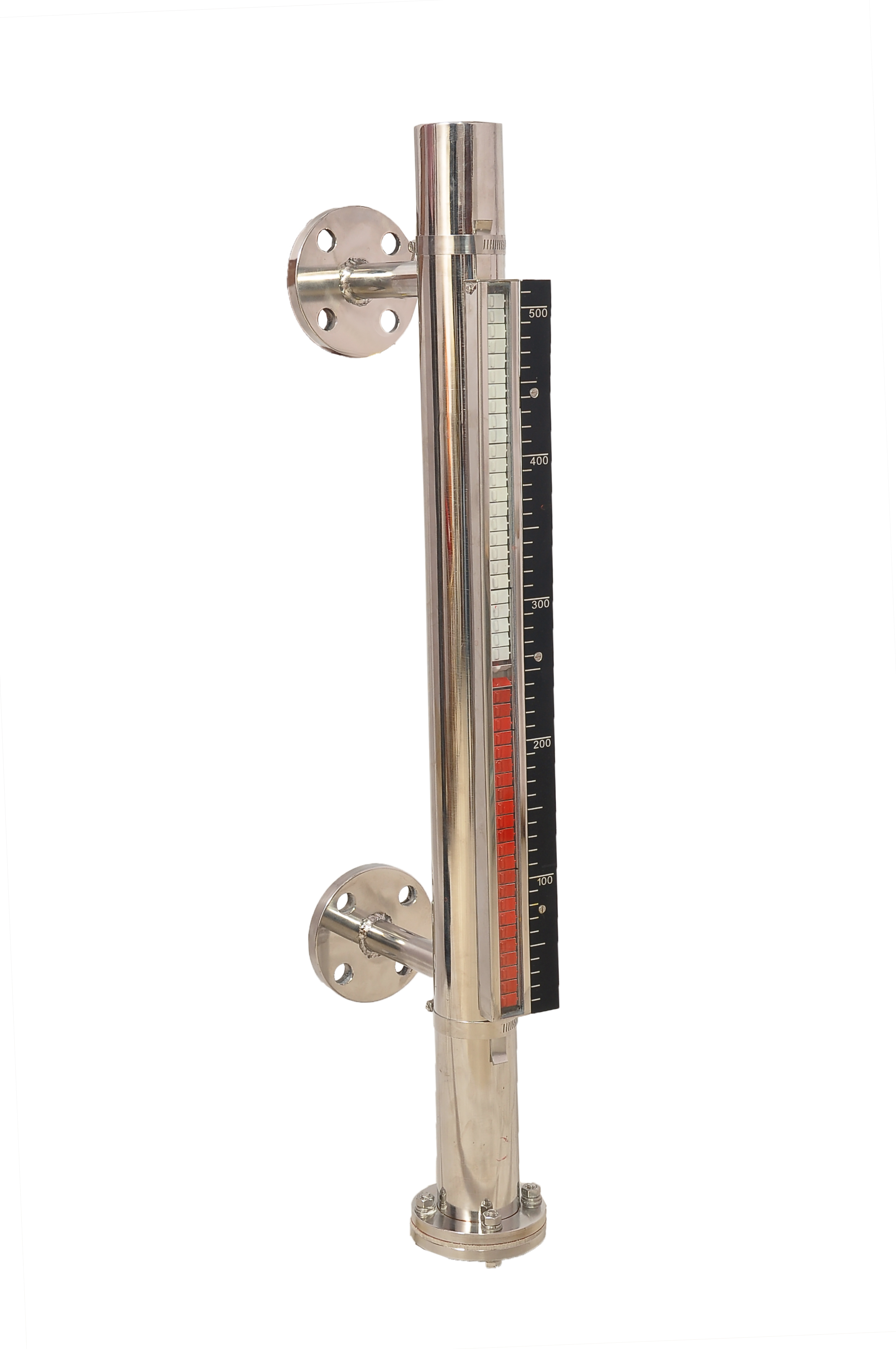 | Level Gauge FILPRO offers Magnetic Level Indicator provides clear, high clarity indication of liquid level. View product → |
Frequently asked questions
How do reflex and magnetic level gauges produce a reading?
A reflex gauge reveals the liquid interface through grooved reflex glass. A magnetic gauge uses a float and magnetic coupling to move an external indicator.
Which gauge is easier to read at the vessel?
Reflex gauges provide a direct optical reading at the chamber. Magnetic gauges provide a high-contrast external indication that is easier to see from a distance.
What happens when the gauge, glass or float fails?
Broken glass requires isolation and replacement, while a stuck or damaged float can leave a magnetic gauge showing a false level. Use isolation valves, guards and independent level protection.
When is a reflex gauge better than a magnetic gauge?
Choose a reflex gauge when the liquid interface is optically clear and you need a direct local indication. Choose a magnetic gauge for opaque, dirty or hazardous liquids and remote visibility.