The right choice depends on whether you need a switching action at one or more fixed elevations, or a continuously changing level value. By the end, you will be able to match each technology to your control objective, tank geometry, liquid behaviour and process conditions before approving an installation.
Key takeaways
- Choose a float switch for a defined trip point or alarm.
- Choose ultrasonic when you need a continuously changing level value.
- Check mounting space, foam, vapour, turbulence and tank obstructions.
- Use separate switch and transmitter devices when safety and measurement must be independent.
Start with the control job: a trip point or a changing value?
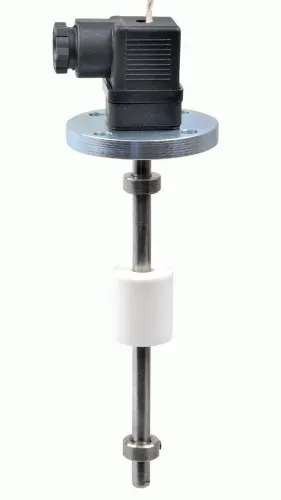
Choose a float level switch for a defined action and ultrasonic for a changing value. A float changes state when liquid reaches a defined elevation, making it suitable for pump start/stop, high-level alarm, low-level alarm, dry-run protection, or an independent high-high shutdown.
| Technology | Level information | Best fit |
|---|---|---|
| Float level switch | Discrete open/closed state at one elevation | A direct trip, alarm, or interlock |
| Ultrasonic | Continuous level or distance | Display, percentage, inventory or volume calculation, trends, and multiple software alarms |
For a float level switch, specify:
- Switching level: the elevation at which the contact changes state
- Reset level or hysteresis: the elevation or differential required before it returns
- Contact arrangement: normally open, normally closed, SPST, or SPDT
- Failure action: whether the output must de-energize on rising or falling level
A float’s trip point is an installation dimension, not a measurement of the liquid column. It also gives no warning that the level is approaching the switch.
Ultrasonic measurement supplies the changing value, but it does not automatically provide a better high-high shutdown. A discrete float contact is easier to diagnose and proof-test for that function, while the control system must distinguish ultrasonic loss-of-echo and out-of-range states from a genuine process alarm.
For many systems, use ultrasonic for indication and routine control, then add an independent float for overfill or dry-run protection. Choose the float when the required answer is “act now at this elevation”; choose ultrasonic when you need to know how the level is changing.
Compare the installation envelope before comparing specifications
Compare the installation envelope before comparing specifications. A float level switch needs a side-mounted or top-mounted mechanical assembly, with enough clearance for the float to rise and fall without touching ladders, pipes, baffles, coils, agitators or fittings.
An external chamber improves isolation and service access, but plugged equalizing connections, closed isolation valves or a chamber level different from the vessel level can produce a false reading.
| Option | Physical requirement | What can go wrong |
|---|---|---|
| Float level switch | Free mechanical travel at the selected mounting point | Fouling, sticking or an obstruction prevents the float reaching its trip level |
| External float chamber | Open equalizing connections and correctly positioned isolation valves | The chamber level no longer represents vessel level |
| Ultrasonic | Clear overhead acoustic path, aligned transducer and distance above the highest liquid | False echoes from internals, foam, vapour, turbulence or condensation interrupt the return signal |
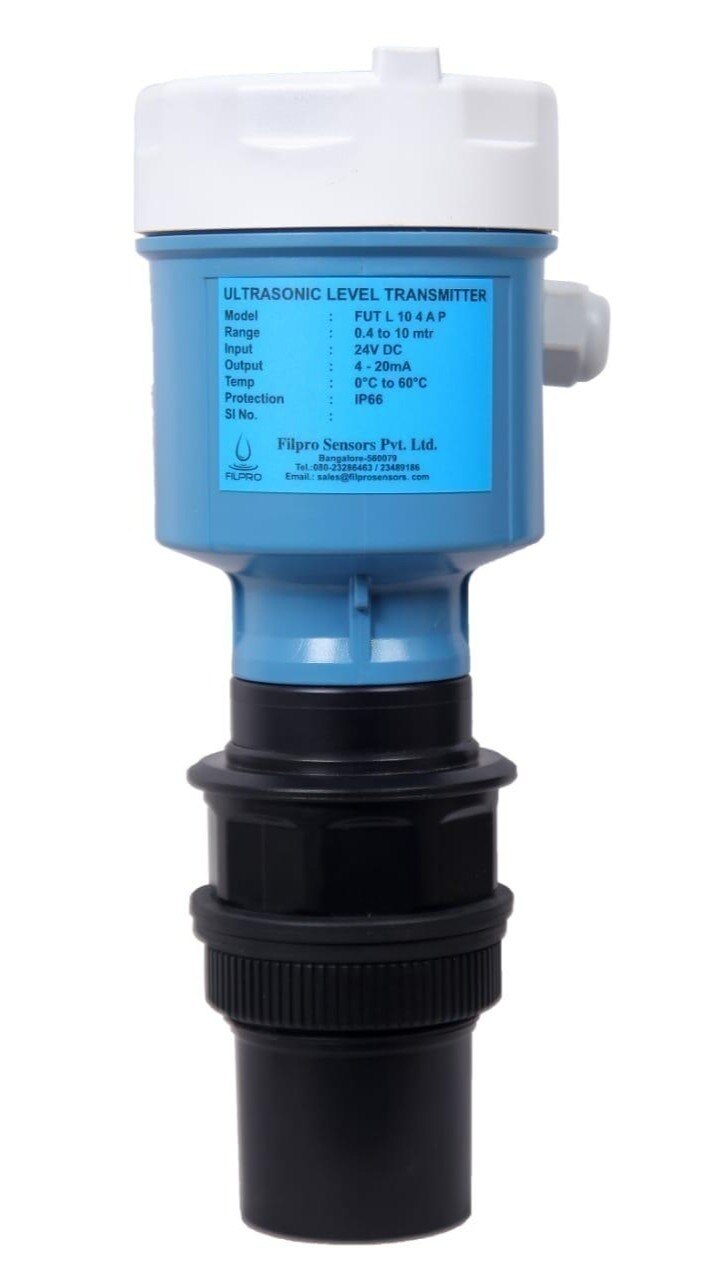
For an ultrasonic unit, calculate the usable space, not just the advertised range. Keep the highest liquid level below the transmitter’s dead zone or blocking distance, including nozzle height and internal nozzle diameter; a long nozzle can place the surface inside the unusable near-zone boundary.
- Check whether a narrow tank, sloped roof or irregular roof prevents correct alignment.
- Measure the distance from the transducer face to the highest liquid level.
- Record nozzle length and internal diameter.
- Identify ladders, inlet pipes, baffles and fittings in the acoustic path.
- Confirm that a rising or turbulent surface cannot enter the blocking distance.
Match the sensor to the liquid and its surface
Float level switch versus ultrasonic is a choice between mechanical fouling risk and acoustic-surface risk. Ultrasonic reliability depends on a usable reflected echo: foam, heavy vapour, condensation on the transducer, dust, splashing, turbulence, aeration and changing surface conditions can weaken or scatter it.
Sloped roofs and poor alignment worsen the geometry, so the return can disappear even when liquid is present.
| Condition | Ultrasonic effect | Float-switch effect |
|---|---|---|
| Surface behaviour | Foam, vapour, splashing, turbulence and aeration weaken or scatter the echo. | The float follows the liquid, unless viscosity or deposits delay its movement. |
| Tank interior | Inlet streams, agitators, heating coils, pipes and structural members create false echoes or block the return signal. | These features matter less when the float has clear, free travel. |
| Liquid and deposits | It does not depend on buoyancy, but it still needs a clean surface echo. | A water-selected float may not provide intended buoyancy in a substantially denser liquid; sticky liquids, sludge, crystallising chemicals and solids can coat the float, stem or guide. |
High viscosity can slow a float, while debris can restrict its travel or jam it against a tank fitting. A float does not need an acoustic return, so internal obstructions are less threatening when movement remains free.
Inspect both the liquid and the vessel: choose ultrasonic when the surface can return a clean echo, and choose a float when its buoyancy, clearance and resistance to fouling suit the process.
Check process limits, materials and hazardous-area documents
In a float level switch versus ultrasonic decision, verify that each device can survive the actual process conditions rather than assuming one technology is universally tougher. A float depends on buoyancy and free movement; ultrasonic measurement depends on a stable acoustic path through the gas above the liquid.
Ask the supplier to confirm:
1. For a float, the selected float density, wetted-material compatibility, stem or guide material, viscosity range, temperature range, and resistance to the chemical. Include crystallisation, sticky deposits and buildup: these can restrict movement or hold the float against its guide.
2. For ultrasonic, the specified gas-temperature range, thermal-gradient limits, vapour-composition assumptions, vapour-pressure effects, condensation tolerance and acoustic behaviour above the liquid. Ultrasonic level uses echo travel time and sound velocity in the gas, so changing temperature or gas composition creates level error unless compensation covers the stated conditions.
3. For pressurised, vacuum, hot or chemically aggressive service, the complete datasheet—not the phrase “noncontact”—including pressure and temperature limits, enclosure rating, cable entry, grounding and any wetted materials.
4. The hazardous-area approval or certificate for the exact installation, including gas or dust classification, protection method, equipment group and temperature class. A certificate for a different model or cable-entry arrangement is not confirmation for your installation.
Neither device is automatically suitable for a safety function. Require the proof-test method, fault response and safety approval for the complete loop, not only the sensor.
Use a decision rule, then consider a two-device arrangement
When you need both visibility and protection, choose a hybrid arrangement: ultrasonic measurement for routine control, continuous indication and trending, plus one or more genuinely independent float switches for overfill or dry-run protection. The two technologies fail differently, reducing common-cause exposure when designed correctly.
- Select a float switch for pump start/stop, one high or low alarm, dry-run prevention, or an independent shutdown at a known elevation.
- Select ultrasonic when operators need a continuously changing level, percentage, volume calculation, trend, remote display, or several adjustable alarm points without installing several switches.
- Use both when the tank needs a changing value and a separate protective trip. Independence requires separate installation, power, signal paths and proof testing; placing two devices on the same controller does not create independent protection.
Before ordering, check:
- Float switching elevation, hysteresis or reset level, contact arrangement, and de-energise-on-fault requirement.
- Ultrasonic dead zone, maximum liquid level, nozzle geometry, and clear measurement path.
- Foam, vapour, float fouling, process limits, diagnostics, and the proof-test method.
Ask Filpro Sensors Pvt Ltd to review the tank drawings, liquid data, mounting arrangement and required output before selecting the instrument. Require the control system to distinguish ultrasonic loss of echo or out-of-range status from a genuine alarm. A float switch gives a clear state, but it cannot show approach to its trip point.
Related products
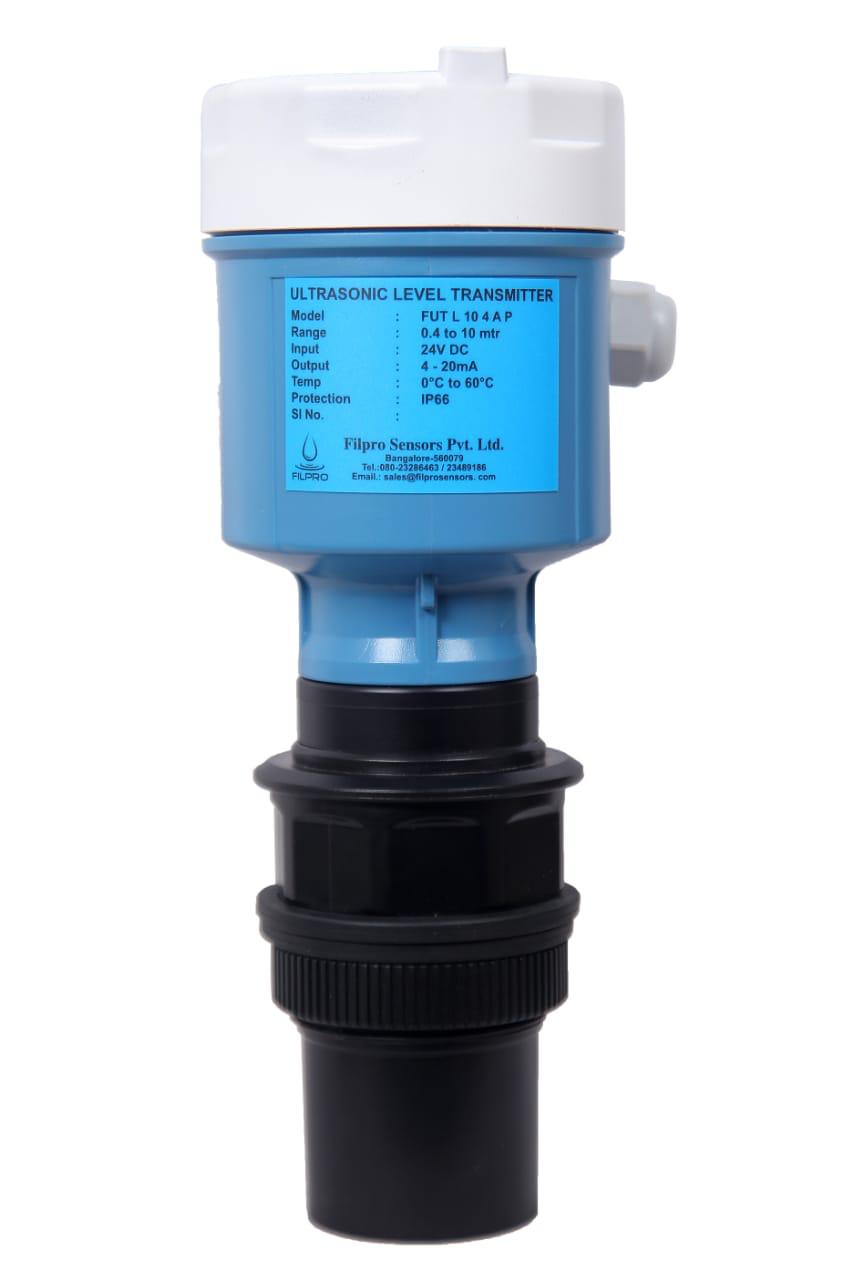 | Level Transmitter Ultrasonic Level Sensor is a non-contact ultrasonic continuous level measurement product based on sound technology. View product → |
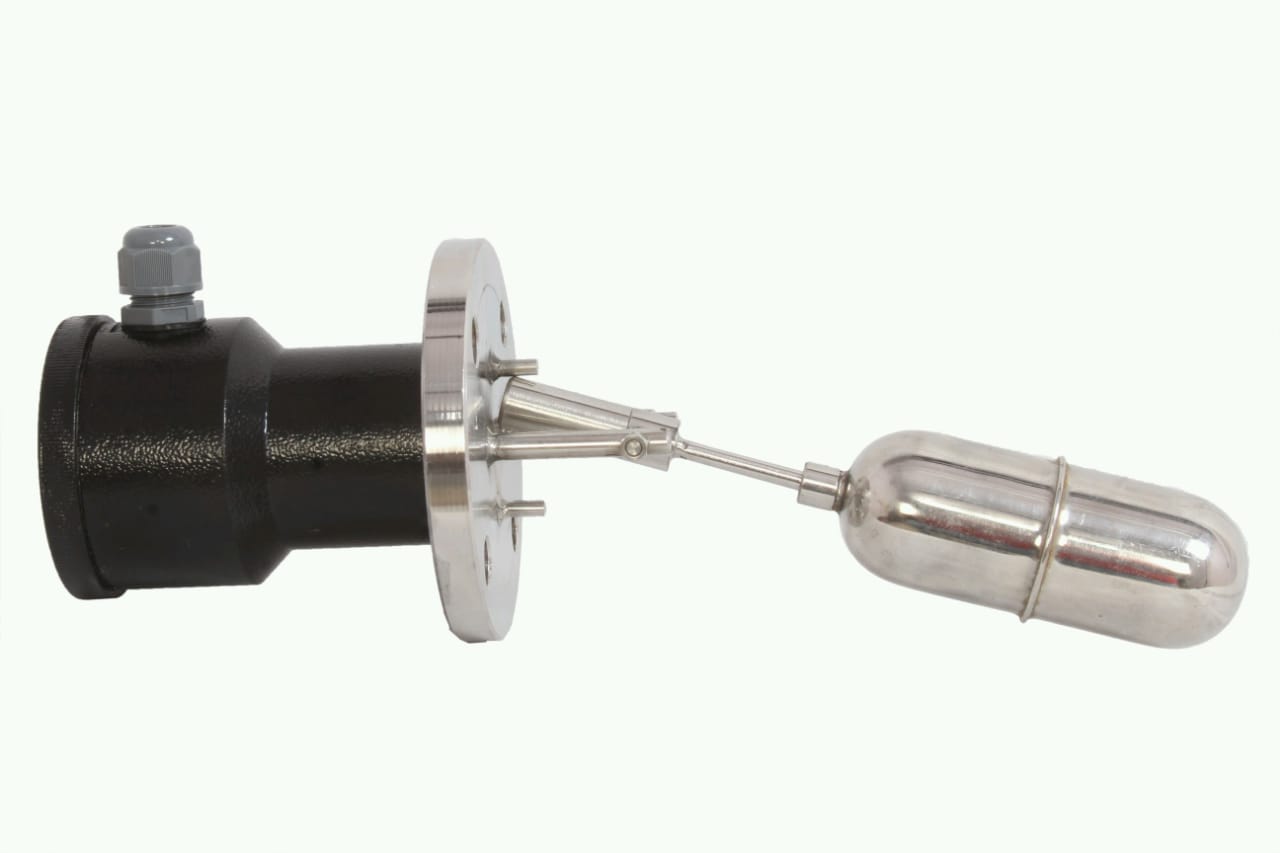 | Level Switch Filpro offers most reliable, cost effective Side Mounted Level Switch for point level sensing. View product → |
Frequently asked questions
When should you choose a float level switch over ultrasonic?
Choose a float level switch when you need a defined action at one liquid elevation, such as pump start, low-level alarm or high-high shutdown.
When is ultrasonic level measurement the better choice?
Choose ultrasonic when you need a changing level value for monitoring, trending, inventory control or process control.
What installation conditions should you compare before choosing?
Compare available mounting space, nozzle size, tank obstructions, cable or wiring routes, dead zones and access for maintenance.
How do liquid and surface conditions affect the choice?
Foam, vapour, turbulence, condensation, agitation and uneven surfaces can affect ultrasonic readings, while float devices require suitable liquid contact and movement.
Related products
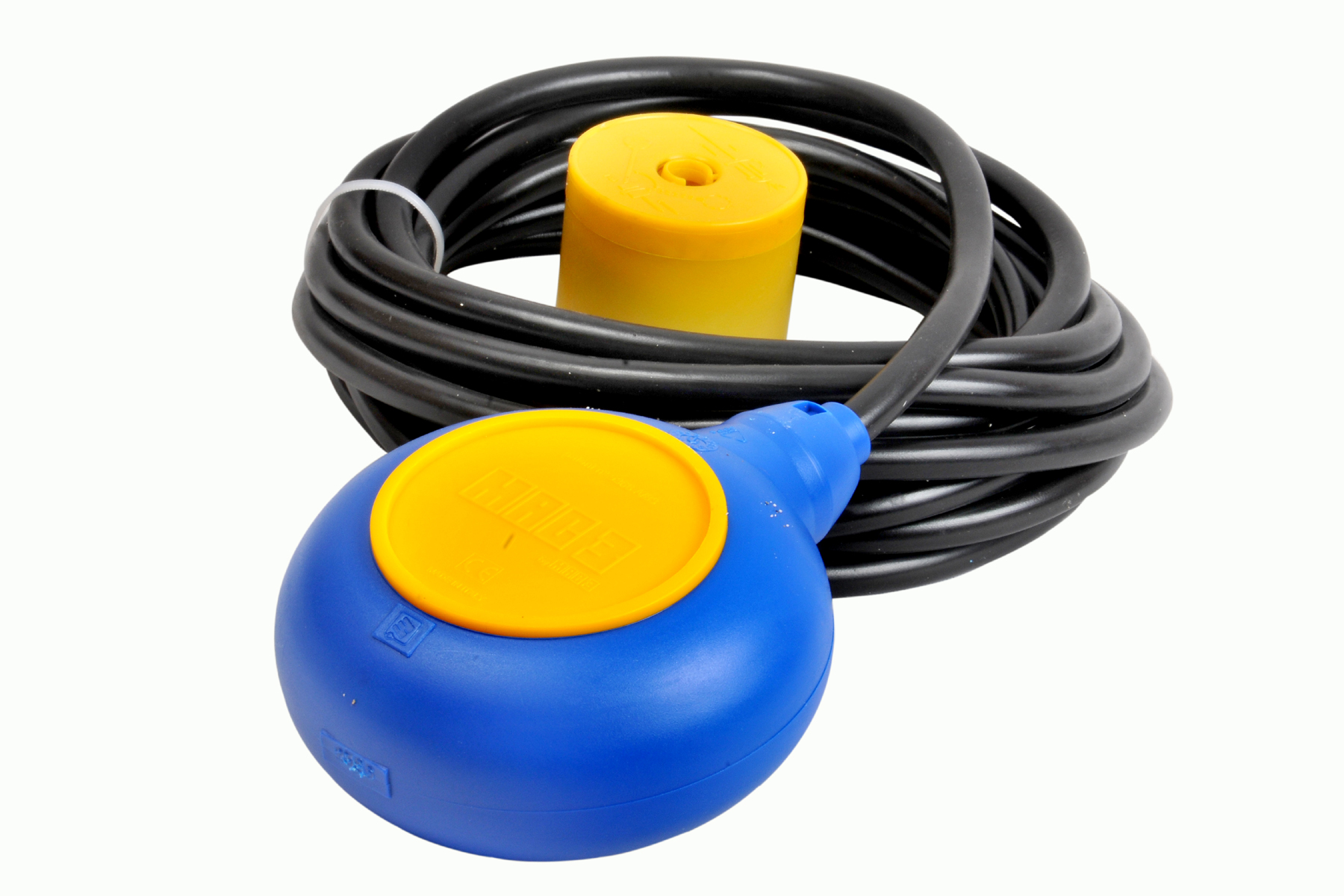 | Level Switch Cable Float Switch is mainly used for the automatic working of small pumps and cellar emptying pumps in liquids a little bit agitated. View product → |
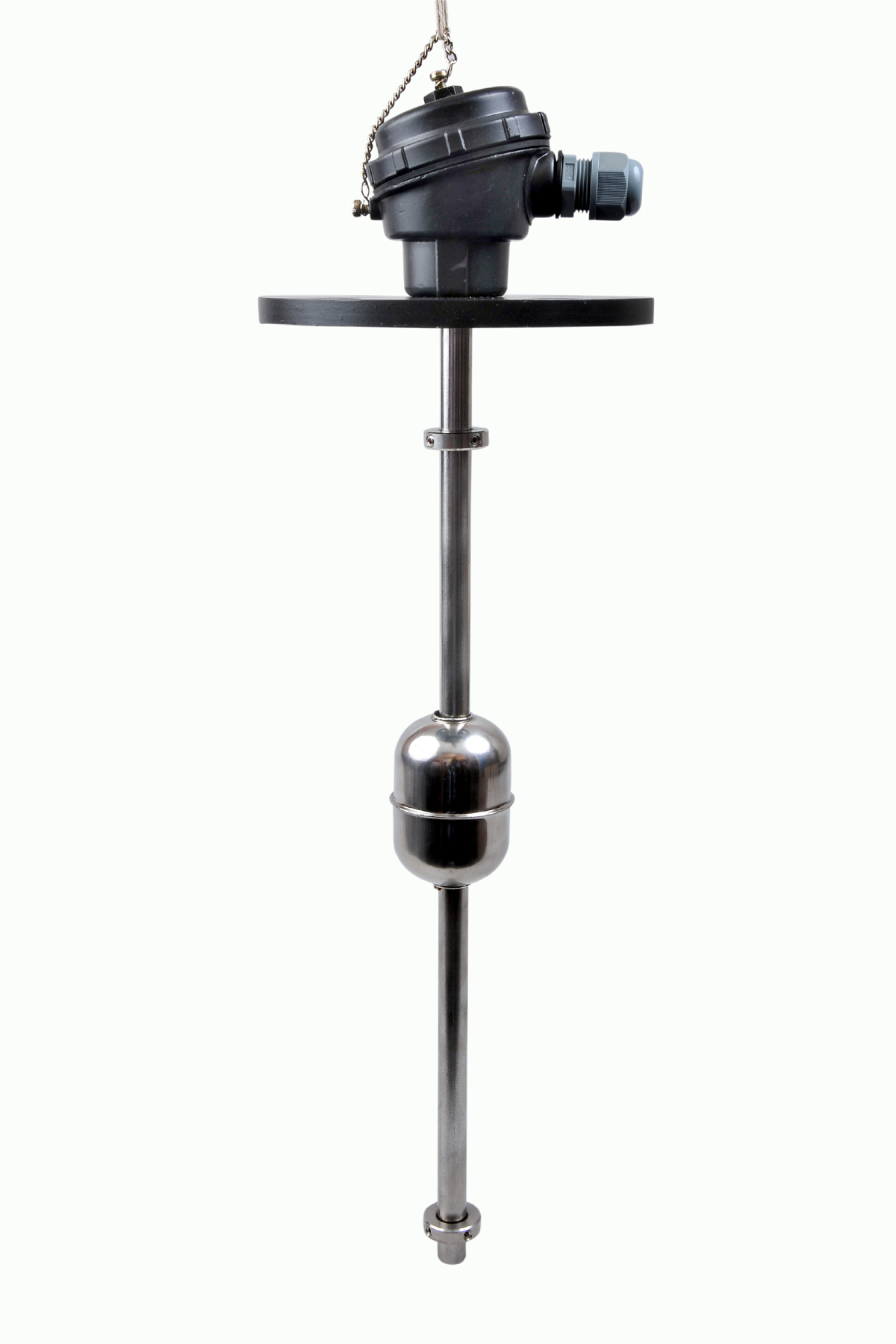 | Level Switch The Magnetic Level Switch consists of the non-abrasive float carrying permanent magnet and non-ferrous stem carrying one. View product → |
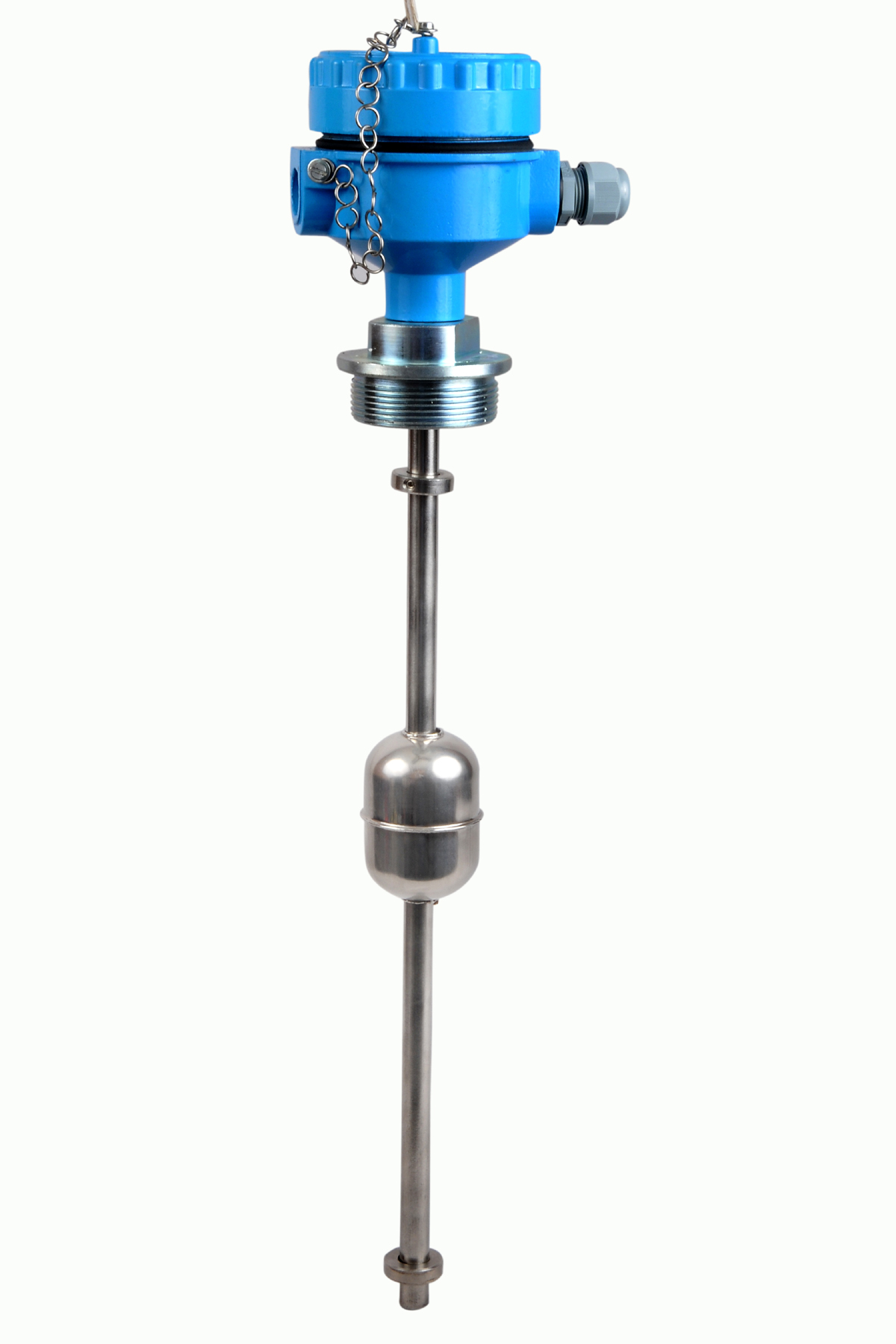 | Level Transmitter Float Level Transmitters Are Ideal For Continuous Level Monitoring In Water, Diesel, Chemical And Oils For Accurate Level Measurement. View product → |
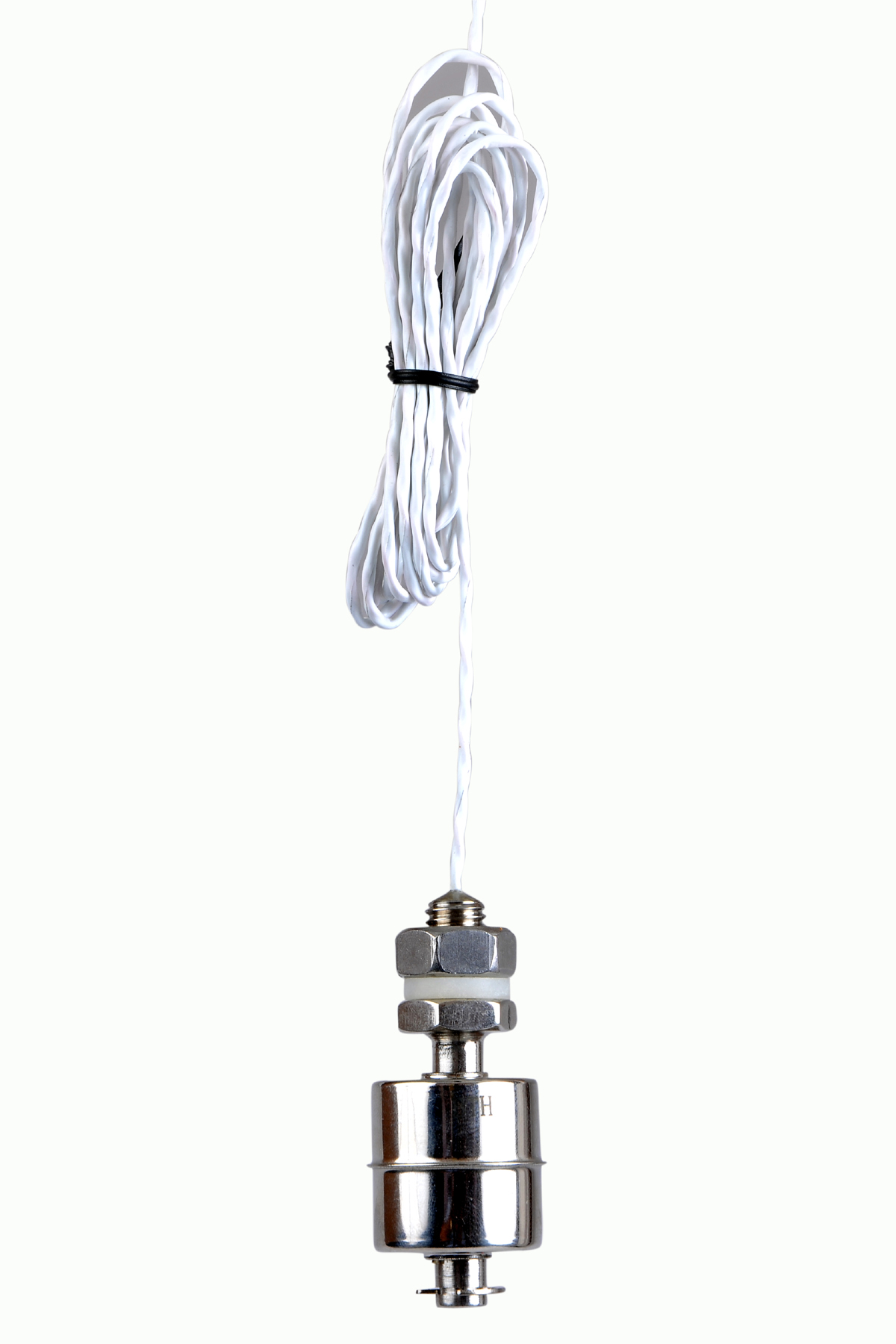 | Level Switch Stainless steel level switch - Miniature Stainless steel Miniature Level Switch is a compact construction, suitable for mounting vertically. View product → |