When industries begin looking into the types of level measuring instruments, the goal is rarely just to know how much liquid is inside a tank. It is about maintaining process stability, avoiding material losses, improving safety, and making informed operational decisions. In an industrial hub like Vadodara, where chemical processing, pharmaceuticals, oil handling, and manufacturing play a significant role, selecting the appropriate level measurement technology can make everyday operations more reliable.
Different applications require different instruments because no two liquids behave exactly the same. Water, corrosive chemicals, diesel, edible oils, solvents, and petrochemical products each present unique measurement challenges. Factors such as temperature, pressure, tank geometry, foam formation, and vapour all influence which instrument performs best.
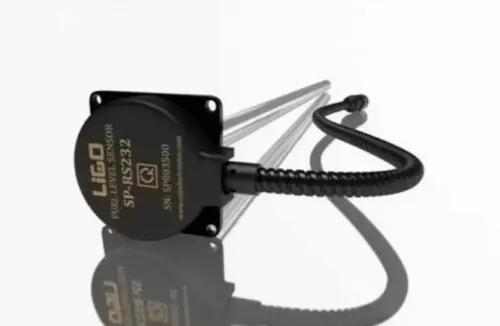
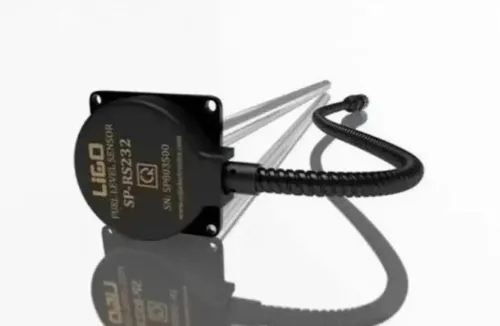
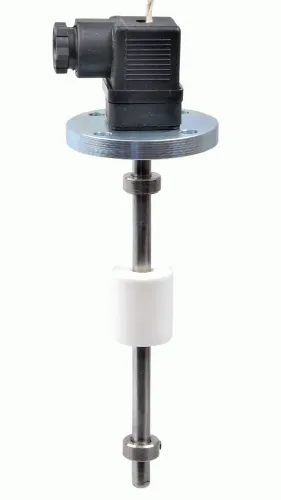
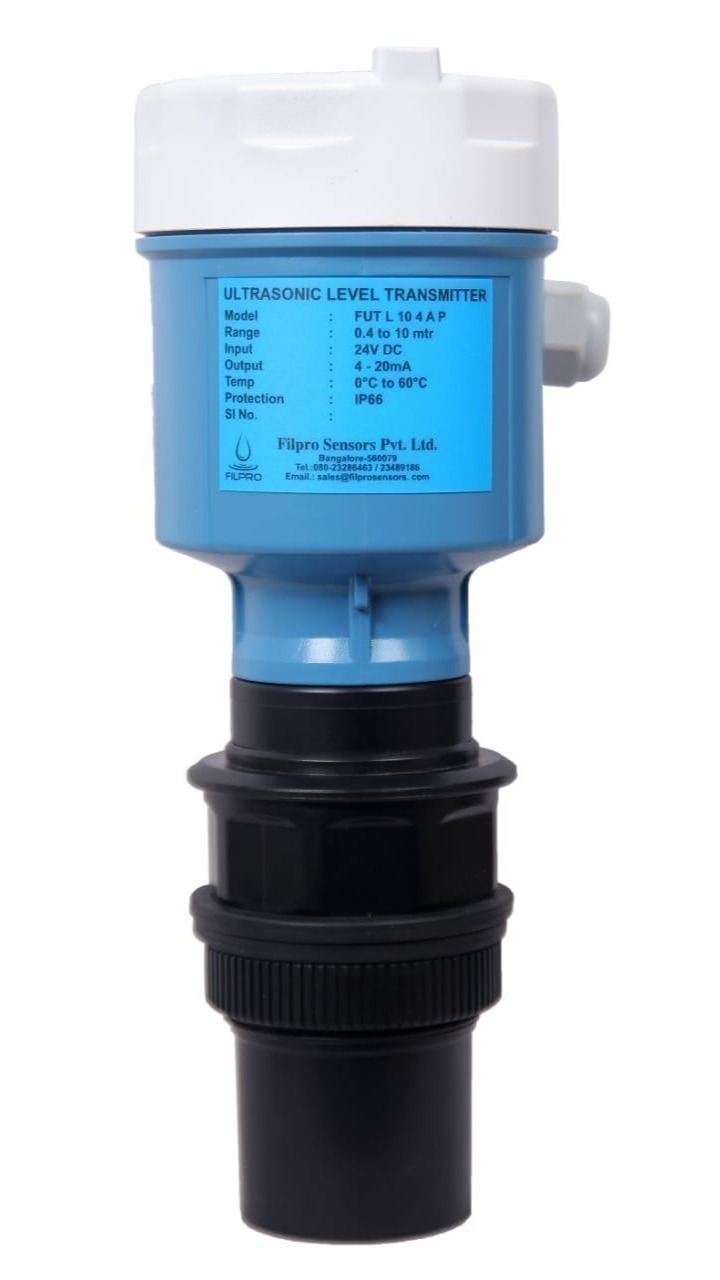
Common level measuring instruments include float level indicators, hydrostatic transmitters, ultrasonic level sensors, radar level transmitters, capacitance sensors, and magnetic level gauges. Float-based systems remain useful for straightforward applications, while ultrasonic and radar technologies are widely preferred for continuous, non-contact monitoring in industrial environments. Hydrostatic instruments are particularly suitable where liquid density remains relatively constant, whereas capacitance-based devices are often selected for applications involving conductive or non-conductive liquids.
Beyond technology selection, installation quality also determines measurement accuracy. Sensors positioned incorrectly or exposed to excessive turbulence may produce inconsistent readings, leading to inventory discrepancies or unnecessary maintenance. A properly engineered installation considers the tank dimensions, process conditions, and operating environment before recommending a solution.
Many industries are also integrating level measuring instruments into automated control systems. Instead of depending on manual inspections, operators receive real-time information that helps regulate production, schedule refilling, and identify abnormalities before they become operational issues. This approach not only saves time but also supports safer working environments by reducing the need for personnel to access elevated or hazardous storage tanks.
Companies such as Filpro Sensors Pvt Ltd provide industrial level measurement solutions that are designed around practical operating conditions rather than adopting a one-size-fits-all approach. Understanding the process requirements before selecting an instrument helps businesses invest in equipment that continues delivering dependable performance over time.
For manufacturers and processing facilities across Vadodara, choosing the right level measuring instrument is an important step toward better process efficiency, improved inventory visibility, and more confident operational planning. Whether the application involves water storage, chemicals, fuels, or industrial liquids, selecting technology that matches the process requirements creates long-term value.
If you're evaluating level measurement options for your facility in Vadodara, understanding the application first and then choosing the appropriate instrument can help achieve reliable performance with fewer operational interruptions.