Understanding the level sensor working principle helps industries select the right technology for accurate liquid monitoring. Level sensors are widely used in storage tanks, processing equipment, water systems, and industrial plants where maintaining the correct liquid level is important for safe and efficient operations.
A level sensor works by detecting changes in liquid height and converting them into measurable signals. These signals can then be displayed locally or transmitted to control systems for automated monitoring.
Different level sensors operate using different measurement principles:
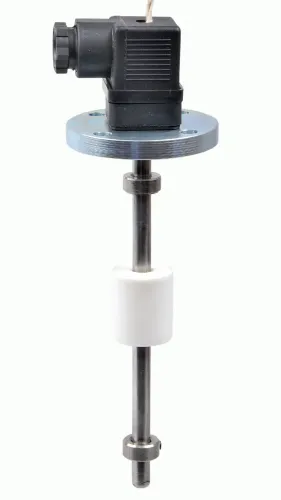
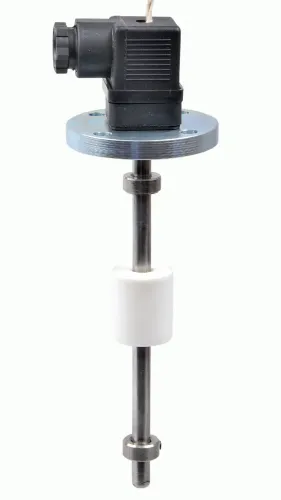
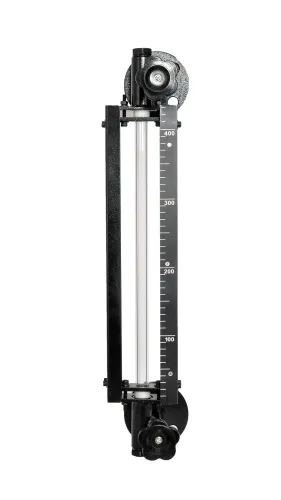
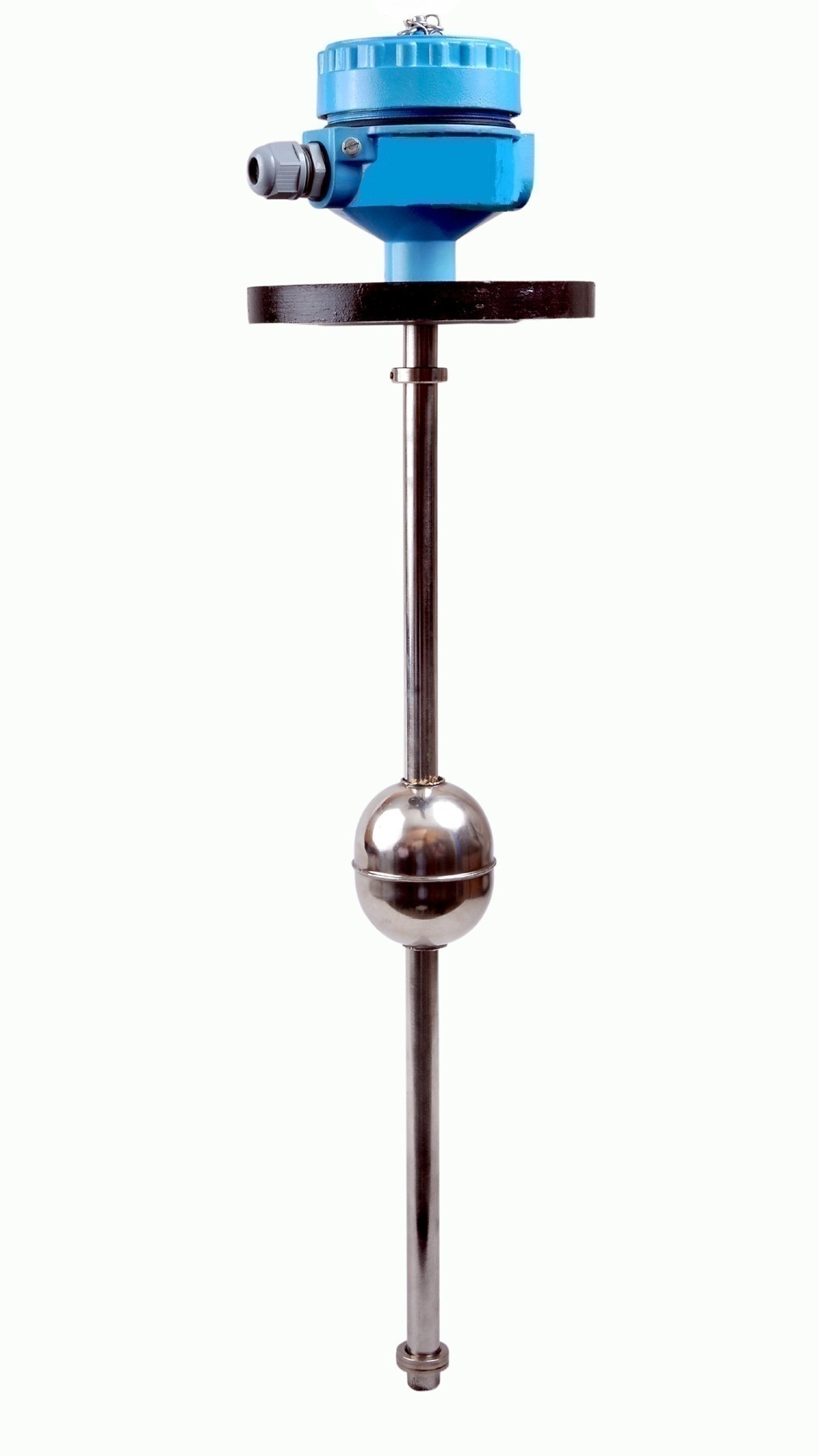
Float-Based Measurement: A float moves according to the liquid level inside the tank. The movement is detected through magnetic or mechanical mechanisms to indicate the liquid position.
Ultrasonic Measurement: Ultrasonic level sensors send sound waves toward the liquid surface. The time taken for the signal to return helps calculate the distance and determine the liquid level without physical contact.
Radar Measurement: Radar level sensors use electromagnetic waves to measure the distance between the sensor and liquid surface. They are suitable for demanding applications requiring high accuracy.
Hydrostatic Measurement: Hydrostatic level transmitters measure pressure created by the liquid column. The pressure value is converted into a level measurement.
Capacitance Measurement: These sensors detect changes in capacitance caused by variations in liquid presence around the sensing probe.
Selecting the correct working principle depends on the application environment. Factors such as liquid viscosity, corrosiveness, temperature, pressure, and tank conditions influence the choice of sensor technology.
Filpro Sensors Pvt Ltd provides industrial level measurement solutions for businesses in Delhi requiring dependable monitoring systems. Understanding how each sensor works allows industries to choose equipment that delivers accurate performance, reduces maintenance requirements, and supports efficient operations.